Looking to buy a home in 2026? Here’s what to expect in South Florida
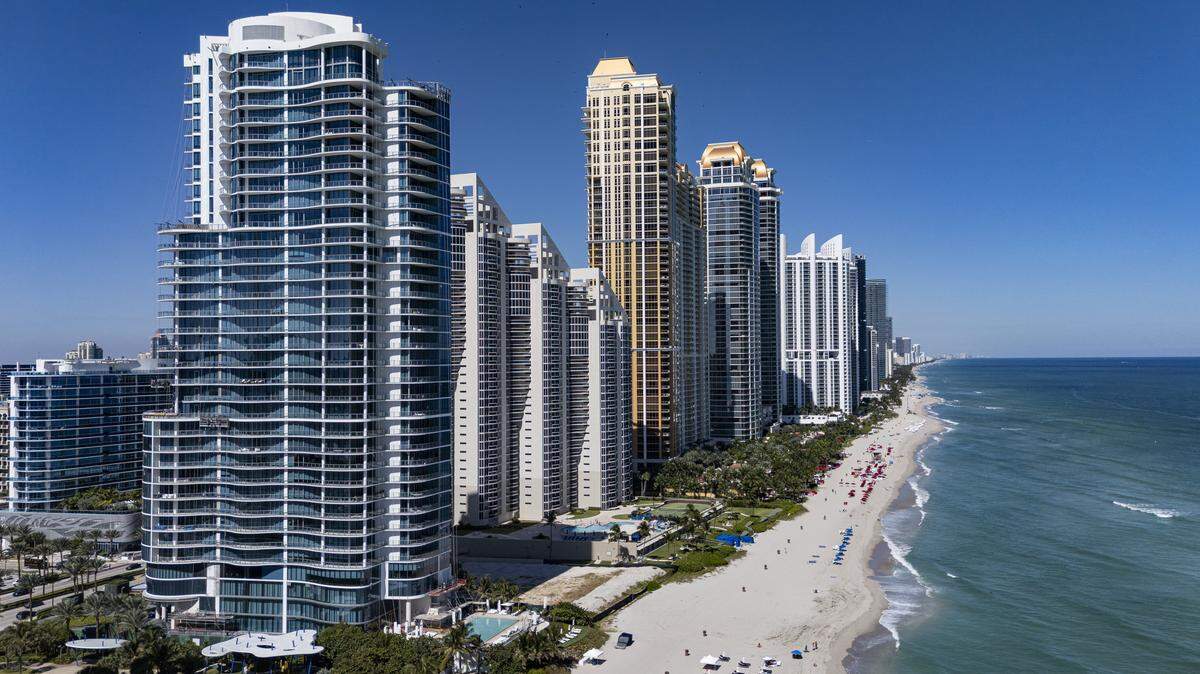
It’s a buyer’s market in South Florida, but that may not last for long into the new year.
In 2025, the local real estate market was soft, with high insurance costs and mortgage rates, uncertainty in the condo market and demand that’s continuing to cool following pandemic-era highs.
But the Federal Reserve has been cutting interest rates, and mortgage rates are expected to drop in the new year, too. Lower interest and mortgage rates will mean more people will be interested in buying, driving up competition and prices, which may give the advantage to sellers.
J.C. de Ona, the Southeast Florida division president for Centennial Bank, said lower interest rates have “created a little bit of a spark” in the South Florida real estate market following this year’s slowdown. But de Ona said he expects buyers will still have “more of an edge heading into next year.” This means buyers may be in a good position to negotiate and find good deals while the market is still cool, he said.
Though the real estate market is no longer red-hot like it was during the pandemic, it’s stable and healthy, de Ona said. But the market is complicated, and not every segment has the same outlook for the new year.
“The market is extremely interesting right now, because each sub-market is having a totally different behavior,” said developer Fernando de Nuñez y Lugones, the CEO and founder of Vertical Developments.
For instance, he said, the supply of single-family homes in the region isn’t growing nearly as quickly as the supply of condos. This has led to prices for single-family homes rising, as condo prices have fallen.
South Florida’s troubled condo market
The South Florida condo market has faced major issues in recent years.
Strict new condo laws passed in response to the Surfside condo building collapse in 2021 have caused condo association fees for many residents in older buildings to soar. It’s also become much harder to get financing for units in older buildings.
Peter Zalewski, an expert on the South Florida condo market and the broker-owner of Condo Vultures Realty, has a pessimistic outlook for 2026. He thinks South Florida is headed toward a major condo market crash. As condo owners have been slapped with high fees and assessments that make their units difficult to sell, Zalewski expects people to start unloading their units and taking major losses.
“We are in 2007, which is the predecessor to right before the big sell-off begins,” Zalewski said, referring to the period immediately before the 2008 global financial crisis.
But the upside of these more stringent condo laws is that condo associations have to disclose more information about the health of their buildings to potential buyers. And this may already be affecting the market for more affordable condos and units in buildings over 30 years old, according to data from the Miami Association of Realtors.
In November, sales of condo units in the $200,000 to $400,000 price range in Miami-Dade County were up 21% compared to the previous November. And units in buildings over 30 years were staying on the market for an average of 66 days, compared to an average of 81 days for newer buildings. This may signal that condo laws are no longer spooking would-be buyers.
Alfredo Pujol, the chairman-elect of the board of the Miami Association of Realtors, said with more information, buyers can make informed decisions and take advantage of good deals on well-priced older units.
Isaac Toledano, a co-founder of the development firm BH Group, said another trend he expects to continue in 2026 is widespread condo association terminations. Developers have been buying out old condo buildings in prime locations with the intention of tearing them down and building something new and typically higher end.
READ MORE: Is your condo ripe for a buyout? Seven signs that developers might target your building
Toledano said BH Group has been involved in buyouts and terminations in Sunny Isles Beach, Coconut Grove and Naples. He added that his firm is currently working on two more condo buyouts.
“I think you’ll see more and more of this,” Toledano said.
Cost of living and affordable housing
Miami consistently ranks among the least affordable cities in the country, especially when it comes to housing. And that problem will likely persist for middle- and working-class South Florida residents in 2026.
But the Live Local Act, which was passed by the Florida Legislature in 2023 and amended this year, may help combat that problem. The state-level effort to boost the affordable housing supply offers zoning and tax incentives to developers who agree to designate 40% of the units in a project as affordable housing.
It’s taken developers time to figure out the Live Local Act, but de Ona said he expects development in the affordable sector to accelerate in 2026.
“There’s just a huge gap in the amount of affordable housing that we need,” said de Ona. “But I do think that we’ll see more activity. I think it’s needed, and I think there’s going to be enough incentives for people to focus a little bit more on that.”
In addition to affordable housing, de Ona said has seen a growing interest in projects offering “attainable” housing in Miami-Dade, particularly in the rental market. What “attainability” might look like for renters is sacrificing on square footage or amenities to live in a more desirable neighborhood, he said.
READ MORE: Would you live in a 320-square-foot apartment? ‘Micro units’ planned in Brickell
Just last week, the city of Miami Urban Development Review Board approved plans for a building in the Brickell area with some “micro units” as small as 320 square feet. This is the second “micro unit” project in Miami led by New York-based developer Namdar Group.
Will luxury market stay strong?
For those on the other end of the income scale, many expect the luxury market to expected to remain strong this year.
In the condo market specifically, luxury units, which are often new construction, have not experienced the same difficulties as units in older buildings that are being forced to foot the bill for major repairs.
Miami’s burgeoning business landscape has made South Florida a destination for entrepreneurs, executives and other high net worth individuals in recent years, said de Nuñez y Lugones. He said he expects this trend, which has bolstered the luxury real estate market, to continue in 2026, even as the large-scale migration of remote workers from New York and San Francisco seen during the pandemic has died down.
Pujol, the chairman-elect of the board of the Miami Assocation of Realtors, said he expects high-profile events like the 2026 FIFA World Cup, as well as major development projects like Ken Griffin’s planned global Citadel headquarters in Brickell, to draw buyers to Miami’s luxury market in 2026.
Zalewski, however, isn’t so sure. He doubts that migration to South Florida will continue on the scale others expect. He said return-to-office mandates that have forced tech and finance workers to move back to where they came from should be taken as a sign that the luxury market in South Florida may be on the brink of a downturn.
He also highlighted the lack of “step-up buyers” as a weakness in Miami’s luxury real estate market. Step-up buyers are people looking to move into larger and more expensive homes. Without enough of these buyers, transactions in the luxury market may start to slow.
“It’s not great on the luxury side ... you’re starting to see a pullback, and the primary reason is there’s no step-up buyers,” he said. “Who do you resell this stuff to?”
This story was originally published December 29, 2025 at 5:00 AM.