What Miami Home Buyers Need to Know Before Signing Off on That Inspection
AI-generated summary reviewed by our newsroom.
- Order WDO; consider wind mitigation and 4-point inspections as needed
- Check condo recertifications, engineering reports and reserve funding before buying.
- Assess flood zone, grading and insurance impact; verify FEMA and local maps.
The creation of this article included the use of AI and was edited by journalists. Read more on our AI policy here.
You’ve found the place. Maybe it’s a 1950s coral rock bungalow in Coconut Grove, a sleek Brickell condo with water views or a newer build out in Doral. The offer’s accepted and now comes the part that separates savvy buyers from those who end up with expensive surprises: the home inspection.
Here’s the thing about buying property in Miami: the standard inspection playbook that works in Denver or Detroit doesn’t quite cut it here. South Florida’s subtropical climate, hurricane exposure, aggressive termite populations and aging condo stock create a unique set of challenges that generic national advice simply doesn’t address.
This guide breaks down exactly what you need to know about inspections in the Miami market, from the baseline inspection that every buyer should get to the specialized add-ons that can save you thousands (or help you negotiate a better deal). Whether you’re a first-time buyer, relocating from out of state or upgrading from a condo to a single-family home, understanding this process puts you ahead of most buyers walking into Miami real estate transactions.
When inspections happen and what’s actually standard here
The inspection period typically begins immediately after your offer is accepted. In most Miami contracts, you’ll have somewhere between seven and fifteen days to complete your due diligence, though this varies by negotiation. This window is your opportunity to uncover issues before you’re legally committed to the purchase.
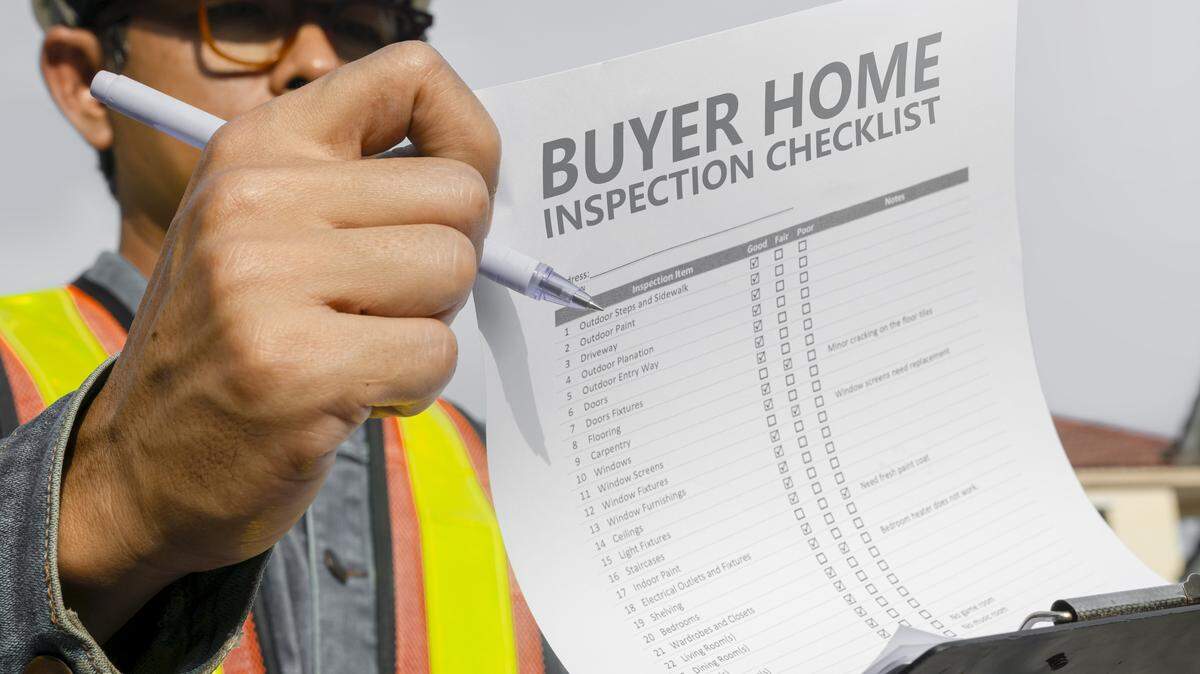
A standard home inspection in Miami follows a visual, non-invasive approach. Inspectors work through a checklist covering the roof, structure, electrical systems, plumbing, HVAC, interior finishes, exterior conditions, attic space, insulation and basic appliances. Most reputable inspectors follow the American Society of Home Inspectors (ASHI) Standards of Practice, which outline minimum inspection elements and reporting requirements.
What catches many buyers off guard is what a standard inspection doesn’t include. By default, you won’t get destructive testing, in-depth mold analysis, sewer line scoping, comprehensive pool equipment evaluation or specialized structural engineering assessments. These require separate inspections, often by different specialists, and come with additional costs.
For a typical single-family home in the Miami area, expect to pay roughly $375 to $500 for a standard inspection, according to recent Florida industry data. Larger homes, older properties and those with complex systems will trend toward the higher end. The inspection itself usually takes three to four hours on site, depending on the property’s size and condition.
How Florida licenses home inspectors (and why it matters)
Florida takes home inspector licensing seriously. The Florida Department of Business and Professional Regulation (DBPR) handles all licensing and you can verify any inspector’s credentials through their online portal before hiring.
To earn a Florida license, inspectors must complete a 120-hour approved course, pass a state-approved examination, submit a formal application and clear a background check. Florida also requires inspectors to carry general liability insurance, with at least $300,000 in coverage being typical in the industry.
Beyond state requirements, many quality inspectors also hold certifications from professional organizations like ASHI or the International Association of Certified Home Inspectors (InterNACHI). These aren’t legally required, but they indicate an inspector who’s committed to ongoing education and standardized practices.
Before hiring anyone, run their license number through the DBPR database. It takes two minutes and confirms they’re legitimate. Ask whether they follow ASHI or similar standards, and request a sample report so you can see how they document and prioritize findings.
Miami’s humidity and mold: a constant concern
South Florida’s heat and humidity create ideal conditions for mold growth, making this a persistent issue in local real estate. The Florida Department of Health advises keeping indoor humidity below 60% to prevent mold growth, with below 50% even better for controlling both mold and dust mites.
The CDC echoes this guidance, recommending that homeowners maintain humidity at no higher than 50%, fix leaks promptly and ensure good ventilation throughout the home.
During your inspection, pay attention to any moisture issues, water stains, musty odors, or signs of poor ventilation. These can indicate current mold problems or conditions that will lead to mold in the future. If the inspector flags any of these concerns, consider ordering a separate mold assessment from a qualified specialist.
Mold remediation can range from a few hundred dollars for minor surface issues to tens of thousands for extensive contamination behind walls or in HVAC systems. Catching problems during the inspection period gives you leverage to negotiate repairs or credits before closing.
Termites: Florida’s most destructive houseguests
Florida ranks among the most termite-active states in the country. Experts estimate seven to ten termite colonies per acre on average throughout the state, according to Massey Services, a regional pest control company.
Miami holds a particular distinction in termite history. The first U.S. infestation of Asian subterranean termites was documented here, and research from UF/IFAS shows these highly destructive species continue spreading across South Florida.
A wood-destroying organism (WDO) inspection, commonly called a termite inspection, is separate from your standard home inspection and typically costs $75 to $150 in Florida. Given the region’s termite pressure, this inspection is essentially mandatory for any Miami home purchase, even if your lender doesn’t require it.
The WDO inspector looks for evidence of termites, carpenter ants, wood-boring beetles and wood decay fungi. They’ll examine accessible wood structures, crawl spaces, and areas where wood contacts soil. Active infestations or significant damage can be deal-breakers or major negotiating points.
If the inspection reveals past treatment, ask for documentation of the treatment history and any existing warranties. Some termite bonds transfer to new owners; others don’t. Understanding what protection you’re inheriting (or not) affects your ongoing maintenance costs.
Flood zones, climate risk, and what buyers should ask
Miami’s relationship with water extends beyond its beautiful beaches. Flood risk is a defining characteristic of South Florida real estate and it affects everything from insurance costs to long-term property values.
Buyers can check official flood designations through the FEMA Flood Map Service Center, which provides the federal flood zone classifications that lenders use to determine insurance requirements. Miami-Dade County also maintains its own interactive flood zone maps and floodplain management resources, which can provide additional local detail.
Recent reporting from Investopedia notes that new FEMA flood maps and private risk models have moved tens of thousands of South Florida properties into higher-risk categories. These reclassifications change where lenders require flood insurance and affect long-term ownership costs.
Here’s something many buyers don’t realize: even homes outside high-risk FEMA zones can flood. Properties in moderate-risk zones still experience flooding, and drainage issues on individual lots can create problems regardless of official designations. Treat flood and drainage questions as part of your inspection due diligence, not an afterthought.
Ask your inspector about grading around the foundation, drainage patterns, and any signs of past water intrusion. If the property has a history of flooding or sits in a vulnerable area, factor ongoing flood insurance costs into your purchase decision.
Insurance-driven inspections: 4-point and wind mitigation
Two inspections that confuse many out-of-state buyers are the 4-point inspection and the wind mitigation inspection. Neither is part of a standard home inspection, but both can determine whether you can get insurance and how much you’ll pay for it.
The 4-point inspection
Insurers like Citizens Property Insurance, Florida’s insurer of last resort, often require 4-point inspections for homes more than 20 years old. This focused inspection examines four specific systems: roof, electrical, plumbing and HVAC.
The inspector documents the age and condition of each system, noting any safety concerns or components that don’t meet current standards. Outdated electrical panels, aging roofs, or deteriorating plumbing can all trigger insurance denials or exclusions.
A 4-point inspection typically costs $100 to $200 in the Miami market, sometimes discounted when bundled with other inspections. If you’re buying an older home, schedule this early in your inspection period so you know whether insurance will be available at a reasonable rate.
The wind mitigation inspection
Florida’s hurricane exposure makes wind mitigation reports particularly valuable. This inspection documents hurricane-resistant features including roof covering type, roof deck attachment method, roof-to-wall connections, secondary water resistance, and opening protection like impact-rated windows or shutters.
A wind mitigation inspection typically costs $75 to $150 in Florida, according to industry sources. The potential return on this investment is substantial: favorable wind mitigation features can generate 10% to 45% discounts on the wind portion of your insurance premium, depending on what protections the home has.
Many inspectors offer bundled packages combining the general inspection, wind mitigation, and 4-point inspection into a single visit at a discounted rate. If you’re buying an older home in Miami, this combination makes sense for both convenience and cost savings.
Condo-specific inspections and building recertification
Miami’s condo market presents unique inspection challenges that go beyond what you’d consider for a single-family home. The 2021 Champlain Towers collapse in Surfside brought national attention to building safety issues that local buyers had been navigating for years.
Miami-Dade building recertification
Miami-Dade County requires older buildings to undergo structural and electrical recertification at 30 to 40 years of age, then every 10 years thereafter. A Florida-registered engineer or architect must certify that the building is safe for occupancy.
When buying a condo, ask whether the building has completed its required recertifications and request copies of the engineering reports. Buildings that have deferred maintenance or have outstanding recertification issues may face significant special assessments to address structural problems.
Statewide milestone inspections
Florida Statute 553.899 and related rules require “milestone” structural inspections and structural integrity reserve studies for condo buildings three stories or more once they reach certain age thresholds, often 25 to 30 years, then every 10 years. The state maintains information about these requirements at condos.myfloridalicense.com/inspections.
These requirements mean condo associations must maintain adequate reserves for structural maintenance and repairs. Buildings that haven’t been maintaining proper reserves may face large special assessments when inspection requirements kick in.
What condo buyers should investigate
For condo purchases, “inspection” extends beyond your individual unit. You need to understand the building’s overall health. Request and review:
- Recent engineering inspection reports and recertification documents
- The association’s reserve study and current reserve funding level
- Any pending or planned special assessments
- The building’s insurance coverage and recent claims history
- Minutes from recent board meetings discussing building maintenance
A unit-level inspection still matters for identifying issues with your specific space, but the building’s structural and financial health often presents greater long-term risk than anything inside your walls.
How to choose a qualified inspector in Miami
Finding the right inspector requires more than picking the first name from a search result. Use this checklist to evaluate candidates:
Verify Florida licensing. Use the DBPR’s license lookup for home inspectors. Confirm the license is active and check for any disciplinary actions.
Ask about Miami-specific experiences. Look for inspectors who routinely work on coastal stucco homes, flat roofs, older Miami bungalows, and high-rise condos. An inspector experienced with Midwest construction may miss issues common to South Florida building styles.
Confirm adherence to recognized standards. Ask whether they follow ASHI, InterNACHI or similar professional standards. These organizations establish minimum inspection requirements and ethical guidelines.
Review a sample report. Quality reports include clear photos, plain-language descriptions, and prioritization of safety and major cost items. Avoid inspectors whose reports read like generic checklists without specific observations about the property.
Ask about add-on services. Find out whether they provide or coordinate termite/WDO inspections, mold assessments, wind mitigation reports, 4-point inspections, sewer camera scoping, and pool inspections. Some inspectors handle multiple specialties; others can recommend trusted specialists.
Confirm insurance coverage. Verify the inspector carries general liability insurance and, ideally, errors and omissions (E&O) coverage. This protects you if they miss something significant.
The step-by-step inspection process for Miami buyers
Understanding the sequence helps you move efficiently through your inspection period without missing critical steps.
Before you make an offer
Work with your agent to flag obvious concerns during showings. Note the apparent age of the roof, any visible settlement or cracks, the property’s flood zone designation, and any mentions of prior insurance issues or claims. For older homes or condos, ask early about past recertification, special assessments, and insurance claims history.
Right after your offer is accepted
Move quickly once you’re under contract. The inspection period clock starts ticking immediately.
Hire a licensed home inspector for your standard inspection. Schedule this within the first few days to leave time for follow-up inspections if needed.
Decide which add-on inspections to order based on the property type and condition:
- Nearly all coastal homes: WDO/termite inspection, wind mitigation inspection, 4-point inspection for older homes
- Damp or musty homes: Mold assessment or at least moisture mapping
- Older neighborhoods: Sewer scope to check for root intrusion, bellied lines, or deteriorating pipes
- Homes with pools: Separate pool and spa inspection covering equipment, surfaces, and safety features
During the inspection
Attend if at all possible. Walking through with the inspector lets you see issues firsthand, ask questions, and understand the severity of findings. A written report captures the facts, but being present helps you grasp context and priorities.
Take your own photos and notes. Ask the inspector to point out main concerns and explain what’s normal wear versus what needs attention.
After the inspection report arrives
Don’t panic at the length. Most inspection reports run dozens of pages and document everything from minor maintenance items to major concerns. Your job is to prioritize.
Focus first on structural issues, roof condition, electrical safety, and major mechanical systems. These represent the biggest potential costs and safety risks. Cosmetic issues and minor repairs, while worth noting, shouldn’t drive your negotiation strategy.
Use findings to negotiate with the seller. Depending on market conditions and contract terms, you may request repairs before closing, ask for credits toward your closing costs, or negotiate a price reduction. Your agent can advise on what’s realistic given current market dynamics.
Share your wind mitigation and 4-point reports with your insurance agent immediately. These documents determine your insurability and premium costs. Getting insurance quotes during your inspection period helps you understand true ownership costs before you’re committed.
Before closing
Ensure any agreed-upon repairs are documented and completed. For significant work, consider a re-inspection to verify repairs were done properly.
Confirm your flood insurance requirements based on FEMA and Miami-Dade County flood maps. If flood insurance is required by your lender, you’ll need a policy in place before closing. Even if it’s not required, consider whether voluntary coverage makes sense given your property’s risk profile.
What inspections cost in the Miami market
Budget for these typical ranges when planning your inspection expenses:
| Inspection Type | Typical Cost Range |
|---|---|
| Standard home inspection | $375 – $500 |
| Wind mitigation inspection | $75 – $150 |
| 4-point inspection | $100 – $200 |
| WDO/termite inspection | $75 – $150 |
These costs add up, but consider them insurance against much larger surprises. A $600 investment in inspections that reveals a $15,000 roof problem gives you negotiating leverage worth far more than what you spent. A wind mitigation report costing $100 that saves you $400 annually on.
This story was originally published December 17, 2025 at 3:41 PM.