
Does your condo tower have adequate emergency radio signals if there’s a fire?
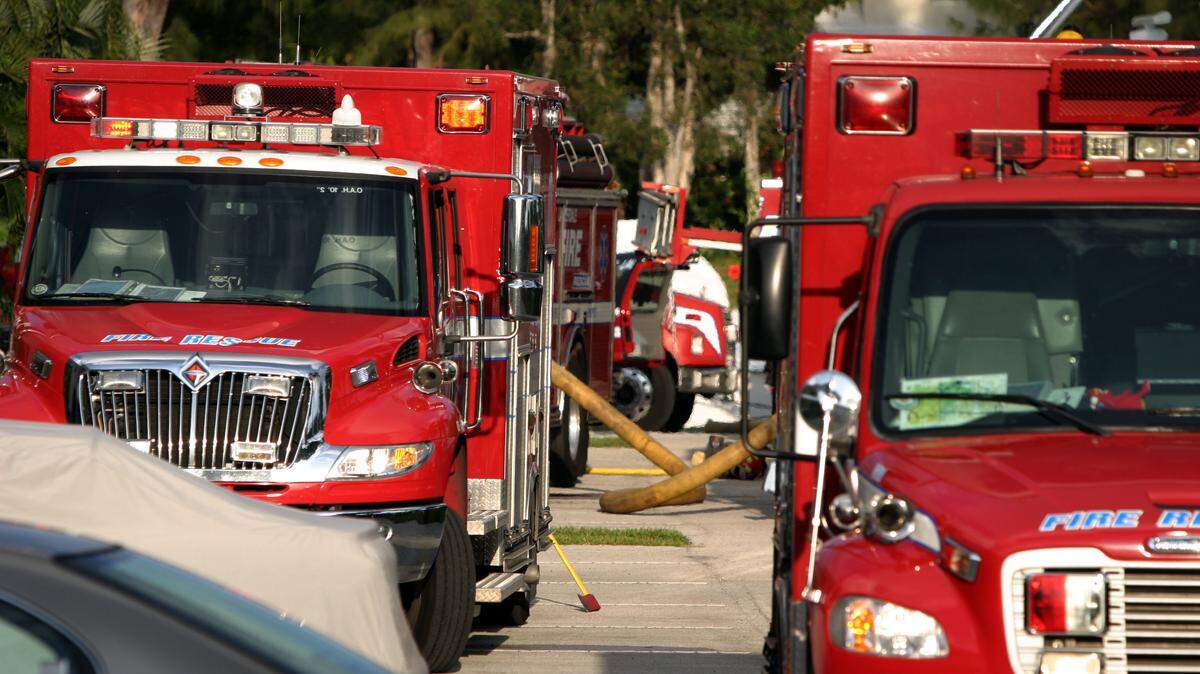
Fires in high-rise residential towers are among the most dangerous emergencies that affect buildings.
Evacuating hundreds of residents from tall buildings is complex, as smoke and flames can spread rapidly through upper floors, and firefighters often face limited access and visibility. The risks have led Florida and other states to impose strict fire safety standards for high-rise structures.
Over the years, Florida has updated its requirements to keep pace with safety concerns. One of the most significant changes came in 2023, when lawmakers extended the deadline for installing automatic sprinkler systems or engineered life safety systems to Jan. 1, 2027.
Another critical provision of the Florida Fire Prevention Code addresses a less obvious but equally life-threatening issue: fire department radio coverage inside buildings. Concrete walls, impact-resistant windows and fire-rated barriers can create dead zones where emergency radios fail.
For firefighters and police, losing communication inside a burning building can mean be deadly. To prevent this, state law requires properties with weak signal penetration to install Emergency Radio Communication Enhancement Systems, which are specialized boosters designed to ensure first responders can communicate throughout the building.
The urgency of this requirement was underscored in a recent South Florida Sun-Sentinel report on how Fort Lauderdale and other Broward County cities have cited more than 110 buildings for inadequate radio coverage. Bill Brown, a retired fire chief and chair of Fort Lauderdale’s Fire-Rescue Advisory Committee, indicated that many condominium associations are struggling to absorb the cost of compliance. He noted that buildings are already facing steep increases for milestone inspections and mandatory reserves following the Surfside collapse, along with soaring insurance premiums. Adding a costly radio booster system, which are often priced at $250,000 or more, can become impossible without further raising monthly fees.
But as the chair of Fort Lauderdale’s Fire-Rescue Advisory Committee, Brown warns that the stakes are too high to ignore. Without a strong radio signal, first responders and condominium residents are at risk, and firefighters inside buildings may be unable to receive messages alerting them about trapped residents.
Fort Lauderdale Commissioner Steve Glassman, whose own condo building was cited, argues the city should help cover the cost of installing the radio booster systems. But Fire Chief Stephen Gollan pushed back, likening the expense to repairing a broken pipe that is a repair and maintenance responsibility of the building and its residents.
Glassman also pointed out a twist: Some buildings fail inspections because they installed high-impact windows that inhibit radio signals.
“You make your building stronger, and now you’re told you need to spend $200,000 because radios don’t work. It’s a crazy catch-22,” Glassman said during a recent city commission meeting.
During the meeting, Vice Mayor John Herbst floated the idea of using developer permit fees to fund the boosters as a potential solution. Glassman called the idea promising, noting that residents already pay taxes and fire fees.
Currently, Florida high-rise buildings that fail to meet minimum radio signal strength after inspection must install systems that deliver 99% coverage in critical areas (such as fire command centers, stairwells, and elevator shafts) and 90% coverage throughout the rest of the building. Permits for these installations were due by Jan. 1, 2024, and the systems must have been operational by Jan. 1, 2025. Specific exemptions apply to smaller structures, including low-rise apartments, single-family homes, and certain wood-frame buildings.
Designing and installing these emergency radio signal booster systems is no small feat.
The designs can vary significantly depending on the building’s construction materials, floor plans, and the radio frequencies used by local fire departments. Plans must be approved by local authorities and often involve antennas, amplifiers, cables, and splitters tailored to each building’s layout and construction.
Failure to meet the stringent standards can have severe consequences. Buildings that do not provide adequate radio coverage face risks to life and public safety, as well as potential legal liabilities. Fire safety enforcement authorities have the power to issue citations, impose fines, and even order the evacuation of non-compliant properties until they pass inspection. For condominium associations and property managers, the stakes are high.
Given the strict requirements and the serious repercussions of non-compliance, associations that are unsure of their building’s status should act immediately. The first step is to contact local fire code officials to confirm the exact requirements for their jurisdiction. From there, they should arrange for an inspection and, if deficiencies are found, work with a qualified provider to design and install a compliant system. This process includes applying for the necessary permits and ensuring that the installation meets all technical and safety standards.
For properties under the jurisdiction of Miami-Dade County, the process is straightforward. Inspection applications can be submitted online at www.miamidade.gov/fire, or property managers can call 786-331-5000 for assistance.
Taking these steps now can prevent costly penalties later and, more importantly, ensure that residents and first responders are protected when every second counts.

Niurys Robaina is an attorney with the South Florida law firm of Siegfried Rivera who focuses on community association and construction law. She is based at the firm’s Coral Gables office and is a regular contributor to its Newsroom blog at www.SiegfriedRivera.com/blog. The firm also maintains offices in Broward and Palm Beach counties, and its attorneys focus on real estate, community association, construction, and insurance law. www.SiegfriedRivera.com, NRobaina@SiegfriedRivera.com, 305-442-3334.
This story was originally published December 4, 2025 at 11:50 AM.