The Fed just cut interest rates. What does that mean for Miami homebuyers?
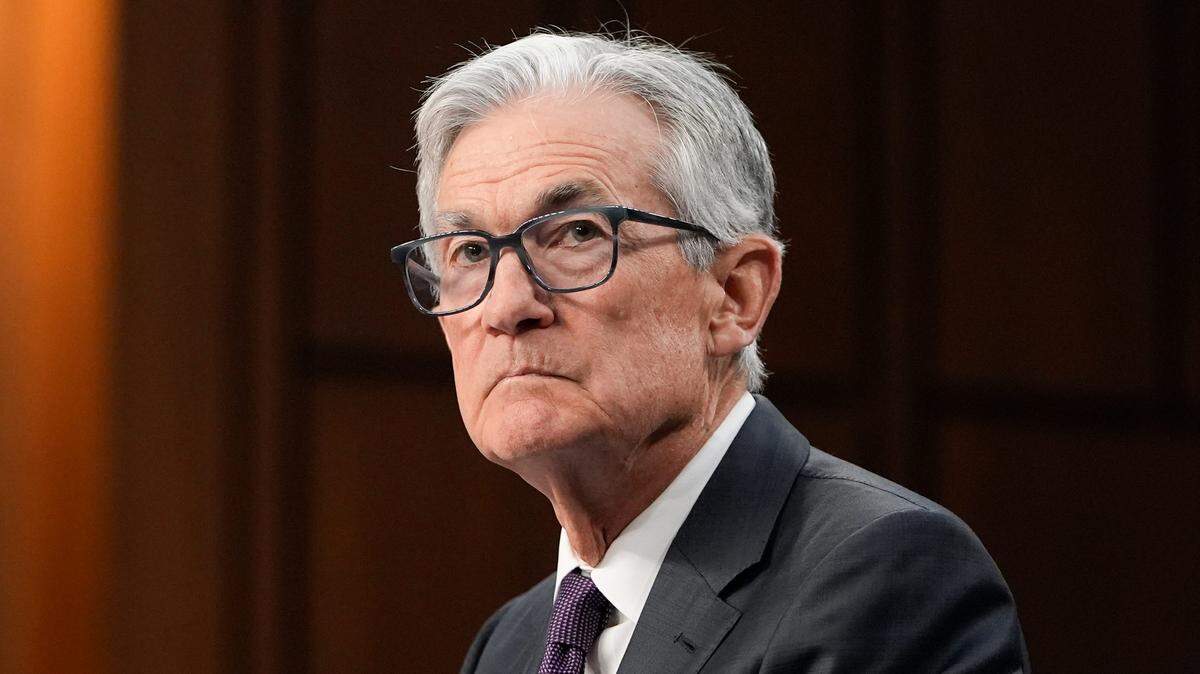
The Federal Reserve voted to lower interest rates by a quarter percentage point on Wednesday while signaling that it might pursue two additional rate cuts later this year.
The decision brings rates to a range of 4% to 4.25% and marks the first time this year the Fed has lowered its benchmark interest rate.
Weighing inflation, which Fed Chairman Jerome Powell said “remains slightly elevated,” against a cooling labor market, Powell described the cut as a “risk management” move to promote employment without fueling price increases.
Ultimately, the decision — and the potential additional cuts later this year — make it cheaper to borrow money. That could increase economic activity, making it easier for people to buy things, including homes.
And for Miami homebuyers, that could mean higher prices, says Ana Bozovic, a broker and founder of Analytics Miami.
Miami’s ‘unique’ housing market
Markets anticipated Wednesday’s cut, said Chen Zhao, head of economic research at real estate brokerage and technology company Redfin. The 30-year fixed mortgage rate had dropped over the last month and a half to its lowest point since October. But, she said, as news of this week’s rate drop sinks in, “some buyers could come back into the market.”
Nationwide, Bozovic thinks Wednesday’s rate cut — and future rate cuts — will be a boost for first-time homebuyers. “However,” she qualified, “I do not think that same logic extends to [Miami].”
Why not?
South Florida has less space to build and greater demand for housing, due to the influx of out-of-staters, than the rest of the country. “This rate cut will increase the flow of capital into the market, but it’s not going to increase supply,” at least not at the same rate, Bozovic said.
Put simply: Miami’s housing market, especially for single-family homes, is already very expensive. The rate cut could encourage more people to buy — since it’ll be cheaper to take out a loan — but at a price point that’s unaffordable for many first-time homebuyers. And more people buying typically means higher prices.
While lower interest rates will make it cheaper for developers to build, Bozovic doesn’t expect they’ll be able to add enough new housing to keep pace with demand — at least not in the near term, and especially not at price points considered affordable.
Zhao was less sure about the cut’s impact on Miami’s housing prices. She agrees South Florida’s real estate market is unique. But, she said, its challenges — climate risk, high insurance costs and soaring condo assessments — could limit how much lower borrowing rates actually lead to more transactions in the region’s real estate market, at least when compared to markets throughout the country.
Upsides and downsides
A weak jobs report in August from the Bureau of Labor Statistics that showed a slight uptick in unemployment from 4.2% to 4.3% drove the Fed to lower borrowing costs. The country added only 29,000 jobs per month, on average, between June and August, a fact that Powell pinned at least partially on lower immigration.
The move to lower interest rates, said Zhao, might help to stabilize the labor market and offset a growing risk of recession.
But rate cuts might not be able to help ongoing structural changes in the labor market, like the risk of artificial intelligence displacing workers, noted Stefania Albanesi, an economics professor at the University of Miami and a former researcher at the Fed’s Minneapolis branch.
At the same time, inflation remains above the Fed’s 2% annual target. And, as Powell noted, President Donald Trump’s tariffs are beginning to push up the prices of goods, though the chairman speculated that tariff inflation could be short term and that prices will eventually level off.
Regardless, said Zhao, further rate cuts risk worsening already elevated prices.
But ultimately, she said, labor market strength and price levels will depend on what the Fed elects to do at its remaining two rate-setting meetings later this year.
This story was produced with financial support from supporters including The Green Family Foundation Trust and Ken O’Keefe, in partnership with Journalism Funding Partners. The Miami Herald maintains full editorial control of this work.
This story was originally published September 18, 2025 at 5:00 AM.