
New Miami zoning rules could bring big changes. Here are 5 takeaways
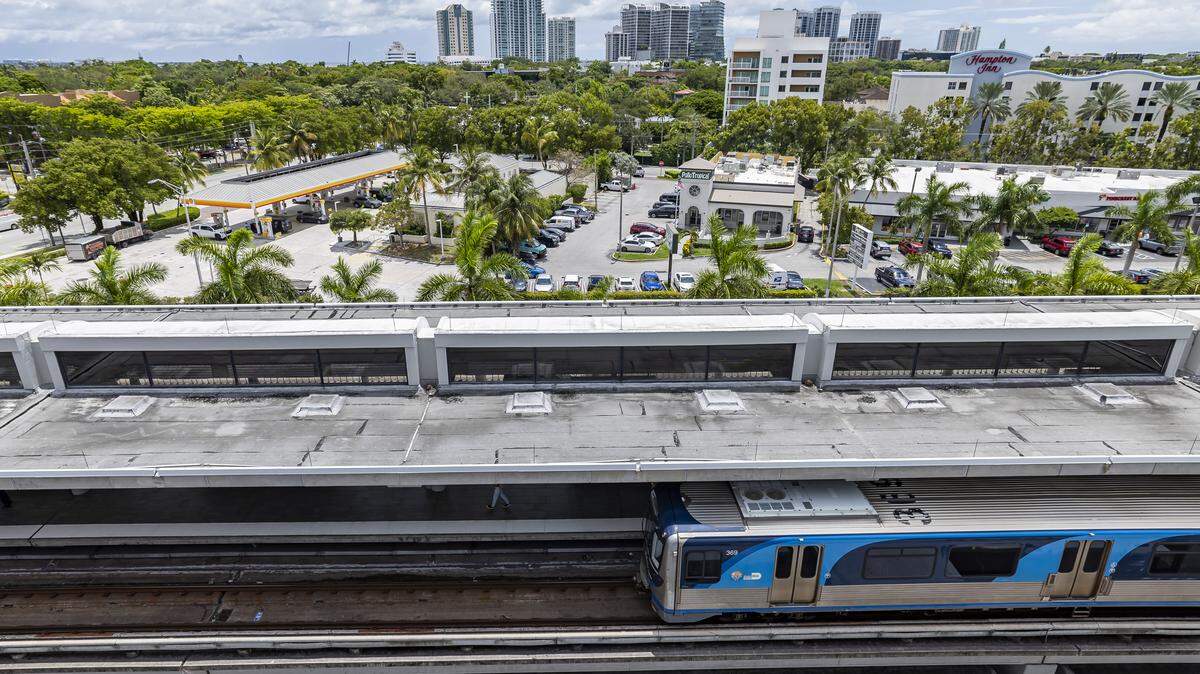
Miami officials have approved a new zoning strategy to encourage high-rise housing development around transit stations, sparking concerns among residents about potential citywide changes. The Transit Station Neighborhood Development (TSND) plan aims to increase housing supply and affordability while promoting transit use.
FULL STORY: Does new Miami law allow high-rises next to one-story houses? It’s complicated
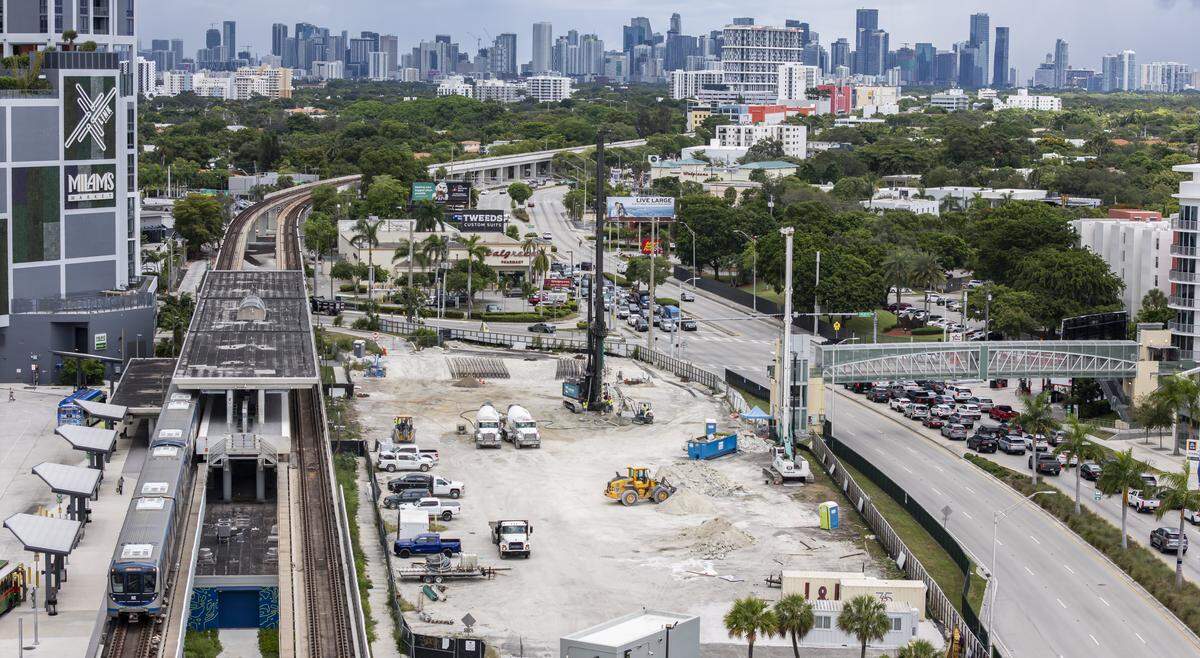
Here are the highlights:
- The Transit Station Neighborhood Development zoning allows developers to build taller and denser projects within a mile of transit stations, under certain requirements. However, the swift approval process left many residents feeling uninformed and concerned about the potential impact on low-scale neighborhoods.
- Critics argue the plan could lead to significant changes in Miami’s residential landscape, with fears of high-rise buildings encroaching on single-family homes. The initiative has also sparked debate over the balance between increasing urban density and preserving neighborhood character.
- City planners assert that the new program offers a better alternative to county zoning rules, providing more control over development while addressing Miami’s housing crisis. They emphasize that the plan includes safeguards to protect neighborhoods and requires public review of development proposals.
- The program includes a tiered approach, allowing developers to choose between general or enhanced categories, each with specific requirements for public benefits and infrastructure improvements. Enhanced projects, which demand significant contributions, up to building new rail stations, are expected to attract only well-financed developers capable of large-scale urban planning.
- The initiative aims to strategically increase density around transit hubs, with most new height and density concentrated within a half-mile radius of stations. The approach is designed to encourage lower heights and density beyond the immediate vicinity of stations, balancing urban growth with neighborhood preservation.
The summary points above were compiled with the help of AI tools and edited by journalists in the Miami Herald newsroom. The full story in the link at top was reported, written and edited entirely by Miami Herald journalists.
This story was originally published August 11, 2025 at 5:00 AM.