
Florida condo crisis needs to be addressed by lawmakers. Here’s a starting point | Opinion

The recent news in the Miami Herald on the lack of support by Florida’s legislative leaders for a special session before year’s end to address the condominium affordability crisis was met with exasperation by many condo owners across the state.
Their hopes for some sort of reprieve from the Dec. 31 deadline for structural integrity inspections and reserve studies had been buoyed by Gov. Ron DeSantis expressing support for such a session.
While it is now clear that no such action will be taken before the deadline, condominium associations and their unit owners should be reassured by statements from lawmakers about the legislative session that starts in March.
“We are going to dig very heavily on this,” said Senate President Ben Albritton, who represents parts of southwestern and central Florida. “We are going to make certain that we know as much as humanly possible through the complexity of this, and how it is going to impact Floridians, especially those who live in condos.”
READ MORE: Living in a Florida high-rise? Here’s how to meet new deadlines for condo reserves
House Speaker Daniel Perez, who represents parts of western Miami-Dade, said dealing with condo reforms during a special session before the end of the year was unrealistic.
“The question shouldn’t be when. The question should be what,” he said. “What is the solution that people are offering to the issue before condos? It’s an issue we’ll be discussing during session.”
Sen. Ileana Garcia, who represents parts of Miami-Dade, said there are various forms of assistance for condominium owners that can be explored, including zero-interest loans that would help pay for special assessments.
“I believe it is better fiscally for everyone to support older senior housing, even if the state provides the money for repairs in older low-income and middle-class critical areas, enabling residents to remain in their homes instead of becoming dependent on state support,” she said.
State-backed financing needed
One of the most mentioned changes that could make a significant impact is for state-backed financing, both for associations and their unit owners. Our firm has been seeing condominium associations secure loans for as much as $40 million for immediate repairs. Those funds enable them and their unit owners to pay such costs over years via budget increases, thus avoiding exorbitant short-term special assessments.
Loans to condominium associations are backed by owners’ monthly assessments, so associations’ lien rights make them extremely low risk for lenders. With so many associations and unit owners struggling to meet the financial burdens stemming from the safety reforms, the condominium market is ripe for a state-sponsored financing program offering no-interest or low-interest loans to qualified associations as well as their unit-owner members.
Another aspect that merits legislative attention involves the mandatory Structural Integrity Reserve Studies. Some associations have been implementing dramatic and unnecessary assessments that could have been diminished if they could vet their study findings and conclusions. They should be provided some time to modify such estimates by securing actual proposals from qualified contractors.
The Florida Supreme Court should also take up a Miami case involving condominium terminations, which enable the buyout of all of a community’s owners to make way for a new development.
A recent appellate ruling involving a Biscayne 21 condominium case in Miami invalidated amendments to the association’s governing documents to reduce the threshold for approving a termination from 100 to 80 percent of the owners. That was followed by a ruling in a similar case in Palm Beach County that approved an amendment reducing a condominium’s termination approval to 80 percent, which coincides with the threshold under state law.
These conflicting rulings by different district courts of appeal call for definitive guidance from the state’s highest court on the validity of such amendments.
While the appetite for changes to address the growing crisis that is impacting millions of Florida condominium owners appears to be high, association leaders and members should continue tell their state legislators to provide some meaningful relief to these issues.
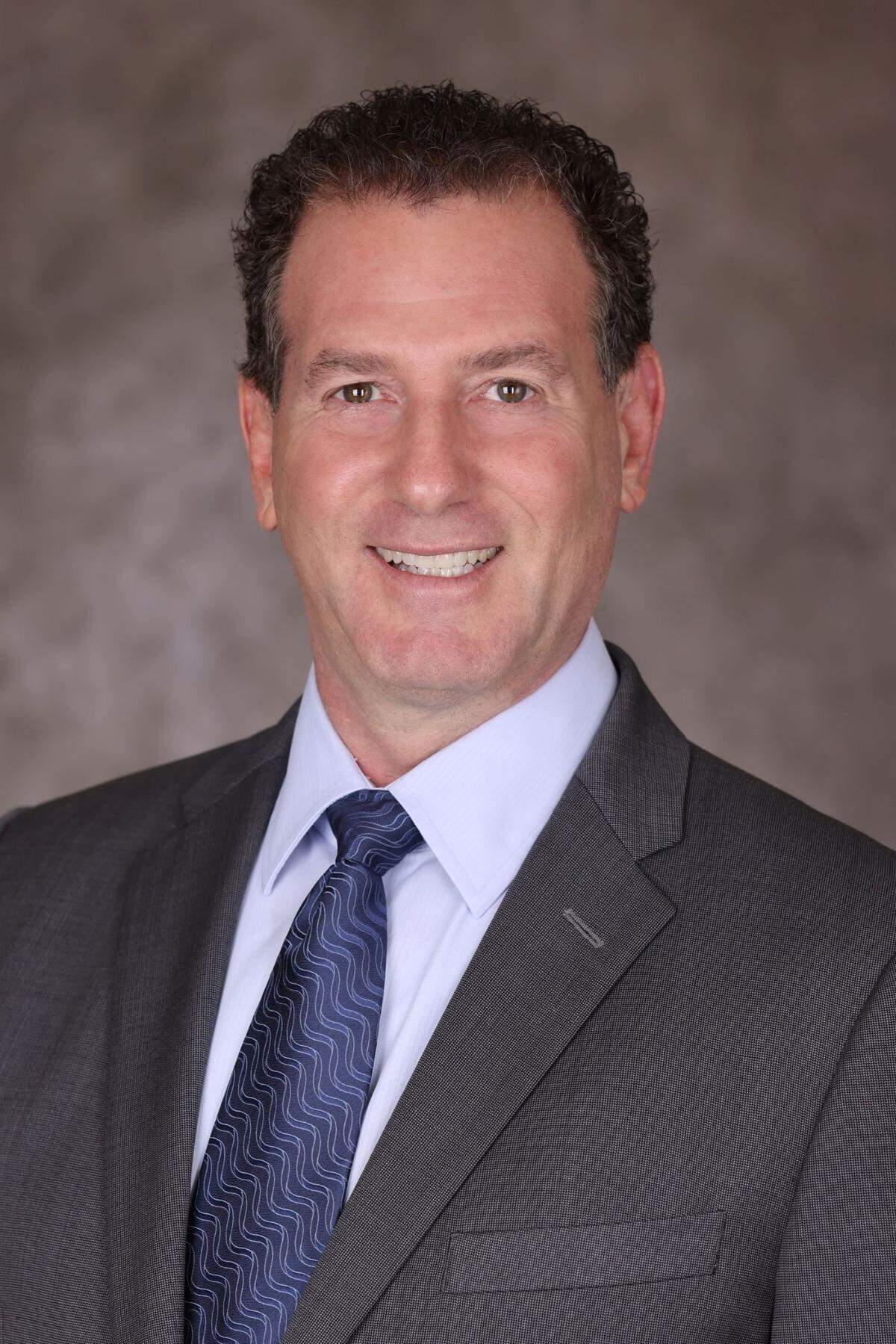
Gary M. Mars is a shareholder with the South Florida law firm of Siegfried Rivera who is board certified as an expert in community association law by The Florida Bar. He is based at the firm’s Coral Gables office and is a regular contributor to its Newsroom blog at www.SiegfriedRivera.com/blog. The firm also maintains offices in Broward and Palm Beach counties, and its 51 attorneys focus on community association, real estate, construction, and insurance law. www.SiegfriedRivera.com, GMars@SiegfriedRivera.com, 305-442-3334.