
Will struggling condo associations and owners get relief from Florida lawmakers?
After Florida legislative leaders indicated they were not in favor of a special session on condominium reforms but Gov. Ron DeSantis expressed his support for one, many association directors and residents began hoping for some relief from the imminent reserve study/funding deadline.
For them and all the affected condominium associations, hopes are likely to remain high for legislative changes to several aspects of the reforms started in 2022 after the the tragic collapse in Surfside in 2021.
Those new requirements for “structural integrity reserve studies” and related reserve funding are indeed extensive. All buildings occupied before 1992 must also complete a milestone inspection of their structural integrity by an architect or engineer by Dec. 31, as do buildings at least 25 or 30 years old depending on their proximity to the coast.
If a potential structural problem is detected and repairs are needed, they must be funded along with mandatory reserve funding for the repair/replacement of roofs, exterior paint, and other elements that are subject to deferred maintenance.
Prior to the new laws, milestone inspections were not required outside of Miami-Dade and Broward counties, but the changes enacted in 2022 and modified slightly in the ensuing years made them a statewide requirement with mandatory reporting to local authorities, unit owners and prospective buyers.
A recent Miami Herald op-ed article by Debbie Reinhardt of Florida’s Community Association Management Professionals (www.ceomcfl.com) focused on some areas for potential relief. She applauded the governor’s call for changes prior to the end of the year, and noted that at a minimum, extending the Dec. 31 deadline for compliance would be helpful.
Indeed, our firm has become aware of a number of associations that will be unable to achieve compliance with the new mandates by year end due to an issue that Reinhardt aptly described:
“There are less than a dozen qualified reserve study providers in Florida who provide quality, trusted reserve studies. How can 25,000 condominium buildings obtain a SIRS from a handful of providers within a period of two years? The answer: They can’t and they won’t. The math simply doesn’t work. To make matters worse, a cottage industry of unqualified reserve study providers has emerged,” she wrote.
As a result, her article indicates some associations are implementing dramatic and unnecessary assessments that could have been diminished if they were allowed the time to vet their study findings and conclusions. She makes a good point, which has also been borne out by our firm’s experience with associations that have been able to secure proposals from qualified contractors for sums that are well below their study estimates.
Access to low-interest financing for both associations and their individual unit owners to pay for structural improvements should also be high on lawmakers’ list of priorities. We have been seeing condominium associations secure loans for as much as $40 million for immediate repairs. Those loans enable them and their unit owners to pay such costs over years via budget increases and avoid exorbitant short-term special assessments.
Outside of Miami-Dade County’s Condominium Special Assessment Program and its loans of up to $50,000 to help unit owners pay for structural repairs, there are no government programs providing access to low-interest loans either to associations or owners to pay such costs.
Loans to condominium associations are backed by owners’ monthly assessments, so associations’ lien rights make them extremely low risk for lenders. With so many associations and unit owners struggling to meet the financial burdens stemming from the mandates of the safety reforms, the condominium market is now begging for a state-backed financing program offering low-interest loans to qualified associations as well as their unit-owner members.
There will likely be thousands of Florida condominium associations that will be unable to comply with the Dec. 31 deadline for reserve studies and funding. For them, they should consider making every effort to secure the necessary study from a qualified provider as soon as possible, and then expeditiously pass an interim budget in 2025 to reflect any changes. We also suggest that association leaders and members encourage their state legislators to provide some meaningful relief to the issues stemming from access to low-cost financing, the lack of reserve study providers, and allowances for the vetting of study conclusions.
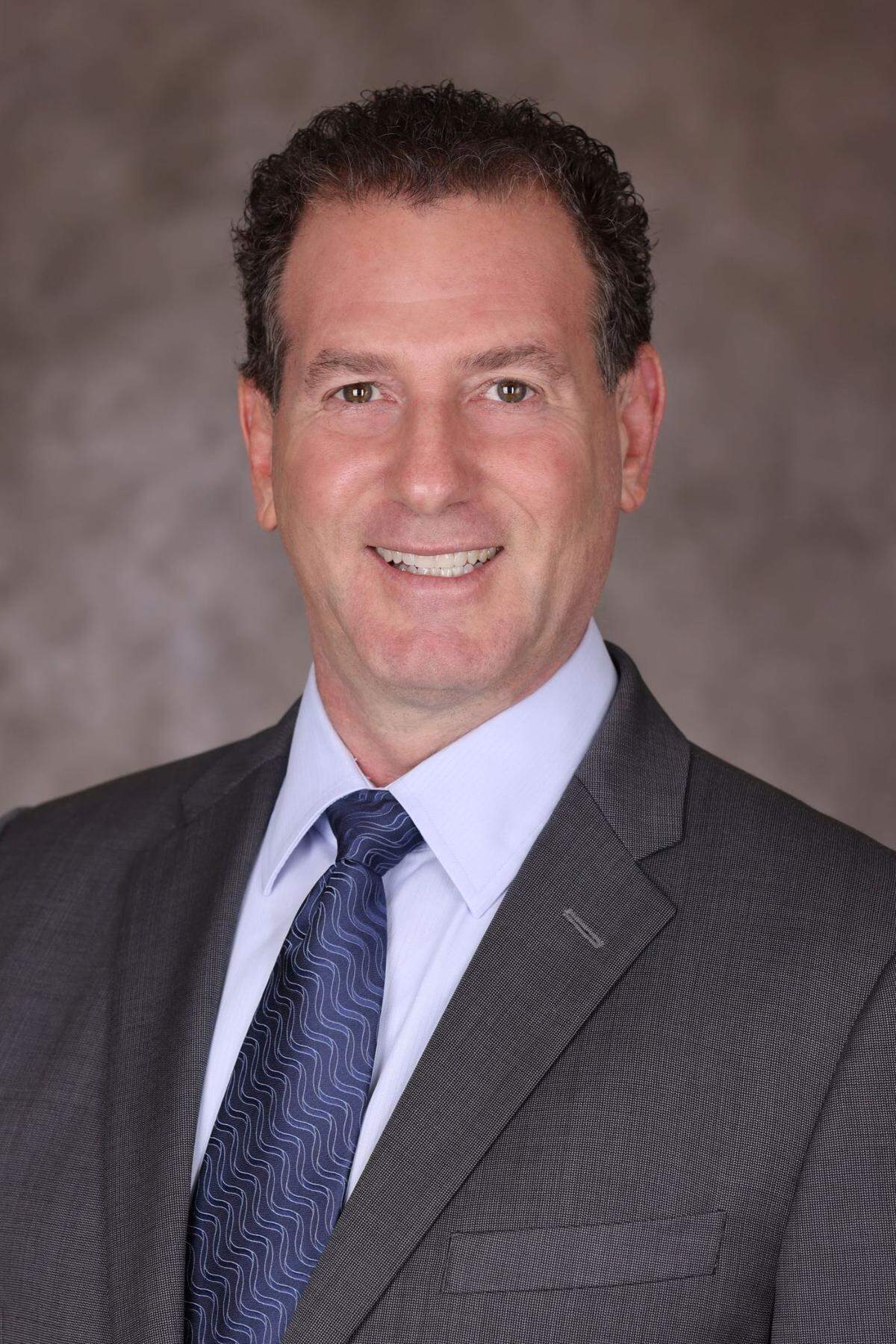
Gary M. Mars is a shareholder with the South Florida law firm of Siegfried Rivera who is board certified as an expert in community association law by The Florida Bar. He is based at the firm’s Coral Gables office and is a regular contributor to its Newsroom blog at www.SiegfriedRivera.com/blog. The firm also maintains offices in Broward and Palm Beach counties, and its 51 attorneys focus on community association, real estate, construction, and insurance law. www.SiegfriedRivera.com, GMars@SiegfriedRivera.com, 305-442-3334.