
Miami’s Cutler Bay suburb looks to build a civic ‘heart and soul’
When it was founded in 2005, the South Miami-Dade town of Cutler Bay — the former Cutler Ridge — was improvised out of a disconnected sprawl of early suburban subdivisions, strip malls, gated developments and apartment buildings straddling historic Old Cutler Road.
In the years since, the town of about 45,000 has developed into a low-key, close-knit, sought-after and solidly middle-class suburban community where the preferred mode of alternative transportation and socialization is the golf cart. There are even golf-cart parades at Christmas and Halloween and other festive times attended by hundreds.
But there’s one thing Cutler Bay never had: A central park, a place to evoke town identity and pride, a civic gathering place where residents can meet, play or enjoy a spot of nature. In short, a there there.
Now Mayor Tim Meerbott and town leaders are aiming to fix that. Like officials in several Miami-Dade municipalities formed in the incorporation wave of the past 25 years, they’re looking to retrofit what had been largely unplanned sprawl with the kind of places and amenities they say can foster community pride and closeness, and that many residents today expect.
But first they have to sell voters on the proposal at a time when many are leery of government spending and big plans. To overcome skepticism, Meerbott, other elected leaders and town manager Rafael Casals have taken what’s in some respects an unusually creative approach, including drafting a University of Miami architecture class to flesh out concepts for the hoped-for town center.
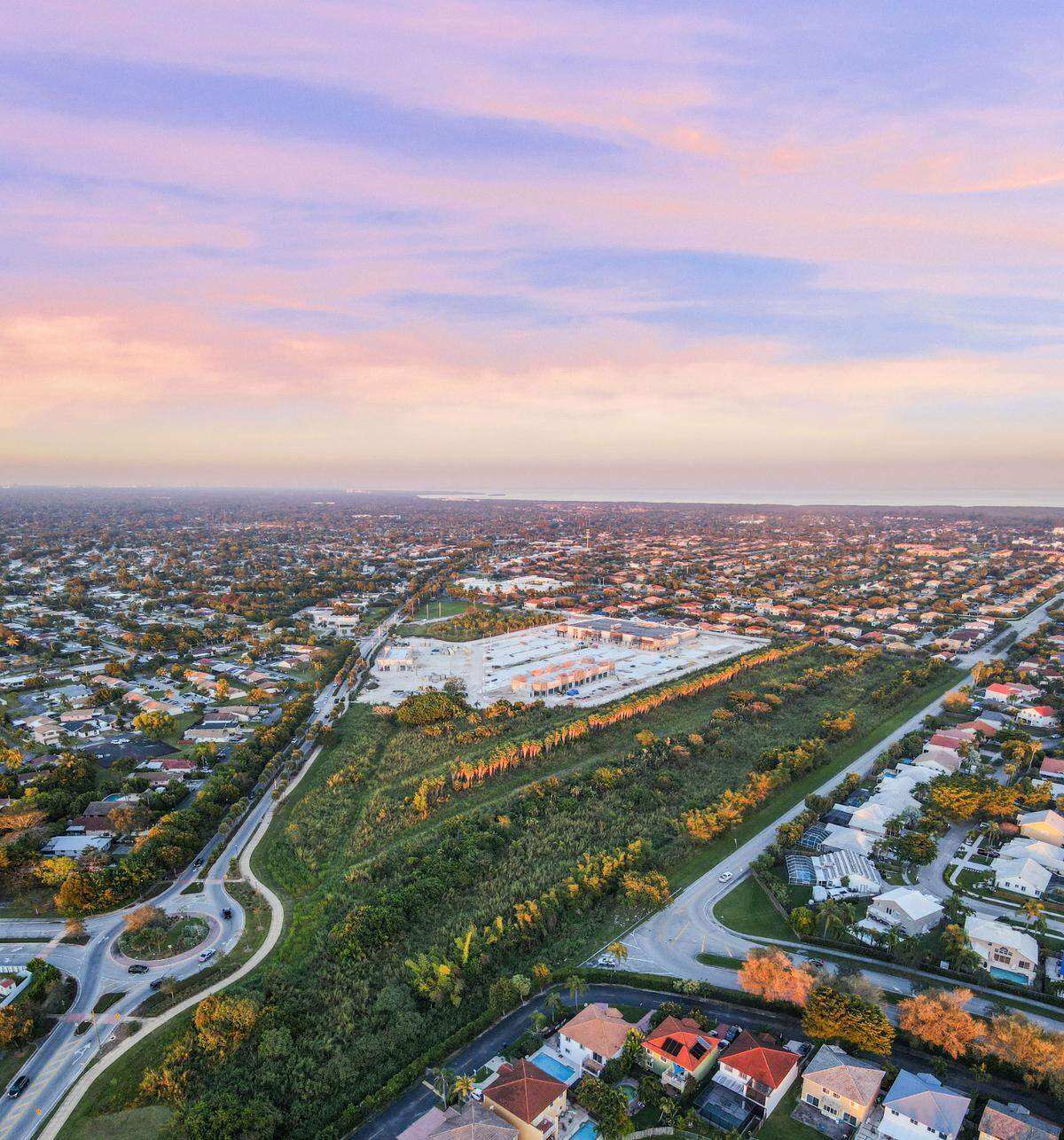
In Cutler Bay’s case, the town center idea has taken the shape of a plan to convert a long-vacant, 16-acre plot of former farmland smack in the middle of the town into what the mayor calls its “heart and soul.”
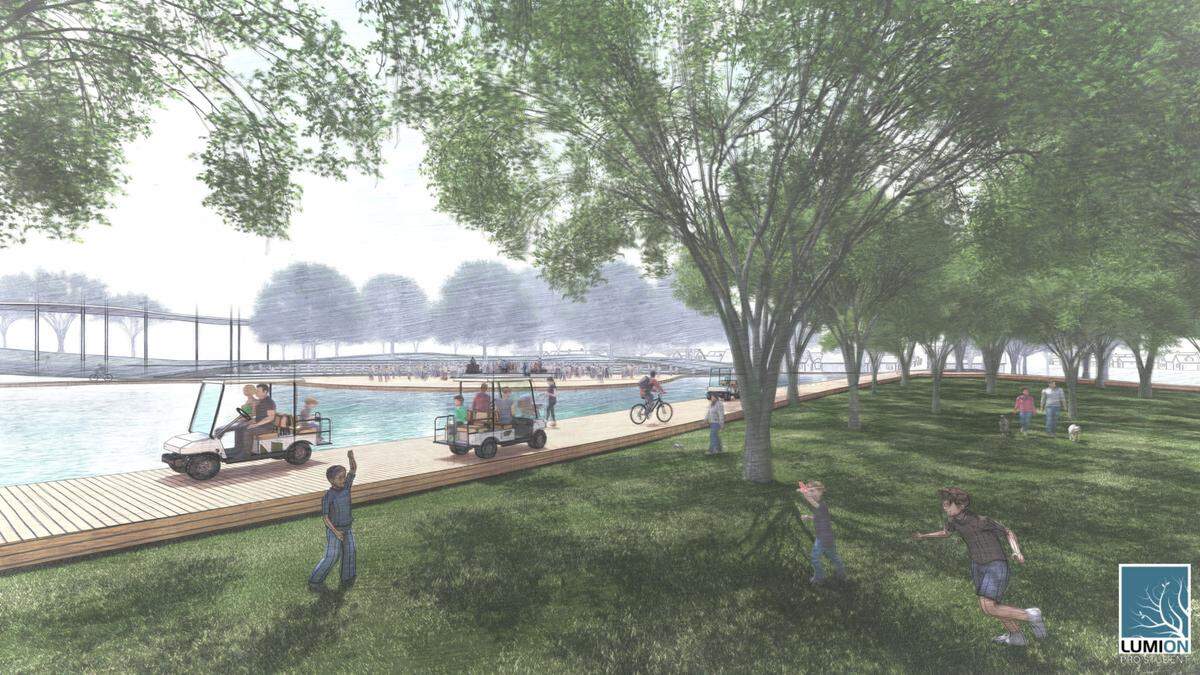
They’re asking the town’s voters to approve a bond issue of up to $37 million to build an expansive “Legacy Park” on the property, which the citizens of Cutler Bay already own, while setting aside about three acres for a new town hall, police department and community center. The town has a couple of small parks, but they’re neither central nor large enough, Meerbott said.
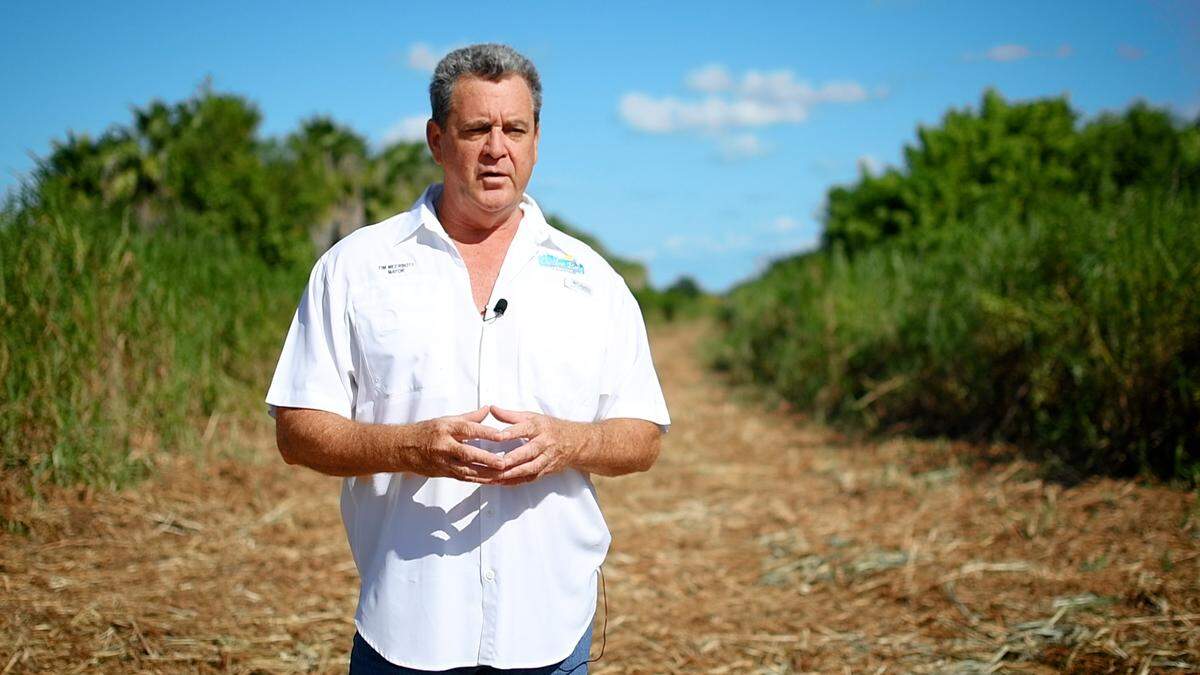
“It’s a small-town, Norman Rockwell-type of feel we have that you don’t get anywhere else, but there’s no place you can call the heart and soul of the community,” Meerbott said. “For our town, we want to make sure that sense of community lives on. This is a legacy that would live long beyond us.”
In an attempt to secure as high a turnout as possible, the bond referendum is mail-in only. The town has mailed ballots to all 28,800 registered voters in Cutler Bay. The ballots must be received by the Miami-Dade elections department by 7 p.m. on March 22. That should give voters ample time to study the proposal and make up their minds, Meerbott said.
It’s the town’s second stab at winning voter approval for the long-germinating idea. In 2018, in a low-turnout election, also conducted only by mail-in balloting, a previous proposal failed by 185 votes.
But the town is going about it differently this time. In 2018, Cutler Bay asked voters to approve spending up to $40 million in bond proceeds, but had not secured property and had no conceptual plans showing residents what the contemplated town center and park might look like. The town took the blame for a failed proposal officials called “too vague.”
So, in 2020, the town made an unusual land-swap deal with the owners of the long-vacant tract, former agricultural land that had not been farmed in years. The town and GCF Investments agreed to trade a 16-acre piece of the vacant property for the underused office building housing town hall.
Cutler Bay had bought the building in 2010 hoping to lease most of it to commercial tenants, but those largely failed to materialize, meaning the town coffers were drained at the rate of $750,000 a year on it, Meerbott and Casals said. The town gave GCF ownership of the office building, valued at $14 million, plus $3 million in cash for the 16 acres. GCF retained 12 acres next door to develop a Publix-anchored shopping center that is now under construction, and three separate acres to build a restaurant on Old Cutler that would sit at a carved-out corner of the possible park’s boundaries.
Cutler Bay leaders acknowledge that some residents have been wary of the proposal, raising concerns over cost and the ability of the town to stay within its budget. Meerbott and Casals note the town gets top ratings from the state for frugality and fiscal efficiency.
Another potential sticking point with some residents is the $8 million the town spent in 2018 to buy eight acres of environmentally sensitive former pine rockland fronting Old Cutler that had been slated for development. That land is now earmarked for ecological restoration and won’t be developed.
Another concern raised by some residents in WhatsApp chats and exchanges on the Nextdoor app is the traffic the park and town center might generate, said Michelle Steele, president of the homeowners’ association at Cantamar, a community of 246 single-family homes near the proposed park.
But Steele, who supports the town center proposal, said she thinks the traffic worry is eclipsed by the plan’s benefits and represents a minority position in Cantamar and Cutler Bay, so long as green space is maximized and building footprints kept to a minimum. The park should be mostly simple, passive and not loaded with features, in her view.
“I would say 90 percent are on board with it,” Steele said, referring to town residents. “The majority of people want to keep it as much a green space as possible — we’re all for outdoor picnics — and to stay away from as many buildings as possible. I don’t think we need a state-of-the-art park. It should be a beautiful green space. And maybe we don’t have to spend the whole bond up.”
Meerbott and Casals say the plan offers town residents a good deal for several reasons:
▪ For instance, the restaurant, which would abut parkland and civic buildings, is the kind of amenity Cutler Bay lacks and needs, and would complement the town center concept.
▪ The town saved substantially by drafting the studio class of UM architecture professor Erick Valle, whose private firm specializes in planning of traditional neighborhoods, to develop nine feasible and peer-reviewed conceptual frameworks for Legacy Park, complete with computer renderings and built models. That cost the town about $20,000, instead of the six-figure fee a consultant would have charged.
▪ It also means town residents have a broad variety of proposed features, including lakes, amphitheaters, promenades, indoor basketball courts and other potential features and layouts to consider. Meerbott and Casals stress, however, that none of the plans is by any means a final vision; that would emerge from a series of public meetings only if and when the bonds are approved.
▪ By acquiring the 16 acres, the town permanently blocked the chance it would be developed commercially. Existing zoning rules would have allowed 480 units of housing on the site, exacerbating congestion on narrow Old Cutler that is already dire at rush hour.
▪ The $37 million figure represents a hard cap. But the plan does not obligate the town to spend the full $37 million, if approved. Residents would decide the scope and cost of the plan to be built with town officials and planning and design consultants who would be brought in to develop it.
“We’re going to build what the people want and what we can afford,” Meerbott said.
▪ Any new buildings on the site would meet the standard for environmentally friendly LEED certification.
▪ The bonds would not significantly hike Cutler Bay homeowners’ property taxes. A chart drawn up by the town puts the average taxable value of a Cutler Bay home at $138,577 and the resulting annual additional tax to cover the bonds at $89.
Steele, the Cantamar HOA president, said that cost is a relative bargain. Her yearly tab would come to around $144, she said.
“I understand that some families are struggling,” she said. “But, to me, I pay way more than that for my gym membership or yoga classes. And this park could be an amenity where you offer outdoor yoga and other activities for the town.”
Meerbott, town council members and city officials have been hosting public informational meetings, handing out fliers and even knocking on doors to let people know about the upcoming vote and proposal.
“What I’m telling people is, ‘This is an opportunity to invest in your town.’ The idea is to be as transparent as possible,” the mayor said. “It’s a big decision.”