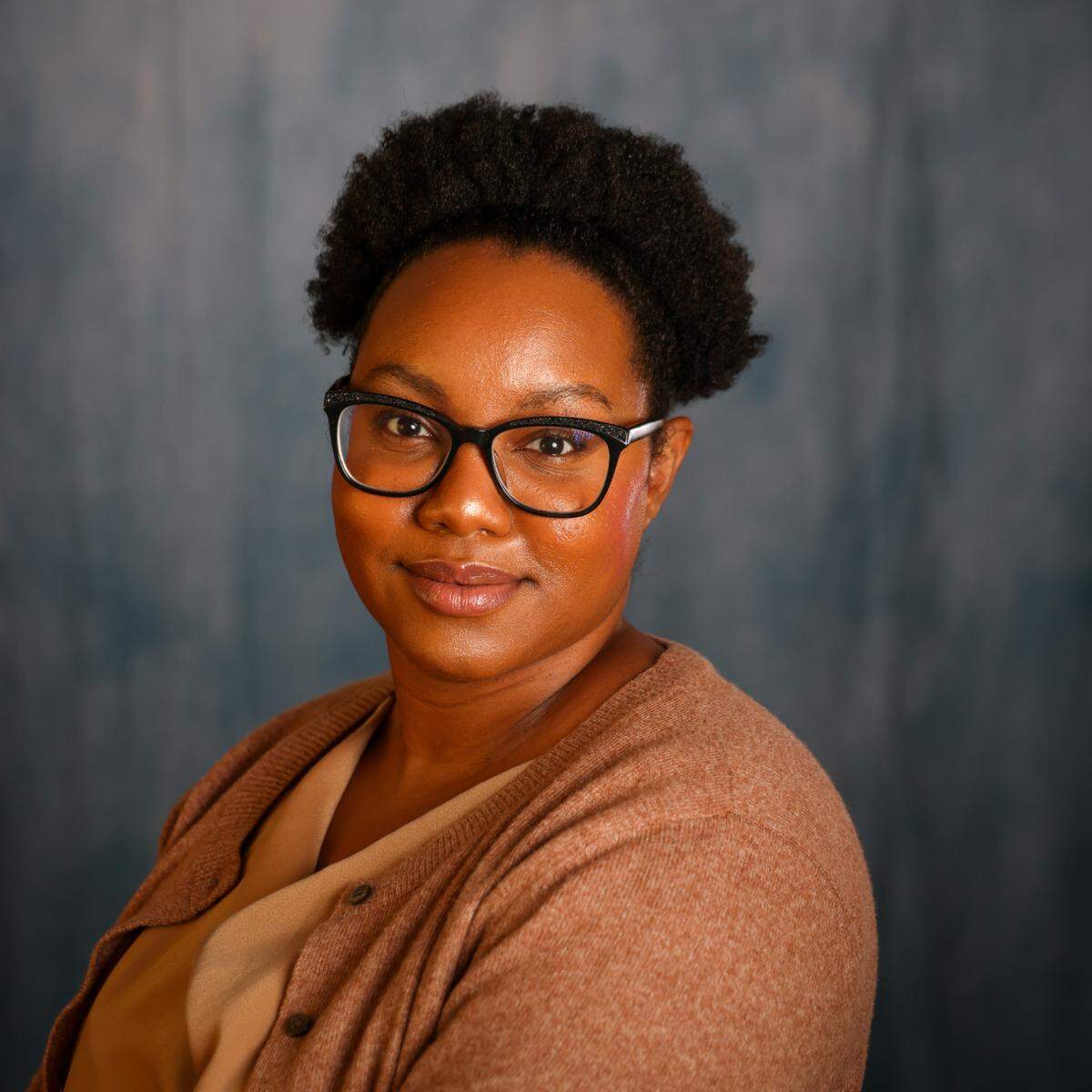
Miami bank exec explores how confronting shame can unlock success in new podcast
Growing up, Teri Williams was in awe of her great-grandmother Annie Coachman, the only Black woman business owner in their segregated Black community Booker Park in Indiantown, Fla.
Williams followed Coachman, affectionately called Ma Honey, to collect rent and to work in the penny candy store.
But those Indiantown roots and the pride Ma Honey instilled in Williams shrank when she went to Brown University, where she was made to feel ashamed of her small-town roots. She suppressed the memories of her Ma Honey due to “undeserved shame.”
It wasn’t until Miami muralist Addonis Parker asked Williams about her background and how it shaped her that she reconnected with those memories. “I sort of buried my roots from the first 17 years of my life and that shame,” she said.
Seeing Ma Honey manage the penny candy store and collect rent shaped Williams’ own goals. “I viewed my experience at Indiantown as being disconnected from my success, when what I learned was this was the whole reason for my success,” she said. “That early learning is what made me want to major in economics and go to business school. I didn’t even realize I had had that training.”
.
Now, Williams, president of OneUnited Bank, is co-hosting a podcast with CEO of Circle of One Marketing Suzan McDowell, called “Who’s Your Ma Honey?” to shed light on others’ undeserved shame and how confronting it can unlock healing, confidence, and even economic empowerment.
%202.jpg "Annie Coachman (Ma Honey) 2.jpg")
The podcast, which releases Thursday, features interviews with prominent Floridians such as Congresswoman Frederica Wilson, activist and mother to the late Trayvon Martin, Sybrina Fulton as well as national figures such as SiriusXM radio personality Karen Hunter and President and National Urban League CEO and former mayor of New Orleans Marc Morial.
The show seeks to reframe how people think about secrets and gets to the root of the guest’s undeserved shame.
“The experience of each guest is very unique, but at the same time universal,” Williams said. “I feel as though my shame is felt by a lot of Black folks that went from segregated to integrated communities…and went into these environments and then left our roots and became ashamed of our communities.”
Williams said the podcast often explores Black generational wealth, a topic she learned about on those days following her great-grandmother around. Williams said her Ma Honey owned a laundry service, a juke joint, bought real estate, owned a barbecue pit and a penny candy store, which helped keep her family afloat when her husband died in his 40s and she had to support two children.
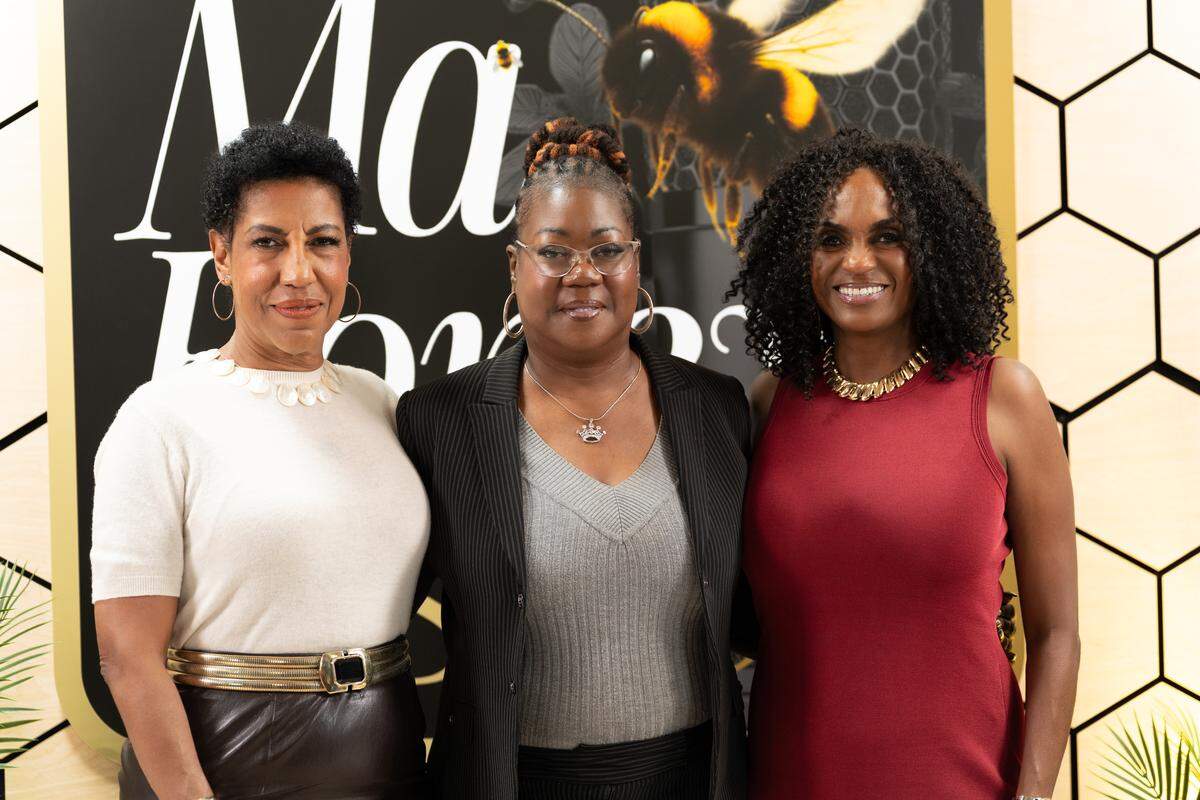
While Williams learned a lot of her financial responsibilities from Ma Honey, she also learned what it meant to foster community – something she hopes the podcast does.
“This isn’t just about dollars and cents,” she said. “This is about building community.”
The 10-episode podcast premieres Thursday on YouTube, Apple Podcasts, Spotify, Audible, and wherever podcasts are available.