
Is there liquor in that Miami cocktail? Florida firm helps craft a workaround
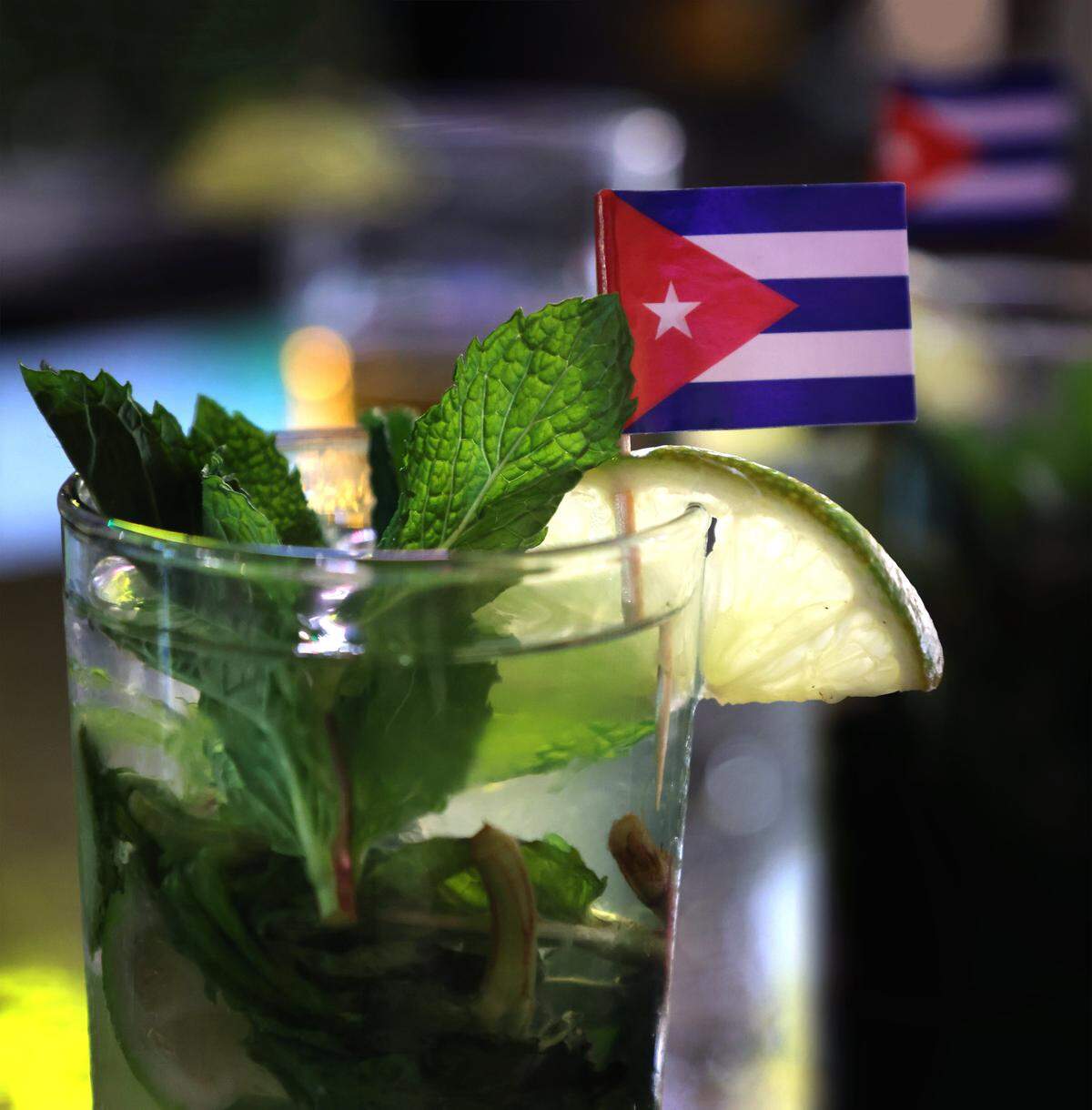
During a busy happy hour at a Calle Ocho restaurant, tourists grab seats outside the popular El Cristo. Wearing a tropical print shirt, Ben Parker, visiting from Kansas City, gazes at the colorful mojitos and other drinks on the table next to him. And he finds inspiration for his order.
Fun is his focus, and he doesn’t care if the drink he orders is a wine-based cocktail, without a drop of hard liquor.
“To me, it really doesn’t matter,” he says.
That’s just how Miami-based Premium Blend president Gino Santos likes it.
“I really believe in my heart that we’re helping people.” said Santos, 65. “We’re helping small family bars.”
Through Premium Blend, Santos sells wine-based liquor substitutes to restaurant and bar owners that can’t purchase expensive liquor licenses. In Miami-Dade County, liquor licenses can cost between $225,000 and $235,000, according to Rob Lewis, founder of Spirit Law Partners, a law firm that works with alcohol business professionals.
Premium Blend’s wine-based substitutes are still alcoholic, but don’t qualify as liquor. A less expensive license is needed for wine and beer.
An alternative mojito is 48-proof — less intoxicating and less expensive than your typical mojito made with 80-proof rum.
Roots of a new cocktail
Gino Santos was born in Havana, Cuba. In 1965, Santos and his family shared one suitcase when they moved to Newark, New Jersey. His father, Orestes, was a known songwriter in Cuba and wanted to be close to New York City.
When Santos was 10, his family moved to Hialeah. His father owned a Miami Springs nightclub called The Safari, and at 12, Gino Santos worked as the cashier. There was one catch: His father had to use a liquor license from a store next door.
“I was 12, but every Friday and Saturday night I was working the cash register,” he said. “If you lose [your liquor license], the food sales aren’t going to make up for it.”
The experience would shape Gino Santos’ perspective on how crucial having a liquor license was for a restaurant or bar.
In 1982, Santos began studying for his bachelor’s degree at Stetson University and later earned his master’s degree at the University of Miami. After graduation, he worked for a company that sold frozen cocktail machines.
When the owner decided that he wanted to sell, Gino and his brother Henry each put in $2,000 to buy the business in 1990, and decided to start selling wine-based liquor substitutes to clients.
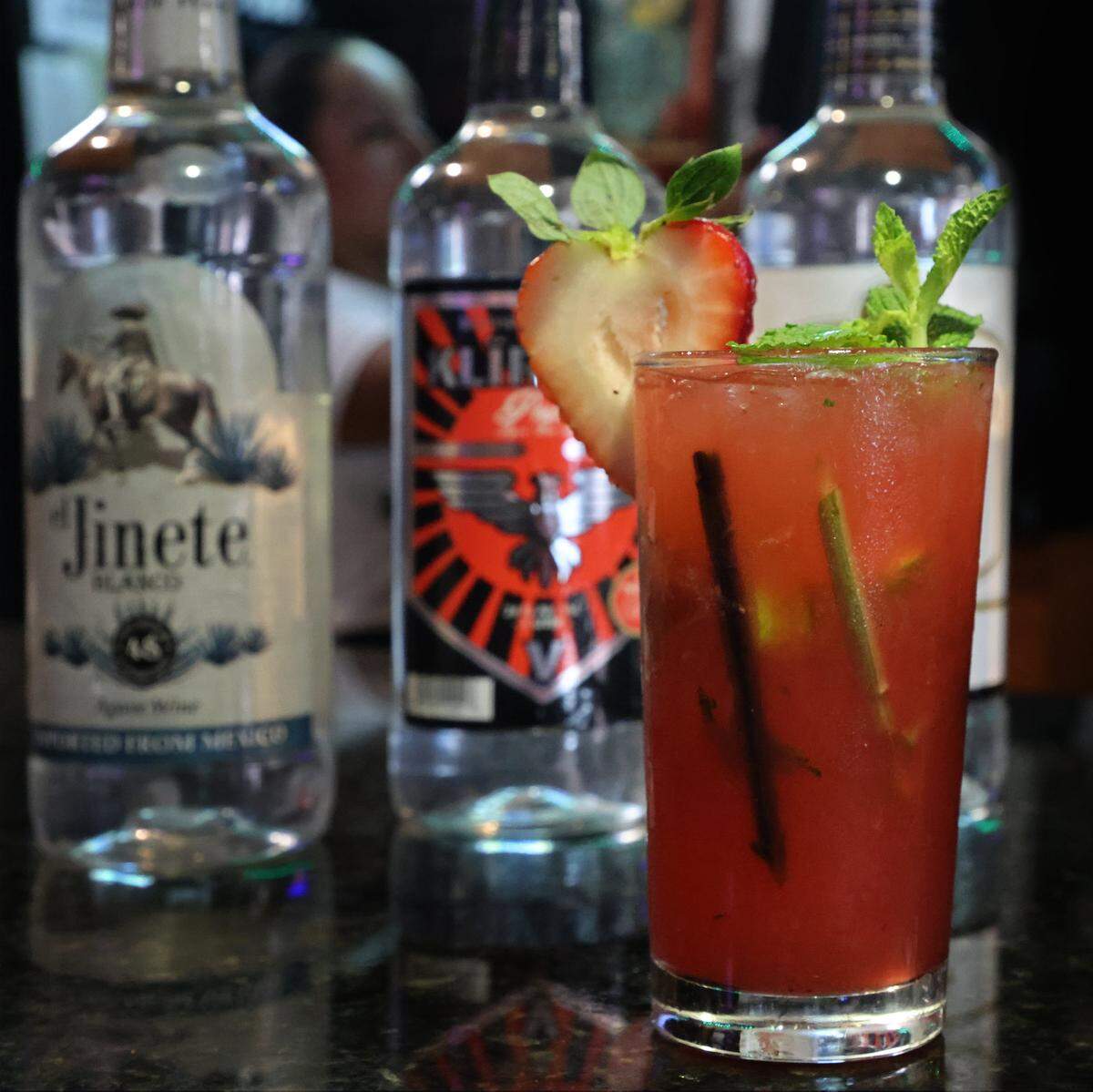
Wine-based liquor substitutes have alcoholic content and are extracted from wine. The resulting liquid is then flavored or added to cocktail ingredients to produce beverages that imitate cocktails made with hard liquor.
Santos says that his product is the most expensive among his six national competitors’ “cheaper” alternatives.
“To show you the desire ... of the first 10 people I talked to, eight people ordered,” Gino Santos said of his new wholesale clients. “We started visiting restaurants in South Florida, and we were at a lot of trade shows or festivals.”
Building a drinking business
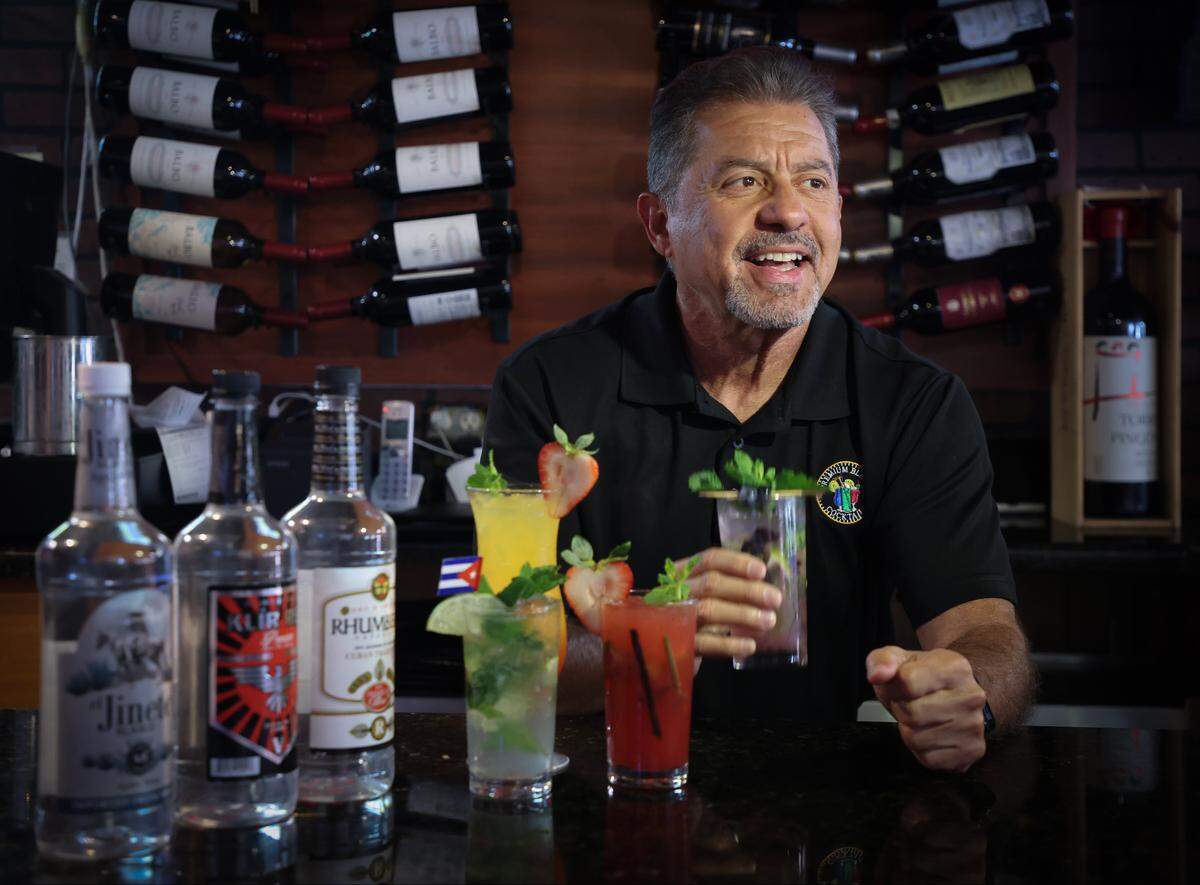
In 1995, Santos got a big break when he picked up his first out-of-state distributor in South Dakota. Soon, he snagged a client in California, the biggest alcohol market in America, and a company salesman did so well there that Premium Blend opened an office in the Golden State.
Santos has talked to people who assumed that the pandemic was a good time for the alcohol business, but he said it was the opposite. Much of his business relied on customers going to restaurants for a drink, and at the time, everyone was getting food and wine delivered at home.
“Our biggest accounts [during the pandemic] were Mexican restaurants owned by equity firms,” he said.
Purchasing liquor licenses can be expensive for small business owners. The licenses can begin at $100,000 and can be as expensive as $1 million. The range varies in price because of different factors like the size of a county’s population. Location is also important because liquor licenses cannot be given to businesses that are considered to be too close to churches or schools.
In Florida, licenses are given out based on the number of people that live in a county. To have the opportunity to purchase a license, a business must win an annual lottery. License brokers purchase multiple licenses and sell them to businesses that want to sell liquor.
“Pre-pandemic, the license values were better than they are today,” said Lewis, of Spirit Law Partners. ”The scarcity of licenses and increased demand post-pandemic has caused prices to rise, and in some cases skyrocket.”
Over time, alcoholic alternatives like wine coolers entered the marketplace and current trends indicate that many young adults drink less than previous generations. A Gallup poll showed that only half of young adults reported drinking in 2025 compared to 59% in 2023.
Santos remained unfazed — an advantage of the wine-based substitutes he sells is that they can be used for various types of cocktails such as mojitos or margaritas.
President Donald Trump’s changes to tariffs have led to increased costs for Santos. While many of the products are manufactured in Mexico and Central Florida, some are imported from Spain.
“We work with a plant in Mexico and luckily have been dodging bullets there,” Santos said. “We import from Spain and just got hit with a 15% tariff.”
What customers think
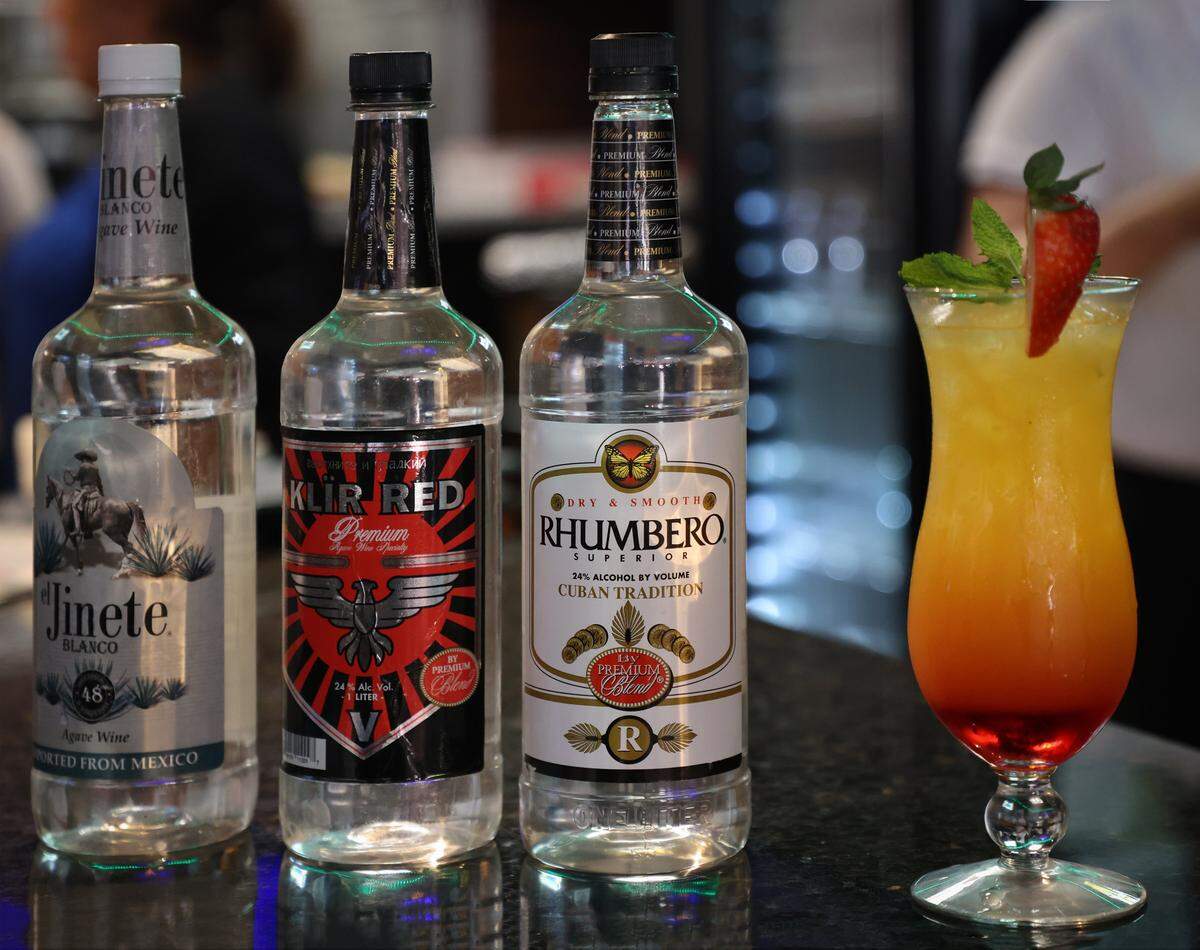
Looking ahead, Gino Santos wants to create wine-based liquor products that can be sold on store shelves. Changes in consumer behavior have led to a beverage marketplace that has people buying fewer alcoholic beverages.
Jose Santana has owned El Cristo, 1543 SW Eighth St., since 2003. He has used Premium Blend products for the past five years. El Cristo menus indicate to customers that the drinks are made with wine-based substitutes.
Those alternatives help restaurants like El Cristo sell cocktails and mixed drinks, which don’t need hard liquor and can work fine with wine, Santana said.
He noted that customers generally don’t care if they are drinking a wine-based substitute, and can go to a nearby Calle Ocho bar like Ball & Chain if they want hard stuff.
“They don’t care because it’s a cocktail,” he said. “Basically, what we do here is cocktails. We don’t have straight [liquor] drinks.”
For Gino Santos, the satisfaction of helping small business owners has a reward. Many Premium Blend customers eventually make enough money to take the next step.
And that makes him happy.
“We’ve had customers sell so many cocktails that they’ve been able to get a liquor license,” he said. “They’ve told me they couldn’t have done it without Premium Blend. There is a sense of pride, and we’re also giving back in that aspect.”
This story was originally published November 27, 2025 at 5:00 AM.
%20Cropped.jpg)