Why did this Miami Fresh Market fail inspection? Start with mold on produce
Mold on berries and food storage safety violations that caused a plethora of deli counter food to be trashed made for an unhappy state inspection at a Miami Fresh Market.
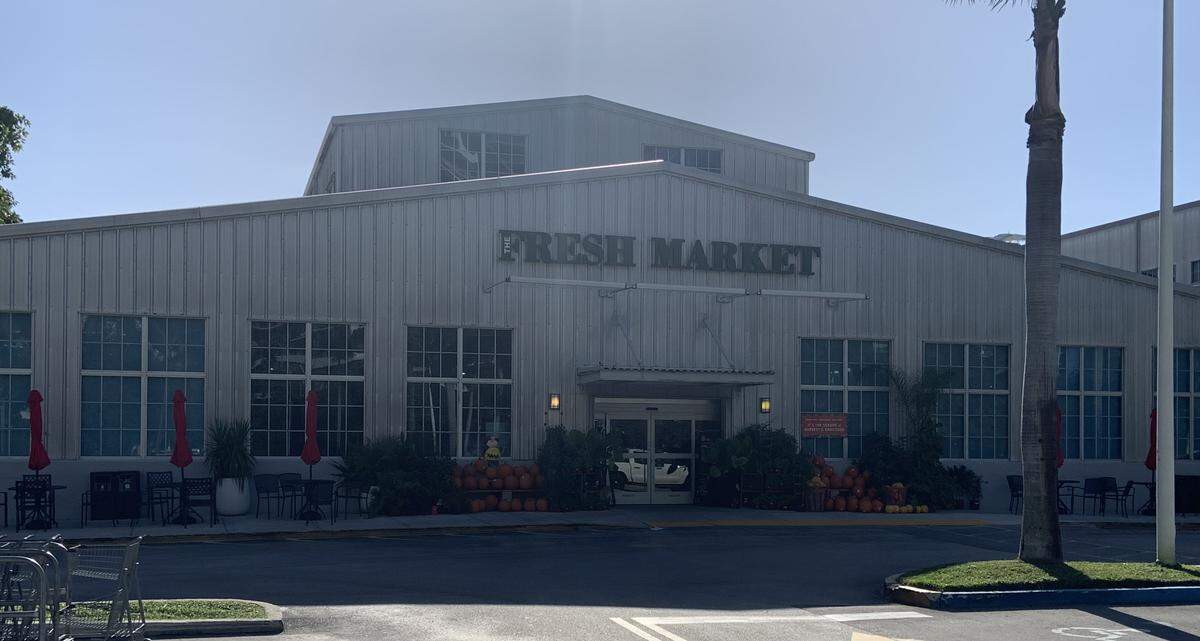
Those weren’t the only problems found Tuesday at The Fresh Market in Coconut Grove, 2640 Bayshore Dr.
On the upside, Florida Department of Agriculture and Consumer Services inspectors Ashley Montanez Bradshaw and Lourdes Chantez didn’t find any rodent, roach or fly problems nor did they have to slap a Stop Use Order on any area or equipment.
On the downside, they did find the following and more.
MORE: IHOP rodents. Little Caesars maggots. 18 South Florida restaurants fail inspection
Two 6-ounce packs of berries, one of blackberries and one of raspberries, at the reach-in produce stand near the flower section up front had “mold-like matter.” Stop Sales came down on each.
A deli area employee washed hands, dried them on an apron (that’s a no-no), then didn’t wash hands “between entering and exiting the various processing areas to handle clean utensils/equipment/food items” and before putting on gloves to work with open food.
Maybe the deli area employee used the apron because there were no paper towels or hand dryer at the deli area handwash sink near the reach-in salad case. One of the produce area handwash sinks had the same deficiency.
Yes, even before wearing gloves, food workers are supposed to wash their hands, something a meat department employee found out after failing to do so.
The bakery area handwash sink was “blocked by baking racks.” The baking trays on baking racks “used for baking bread have a buildup of grease residue.”
MORE: Another radioactive shrimp recall involves Publix and Albertsons store brands
“Tongs to be used with foods were washed, rinsed, but not sanitized and were going to be used wet, without an air dry.
“Dirty equipment used the prior day for food preparation hadn’t been cleaned at least every four hours.”
MORE: Maggots on decaying rodents, gnawed bags of food at Miami restaurant supplier
“Boxes of deli food items were stored directly on the wet floor near the entrance to the produce area.”
Store-made warm breakfast sandwiches measured 97 to 99 degrees more than two hours after they were made. They needed to be at or above 135 degrees. Stop Sales on each.
In the deli area, so much food got hit with Stop Sales for not being at or under 41 degrees that the listing of them on the inspection ends with “etc.” — “Chicken, tuna salad, pasta salad, meatloaf, meatballs, apple salad with cut kale, kale cabbage salad, etc.”
(Lesson learned — Saturday morning, meat display cases at this Fresh Market were empty because the display cases couldn’t keep the meat at or below 41 degrees. All meat usually available remained available, but were being kept in the cooled back areas.)
“Animal food that is raw, undercooked or not otherwise processed to eliminate pathogens is served or sold in a ready-to-eat form or as an ingredient in ready-to-eat food” must come with a warning about increased risk of eating these foods. There was “no consumer advisory for undercooked flank steak.”
“Plastic containers of reduced oxygen-packaged tuna are thawed with the package uncut or removed prior to thawing.” Reduced oxygen-packaged seafood needs to be taking out of that packing before thawing, or it can turn into a petri dish of bad bacteria breeding.
In the prep room for deli meals, the “warewash sink sanitizer had a concentration of 500 parts per million,” which is at least twice the good amount. That’s well into the too-much-of-a-good-thing zone.
This story was originally published October 18, 2025 at 4:29 PM.