Why Miami and Doral companies are adopting crypto for Latin America deals
Traditional businesses in Miami and Doral — two cities with a strong Hispanic business presence — are adopting cryptocurrencies to carry out transactions with Latin America. They’re not doing it to follow a trend, but out of necessity.
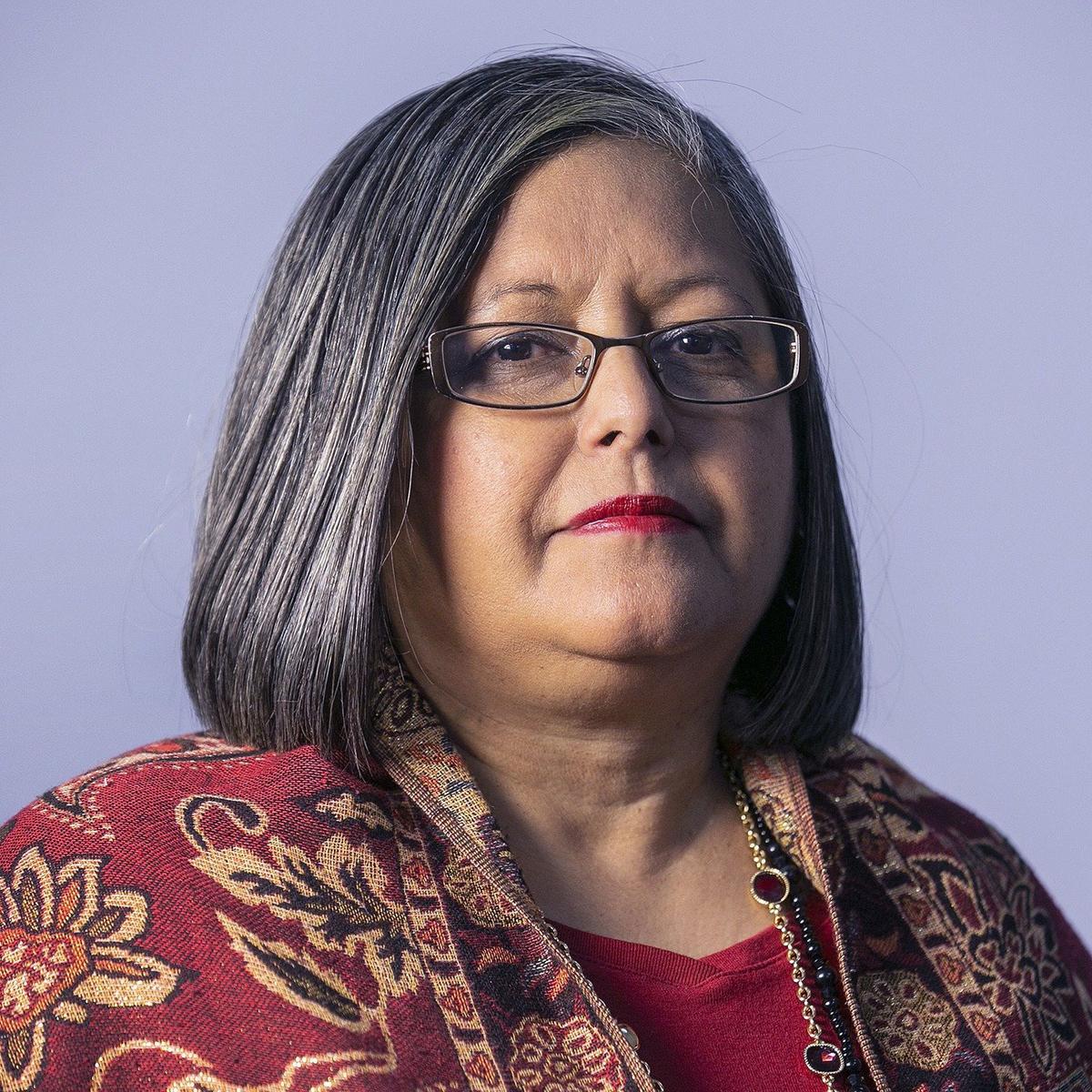
María Eugenia Gómez, executive director and founder of Cellular Wholesales, began using a cryptocurrency over a year ago at the request of her Latin American clients, who are cell phone distributors.
“We’ve been accepting crypto for a little over a year now. And the need came from the clients, basically. They were the ones who started requesting payment, let’s say, as an option,” the businesswoman told el Nuevo Herald.
Before taking that step, Gómez had rejected the proposal from three clients. But then she did her research, learned about it and decided to create her own crypto wallet.
The trend, driven by client demand and the advantages of blockchain technology, reflects a shift in Hispanic international trade.
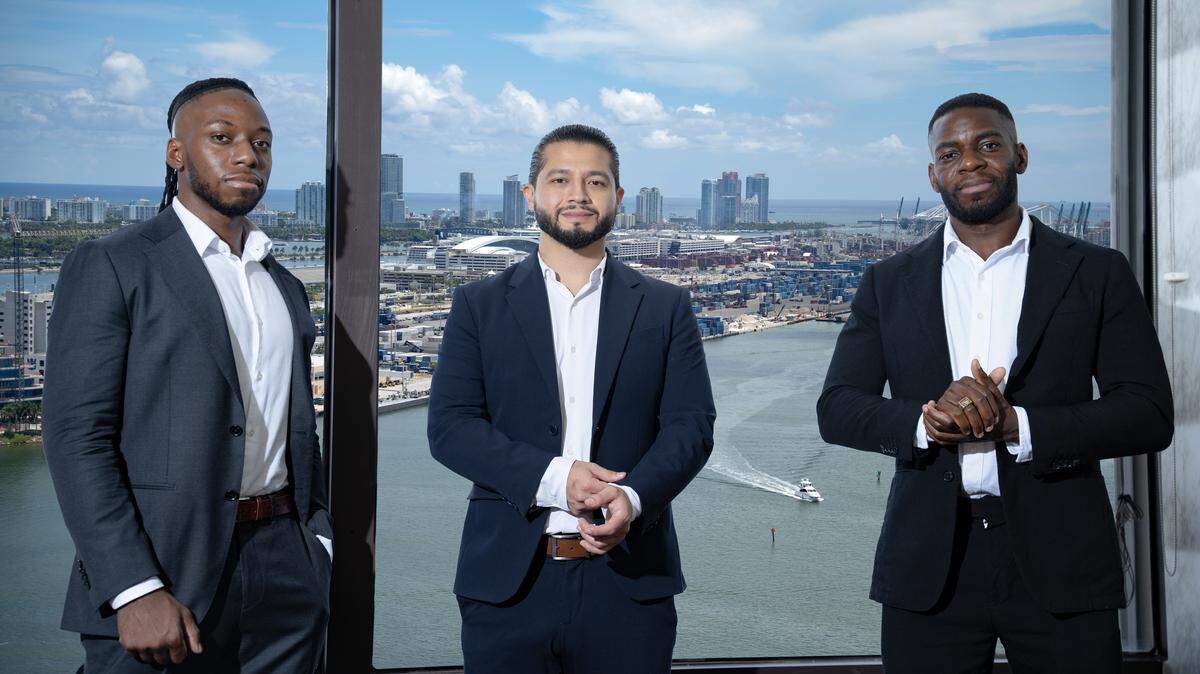
Luis Carchi, co-founder of the platform Shield, who manages millions of dollars in payments between U.S. and Latin American merchants, said that in the two South Florida cities there was initially fear of using cryptocurrencies for business due to misinformation.
He explained that he and his two partners, Emmanuel Udotong and Isaiah Udotong, have helped educate businesses on regulations and streamlined the process so they can receive crypto payments easily and legally — connecting strong international demand with U.S.-based companies.
While testing different apps, they identified a demand: U.S. companies that needed to accept crypto payments but lacked the knowledge to do so. This led them to develop their business model.
At first, they faced skepticism. But they persisted and now process $40 million in monthly transaction volume — a fortyfold increase compared to the $1 million they processed a year ago, Carchi told el Nuevo Herald.
“We’ve seen incredible demand for these services,” said the Ecuadorian-born executive.
Use of digital dollars
Shield is a neobank specifically designed for global trade companies. It helps U.S. exporters accept payments in stablecoins (USDT) or other cryptocurrencies, facilitating trade through digital currencies.
The platform helps clients do business with companies in Colombia, Brazil, Peru, Argentina, Bolivia, Paraguay, Uruguay, Ecuador and Panama.
These companies benefit from the speed and cost savings of blockchain payments, without the constant fear of account closures or unjustified delays. It also allows them to access entirely new markets, according to Shield.
Carchi emphasized that the use of USDT (digital dollars) has grown significantly in countries with currency issues, such as Bolivia, where dollar reserves have declined, and in some Caribbean nations.
“Bolivia is an interesting case because due to a shortage of oil and gas, they started importing using USDT or cryptocurrencies because there were no dollars. So, this is an example where virtual dollars or USDT are an alternative,” he said.
In Argentina, Africa and Asia, USDT has also been adopted amid high inflation and dollar shortages, he noted.
Benefits of virtual currencies
Andrés Cardona Ortíz, CEO and co-founder of Smart One Corp., said: “We saw a great option to organize international payments through USDT, a stablecoin pegged to the dollar that greatly facilitates transactions with our clients in Latin America.”
The company uses this digital currency for international payments and collections in its wholesale tech distribution business, which includes Nintendo and PlayStation consoles, phones, computers and other products.
They work with clients in Chile, Colombia, Argentina, Ecuador, Peru, Central America and “we’re growing rapidly in Mexico.”
He highlighted that one of the biggest advantages of using digital currencies is the speed of transactions and the growing public trust in cryptocurrencies — especially in stablecoins.
“More and more businesses are accepting cryptocurrencies, and I see Miami and Doral as pioneering cities in the use of digital currencies,” the Colombian businessman said.
Gómez, of Cellular Wholesales, emphasized three key benefits:
- Meeting clients’ need to pay with USDT, especially in South American countries where buying dollars is difficult
- The speed of transactions, which are instant compared to the two days it can take for a bank transfer.
- Security, since transactions are irreversible — eliminating problems like bounced checks or reversed wire transfers.
The Argentinian entrepreneur does business with Argentina, Ecuador, Honduras and the U.S.
“Honestly, for me it’s something revolutionary — especially from the perspective of economic independence — because you stop depending on an institution. You have money in a wallet, you control it, and you can use it freely,” she said.
In June, the U.S. Senate passed the “Genius” bill to create a regulatory framework for cryptocurrencies pegged to the U.S. dollar.
This story was originally published September 25, 2025 at 5:36 PM.