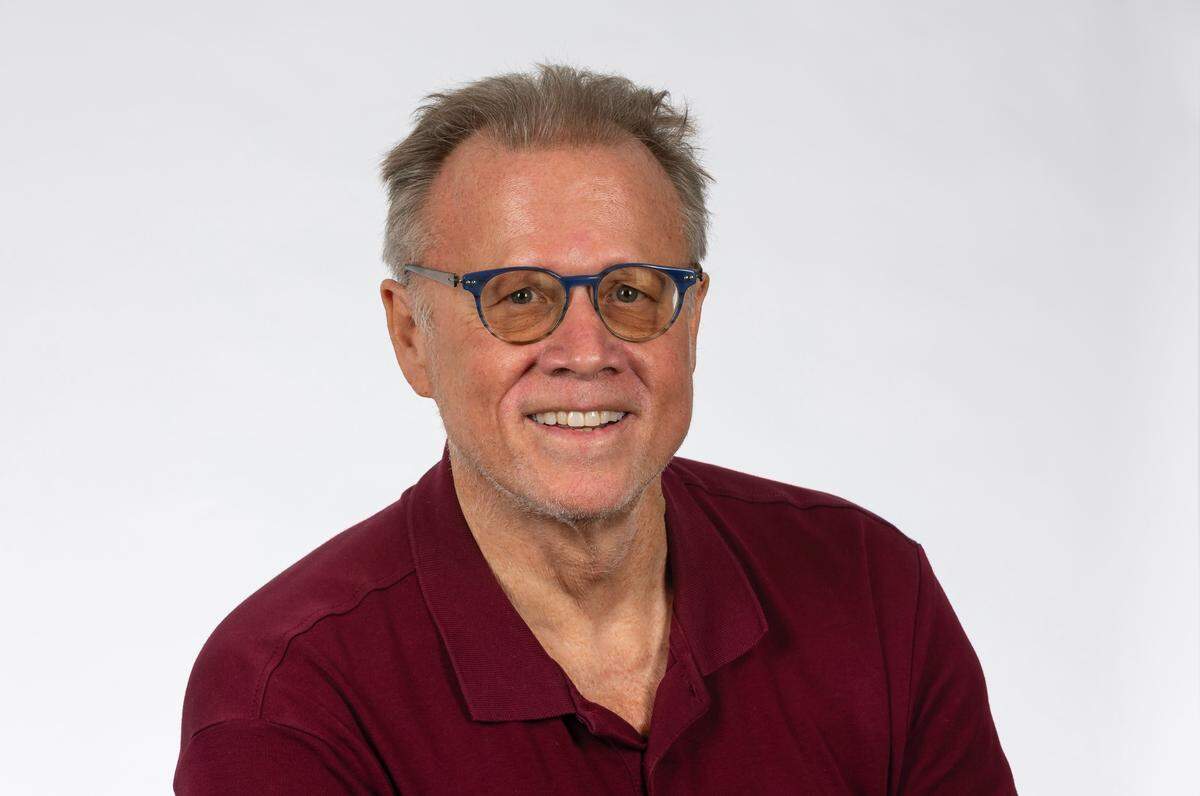
She inspires arts and tech in Miami. Now, a big change for a Knight Foundation leader
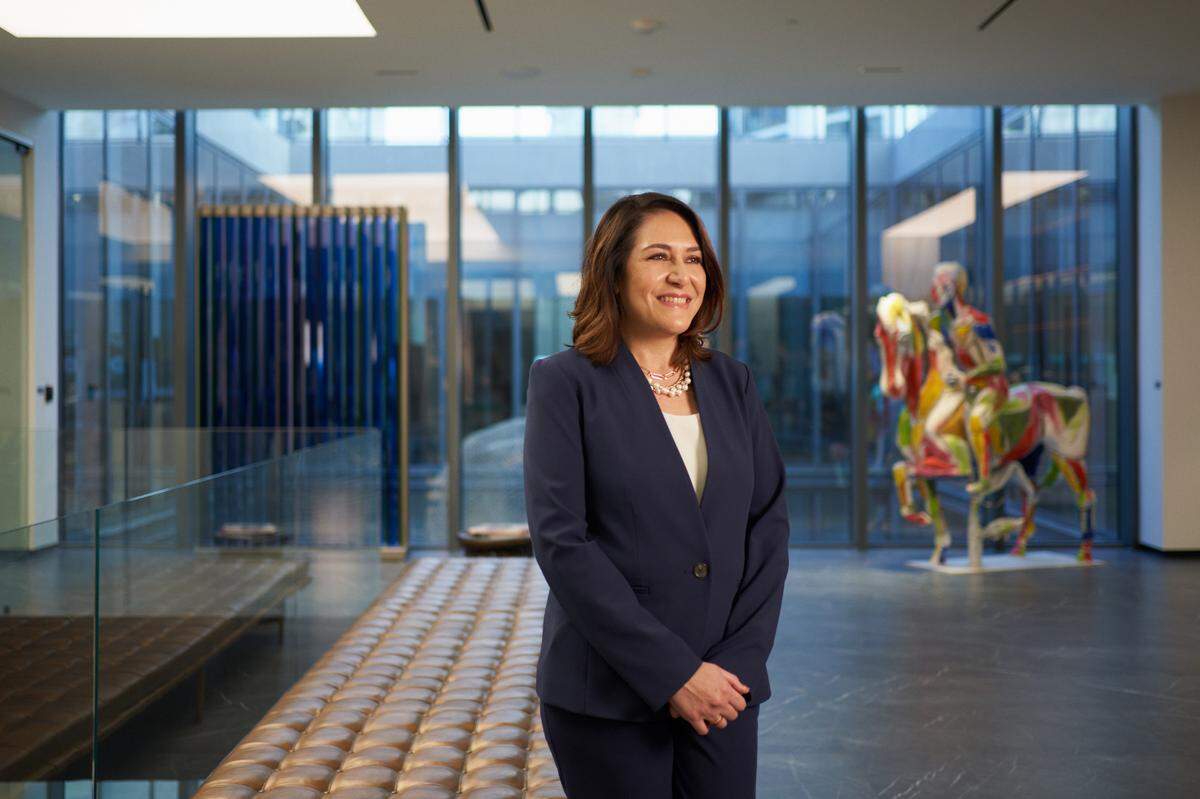
Victoria Rogers, vice president of arts at the John S. and James L. Knight Foundation, has spent nearly a decade overseeing investments in Miami and seven other cities where the foundation funds and fosters growth in media, tech, arts and community-building.
“Creating connection where there is none, and looking from a lens of ‘What are the possibilities to change lives?’ Who doesn’t want to do that?” Rogers said in a Zoom interview with the Miami Herald.
On Monday, Rogers and the Knight Foundation announced her upcoming retirement.
Rogers will remain at the foundation, which averages $135 million annually in grants, until Dec. 31. But moving on and letting go is not a light decision for someone who’s had a lifetime career in nonprofit management.
“It’s an important role to play,” she said. “I’m really grateful that I was given the opportunity here. I love these eight cities I’ve been able to be in to see what’s important to them, how they’re different, where they’re similar, and knowing that they have the capacity to address what comes their way.”
.jpg "0049_DSC4277 (1).jpg")
An arts ambassador
In addition to its headquarters in Miami’s Coconut Grove, the Knight Foundation, founded in 1950 by brothers John S. and James L. Knight, serves the cities where the Knights once published newspapers, including the Miami Herald: Akron, Charlotte, Detroit, Macon, Philadelphia, San Jose and St. Paul.
“Knight’s community-building work has always been strengthened by the arts, and Victoria has been an unwavering ambassador in this arena,” said Maribel Perez Wadsworth, a Miami-born daughter of Cuban immigrants who became the foundation’s seventh president and first woman president and CEO in its 72-year history. She succeeded its president and former Miami Herald and el Nuevo Herald publisher Alberto Ibargüen in January.
“I’ve traveled with her to eight Knight cities and witnessed firsthand the transformative impact of her work on these communities. Her influence is evident not only in the physical landscapes of these cities but also in the faces of the artists she’s inspired,” Wadsworth said of Rogers.
A youthful 73 — “Good genes!” Rogers, a native of Louisville, Kentucky, cites with a smile — has planned out her life’s next phase, which she says will include travel, living abroad in Europe, learning a new language, resuming the craft of making art and, eventually, consulting.
A fateful business lunch
She’s also reflecting on the last decade since accepting an offer to join Knight after a decisive lunch at La Strada in the Grove in 2015.
Over Italian food in the once hippie enclave neighborhood, Rogers, then the executive vice president of the New World Symphony, entertained an enticing offer from two community leaders. On one side of the table sat Ibargüen. On the other, artist and filmmaker Dennis Scholl, who Rogers would succeed at Knight in the arts role he pioneered six years earlier.
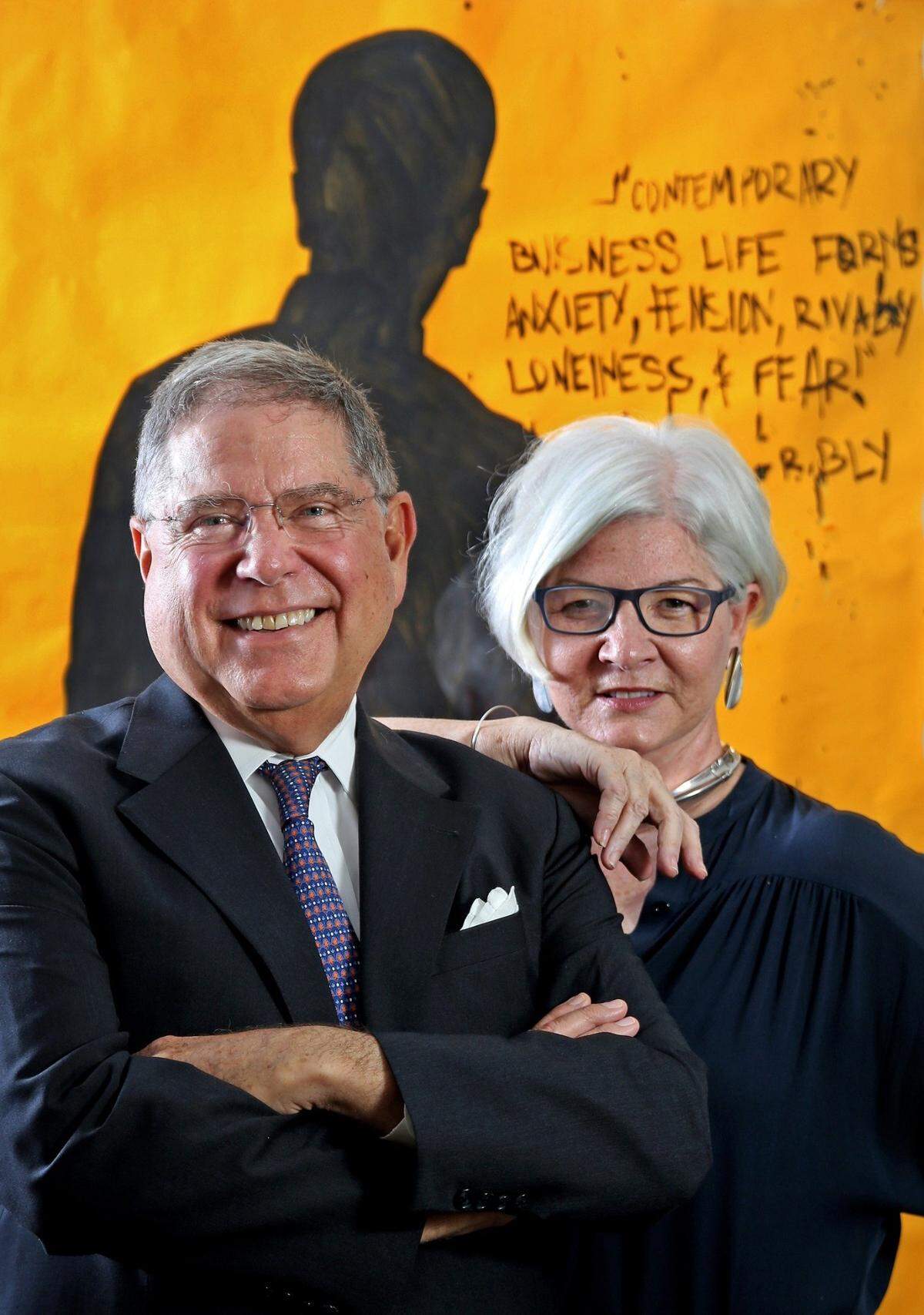
“Dennis was exactly the right person to start it and get people excited about it,” Ibargüen recalls. “And Victoria was exactly the right person to mold it, to shape it, to nurture it and to make it become an absolutely integral part of the way that Knight builds community in the places, cities and towns where it works.”
After Scholl had told Knight’s board he planned to step down, Ibargüen proposed that Scholl come up with a list of five people he thought could fit the arts vice president position at Knight. Ibargüen came up with his own list of five. Then they compared lists.
“Victoria Rogers was at the top of my list and she was at the top of his so I called her up,” said Ibargüen. He was impressed with her work at New World Symphony, which had received a $5 million endowment from Knight, its first in digital and arts. Part of the reason the foundation felt confident in its grant was largely because of Rogers’ track record with the symphony in Miami Beach that began in 2005.
Rogers orchestrated the $200 million capital campaign for New World’s Frank Gehry-designed campus, and doubled that $5 million grant from Knight to $10 million to integrate digital technology in the presentation of symphonic music.
Those “wallcasts” you may have enjoyed since 2008 while sitting outside on park grounds on 17th Street via a 7,000-square foot projection wall on the concert hall’s eastern side? They came from Rogers’ vision along with New World partners, conductor Michael Tilson Thomas and president and CEO Howard Herring.
READ MORE: Knight Foundation provides the catalyst to the future of digital art in Miami | Opinion
That application of “something as new as using digital in the presentation and creation of symphonic music feels pretty normal now but it was pretty radical then,” Ibargüen said. He hired Rogers after that lunch.
Victoria Rogers’ achievements at Knight
When Rogers contemplated retirement recently, one of the people she reached out to was Scholl, her old buddy, who co-directed the 2018 documentary “The Last Resort” about photographers who documented retirees living in 1970s Miami Beach.
“So many of the significant gains that our arts nonprofits have made over the last decade came directly from Victoria’s leadership and understanding of what the community needed, which has led to Miami flourishing as a cultural destination,” Scholl said. “Her greatest achievement has been the championing of new works by the artists of our community. We are only beginning to see the result of those. She helped individual artists grow their practice and have the freedom to experiment with new media. The growth of the arts community is a key factor in attracting so many transplanted high-end businesses.”
In an email to her staff, Rogers, who previously worked at the University of Miami as an assistant vice president for central development where she was an architect of the school’s billion-dollar capital campaign, alongside former UM President Donna Shalala in the early 2000s, enumerated some of the highlights of her decade with Knight.
Among them: Knight Arts Challenge celebration events in Detroit and Miami that showcased to her how well the arts and sense of place unite; the foundation’s work at the intersection of art and technology that included Knight New Work and the Knight Art + Tech Expansion Fund open calls, as well as the forum CATALYST: Digital Transformation in the Arts.
“With this foundation, it is identifying people and institutions that can move things forward,” said Rogers, a fine arts grad from Jacksonville University and a business communications master from Georgia State University. “It is not like telling them what they should do. It is working in tandem about what what are the areas of interest in your community? What are you trying to accomplish? And how can we help you to move that agenda forward?”
Retirement plans
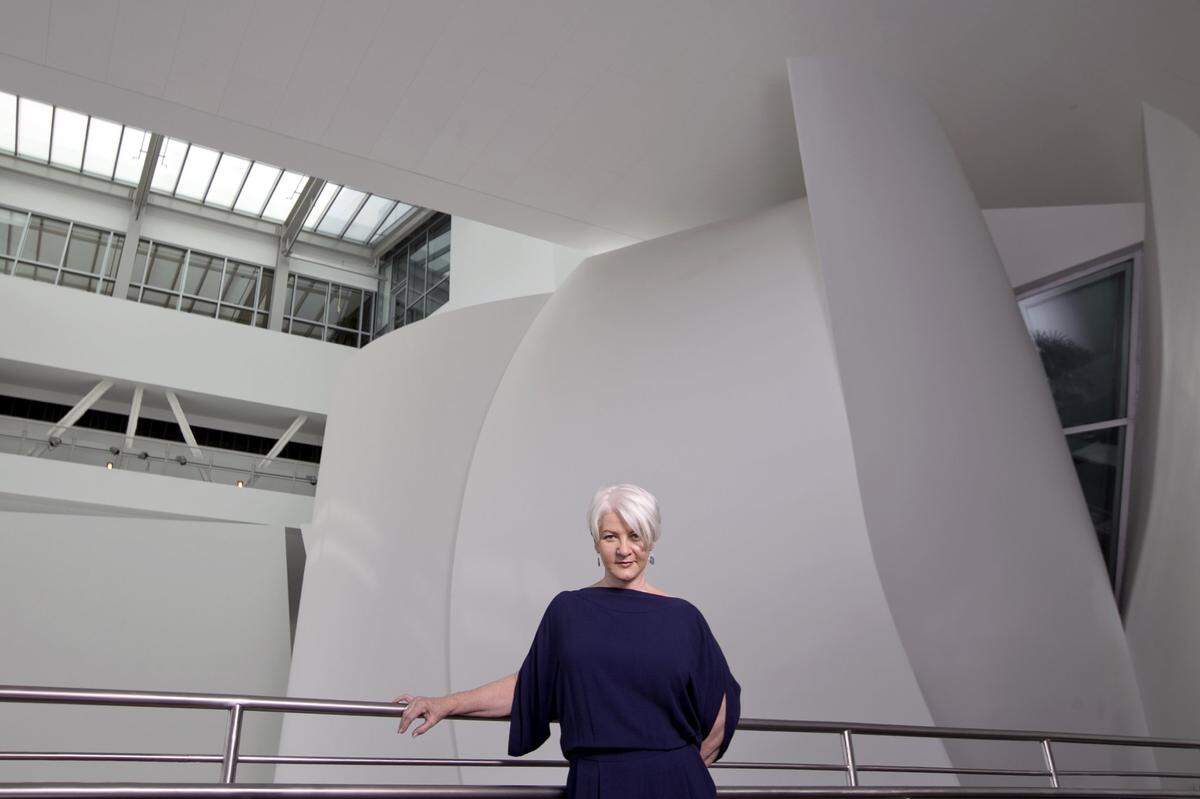
Rogers’ agenda in her near future will include plenty of forward movement.
“I love to travel,” she said. “I’ve been lucky to be able to do it in this job and in others, but there’s so many parts of the world that I have not seen. None of us know when our time on earth ends. I want to pack it as full as I possibly can. And so in March ... I’m going to be in Bordeaux, and I’m going to spend 45 days seeing what it’s like to live in Europe and I’m going to study French. And I’m going to do my own art again, which I haven’t done for a long time.”
Rogers has art in her blood. Weaves. Paints. Sings. Works in clay ceramics.
“I’m going back to my own expressive forms,” she said.
She may also go into consulting.
“I don’t think I will stop,” she said. “I just think it is time now for me to really focus more on me in this period of time and the things I would like to see and do and the people I would like to meet.”
Family and music background
.JPG "Influencer_Series_MJO_13 (1).JPG")
Rogers credits her success in career and life to listening and tuning in to those around her. She attributes some to luck. She grew up in a family that valued art and culture.
She says she has clear memories of her mother and her mother’s three sisters singing a capella in her childhood home. She’d weave her voice among the quartet.
“We grew up singing in that household,” she said.
At age 5, Rogers took piano lessons in a conservatory in Louisville.
“What I remember is sitting at a baby grand piano, probably my feet could barely touch the pedals. But there were these stained glass windows in there and I can remember the light coming through. And I had this wonderful teacher that was so excited about music and through that I was introduced to this world of possibility in a very different way,” Rogers said.
“Music, for years, became my mode of expression. So I would sit at the piano in our home, and if I was angry, you knew it. I could be pounding something. I also was a kid that didn’t have to be made to practice,” she said.
“Then when I became an oboe player it just opened up a new vista,” Rogers recalls. “I think the beauty of having those experiences young, especially playing oboe in groups, you needed to know your part. If you didn’t, you weren’t contributing to the whole. Watching what happened when people did that, you start almost breathing as though you’re one amoeba. You know when to breathe, you know what the person next to you is going to do, and you can adjust to different things.
“But it was learning early on the real importance of collaboration and that understanding that everybody had a role to play and therefore you didn’t want to let them down. You all wanted to achieve something. And it was just fun,” Rogers said.
Advice for her successor
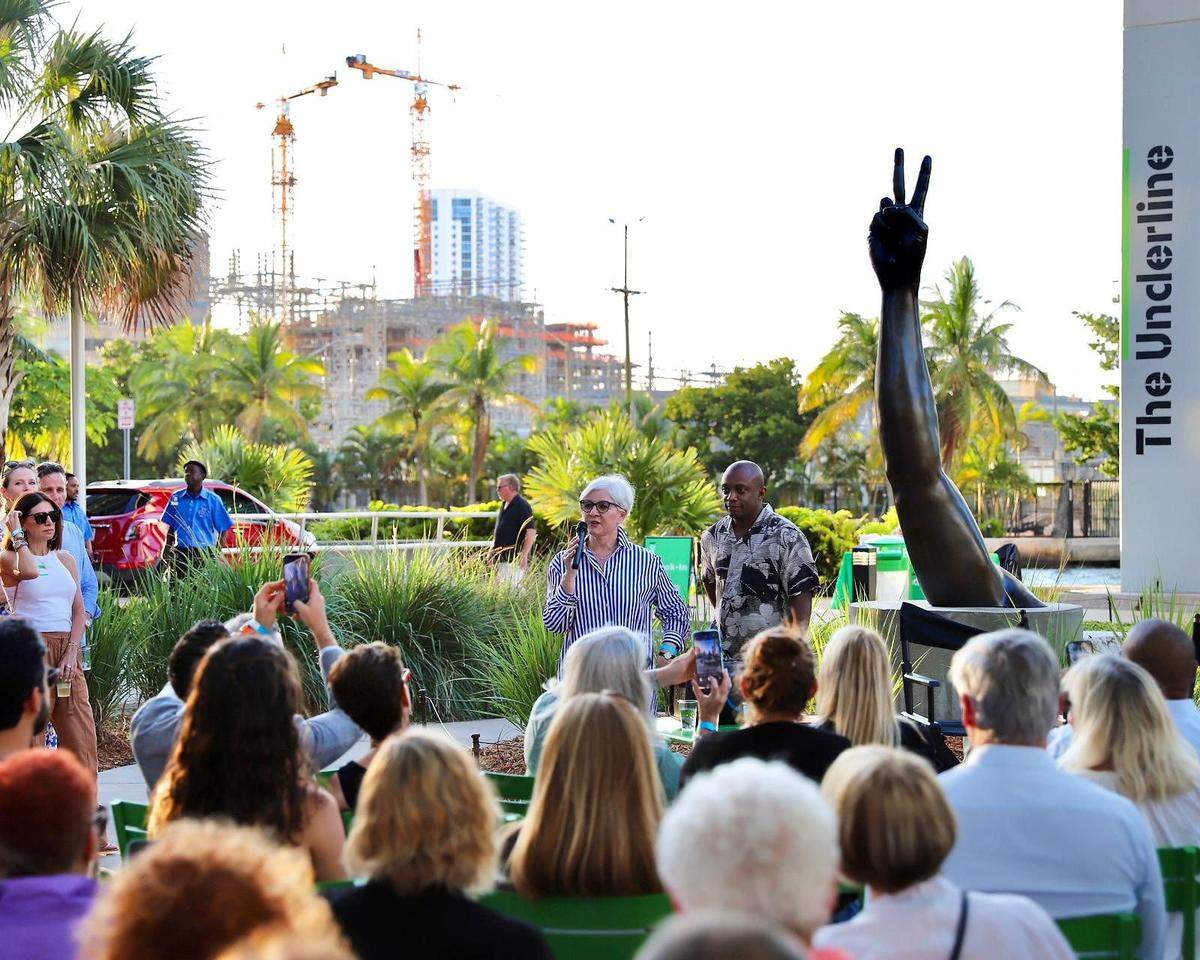
Through music, she learned to become a team player, and to listen, traits that will serve her Knight Foundation arts successor well, Rogers said.
“Sometimes it sounds strange, but listen for what you’re not hearing. Listen to what people are saying and aren’t saying. Dig deeper in that. Don’t be afraid to ask questions. And because each of us is hired for what we bring to the table, don’t be afraid to use that,” Rogers counseled. “And be sure that you’re talking to multiple voices, but also know that at some point in time a decision is made and so collect what you need to make those kinds of decisions.”
The Knight Foundation has partnered with Russell Reynolds Associates to search for Rogers’ successor; a development that instills confidence in its former leader about Knight’s commitment to the arts in Miami and to the other cities it serves.
“The fact that they would hire one of the big ticket search firms says to me that they intend to have arts continue to be an important part of the Knight program,” Ibargüen said.
Wadsworth, Knight’s president, concurs. “We will be looking for someone who can build on Victoria’s considerable legacy, someone who appreciates the vital role that the arts play in creating a sense of place, connection and vibrancy in community.
“In Miami, you can’t go far without passing a museum, art studio, performance space, or poetry workshop that hasn’t been touched by Victoria,” Wadsworth said. “It’s quite a legacy.”
This story was originally published August 13, 2024 at 10:33 AM.