
Ripples of Silicon Valley Bank’s collapse extend to Miami’s growing tech sector
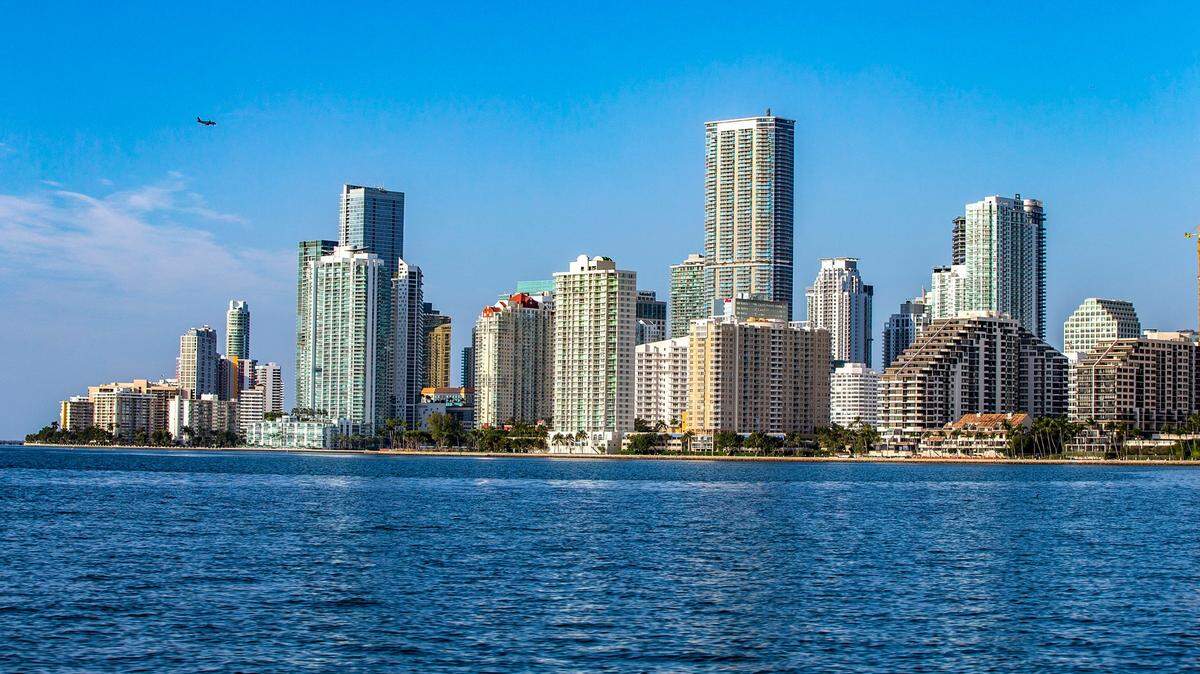
The ripples from the failure of California’s Silicon Valley Bank extend to Miami, where the financial institution opened a branch in Brickell in 2021 to capitalize on the city’s entrepreneurial streak.
For decades, the nationally respected niche bank has catered to startup tech firms.
The federal government shut down Silicon Valley in the second-largest bank failure in U.S. history and seized its assets on Friday as the institution experienced a classic bank run. The bank, which according to regulators had $209 billion in total assets, collapsed in a matter of hours as depositors — mostly technology workers and venture capital-backed companies — rushed to withdraw money this week amid worries over the declining health of its balance sheet.
The speed of the bank’s failure sent shockwaves through the U.S. tech industry, with many companies and entrepreneurs concerned about their ability to pay workers next week if they can’t access their accounts, as well as the possible effect on their already lagging sector.
U.S. regulators said the bank would reopen Monday morning but depositors could withdraw only up to $250,000, the amount covered by the Federal Deposit Insurance Corporation. Previous regulatory reports showed that much of Silicon Valley Bank’s deposits exceeded that limit.
Even before it opened the Miami office, Silicon Valley had over the past few years become an important provider of financing to tech startups in Florida, said Saxon Baum, a partner at Tampa-based Florida Funders, which also invests heavily in South Florida and has a Miami office.
Baum said he doesn’t have specific numbers, but suspects that “a fair amount of companies bank with Silicon Valley Bank and a fair amount of companies have taken on debt from Silicon Valley Bank.”
The bank failure, he said, likely “is just going to make the funding environment more constrained than it was before.”
While cautioning that it’s too early to tell what long-range effects will be, in the short term “it’s going to hurt and there’s going to be some ripple effect,” Baum said.
Silicon Valley, long seen as the bank of choice for tech and venture capital firms, sought to seize on the growth of the sector in Miami when it acquired Boston Private and took over its offices in the Four Seasons tower on Brickell Avenue. At the time, the South Florida Business Journal reported, Silicon Valley Bank had 35 employees in Miami, was planning to hire more and was also mulling opening a second local branch in Wynwood.
In a Sept. 14, 2021, news release announcing the opening of their Miami office, Silicon Valley Bank executives said the local team would focus on “early-stage startups” and “commercial banking, private banking and wealth management to technology and life science companies of all sizes and their investors.”
The Miami branch would also serve as local outpost for the bank’s Global Gateway team, which the release said “supports companies and investors in emerging innovation centers around the world such as Latin America.”
As uncertainty engulfed the tech and banking industries, it was unclear how much of the fallout would hamper Miami’s still-nascent tech ecology. It could not be determined Friday how much of a local business the Brickell office had managed to build, or who its Miami clients are. A Silicon Valley Bank executive involved in running the Miami office did not return an email requesting comment.
Miami Mayor Francis Suarez, who was quoted in the bank’s release announcing its Miami entry as saying he was “thrilled” at the opening of the Brickell office, did not respond Friday to a message relayed through his communications director requesting comment.
“Miami has the potential to become a leading innovation hub and SVB’s presence will help accelerate the success of our local technology and life science companies, from startups to scaled businesses, and their investors,” Suarez said in Silicon Valley Bank’s 2021 prepared statement about its plans for a Miami office.
As of Friday, the federal government had not found a buyer for the bank, though some industry analysts suggested it remains a good company and likely a solid investment. Silicon Valley Bank executives were trying to raise capital early Friday and find additional investors. However, stock market trading in the bank’s shares was halted by the FDIC before the opening bell due to extreme volatility.
The bank’s failure was the largest since Washington Mutual’s collapse in 2008 amid the height of the last financial crisis.
Silicon Valley’s collapse pushed shares of other banks and almost all financial institutions lower Friday as anxiety over its implications for the broader economy spread.
The bank’s fortunes appear to have sagged as tech stock values dropped over the past 18 months and giants like Facebook parent Meta and Google began laying off tens of thousands of workers. At the same time, unease has been growing as the Federal Reserve appears poised to continue raising interest rates to tame an inflation rate that, while receding, remains stubbornly high, reviving fears of a recession.
Silicon Valley Bank was a major financial conduit between the technology sector, its founders and startups as well as its workers. Hundreds of companies held their operating capital with the bank.
On Thursday, it had announced surprise plans to raise up to $1.75 billion in order to strengthen its capital position. That sent investors scurrying and shares plunging 60%. They fell more again Friday before the opening of trading on Nasdaq, where it is listed.
This report was supplemented with material from The Associated Press.
This story was originally published March 10, 2023 at 8:08 PM.