
Fed expected to ease pace of rate hikes, as consumer inflation declines from summer peak
Gasoline is cheaper than a year ago. Home price gains have slowed. And used car prices have leveled. This has helped push down the annual inflation rate from its June peak. And that has given the Federal Reserve confidence to consider relaxing its pace of interest-rate hikes ever so slightly.
Yet, inflation has not slowed in the category in which most consumer spending occurs — services.
While the headline Consumer Price Index measurement of inflation has declined four months in a row through October, the inflation gauge for services has continued hitting 40-year highs this fall. The November data will be released on Tuesday.
“Services less energy services” is the econo-speak label for what is the biggest component of the inflation barometer. This category captures all kinds of expenses: monthly housing costs, such as rent or mortgages; airfares; pet care; car repair; and trips to the dentist.
Energy and food costs justifiably get the bulk of attention from consumers. These prices jump around quite a bit — how much were those hot dogs last month? — so we tend to notice them more and their influence gets extra weight. They certainly shape consumers’ expectations about inflation, which influence spending behaviors and the Federal Reserve’s open mouth and monetary efforts.
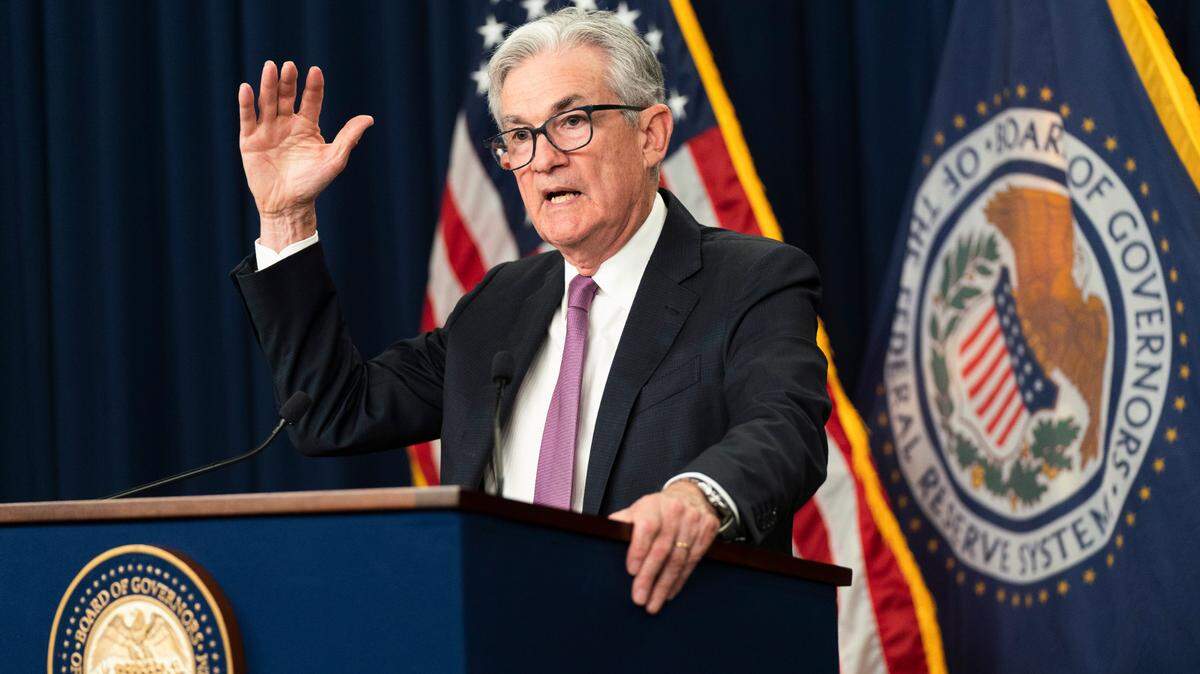
Central bankers have been sending explicit messages for weeks in speeches and interviews that they have been growing more comfortable with the inflation trends, while reassuring markets they are far from done raising interest rates. After hiking its target short-term rate by three quarters of 1% four meetings in a row, the Fed is expected to increase its benchmark rate by one half of 1% when it announces its latest decision on Wednesday.
While a less aggressive boost to borrowing costs has been expected, it will mean the agency has increased rates by more than 4% this year. That’s the fastest pace of monetary tightening since 1980, when the Fed raised rates 10% in six months. And Fed Chairman Jerome Powell can be expected to continue his steely talk about efforts to conquer inflation during his press conference after the group’s decision.
Investor expectations are captive to this slowdown yet lingering high inflation, and the Fed’s easing pace but committed stance on thwarting inflation.
Tom Hudson is a financial journalist based in Washington, D.C. He’s the chief content officer at WAMU public radio station.