
Fed’s ongoing fight against inflation should be independent of election politics
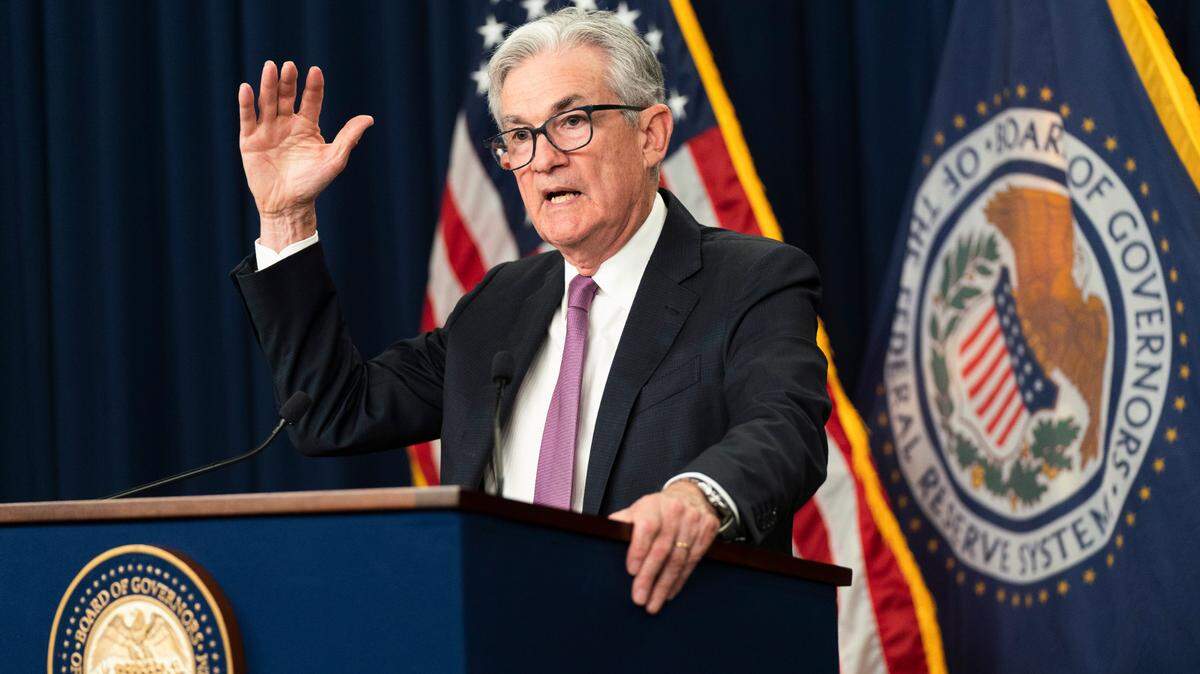
“Just kick ‘em in the rump a little,” the president told the chairman of the Federal Reserve. It was before the central bank’s interest-rate setting committee was to meet, while the American economy was limping along, federal government spending was a growing concern, and a war was raging halfway around the world.
It was late 1971 and President Richard Nixon was on the phone with Fed Chairman Arthur Burns. Burns was telling the president the Federal Open Market Committee was set to cut a key interest rate in an effort to ignite an economy that had been struggling to escape a mild recession. Nixon pressured Burns to ease up on its monetary policy with his eye on the 1972 presidential election.
It took demoralizing inflation, sharply higher unemployment and a decade before the Federal Reserve began to forge its reputation as an institution necessarily independent of politics.
Fifty years later the Fed’s reputation has been tarnished not by naked political ambition by a ruthless and deceitful president, but by its own misjudgments with monetary policy. And addressing those misjudgments has an unmistakably political cost.
Keep all this in mind during this week as the Fed holds another interest-rate meeting and Americans continue voting in the midterm elections. Both share a defining issue: inflation.
The investment markets are convinced the bank will continue the pace of increasing interest rates by hiking its key borrowing rate by another three-quarters of 1%. Doing so a week before an election is an important example of the Fed’s independence from politics today in contrast to 50 years ago. The agency is expected to signal its patience by backing off that pace in the months ahead. That anticipation has helped stock prices gain a footing in the past two weeks.
Voters may not be so patient to experience the effects of efforts to fight inflation. Republicans are favored to regain slim control of the House, while the majority in the Senate may continue to rest on the tie-breaking vote of the vice president. Both parties are blaming each other for today’s inflation with little serious talk about how to meaningfully address it because those decisions are much harder to make for politicians.
For Congress, tackling inflation reduction leads to slowing the growth of government spending. Making those choices about what to spend less on will be difficult with a divided government and a divisive presidential election looming in two years. For the central bank, fighting inflation means higher interest rates and risking a recession.
Investors should be watchful for efforts to weaponize monetary policy for political gains. It’s a question of economic credibility.
Tom Hudson is a financial journalist in Washington, D.C. He’s the chief content officer at WAMU public radio station.