
Consumer inflation, mainly gas and home prices, keeps pounding South Floridians
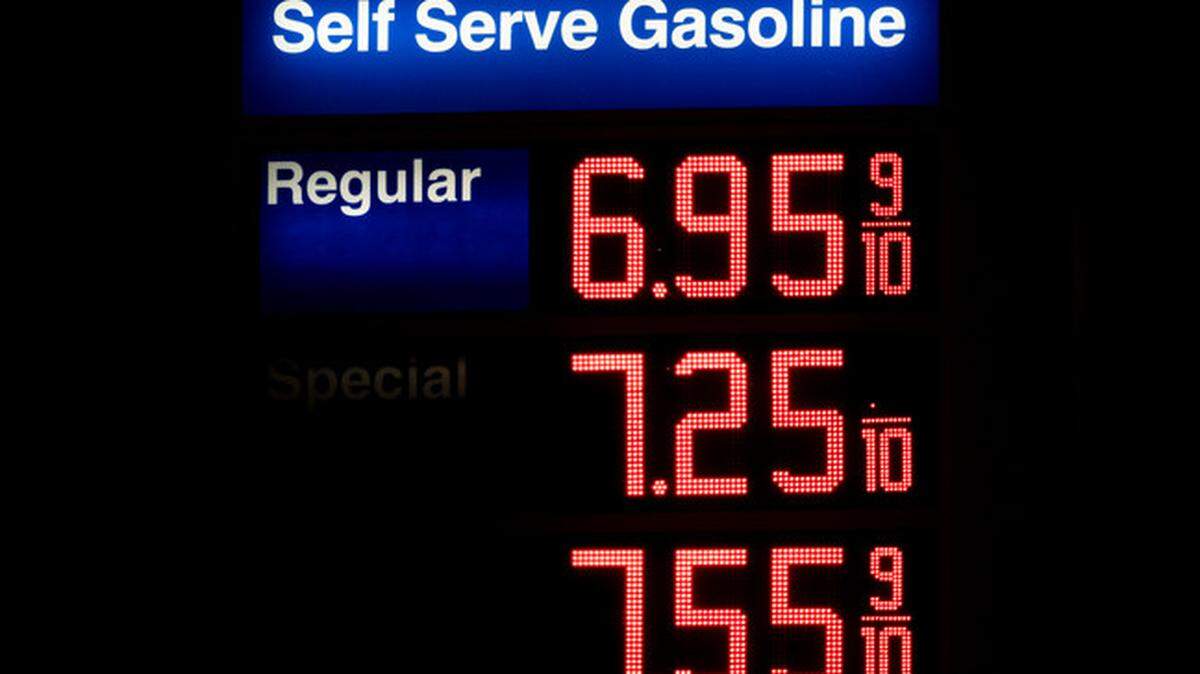
Consumer prices in South Florida shot up 9.6% during the 12 months ending in April, outpacing the U.S. consumer inflation rate of 8.3% — still hovering around a 40-year nationwide high.
Led by lofty energy (mainly gas prices at the pump) and housing costs, the inflation mark last month for the Miami-Fort Lauderdale-West Palm Beach metropolitan area was a slight drop from the 9.8% most recent reading in February, according to a bimonthly report released Wednesday by the U.S. Bureau of Labor Statistics.
Greg McBride, chief financial analyst at Bankrate.com, said the marginal decline in South Florida’s consumer prices was “hard to get excited about,” calling the decrease “not much more than a rounding error.”
-for-metro-areas.png "Consumer-Price-Index-(CPI)-for-metro-areas.png")
Miami, Fort Lauderdale and West Palm Beach’s Consumer Price Index for the 12-month period through April showed food prices rose 4.4%, core prices — homes, cars, clothing, everything except food and energy — jumped 7.5%, while energy costs rocketed 41.5%.
READ MORE: Helpful tips to close a deal in hot housing market
READ MORE: Miami-Dade home prices crushing American dream for many residents
READ MORE: Edgewater residents losing their homes in overheated Miami housing market
The huge increase in South Florida’s energy costs came as no surprise to McBride, who noted regional residents have been contending with ballooning prices of gasoline to fill the tanks of their vehicles. For those commuting to work, it’s been more of a financial burden.
For example, pump prices in Miami have soared from an average of $2.88 a gallon in May 2021 to $4.40 a gallon last week, according to Gasbuddy.com data.
That, coupled with people in South Florida using more air-conditioning to cool their homes as late spring pushes temperatures and humidity much higher, has inflated energy costs, he said.
Also, the region’s ever-increasing prices for houses and apartments remains a key inflation driver, registering a 10.5% annual boost in the housing portion of the area’s consumer price index.
Although the Federal Reserve remains in inflation-crushing mode, McBride doesn’t think recent increases in interest rates — and more rate hikes coming later this year — will slow South Florida’s housing market juggernaut. Following a small rate bump in March, the central bank on May 4 made a one-half of 1% increase in its key interest rate — the biggest move in 20 years — to counter inflation.
However, the scores of people paying cash for houses in South Florida are unaffected by rising interest rates on mortgages.
“The demand (for homes) so far exceeds supply, and South Florida has a higher share of cash buyers than most other markets around the country,” McBride said. “Those cash buyers are not interest-rate sensitive.”
This story was originally published May 11, 2022 at 6:30 PM.
%20Cropped.jpg)