
Nike’s pandemic resistance tested. Upcoming earnings call will reveal level of resilience
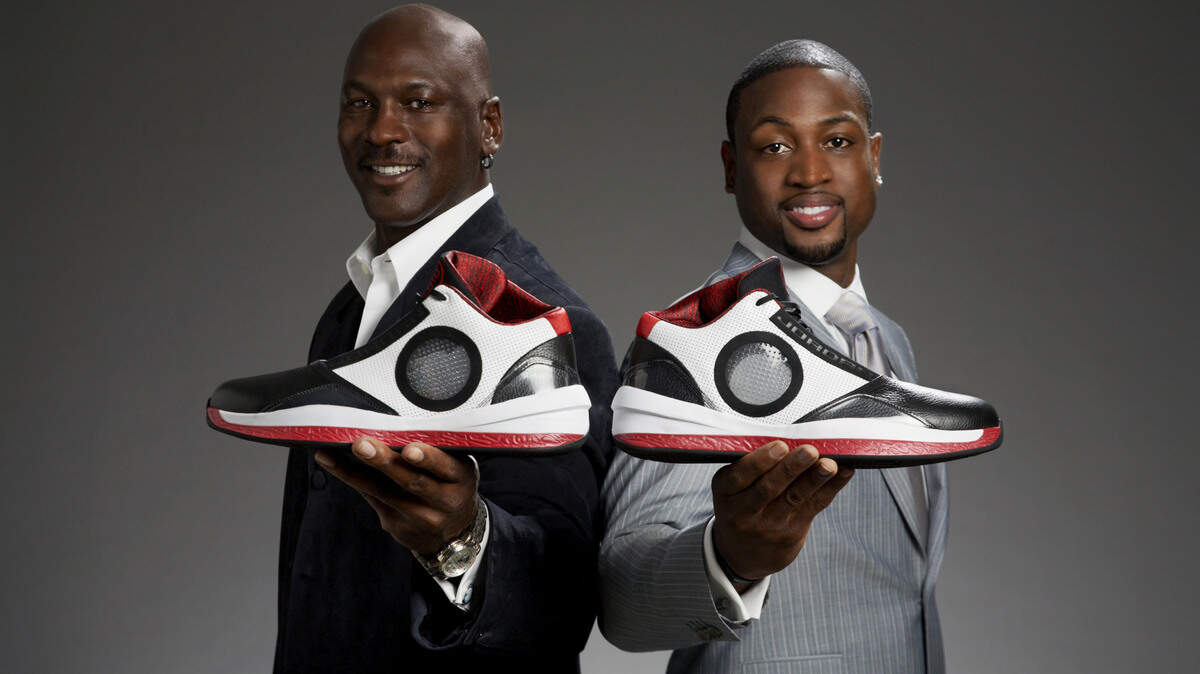
Nike has it all, and I’m not referring to its dominance in the shoe and athletic apparel businesses.
Its latest quarterly financial report due this week is worth watching, even for those who only have a pair of Nikes in their closet and none of its stock shares in their investment portfolios.
The company has consistently been able to turn in better-than-expected profits during the pandemic. Even as COVID-19 has pinched factories in Asia making Nikes, demand for its shoes has been high. In December, the company was growing confident that its slim inventory would be improving, especially as manufacturing in Vietnam was returning. Still, it forecast profit growth in the low single digits because of the virus and lost production.
Tighter supplies have allowed Nike to be firmer on prices, which helps its profit margins. “We expect to continue benefiting from exceptional demand against the backdrop of lean marketplace inventory,” Matthew Friend, the company’s chief financial officer, said on the the firm’s last quarterly financial conference call. Nevertheless, the company is not immune to a key inflationary factor for overseas manufacturers — freight costs.
Nike will be one of the first large American multinational companies to talk about its quarterly financial performance since Russia launched its war in Ukraine. The company has joined others in reducing its business in Russia. Russian shoppers are shut out from making purchases on Nike’s website and its app and the company temporarily closed its corporate-owned retail stores in Russia. Think of it as a shoe sanction.
Europe, the Mideast, and Africa account for about a quarter of Nike’s revenues. Russia alone may be a small slice, but Nike’s results on Monday will give investors an early indication of how the war in Ukraine is affecting consumer behavior in Europe.
Perhaps more important will be China. China is a manufacturing base for Nike and generates about 20% of its revenue. The country’s new zero-COVID-19 policy has led to tens of millions of people being ordered to go into lockdown beginning this week. That is likely to hurt Nike’s supply chain and its sales.
Supply chain problems, inflation, global uncertainty — Nike covers the entire field. We’ll get a first indication this week how the company is handling the trio of challenges.
Tom Hudson hosts ‘The Sunshine Economy’ on WLRN-FM, where he is the vice president of news. Twitter: @HudsonsView