To cruise or not to cruise as Omicron spreads? If you set sail, here’s what you need to know
With the rapid spread of the omicron variant — and at least four cruise ships that left Miami or Fort Lauderdale ports since Dec. 18 disrupted at sea by coronavirus outbreaks among passengers and crew members — South Florida travelers likely wonder whether they should cruise during the winter months.
Also, what can they do to reduce their risk of getting infected if they set sail?
Most of the cruise lines require adult and teenage passengers to show proof of full vaccination. However, since the new variant emerged in the United States on Nov. 22 and now is the dominant strain nationwide, infections have spread even among people fully inoculated.
Is omicron making cruising more dangerous for your health?
Even before the pandemic, cruise ships have long been hot spots for the spread of infectious diseases due to the hundreds or thousands of passengers in close quarters, leading to so-called breakthrough cases among vaccinated travelers.
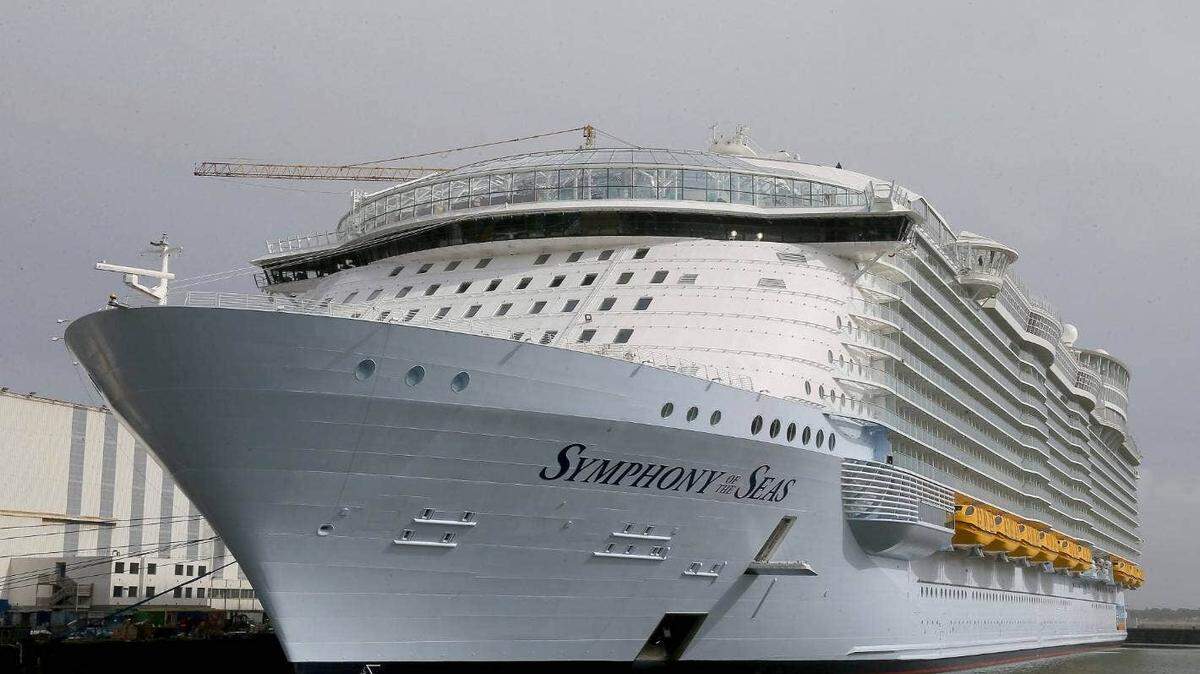
For example, of the 48 passengers infected on Royal Caribbean’s Symphony of the Seas docked in Miami on Dec. 18, although 98% of them were inoculated.
“What I’m seeing is that omicron is highly contagious even for people who are vaccinated and for people who have had COVID before,” said Dr. Jessica Justman, an epidemiologist at Columbia University Medical Center. “It seems to cause severe disease less often and maybe some of that is because more people are vaccinated.”
Infectious disease experts continue to study the latest variant, but early research shows less severe sickness among most people infected.
“When you have more infections in a larger number of people, even if a smaller percentage have to be hospitalized, it’s still a big deal,” Justman said.
What public safety rules have cruise lines changed in reaction to omicron?
Carnival Cruise Line will not allow smoking in onboard casinos and passengers are reminded anyone over the age of 2 must wear a mask indoors on the ships, except when eating or drinking, in their staterooms or when prudent physical distance from other passengers can’t be maintained outdoors. Norwegian and Royal Caribbean also are requiring passengers to wear face coverings indoors, except when eating, drinking or in their staterooms.
What are the vaccine requirements to cruise and what does ‘fully vaccinated’ mean?
Carnival, Royal Caribbean and MSC require full vaccination for everyone age 12 and over. Norwegian requires 100% of its passengers to be vaccinated.
For now, that means two shots of Pfizer or Moderna, or one shot of Johnson & Johnson, and does not include a booster jab. A spokesperson for Carnival said the company has begun emailing passengers encouraging them to get booster shots. The CDC urges everyone who is eligible to get a booster shot.
Dr. Justman recommends trying to find a cruise that requires all eligible children to be inoculated. Disney Cruise Line will be requiring vaccines for children 5 and over starting Jan. 13, 2022.
Is virus testing available while aboard a cruise ship?
Carnival, Norwegian, Royal Caribbean and MSC require passengers to have negative COVID-19 tests before boarding their cruise ships. Some testing is done at cruise terminals before voyages. Other cruise lines want passengers to be tested on their own a day or two before boarding a ship.
Dr. Justman said, if cruise lines offered virus testing onboard for passengers, that would add another layer of protection. She noted, while in ports, cruisers may come into contact with unvaccinated people and bring the virus back on the ship.
Carnival, Norwegian, Royal Caribbean and MSC did not respond to a reporter’s requests for more information about testing availability and capabilities on their ships.
Are trained medical professionals on cruise ships to deal with potential virus outbreaks and how many?
Some cruise ships sail with 6,000 passengers. If COVID-19, or any infectious disease is spreading, that may overwhelm medical staff on board.
Carnival Cruise, Norwegian, Royal Caribbean and MSC did not respond to a reporter’s attempts for clarification on the number of medical staff typically on a ship at sea.
What if you test positive before your trip?
Cruise companies have varying policies about what happens if you do test positive, prior to your booked voyage. Here are the guidelines for some of South Florida’s biggest cruise operators.
Royal Caribbean has one of the most flexible policies. If anyone in your traveling party tests positive for COVID-19 within 14 days before boarding, the company will issue a full refund. It will also issue pro-rated refunds if your cruise is cut short due to COVID-19. Also, it will cover the entire party’s quarantine accommodations and travel home, if necessary.
Norwegian Cruise Line offers any passengers and their close contacts denied entry to a ship due to a positive coronavirus test result a refund for the cruise or a future cruise credit to reschedule a trip. Norwegian covers passengers’ expenses for mandatory quarantining, but only if they can prove that they got a negative test within 96 hours of traveling to the port.
Carnival Cruise Line won’t allow passengers or close contacts to board if passengers test positive within 14 days before their cruise. Affected passengers won’t get their money back but do get credit for a future cruise. For passengers who traveled to board the cruise, they will not be able to return home by plane or public transit. Carnival said it will help make arrangements for hotels to quarantine, but travelers must pay the lodging costs.
MSC did not respond to a request for information about what happens if passengers test positive for COVID-19 before boarding.
If you do take a cruise while omicron is spreading this holiday season or early in 2022, here are tips to protect yourself:
Get vaccinated and boosted if you are eligible.
Try to test yourself for COVID-19 as much as possible before traveling to the port.
Wear a mask that is comfortable but fits snugly. Keep it over your nose and mouth as much as you can while inside cruise ships, only lowering to eat and drink.
Stay outdoors on the ships as much possible, because the virus spreads much more easily inside closed spaces. That includes eating outdoors if possible or limit your time in dining rooms.
Travelers should read individual cruise lines’ websites for detailed and updated information about public safety protocols.
This story was originally published December 22, 2021 at 7:02 PM with the headline "To cruise or not to cruise as Omicron spreads? If you set sail, here’s what you need to know."