Can’t find a Miami tech job? Here’s what got two candidates hired at local firms
Kimberly Tupy is a Miami tech success story.
An Iowa native and a former director of student life at Miami Dade College, Tupy had long known she wanted to get into tech, having been inspired in part by the success of other women who had persevered in the field.
She did her research, and found local coding bootcamp Wyncode — now BrainStation Miami — came closest to what she was looking for in a program that could reset her career, especially its promise of lifetime career support. She attended Wyncode’s user experience (UX) design course, graduating amid the pandemic.
Tupy is about to start a job as a product designer at Restaurant Brands International, the multibillion-dollar, Miami-based parent company of Burger King and Popeye’s.
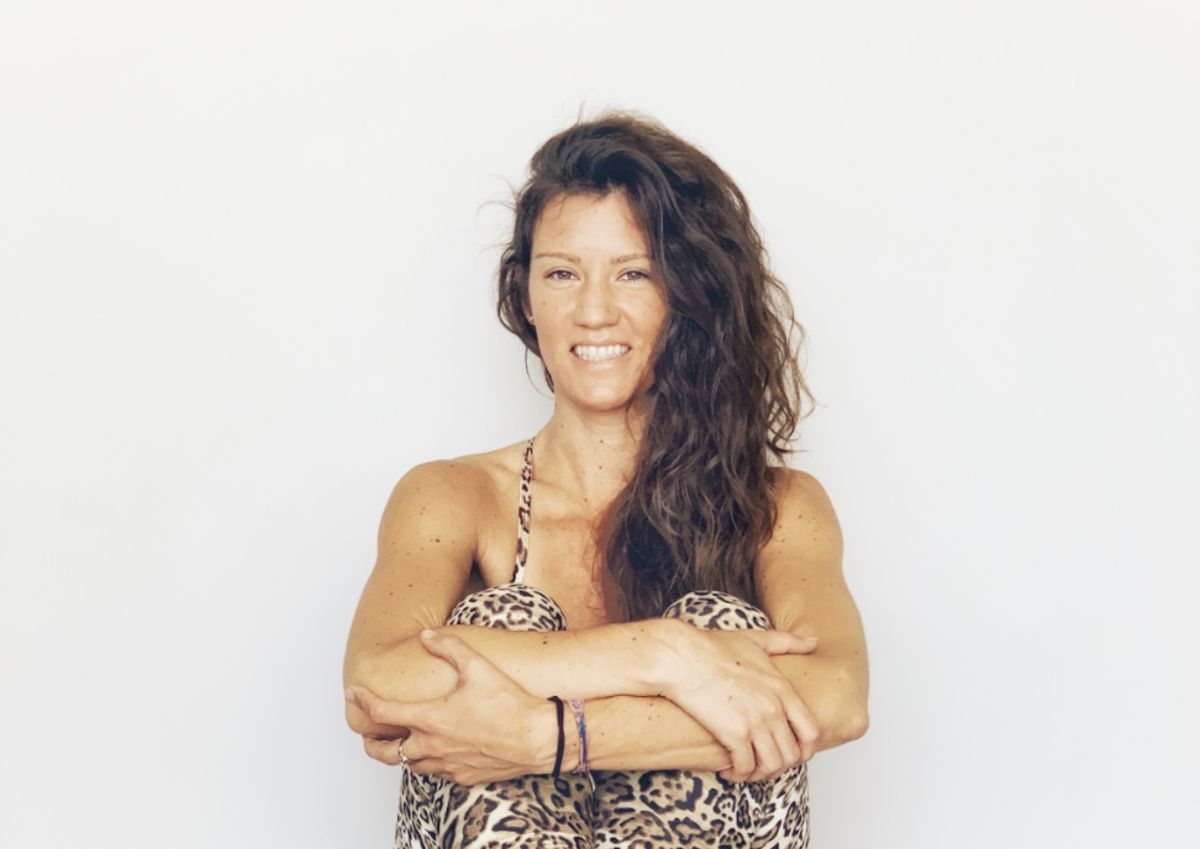
But that big job did not come right away. Her path illustrates that finding a job in Miami tech is quite possible — you just have to know where — and how — to look.
In fact, Tupy has already held two other jobs even in the short time since she graduated: One at a small tech company in Boca, and one as a product designer at a Miami-based food technology company.
The key to landing the RBI job — which she said pays double her previous one — was networking locally.
“I was applying to 10-15 companies per week, each with a personalized cover letter,” she said. But networking through Miami’s design community, she said, is what allowed her to land the role she wanted.
More specifically, the breakthrough came after she joined a local UX group on Slack, one of a slew of new messaging apps that serve as virtual meet-ups.
“That was the key to my success.”
The group, called FL UX, Yeah!, is technically invite only — but it already has over 1,200 members.
It is groups like these that arguably constitute the heart of the Miami tech community — perhaps as much as any that get heavily promoted on social media.
“You get to meet key people in the community at some of the major corporations in Miami, and get candid conversations with these folks,” Tupy said. There’s an unofficial mentorship program there, she said, as well as an in-person monthly meet-up.
“Just like in any field, the connections you make are essential, so from my own personal experience, and of my friends from the design community, we haven’t had a problem being hired at all,” Tupy said.
Christopher Palacios is another Miami coding bootcamp grad who was able to find a job in local tech — in his case at Watsco Ventures, the innovation arm of the longtime local HVAC giant.
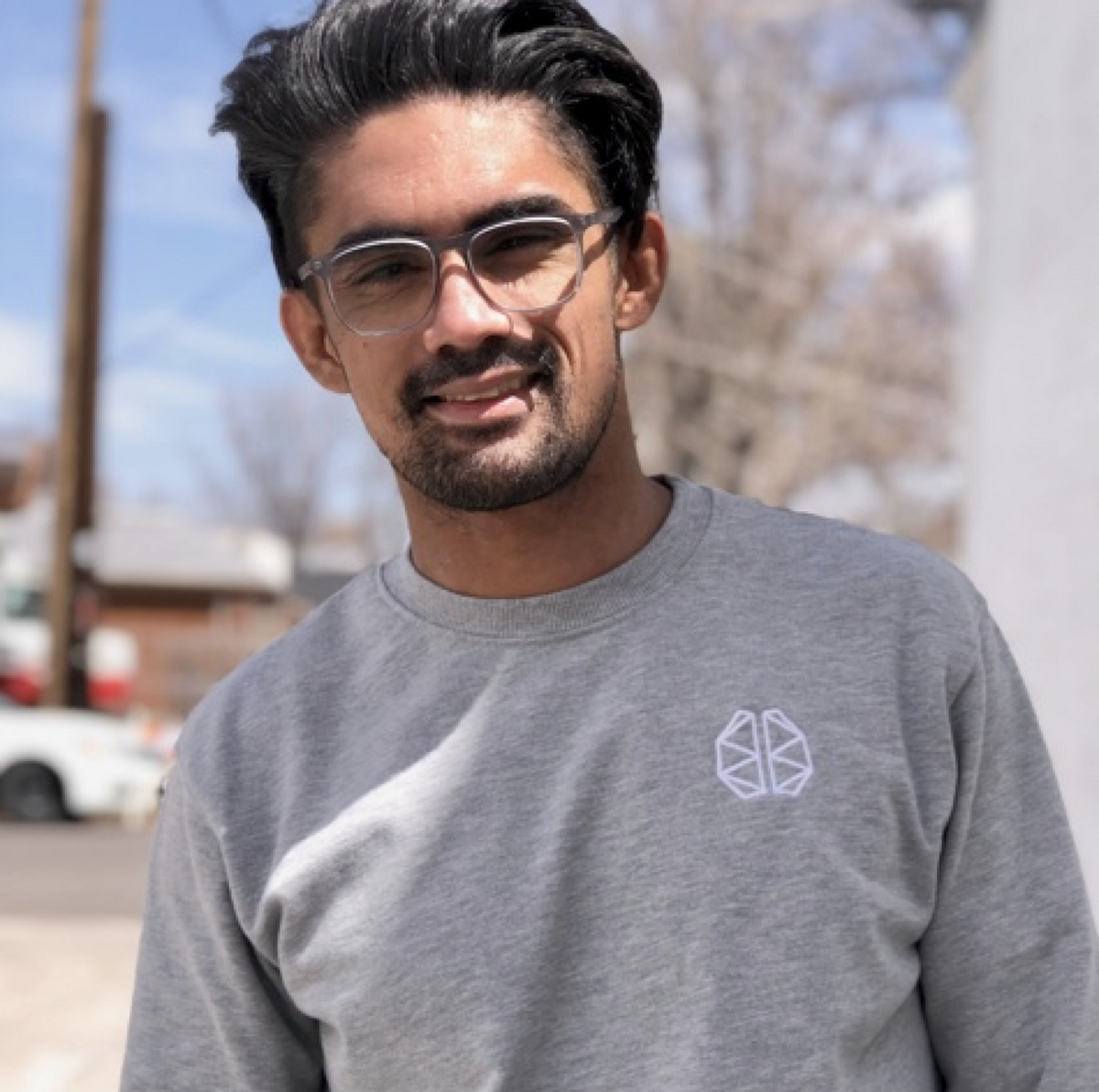
A former electrician, Palacios found himself, at 32, looking to make a career switch. Like Tupy, Palacios chose Wyncode — though he said that of the 40-50 people who started off in his cohort, he graduated with about 20.
“That’s not necessarily because people couldn’t do it,” he said, though some found the course moved at a speed they could not keep up with.
More often, he said, life got in the way.
The same goes for his friends who did not end up immediately getting hired.
“The jobs are there,” he said. It is true, as others have stated, that many companies are not willing to take a chance on someone with little or non-traditional experience. Like a former electrician.
“What they’re asking on the job description, and what they actually want, are often two different things,” Palacios said. “The companies say they are looking for entry level — but they’re also asking for 2-3 years experience in the field and/or they want a bachelor’s degree.”
Sarah Nohe, who hired Tupy in her former job and at RBI, said that is a key for hiring managers here, especially ones new to the area:
“The tech ecosystem is younger in Miami, it’s not as established, but I think there’s an interesting pool of talent here,” she said.
“A lot are coming from different backgrounds, or a great bootcamp,” she added. “And a lot of people who are coming out of those are career changers. So when you have people of all different backgrounds — [employers should be] open-minded enough to say how can their experience add to what [a company is] building...so you have richer teams.”
Panthers, Levan Center launch ‘Magical Hockey Stick Challenge’
The Florida Panthers announced a collaboration this week with the Alan B. Levan | NSU Broward Center of Innovation to launch the ‘Magical Hockey Stick Challenge.’ It’s the Levan Center of Innovation’s first-ever corporate challenge, with the goal of identifying local startups with research and projects of note in the sports technology industry.
The challenge is targeting three aspects: the future of wearable technology; fan experience; and consumer insight products.
The ‘Magical Hockey Stick Challenge’ invites startups, but also individuals, students and groups to answer this open challenge. The deadline to submit an application is Nov. 30. After the application closes, three applicants will be selected as finalists. A winner will be determined from the group of finalists by members of the Florida Panthers executive team and representatives from the Levan Center of Innovation. The winner will receive tickets to an upcoming Panthers game at FLA Live Arena, a custom Panthers jersey and in-game recognition for their winning solution plus, be able to go through the programs at the Levan Center: Ideate, Incubate and Accelerate.
More information at nova.edu/innovation or nhl.com/panthers.
This story was originally published November 14, 2021 at 6:00 AM.