‘Rally around bold ideas’: Miami-Dade’s new innovation advisor talks tech
Even as the city of Miami and its mayor, Francis Suarez, continue to garner headlines for leading the Miami tech movement, it is a trend that stands to benefit the entire region.
To help further guide it, the Knight Foundation and Miami-Dade County have partnered to create a county Technology and Innovation Advisor, with Knight contributing $120,000 for the part-time role.
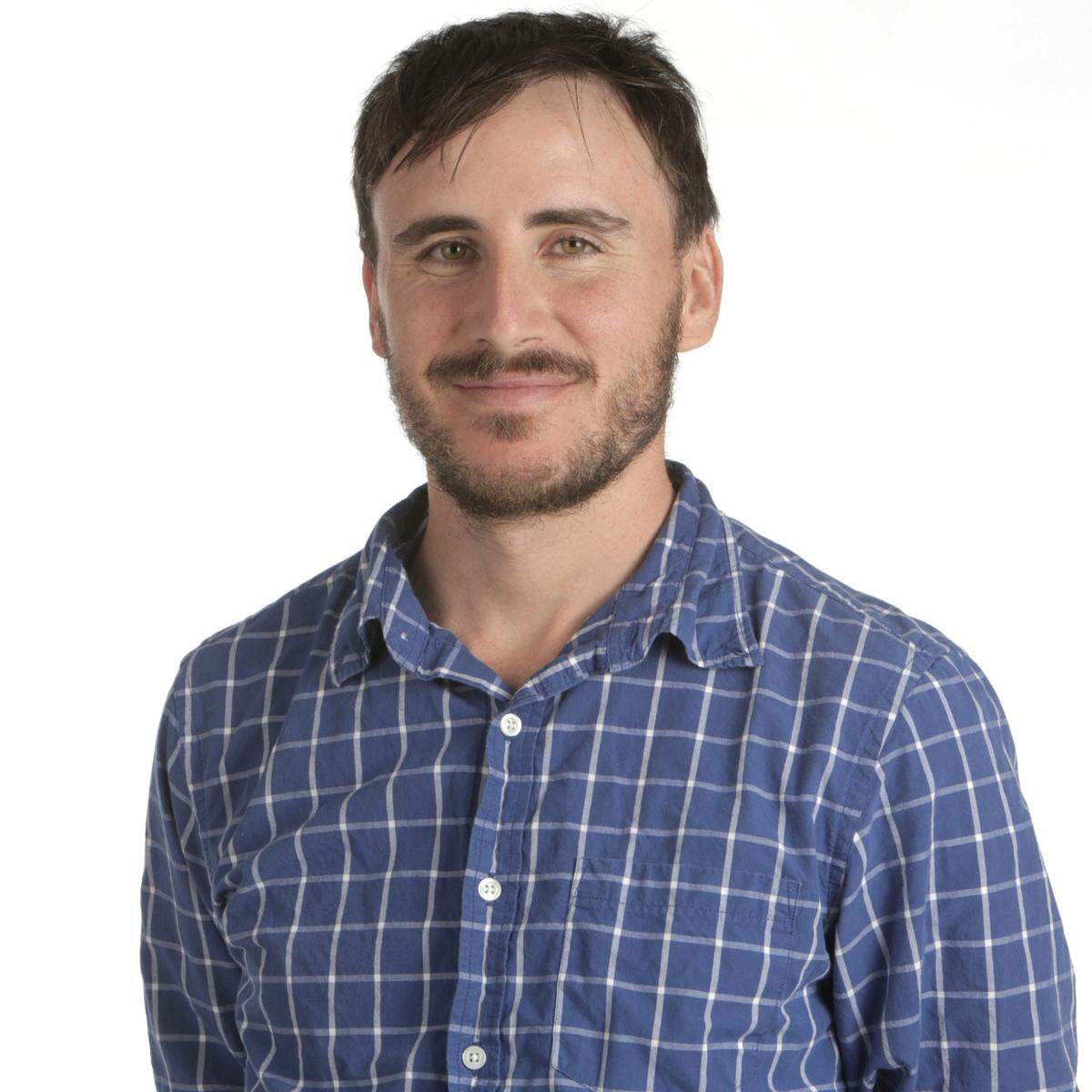
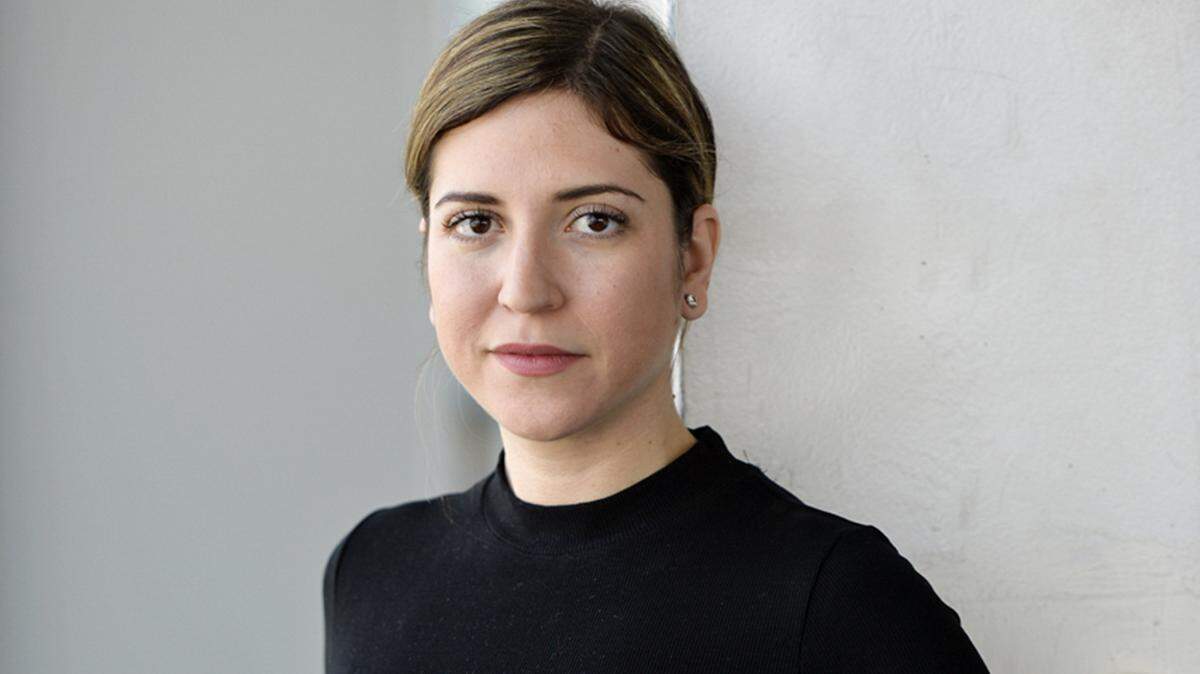
Francesca de Quesada Covey, a Miami native and Facebook veteran, was tapped this summer by the county for the role. De Quesada Covey is currently a partner at TheVentureCity, where she invests in early-stage companies. She moved back with her young family to Miami during the pandemic.
The Miami Herald spoke with de Quesada Covey this week.
MH: What attracted you to this role, and what does it entail?
Francesca de Quesada Covey: It’s similar to the way the mayor [Daniella Levine Cava] sees her role as collaborator-in-chief. Meaning, bringing together the community, or public, private and nonprofit groups to create better opportunities for Miami-Dade residents. It was an opportunity to work with her and create closer alignment between different parts of the county ... and the tech sector, which has been growing during the pandemic, and making sure there is an open and consistent dialogue. As people come in, we want to be sure we are building something that stands the test of time and can become a national hub.
My work comes from supporting the mayor’s four pillars: economy, equity, engagement and environment — and thinking about how tech is a piece of those. This position has been tasked with developing synergies with private sector companies moving here, making sure there are opportunities to help them grow, and also thinking about how nonprofits and other institutions can serve Miami-Dade County. I work closely with universities, working on education and how we can create a robust pipeline of talent, how we can reskill and upskill people. And then I’m also tasked with thinking about how we maintain companies here — how we create deeper relationships and closer alignment with our goals of having them continue to hire in the area.
MH: Right now, we are hearing companies saying they are struggling to find talent — while also hearing local demand for individuals to join and benefit from the tech movement. How can this role help in those areas?
FQC: Miami-Dade County has done a good job of thinking about how we level the playing field and do skill building. A good example is Accelerate Miami Dade, which was announced last week. We really need to be thinking about what we are focusing on, what are the skills needed for in-demand jobs, and creating long-term career paths. We are planning an investment of up to $10 million in rapid credentialing and understanding the skills people need. It’s about making sure there’s an understanding of what the needs are, that we are open and fostering that dialogue, working really nimbly.
MH: The mayor of Miami has been at the forefront of Miami’s tech movement. What role can the county play to partner with him on his efforts?
FQC: There’s so much excitement and energy pouring into South Florida — Mayor Suarez really captured the hometown spirit, it’s one of the reasons I moved back: This community loves to rally around bold ideas and innovative thinkers. We work closely with Mayor Suarez to help him accelerate growth beyond the city — we have regular cadence meetings, check-ins, it’s a constant conversation — making sure what’s being built benefits Miami-Dade as a whole. We want to be thinking about the area not just as a city but what are the area’s unique value propositions, that’s what will set us apart, there’s so many different opportunities, we can be really nimble in what we offer to companies moving here.
MH: How do you plan to address the issue of inequities in tech?
FQC: The mayor [Levine Cava] never looks at things in isolation, and she is constantly looking at how she can be building community. Her budget showed how she looks at the whole pie — she’s really invested in making sure life gets better for people here, and has made major investments in transit with the expansion of the bus network, and affordable housing, so you can live, work and play wherever you want, and have access to the economy.
We’re also about reaching out to communities to make sure we understand — they have seen the influx, many have been builders here already. We want to be making sure that what’s being built is good for all Miami-Dade residents. Beyond just the upskilling and reskilling, there are also issues of fundamental infrastructure, for instance, expanding fiberoptic infrastructure across the county. Without that connectivity, how can you build great products?
Magic Leap raises $500M
Plantation-based augmented reality company Magic Leap announced last week it had raised $500 million at a $2 billion valuation. Under Peggy Johnson, appointed CEO in 2020, the company has pivoted to enterprise and commercial solutions.
A company spokeswoman did not respond to a request for comment about who the investors are, or what Magic Leap’s current headcount is.
Vero Water sells to Culligan unit
Vero Water, a premium filtered water service based in Miami Beach, has sold itself to Quench, a unit of water giant Culligan, for an undisclosed sum.
Founded in 2011, Vero Water grew to operate in 40 states and 14 countries, serving 75 million drinkers a year. The company most recently counted 15 employees at its longtime headquarters on Michigan Avenue near Lincoln Road.
“Miami was an incredible market to incubate us,” said outgoing Vero president and co-founder David Deshe. “One of the effects of this economy is having a lot of restaurants opening every year, so there were always great opportunities to build.”
Vero’s purification system enables hospitality clients to serve water in reusable luxury bottles, saving money and reducing environmental impact.
Twelve Vero employees have stayed on with the acquisition, and it is currently hiring.
This story was originally published October 17, 2021 at 6:00 AM.