Can AI predict the next viral brand? Two new-to-Miami entrepreneurs are betting on it
Tide. Coke. Crest.
Those well-known brands have been around for more than 60 years — and one, for more than a century.
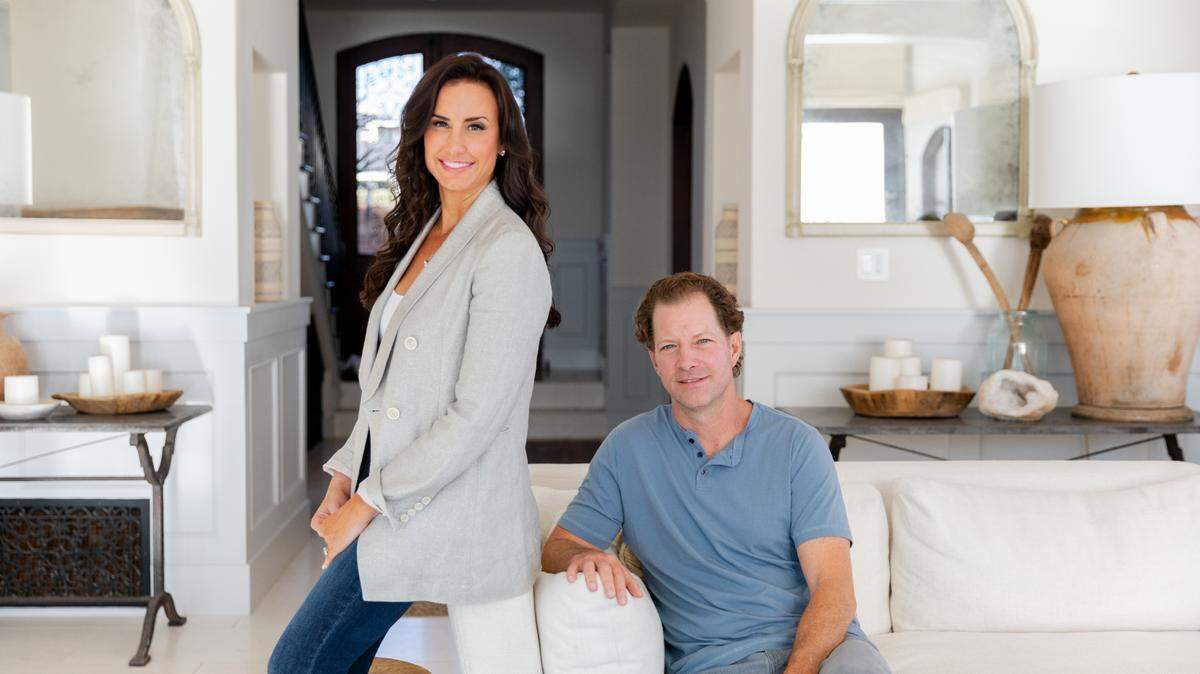
For experienced entrepreneurs — and new Miami-Dade residents — Kim Perell and business partner James Brennan, that makes them ripe for disruption through modern technology. As the name of their new venture, 100.co, suggests, a near-century of the same brands dominating shopping aisles means it’s probably time for new ones to come in.
Of course, shopping aisles themselves have gone virtual. It’s why Perell and Brennan believe digital consumption habits can now be mined by artificial intelligence and paired with a celebrity’s own personal “brand” to launch successful products online. Even reducing the traditional 80% failure rate by 10% would yield massive results, says Perell, who by one count is one of the most successful angel investors in the country. Perell, a mother of four, purchased a house in Miami Beach for $11 million last August.
The goal is to bring products to market in months instead of years, she said — and in the process, “de-risk” the process of launching something whose chances of success may be limited.
“If you look at the opportunity for digitally native brands that are authentic and purpose-driven, the opportunity has never been greater,” Perell said.
Perell’s experience is in direct marketing and advertising; she founded Frontline Direct and is the former CEO of advertising solutions group Amobee. Brennan is the co-founder of cold-pressed juice company Suja. Their new effort, 100.co, represents the pairing of his “art” with the “science” of Perell’s expertise. The pair cited bra company ThirdLove and shoemakers Allbirds as celeb-backed brands launched and almost entirely sold online as already posing real challenges to the likes of Victoria’s Secret and even Nike.
Legacy brands have never been more vulnerable, the duo say. Despite their bevvy of resources, traditional product companies are still likely to be too slow to spot emerging trends, especially among younger generations of buyers. And because many of those trends are set by influencers, 100.co is drafting celebrities to be part of the product design from the start. So far, the company has signed Canadian model Winnie Harlow to help with the design of least one of its initial brands, which Perell and Brennan said are in the health, wellness and beauty space.
“We are looking at who a celebrity’s followers and fans are, and what retailers they shop at,” Brennan said. “In the past, that was done on gut.”
Artificial intelligence is becoming increasingly commonplace, though many may not realize it. While Apple’s Siri is the most high-profile — if not always perfectly functioning — example, anyone using software that tries to learn and make predictions based on their habits is technically interacting with AI. More tangible examples can be found on Amazon and Netflix, whose software takes reams of buying data to predict a user’s next purchase or viewing.
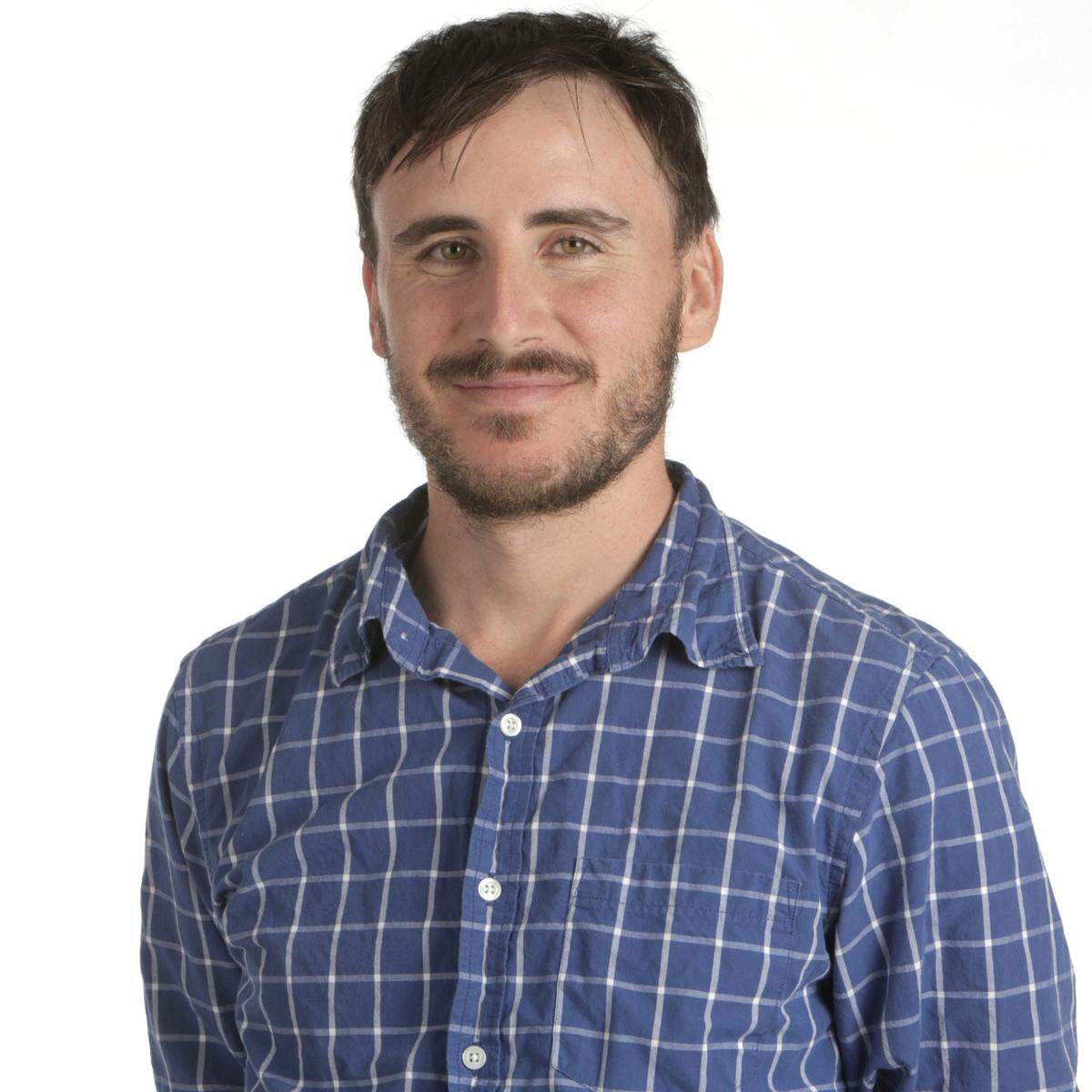
With the right data analytics tools, a concept like 100.co that is aiming to essentially reverse-engineer successful products like ThirdLove is now feasible, said Mark Finlayson, an Eminent Scholar Chaired Associate Professor of Computer Science in the Knight Foundation School of Computing and Information Sciences at Florida International University. He said if a company knows the age, gender, location and other characteristics of an individual, it can use AI software to determine the buying history of others with those same characteristics — and recommend a suitable product.
“Finding these clusters, making these predictions, that’s using artificial intelligence,” Finlayson said.
As high-tech as the concept may sound, Perell and Brennan say launching a successful brand is still a matter of telling a good story. In this case, it’s creating brands out of the purpose-driven, authentic lifestyles of their respective influencers.
“The world has changed, consumers have changed,” Perell said. “I have four kids, and I don’t want to buy something that’s, for instance, not environmentally friendly.” For all their glamour appeal, the function of the celebrity is to tap into the built-in trust they create with their followers.
Given the surge in tech talent and venture capital now sweeping into Miami, Perell and Brennan are confident they can launch here. While South Florida may not yet be an artificial intelligence juggernaut like the Bay Area or Boston, it is making progress. In 2019, Florida Atlantic University launched the state’s first Masters program in artificial intelligence; earlier this year, Miami-Dade College announced a pathway for its students to matriculate directly into it. Also this year, SoftBank announced that its Miami investment initiative would be partial to companies using data and artificial intelligence to disrupt their respective industries. And last week, REEF unveiled its AI-powered delivery robot, which is able to scan its surroundings to navigate barriers to bring dinner to downtown residents.
“I’ve had more great meetings in five months here than in the last five years in San Diego,” Perell said. “It feels like the early-’90s when the Bay Area was just heating up. Everyone here is open to meeting, to connecting — and to building.”