
Greater equity requires change. ‘We cannot conduct business the way we have’ | Opinion
The Miami Herald asked local Black business people what they think is needed to create a more supportive environment for Black businesses and professionals and to encourage greater success for future generations. Here’s what they had to say:
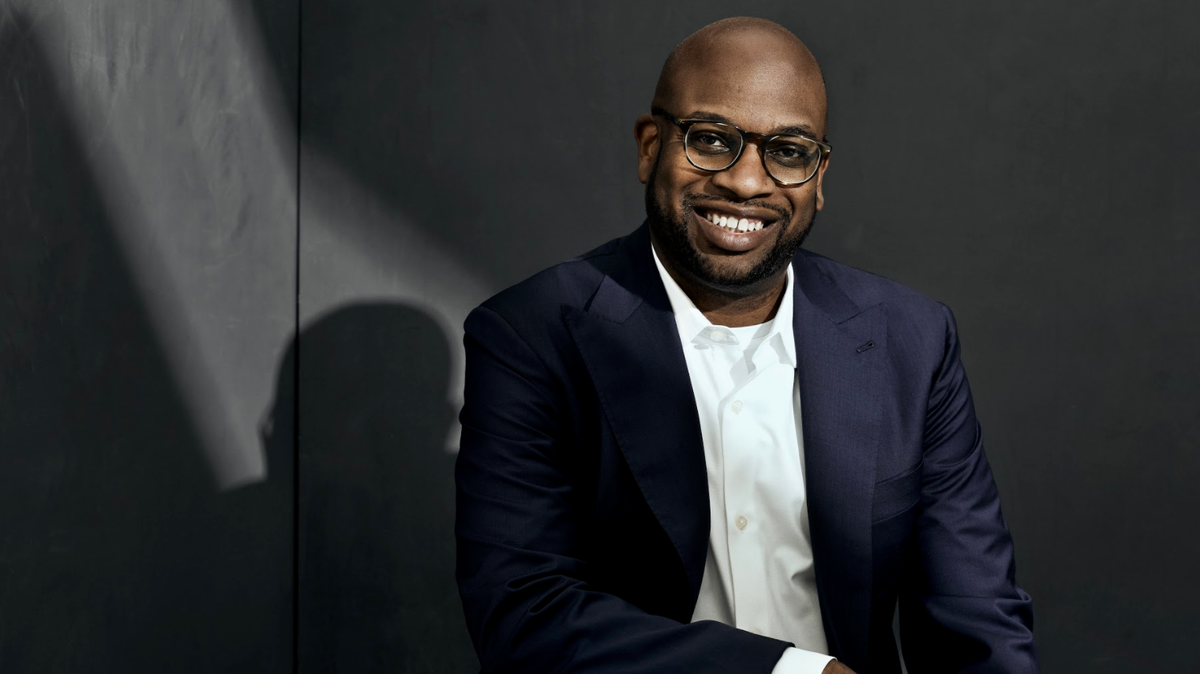
Brian Brackeen, general partner, Lightship Capital:
I think corporations and foundations are too focused on poverty work versus job creation through entrepreneurship. Jobs and wealth creation are the only ways to truly prevent poverty. Yet foundations and charities are only focused on dealing with the symptoms of poverty versus the root cause. That said, charity work is important work, but if you don’t invest in people, and their businesses, then it’s hard to break the cycle. That’s why we are trying to bring [an] accelerator to Miami for minorities. We want to train, and more importantly invest in, founders of color in Miami.

Leigh-Ann Buchanan, executive director, Venture Cafe Miami:
As a community, we need to adopt a common definition of what a supportive environment for Black business and professionals looks like. And I don’t mean an aspirational statement, but a Black experience-centered framework that is anchored by accountability, investment and measurable outcomes. This won’t be an easy task given that Black leaders are woefully underrepresented in board or executive leadership positions within a majority of our local institutions of power — including large corporations, foundations, and financial institutions, in particular our community banks. Yet, I believe we have no choice but to do the work.
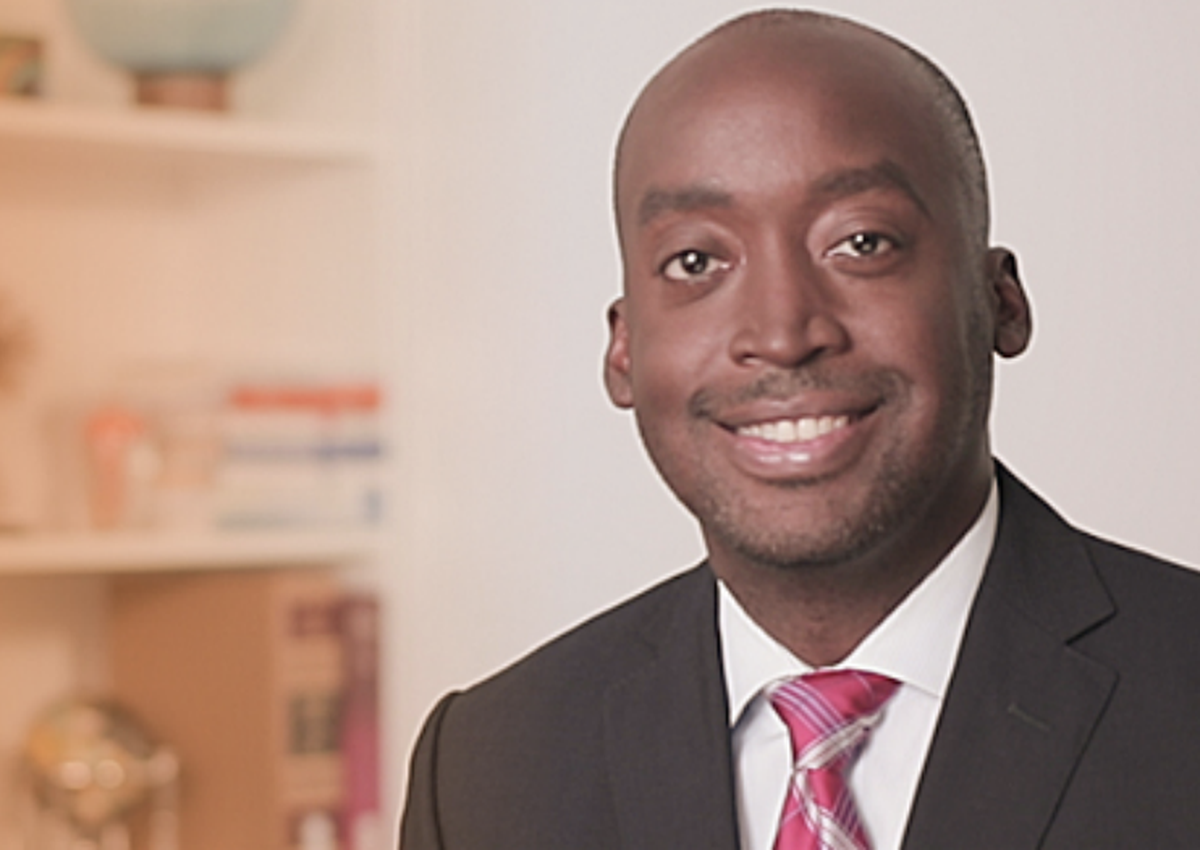
Adrian Felix, partner, Bilzin Sumberg:
The conversation must be held continuously throughout the year...What I’d like to see from developers is taking down some of these run-down buildings where residents don’t have a good quality of life. You have residents that are beholden to less-than-ethical landlords, and these buildings...you see things like mold growth, that are not kept up. People shouldn’t live like that. That’s what I would like to see, that’s where I would be looking, to change those buildings to improve local neighborhoods.
.png "MichaelFinney_Headshot (2).png")
Michael Finney, president and CEO of the Miami-Dade Beacon Council, the county’s official economic development agency:
“It’s in everybody’s best interest for the Black business community and the Black community to have success. It’s not a win or lose, it’s a win-win.”
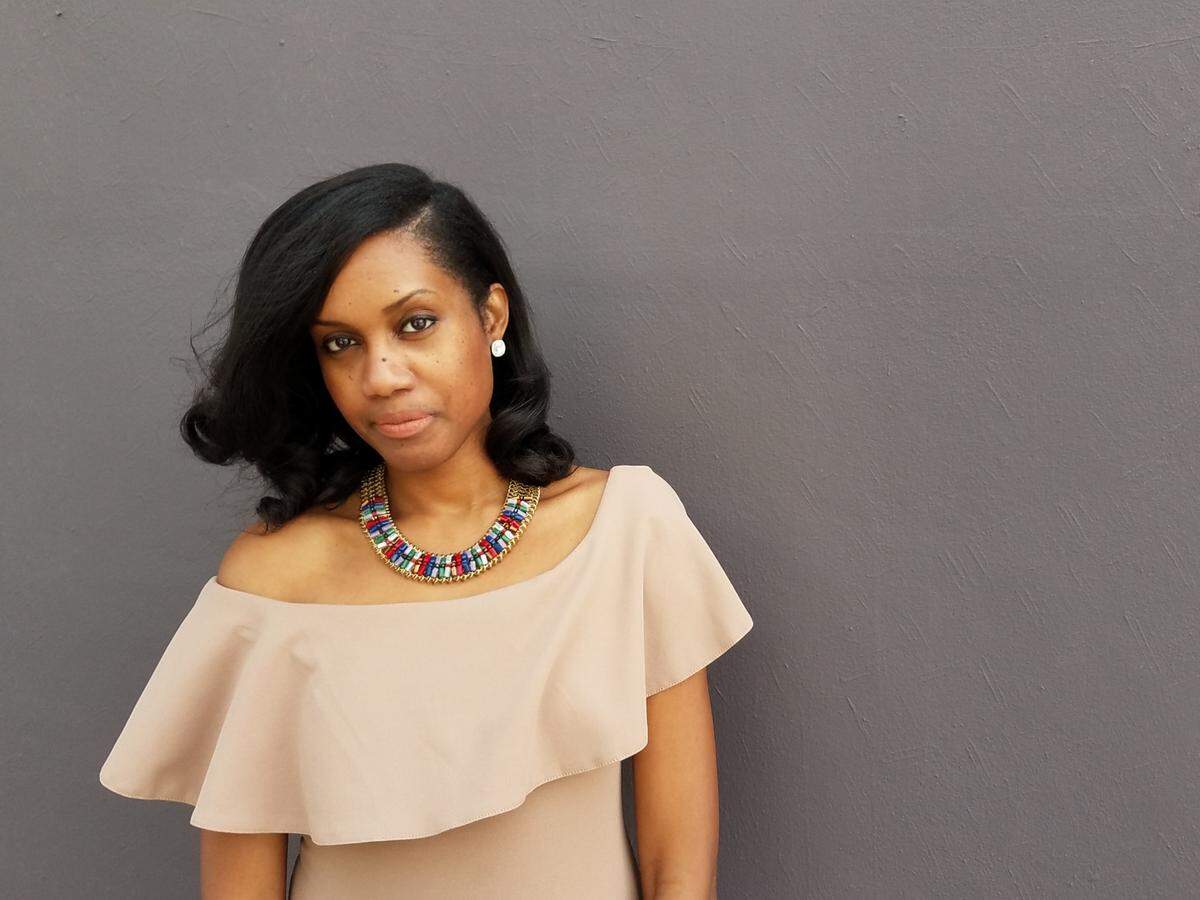
Fabiola Fleuranvil, chief marketing officer, Blueprint Creative Group:
Economic equity is what’s missing in this county, and as a result, there’s a Black brain drain that’s getting worse every year, and we’re losing Black talent and Black businesses to counties north and out of state. Miami-Dade County needs its own anti-racism solution starting with intentionally increasing procurement to Black firms to reflect the percentage population in the county. This could take shape in many ways, including a mentor protege program for Black businesses and the largest private-sector employers ensuring that their supplier diversity programs also reflect the population.There needs to be funding for a Black talent development program to retain and recruit talent... Funding is needed to provide technical training for back-office support for Black businesses. Funding is also needed for Black business accelerators to provide marketing, tech infrastructure and growth strategies for these businesses.
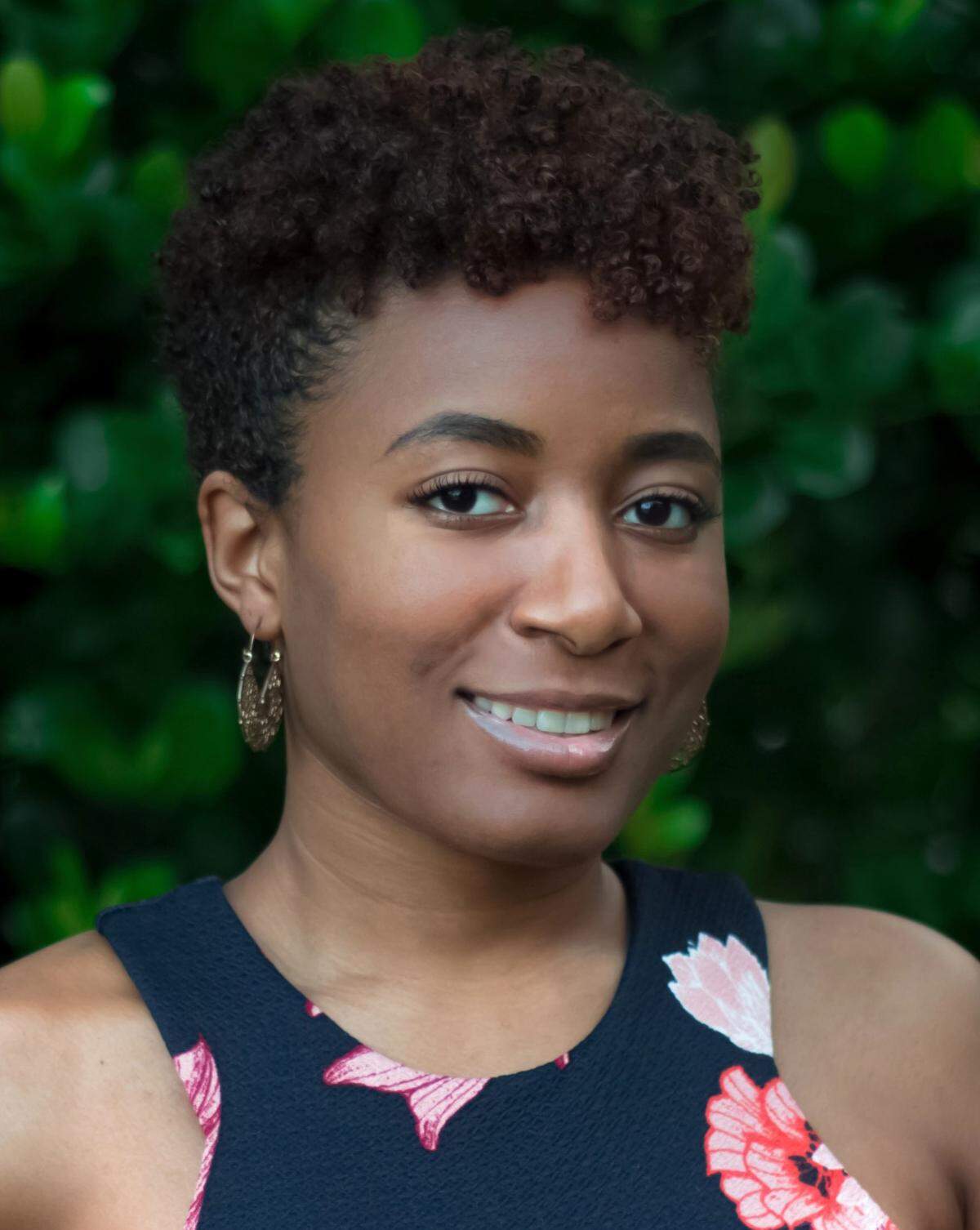
Anita François, founder and CEO of Black Travel Summit:
“We need endorsements by professionals within the community with the social and political ability to move us forward because we are behind and unfortunately we need that leg up. That begins by listening to our stories and needs, and providing us with a platform to speak — and by doing business with us, because we have much to offer.”
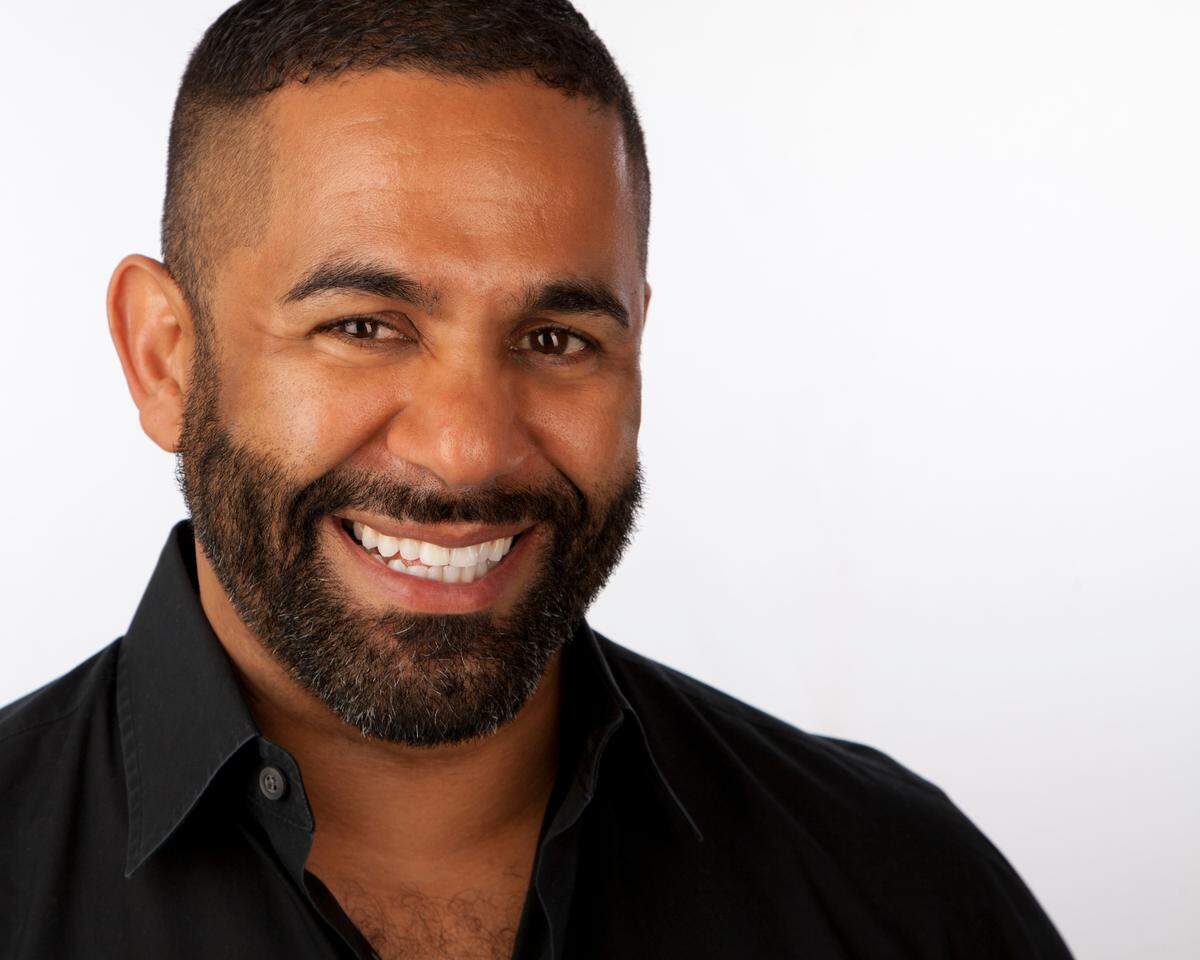
Daniel Gibson, regional vice president of Miami-Dade for Allegany Franciscan Ministries:
“We need improved access to all types of capital, starting with financial but also social and political, and just having more voice and strength and representation. Something we’ve been looking at is increasing Black role models and having a network of Black entrepreneurs supporting each other, the way the Latin community does. The customer base is important, too, and having a community that puts value in businesses run by people of color.”
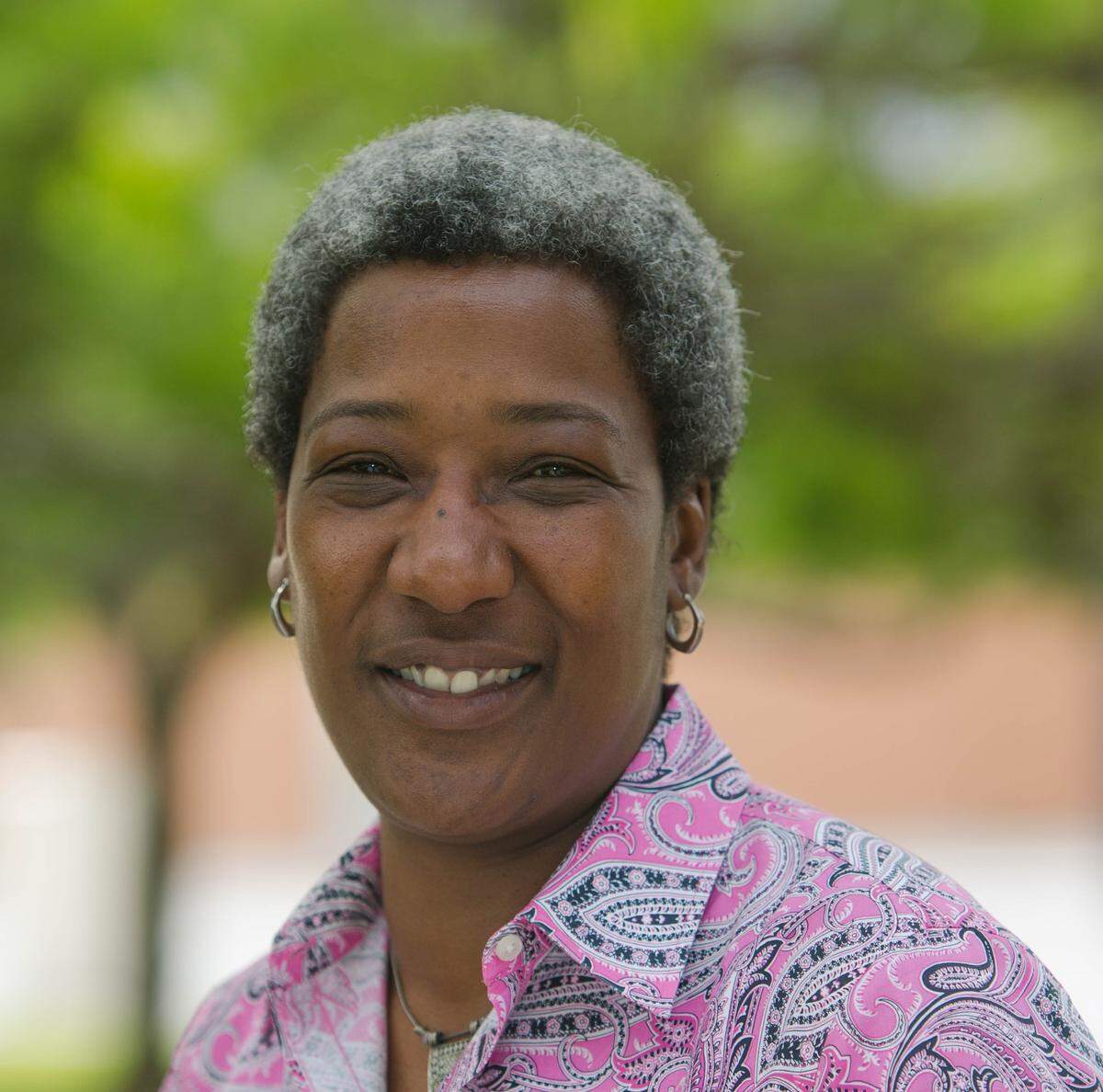
Charisse Grant, senior vice president for programs and grants administration, the Miami Foundation:
We need “greater and more equitable access to capital.... The wealth gap that we see and have always seen and the roots of that in racism meant that for generations, people who were not Black had the ability to accumulate generational wealth. From the starting point of this nation, you had a group of people, Black people, who were legally prohibited from following that path. So the wealth gap is generational. In order to build a business, you have to have access to capital.”
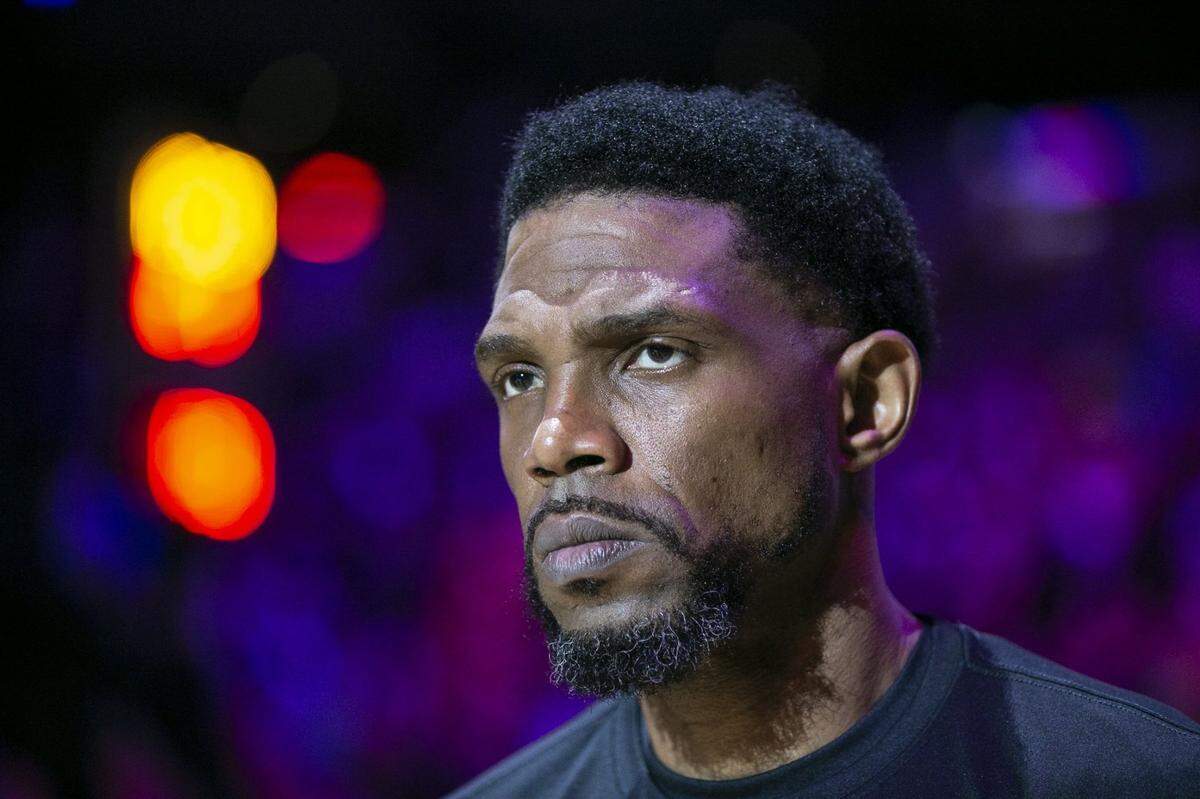
Udonis Haslem, Miami Heat veteran and Miami-Dade County native:
“We can’t be beating each other down. We got to pick each other up. I see so much going on with so many of our people having so much to say because somebody’s not protesting the way you think they should. And now that brings conflict amongst us... Just because they might not be out in the streets protesting doesn’t mean they’re not sitting down with commissioners and mayors behind the scenes. “

Felecia Hatcher, co-founder, CodeFever and BlackTech Week:
First I would say is acknowledging that this is an issue. Because South Florida is diverse, I feel there is an assumption that there are not major issues; we’ve swept it under the rug. That’s impossible to do now! We cannot conduct business the way we did, pre-COVID and pre-George Floyd. In the short term, making changes to vendor and procurement processes to be more direct and intentional is a first start in supporting black businesses. Are there Black vendors in your portal? If not, did you reach past your networks to find some? We’re they considered?
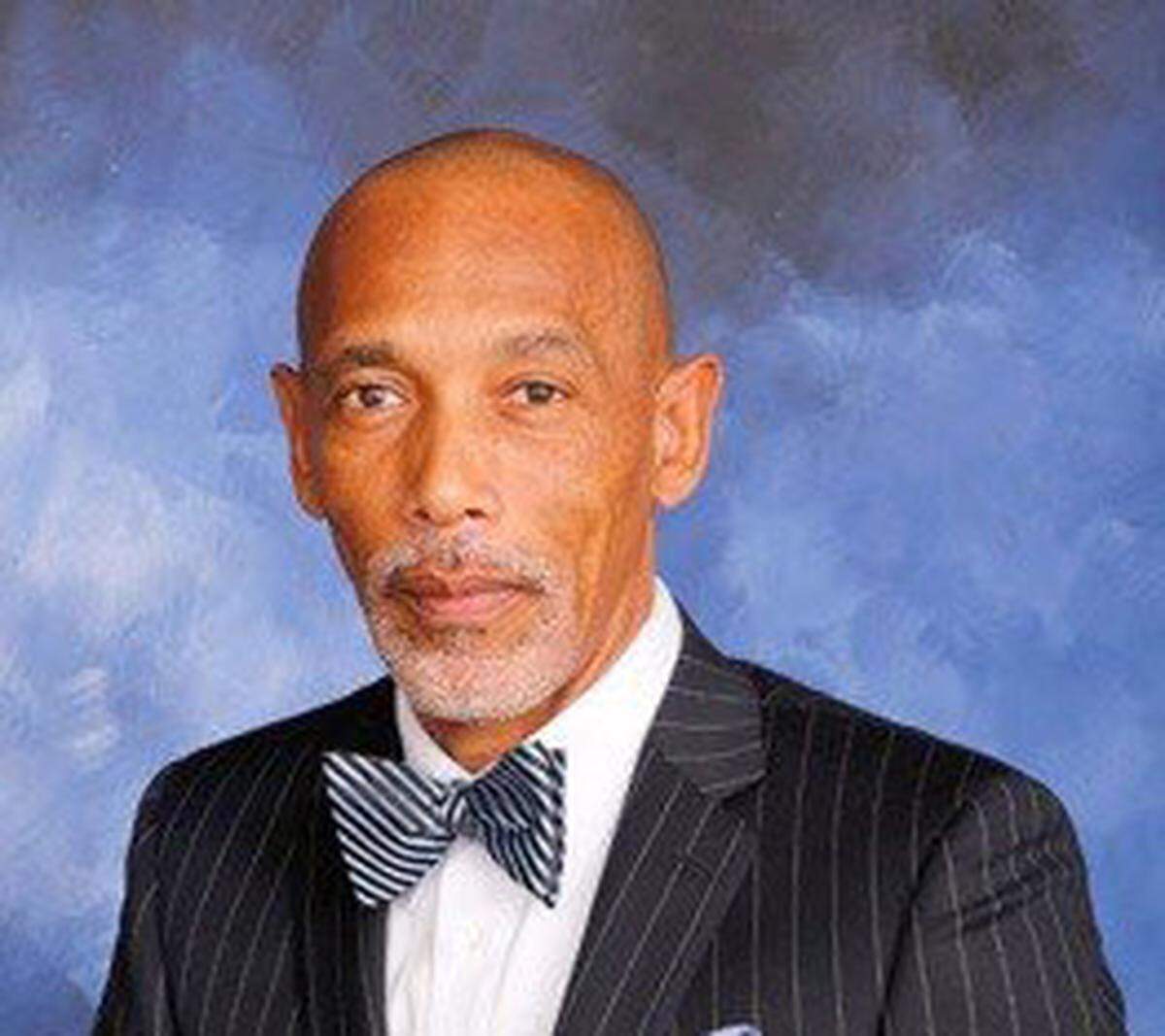
Eric Knowles, president and CEO, Miami-Dade Chamber of Commerce:
“Government has to change policies. It’s not something you have to study. It’s already known… There needs to be a structured and dedicated capital campaign to support Black businesses. There needs to be mentor protege programs put in place for Black businesses to scale. Public private partnerships all need to require that a Black businesses be a part of any P3 project. At minimum, 15% of those projects should require Black participation.”

Yve-Car Momperousse, co-founder and CEO of Kreyòl Essence:
“I think one of the things the city could do better is provide more incentives. Right now we’re looking for warehouse space, but it’s been extremely difficult. There’s supposed to be incentives in Little Haiti and Magic City, but the price range is not realistic. Triple-net terms are not what you want to do when you want to spur small business. I’ve been a bit disappointed in what we found there.”
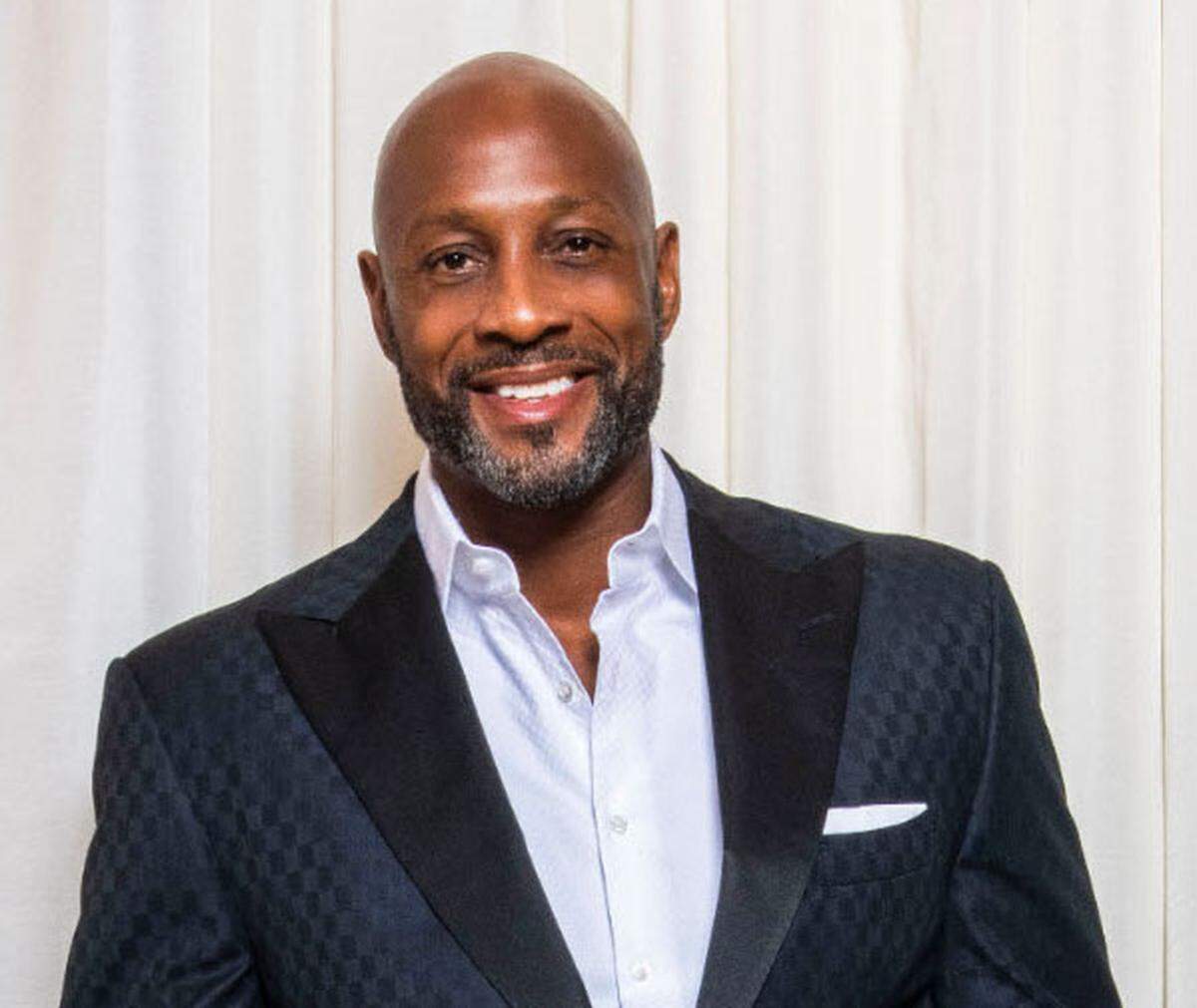
Alonzo Mourning, NBA Hall of Famer and co-founder of Overtown Youth Center:
“The only way that we’re going to see a difference in the economic disparity is we’ve got to invest our time obviously, and we got to invest a significant amount of funding. That’s going to provide the necessary support in these grassroots areas for children and families. And I’m talking about pro bono services. Ultimately you won’t see a difference within a year. It’s going to take 12, 15 years, you know, but it has to be a consistent. Nobody in the history of our world has accomplished anything without somebody making some type of investment in them or supporting them in their journey.”
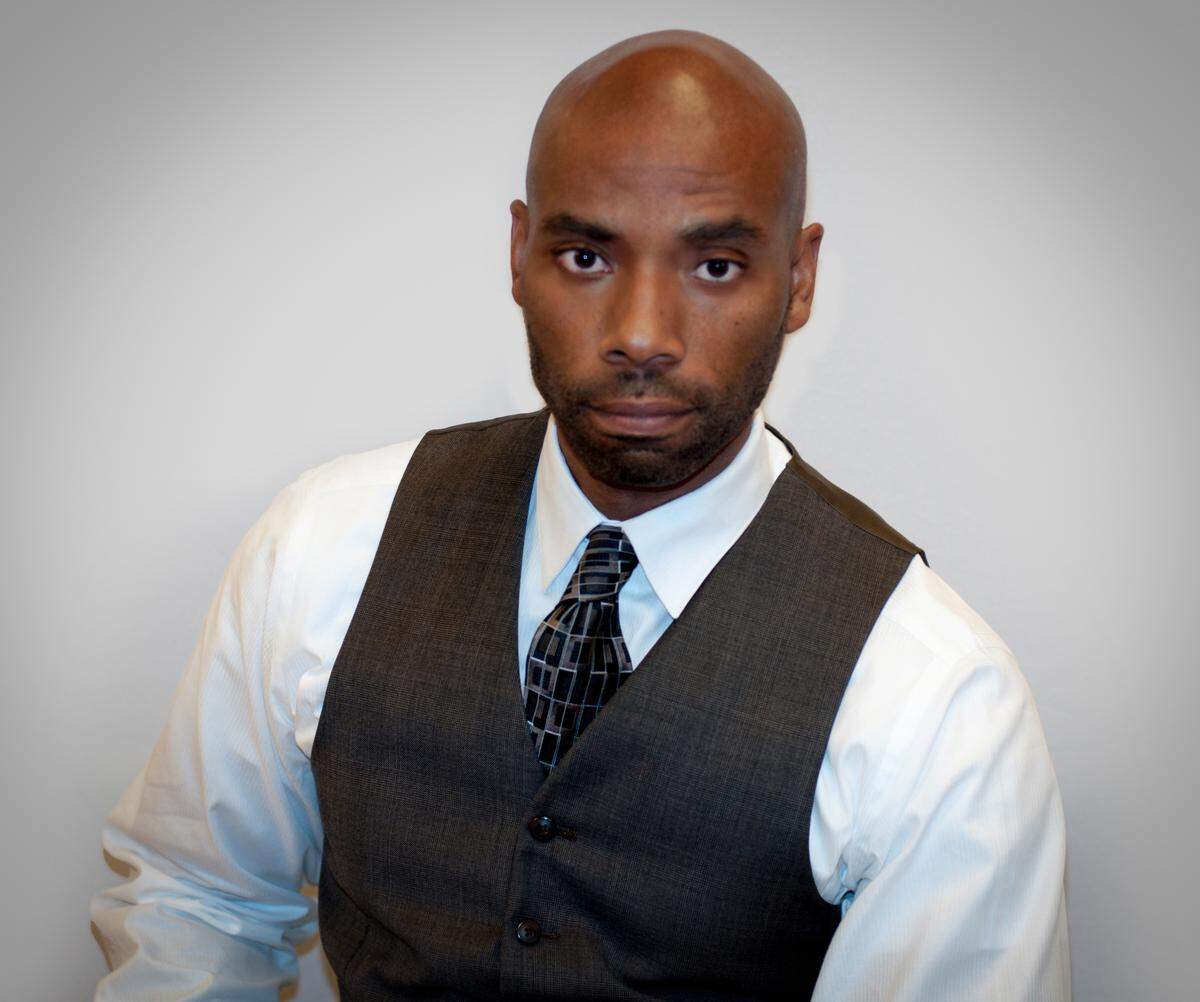
Trelvis Randolph, president of the Wilkie D. Ferguson, Jr. Bar Association and partner in the Miami office of Quintairos, Prieto, Wood & Boyer, P.A.:
Look at your staff, look at the people working in your organization. Who are the ones making the decisions about the direction and growth of your firm? ... You have to make the goal not just diversity, but inclusion...That means when you hire someone, place them in positions where they’re making or contributing to critical decisions [affecting] the firm.
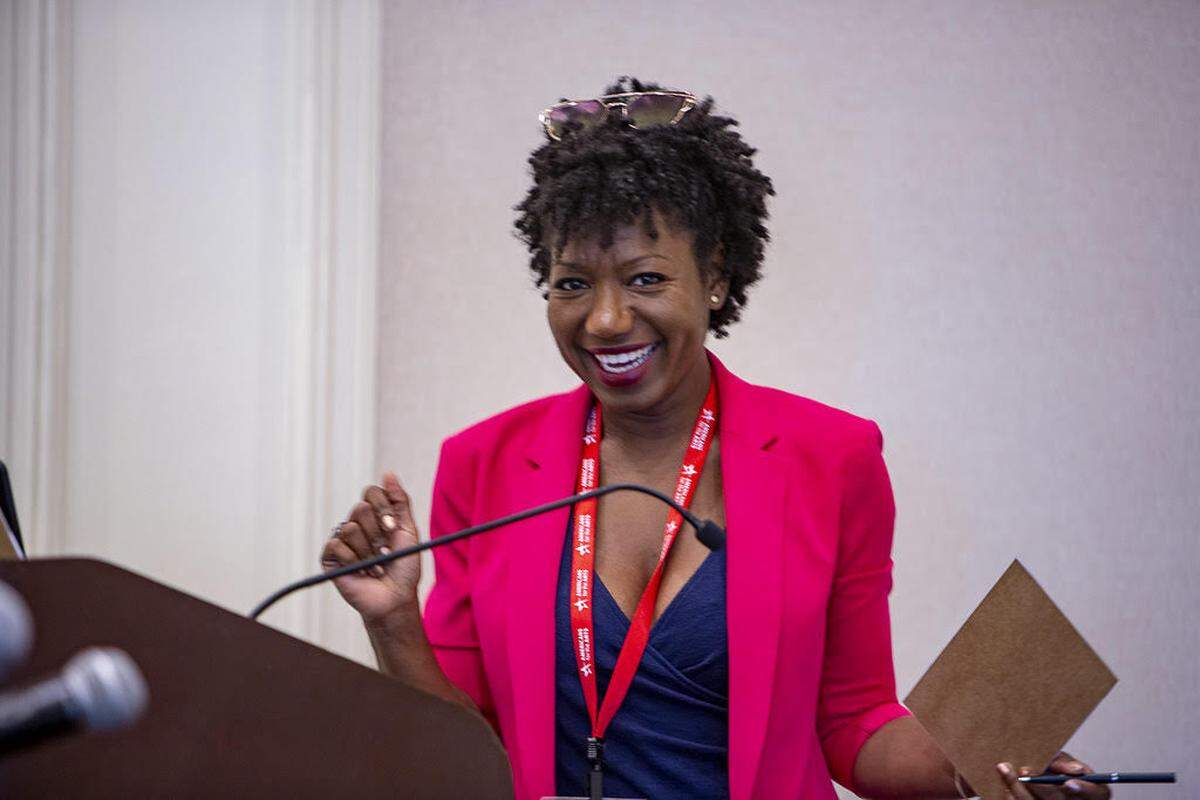
Ashlee Thomas, co-founder and president of MUCE, a Miami-based arts production company:
“People work with whom they’re familiar with. If the dominant culture works with the dominant culture then there’s likely a minority group that’s being left out of those circulating dollars ... People in power should work on stepping out and seeing other things the same way minorities step into their world and learn their ways to get to work with them.”
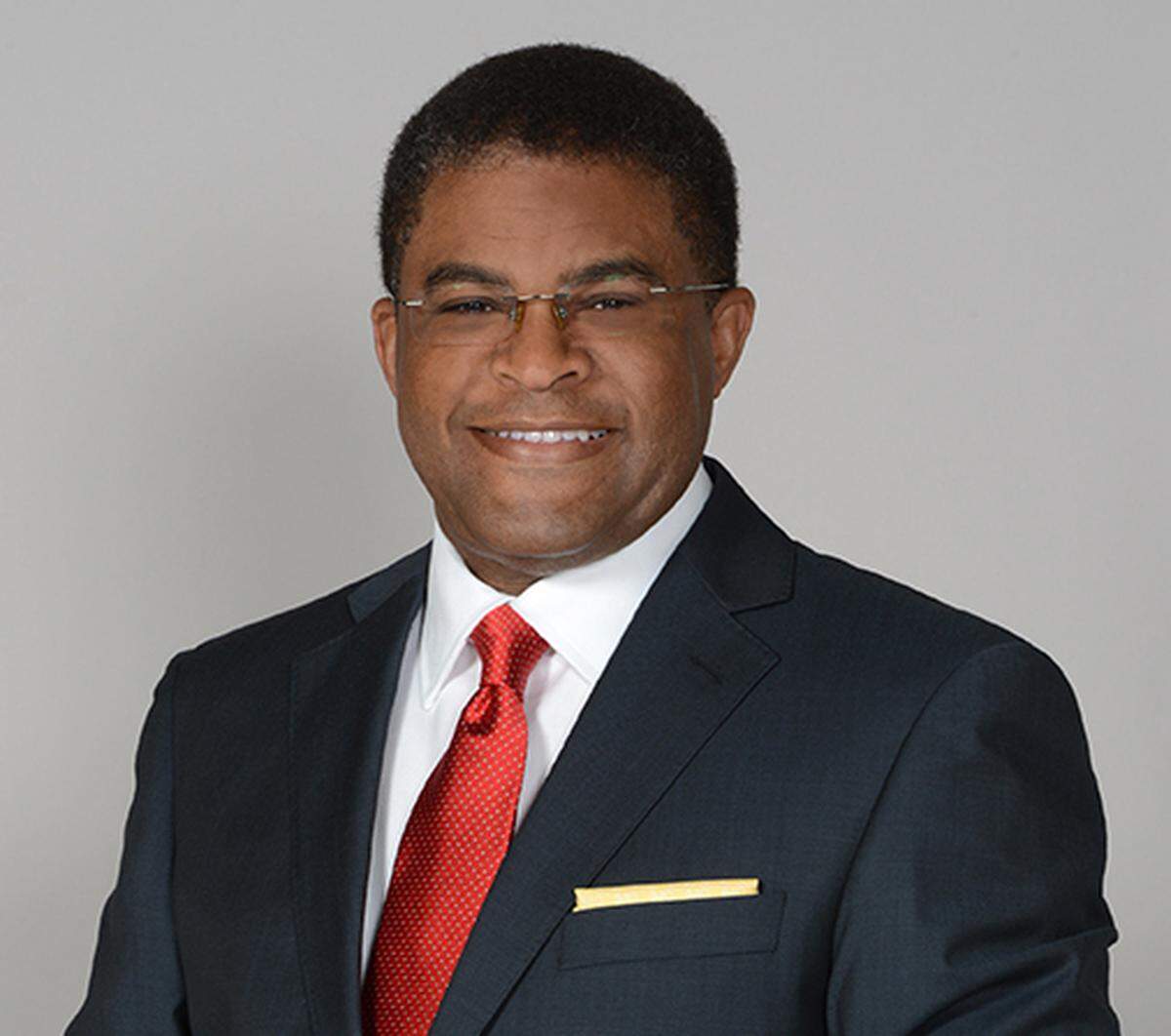
James B. Wright, Member of Miami-Dade Economic Advisory Trust’s Economic Development Action Committee:
In order to address enduring poverty, we must address both crime and poverty; they are inextricably joined at the hip. We accomplish this by leveraging an ecosystem (private sector investments, access to quality education, housing and capital, adequate public transportation, and financial education) which will lead to higher employment wages and self-sufficiency. Without the ecosystem, I believe, this exacts a toll from the inhabitants and may exacerbate their own personal challenges and limit their life choices.