
Monkey Jungle has reopened. Here is what has happened since the animal-abuse allegations.
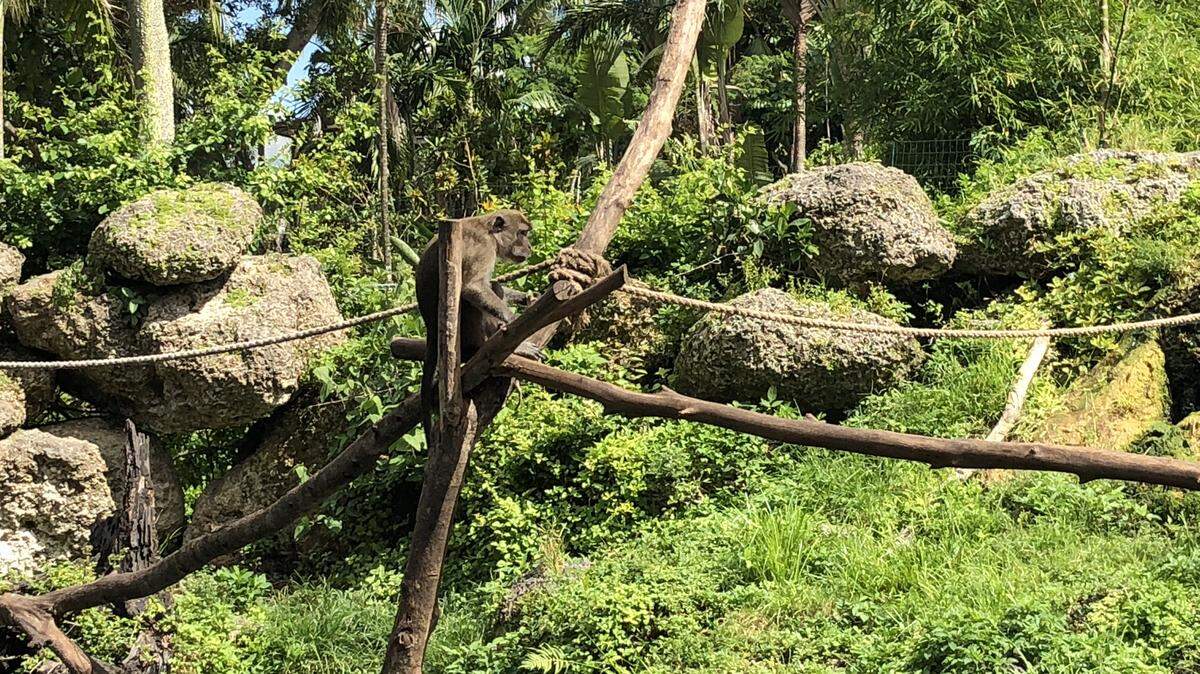
Late 2017 and early 2018 brought one obstacle after another: damage from Hurricane Irma, allegations of animal abuse, the death of one of its most beloved animals. Now, Monkey Jungle is slowly getting back on its feet.
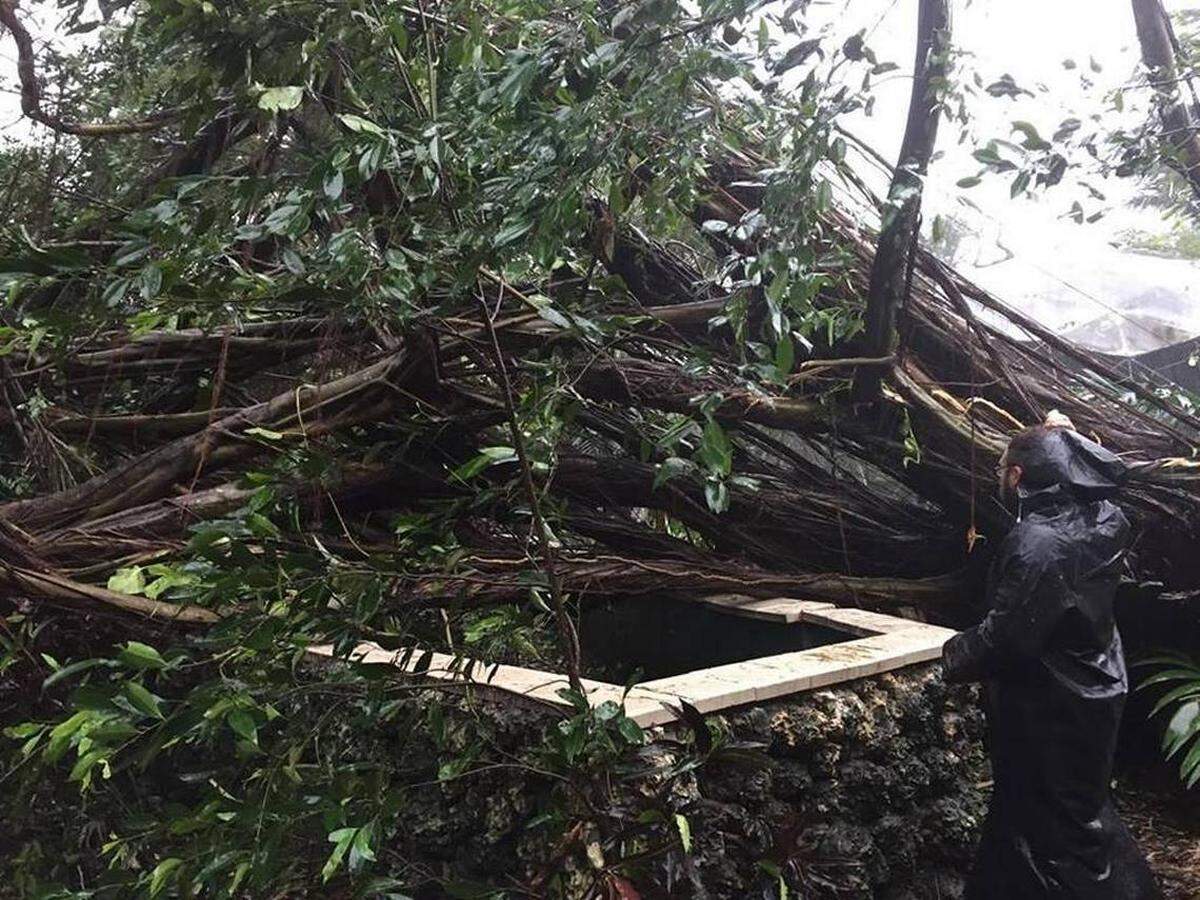
The animal attraction in south Miami-Dade County quietly reopened on May 1, following an extensive clean-up project at the 30-acre park. Hurricane Irma wreaked extensive damage at the 83-year-old, family-run attraction in September, downing massive trees. A GoFundMe campaign raised nearly $18,500 for the repairs, which the park estimates cost about $400,000.
Irma is now mostly a memory. During a visit to Monkey Jungle this week, little tree damage was visible in the thickly forested areas of an attraction that bills itself as a place where the “humans are caged and the monkeys run wild.” But a thinner tree canopy and the summer heat have presented a challenge, said director Steve Jacques. Attendance is good but not excellent, he said; the park attracts about 100,000 guests a year. On a recent Wednesday afternoon, the only visitors visible were a summer-camp group and a handful of families.
“It would have been nice to open by January for the season but we didn’t feel we were prepared or ready for the people to have the experience we wanted them to have,” Jacques said.
During the eight months when the park was shuttered, it faced some of the greatest challenges in its 80-plus-year history.
In November, eight former park employees claimed the park was confining its animals to small, filthy enclosures, leaving medical problems untreated, and withholding food.
Though the park did not initially comment on the allegations, it later released several statements to the Miami Herald saying the accusations were false.
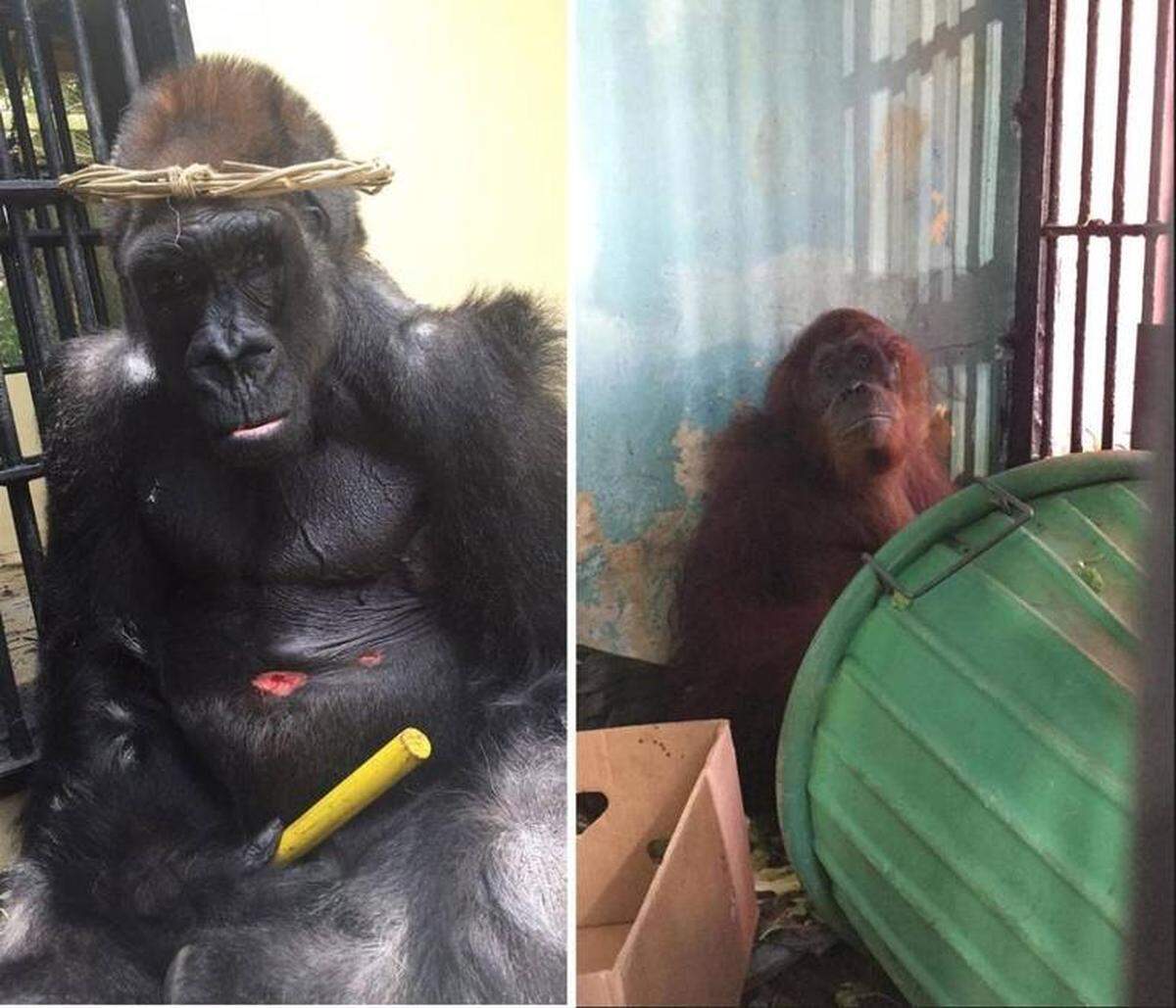
In an interview on Wednesday,Jacques and park owner Sharon Dumond addressed the allegations. They claimed that one of the former employees staged photos of the park’s star orangutan (Mei) and gorilla (King) in sub-par conditions.
That employee, Melanie Lustig, alleged that the park had keptMei in her enclosure, called a night house, after Irma. Lustig said the conditions in the night house were deplorable, and Mei was not allowed, due to park management’s insistence, to move elsewhere. But the park contends that Lustig was purposefully not cleaning the enclosure and that Mei’s brief confinement was a safety precaution required by storm damage. Lustig quit her job as great-ape keeper in September 2017 over the disagreements.
Still, Lustig’s accusations were corroborated by more than half a dozen former employees, some of whom worked at the park years prior to the 2017 allegations. Some said the park didn’t properly care for its 49-year-old gorilla, King. He had red, bleeding sores on his abdomen and back.
Dumond said King’s sores have emerged over years of him picking at the area out of anxiety and that the park has tried creams and sprays to alleviate the issue. The park’s veterinarians, Dr. Thomas Goldsmith and Dr. Barbara Tomaras, are trying a powder in hopes that it could help the tissue close the wounds, Dumond said.
“We are just trying to keep everything going and do a good job,” Dumond said.
As for the other accusations, Jacques said every statement was false.
“When people leave places for certain reasons and they are unhappy, they’ll jump on a bandwagon,” he said. “That’s all I could say.”
Monkey Jungle is inspected annually by the USDA and biannually by the Florida Fish and Wildlife Conservation Commission. The park was re-inspected by the USDA following the allegations in late November in what the USDA called a “focused inspection.”
“No non-compliant items identified during this inspection,” USDA wrote in its report.
Then in December, came another blow.
An annual physical exam of Mei found the 33-year-old orangutan had a very large tumor that was pushing on her organs. The park consulted with the Center for Great Apes, a non-profit great-ape sanctuary in Central Florida, to move Mei for surgery. Dumond agreed to leave Mei there after the operation because the center had the necessary facilities for the three- to five-month postoperative care that was needed.
But days after her surgery in late January, Mei died. The park did not announce the death but tells guests about her passing when they ask about her.
“The loss of Mei was very personal for [Dumond] more than anybody else,” Jacques said as Dumond wiped her eyes. Mei, unlike King, was born in the park. “We needed our time to deal with it. We aren’t looking for sympathy. ... We were bouncing off of what just happened [with the allegations].”
Center for Great Apes founder Patti Ragan confirmed Mei’s death and said a necropsy found the tumor was very large and had likely been there for several years undetected.
“I don’t think it had to do with her environment, our vets didn’t feel that way,” Ragan said. “It wasn’t noticeable. Nobody really knew the extent until the surgery.”
Up next for the park, Jacques said, is rebuilding the tree canopy.
“We’re a small operation and we’re not going anywhere,” he said. “We have been here for [83] years, we have been hit with it all. If they want to bring it, they can bring it, and it is what it is.”
This story was originally published July 12, 2018 at 5:36 PM.