
Jogger who had COVID knew something was wrong after his run — very wrong
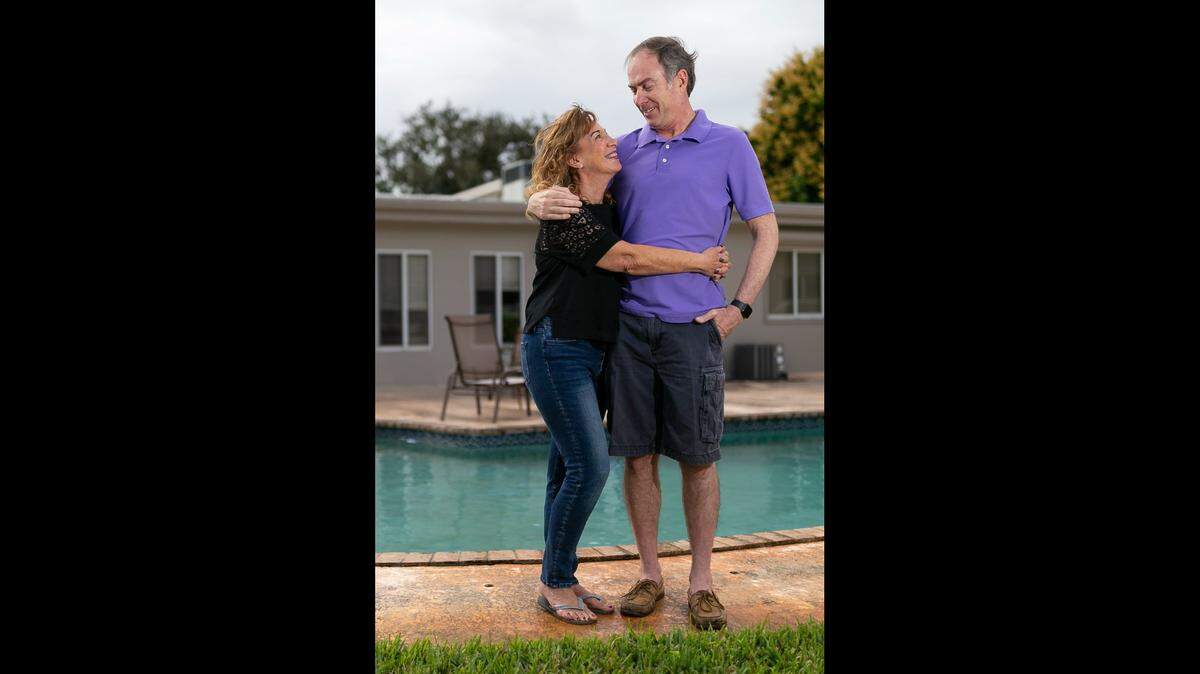
When Larry VanDusseldorp, a fit 51-year-old, contracted COVID-19 on Oct. 1, he knew it immediately. It started with chills in the middle of the night and progressed through the classic gamut of coronavirus symptoms.
After his positive test for the virus at Memorial Regional Hospital in Hollywood, he took the next three weeks off to recover and returned to work on Oct. 25.
But his bout with the coronavirus was far from over. Although he said his COVID symptoms were relatively mild, by the end of November, he still wasn’t feeling 100 percent. Despite a lingering cough, he decided to resume short jogs.
During his Nov. 29 run, he noticed his heart was racing. When he got home, his Apple watch told him his heart rate was high, then low.
“I started sweating profusely. I could barely stand up and I had shortness of breath,” said VanDusseldorp. “I turned to my wife and said: ‘Drive me to the hospital immediately. I’m having a heart attack.’ ”
The Hollywood man was right.
That day, VanDusseldorp joined a growing number of post-COVID patients who after seemingly recovering from the virus experienced cardiomyopathy (disease in the heart muscle), irregular heartbeat or blood clots.
“As a result of COVID, I got blood clots. I had 100 percent blockage of the [left main heart] artery,” said VanDusseldorp, who had a cardiac stress test as recently as March 2020 and been given a clean bill of health.
Dr. Eric Rosen, who was on call, reached Memorial Regional within minutes and performed a cardiac catheterization and put in a stent.
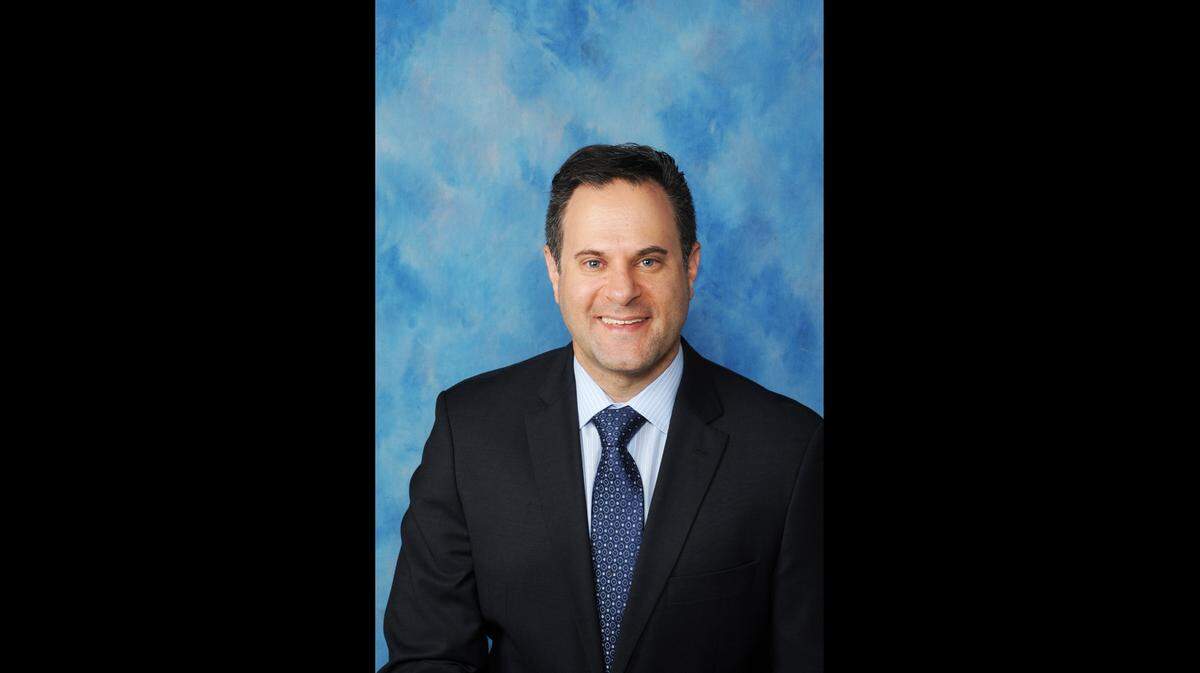
VanDusseldorp, who was born at Memorial Regional, credits the quick care he got there with saving his life. “It could well have been the place where life began and life ended,” he said.
COVID’s impact on the heart
What has become increasingly clear as the months of the pandemic have ticked by and as doctors’ experience with COVID-19 grows, it is not just a virus that afflicts the lungs or respiratory system.
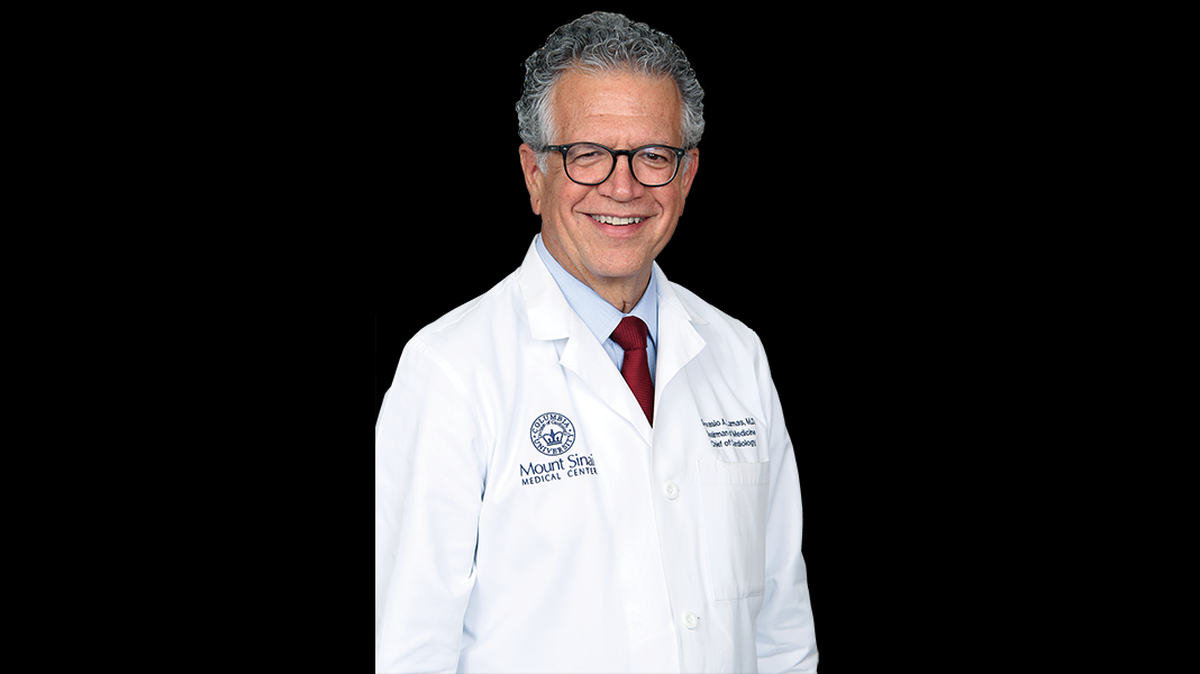
“COVID does not discriminate. It’s really a virus that affects multiple organ systems throughout the body,” said Dr. Gervasio Lamas, chair of medicine and chief of cardiology at Mount Sinai Medical Center in Miami Beach. “It affects the heart in several different ways.”
The virus may enter the heart muscle directly, causing damage, or it may trigger a so-called cytokine storm — the release by the immune system of a deluge of inflammatory proteins called cytokines — that causes collateral damage to the heart, said Dr. Raul Mitrani, a cardiologist and researcher at the University of Miami Miller School of Medicine.
Other mechanisms seem to cause blood clots, and “just the stress of a COVID-19 infection can have an adverse effect on the heart,” said Mitrani.
The low blood pressure associated with viral infections can also cause worsening issues for cardiac patients, said Dr. Jaime Hernandez-Montfort, director of cardiovascular research at Cleveland Clinic Florida in Weston.
Low oxygen levels and injury to the lungs caused by the virus also put more stress on the heart, he said.
Heart involvement may lead to more complications for both COVID patients with a history of cardiovascular disease and those with no previous heart problems and can make treatment of the virus more difficult.
Seeing more heart attacks
Rosen, who is chief of cardiac services at Memorial Regional, said about seven months ago as the pandemic really took hold, he started seeing more otherwise healthy men like VanDusseldorp presenting with heart attacks.
“I’m seeing a lot of patients who are just not feeling right who had no heart problems before COVID,” he said. “In this case, they should definitely check in with a cardiologist.”
Doctors at the University of Miami Miller School of Medicine found that 20 to 30 percent of patients hospitalized with the coronavirus showed some evidence of myocardial involvement.
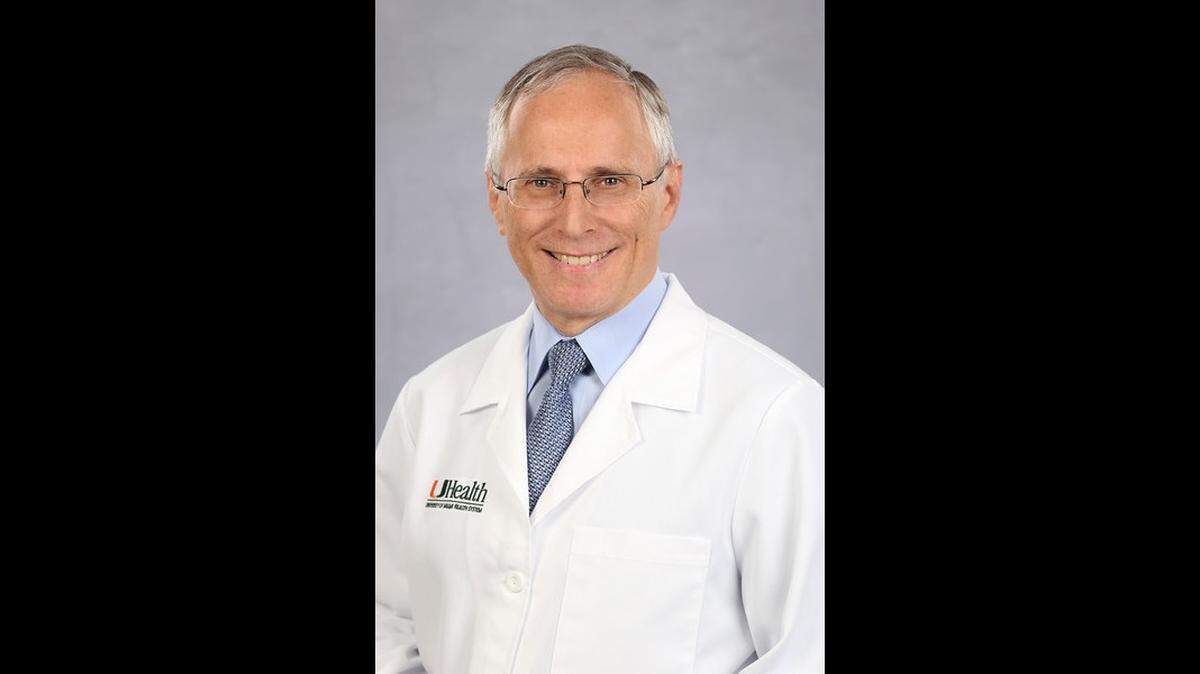
About 30 percent of the patients hospitalized with the virus were found to have elevated levels of troponin, a heart muscle protein mostly used to detect heart attacks but that can also be an indicator of any damage to the heart, said Dr. Jeffrey Goldberger, chief of the cardiovascular division at the University of Miami Miller School of Medicine.
“Initially we thought those most at risk were those with more severe cases of COVID, but that’s not always the case,” said Mitrani.
German study raises concerns of COVID heart impact
UM researchers began to really focus in on the link between the virus and heart complications after an “eyebrow-raising” German study came out in July, said Goldberger.
The German study found that 78 out of 100 patients who had COVID showed some abnormal heart finding on an MRI and that 60 percent of the patients showed evidence of heart inflammation. Of the 100 patients, two-thirds had not been sick enough with COVID to require hospitalization.
UM researchers were particularly concerned about the implications for athletes because the study suggested that even mild cases could produce cardiac damage in many patients.
“Athletes shouldn’t be doing any intensive exercise program if they have cardiac inflammation. They need to rest the heart,” Goldberger said.
But closer examination of the German data showed many patients in the study had underlying conditions. “We don’t believe those numbers are accurate,” Mitrani said.
Miami protocol examines athletes’ hearts
UM researchers developed what they call the Miami protocol, a series of tests that evaluate athletes’ fitness and heart health after they test positive for COVID.
Unlike the German study, an MRI is not part of the routine screening and is only done if the other tests indicate a more serious heart condition.
Of the more than 120 professional and collegiate athletes screened under the Miami protocol, only 4 to 5 percent showed any heart abnormalities, Goldberger said. Most had had mild COVID symptoms, and none were hospitalized.
“It’s reassuring to know there is a relatively low incidence of damage or inflammation among athletes, but athletes push their hearts to the limit so it’s important to know if they need to rest or take medication after COVID,” Mitrani said.
Not only is the Miami protocol recommended for collegiate and professional athletes after COVID, said Goldberger, but also for recreational athletes.
“There are multiple pathways by which the COVID-19 virus can injure the heart,” he said.
Among them are:
▪ Clots — It appears COVID-19 may affect the coagulation system by causing the blood-clotting factor to overreact. “The blood is a little more sticky, making it more prone to clot,” said Rosen. COVID-19 also may be causing some type of dysfunction in tiny blood vessels. The relationship between clots and COVID is the subject of ongoing studies, Rosen said.
Whether administering anti-coagulations to COVID patients is the best protocol is also under debate, Lamas said.
▪ Atrial fibrillation — COVID also seems to trigger Atrial Fibrillation (AFib), an irregular heartbeat that can lead to blood clots, stroke, heart failure and other complications. AFib can cause clotting problems and people with AFib are at a five times greater risk for stroke.
“Most patients with arrhythmias (irregular heartbeats) have had problems prior to COVID,” said Mitrani, “but inflammation and stress can also trigger arrhythmia problems.”
▪ Postural Orthostatic Tachycardia Syndrome — Commonly known as POTS, this condition causes the heart to race abnormally and the heart rate to go up significantly when a person stands up from a sitting or reclining position. Some researchers believe that the coronavirus may be a trigger for POTS-like symptoms.
▪ Myocarditis — This inflammation of the heart muscle is still a relatively rare complication of COVID-19, but it can cause serious problems and may be deadly. Scientists believe that the virus may bind to ACE2 receptors that are found in the pancreas, small intestines, fat tissues, kidneys — and the heart, causing infection and inflammation.
“The spike protein of the virus is like the key and the ACE2 receptor is like the keyhole, allowing the virus to enter the body’s cells,” Goldberger said. “The heart is very rich in these ACE2 receptors.”
Cleveland Clinic’s Hernandez-Montfort said he is starting to see more cases of myocardial illness. “My sense is there are a lot of undiagnosed myocardial injuries,” he said.
The illness made headlines in December when University of Florida star Keyontae Johnson suddenly collapsed on court during a basketball game in Tallahassee.
He was later diagnosed with acute myocarditis, which Gator Sports reported “may be related to an earlier infection for COVID-19.”
Anyone who begins showing symptoms such as fatigue, chest discomfort, shortness of breath or just not feeling like themselves after a COVID-19 infection needs to visit their primary physician, who will refer them to a cardiologist if it appears there is heart involvement, said Hernandez-Montfort.
“A patient might just say, ‘I have post-COVID-syndrome’ and brush it off, but it is better to be seen,” he said.
Long Haulers’ Syndrome
Some patients exhibit symptoms months after they have tested negative for COVID-19. These so-called long haulers often complain of body and joint pain, persistent coughing, brain fog, fatigue as well as symptoms more commonly associated with heart problems such as chest pain, shortness of breath, and heart palpitations.
Long Haulers’ Syndrome can affect patients who have had mild symptoms as well as those who have been hospitalized with COVID-19.
Sometimes patients have come in six to nine months after their COVID-19 episode and they just aren’t getting better, said Dr. Norman Gaylis, an Aventura rheumatologist.
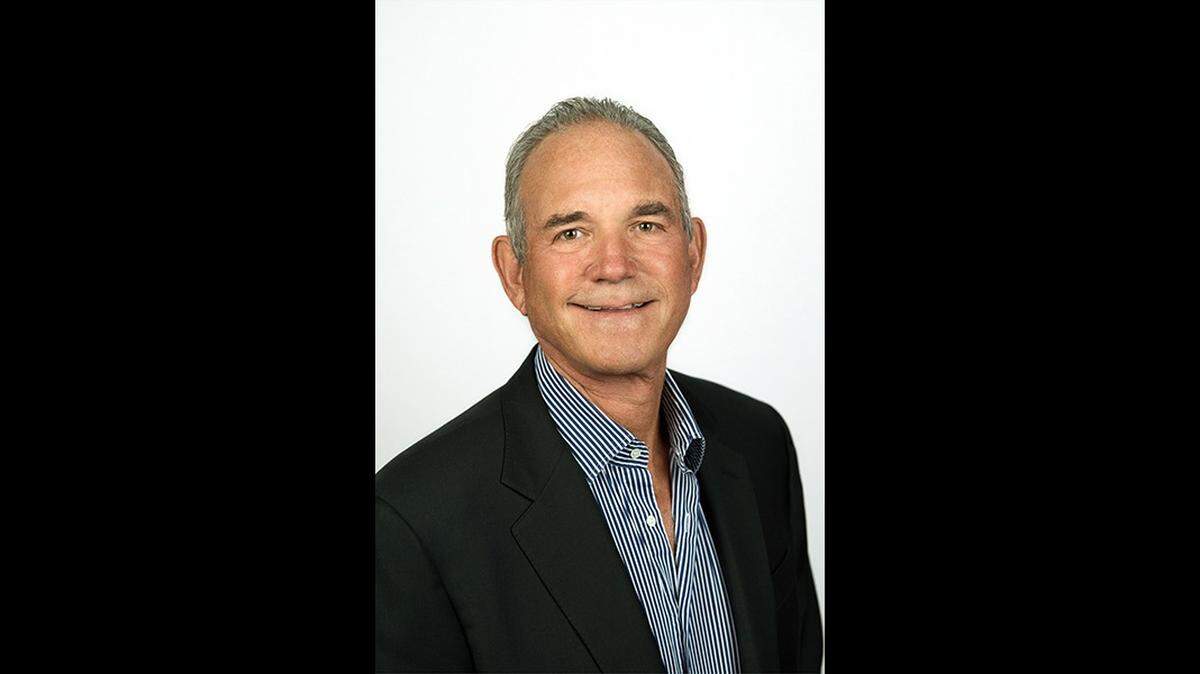
“We believe the body’s response to COVID isn’t going away,” said Gaylis. Although he’s not a cardiologist, he said he’s gotten involved with long haulers because he treats diseases related to the immune system — in this case the cytokine system.
Doctors say it appears cytokines, which defend the body against infection, are released in such high numbers that they damage the organs, including the heart.
“It’s really the body’s response to COVID, rather than COVID itself” that is affecting long haulers and is his focus, Gaylis said.
He said he works hand-in-hand with cardiologists and would refer a patient to a heart doctor if a patient had an arrhythmia, for example, while he concentrates on how to treat the overall inflammatory response.
Currently, he’s trying to recruit 20 patients who have had COVID but whose symptoms have persisted for more than two months afterward for an exploratory study of the experimental drug Vyrologix (leronlimab).
“We hope to have final FDA approvals for the study in the next couple of weeks and begin treating long haulers with the drug in March,” Gaylis said.
Three other sites across the country would also be involved in the study of the drug, a viral-entry inhibitor, for treatment of prolonged coronavirus.
Meanwhile, Mount Sinai’s Lamas said his best advice to cardiac patients during the pandemic is simple: “Don’t get COVID.
“Until the vaccine is widely available, your mask is your vaccine,” he said. “As soon as you can get a vaccine, get it.”
“I have a lot of patients who like to go to a restaurant every Saturday, brunch every Sunday and eat out at least once during the week,” Lamas said. “If you do that and eat indoors, there’s a risk.”
During the pandemic, Mitrani said it’s important to maintain a healthy weight, eat a good diet and exercise. “We’ve all heard of patients gaining the COVID 19 (pounds)” while quarantining at home, he said.
“One of the messages not getting across is that the pandemic should be a call to everyone to really get into shape,” said Mitrani. It’s also important to make sure blood sugar, cholesterol, blood pressure and stress levels are all under control, he said.
Stress can impact heart disease
Everyone is under more stress during the pandemic, but the link between stress and heart disease is still under study, according to the American Heart Association.
However, stress can increase inflammation, which may trigger high blood pressure and cholesterol levels, putting people at more risk for heart disease.
“Stress in general is very bad for cardiovascular health,” Rosen said. “Patients need to learn to control their stress and try not to put their selves in stressful situations.”
“I’m trying not to experience anxiety, I try to remain calm,” said VanDusseldorp, who is awaiting a scan in March to measure the efficiency of his heart and the extent of his recovery.
“I don’t watch the news. HGTV has become my friend,” he said. “After COVID, it is a new ball game and I have to be very aware of what my body is telling me.”
This story was originally published February 22, 2021 at 6:00 AM with the headline "Jogger who had COVID knew something was wrong after his run — very wrong."