
Here are some of the authors we are excited to see for Miami Book Fair’s 41st edition
.jpeg "Amy Tan author of “Backyard Bird Chronicles.”")
At the 41st Miami Book Fair, there may be a bit more contemplation on the heels of the 2024 election. Author Amy Tan, who will be introducing her book, “The Backyard Bird Chronicles,” says it’s a good time to come together in community. “Whenever you come to a place where people read books, you know you are going to find that commonality . . . shared values, a love for country that is based on something that we all understand.”
For Leonard Pitts, Jr., who will discuss his latest book, “54 Miles,” a sequel to “The Last Thing You Surrender,” he says about the fair: “If you’re a reader, it’s pretty much as close as you’re going to get to heaven and get to hang out with people of who I am a fan, right? So that’s a wonderful thing.”
The two celebrated authors are just two out of 400-plus writers who will be all in for all things literary during eight days at Miami Dade College’s Wolfson Campus for author events from Sunday through Nov. 24. And Friday, Nov. 22 through Sunday, Nov. 24, the outdoor street fair features tent-lined streets with more than 200 exhibitors selling mostly books, of course.
The opening day block party starts at 4 p.m. on Sunday featuring deejays and house music legends. Former CNN anchor and journalist Don Lemon kicks off the “Evenings With” series of ticketed events at 4 p.m. on Sunday talking about his book “I Once Was Lost: My Search For God In America.”
Author talks are the soul of the Book Fair and this year, writers share introspective memoirs, stories of the Black and Jewish experience, of historical figures – from fiction to non fiction. Here are six authors who will be at the Book Fair to candidly discuss their books and what brought them to fill their pages.
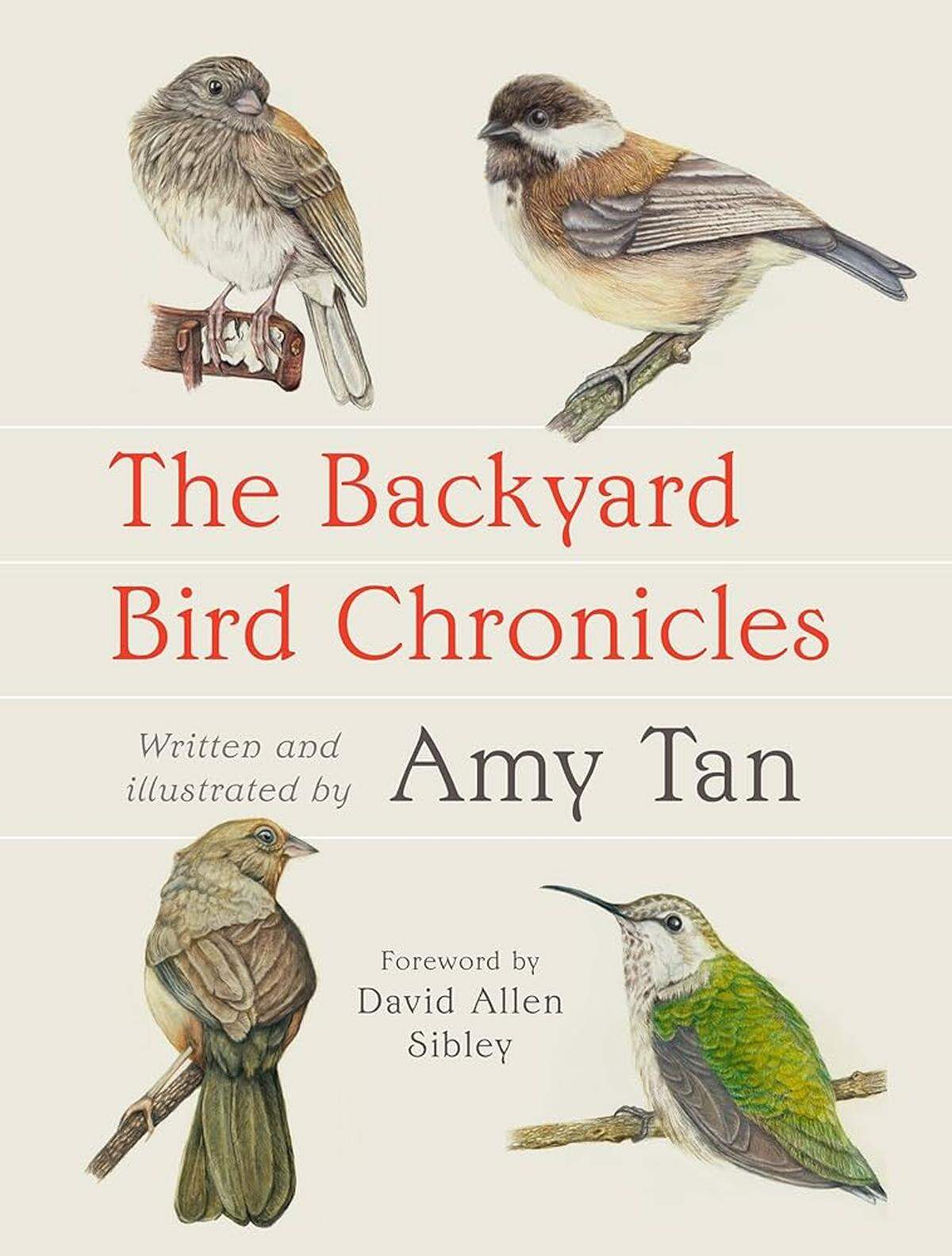
Amy Tan, “Backyard Bird Chronicles”
.jpeg "tan_amy (1).jpeg")
6 p.m., Friday, Nov. 22, Chapman, Room 3210, Building 3, Second Floor
The author of “The Joy Luck Club,” Tan says in recent weeks she’s once again soul searching, which brought her back to what prompted her to create what became “Backyard Bird Chronicles,” which she’ll be talking about in her session at the fair.
In 2016, just after the presidential election, Tan made a decision to “check out,” especially from social media and from a country that she says felt more divisive than ever. She began studying birds in her backyard and hadn’t set out to write a book, per se; it was more of a personal journal.
“It was a way for me to regain a balance in my life, of not seeing the world as completely devastated. I did not want to react in total despair and helplessness, so I decided to seek out beauty. . . there are things that do continue in this world no matter what happens.”
She says she was reminding herself of that just days after the 2024 presidential election and how the “Backyard Bird Chronicles” helped her. “It was exactly eight years ago that I started and for those reasons, I didn’t fall into the same kind of despair.”
She says that it doesn’t mean she’s going to just kick back and contemplate nature.
“What I can do now is to focus on what’s beautiful and important in the world with relationships with people but also to be active in ways of protecting those rights that I think are important.”
She said she experienced anti-Asian sentiment during COVID “in ways that I never had before.” She’s made some commitments around that and revealed that the day after this year’s election, she made a donation – a sum that is bigger than any amount she along with her husband, Lou DeMattei, who she has been married to since 1974, had given at a single time to any charity – to the Center For Reproductive Rights.
And about the birds? “The birds are not political, they are concerned with their own territory and disputes and they are buffeted by environmental changes, but they’re not buffeted by election results.”
Tan also is reuniting at the Book Fair with the garage band The Rock Bottom Remainders, a group of notable literary names that started performing at a 1992 booksellers convention in Anaheim. They’ll perform at this year’s convention with Tan, who’ll strut and sing along with a lineup that hasn’t been seen on stage for more than a decade, including Mitch Albom, Dave Barry, Scott Turow, Stephen King, Sam Barry, Alan Zweibel and more.
“We’re all standing with arthritic knees now, but I play the rhythm dominatrix. I’m in costume and I do the song ‘These Boots are Made for Walkin’ and ‘Leader of the Pack.’”
Tan says remembers the group’s heyday when they played as part of the Rock and Roll Hall of Fame opening in Cleveland in 1993 and gigs they’ve had with real musicians . . . “like Bruce Springsteen, Warren Zevon, and (The Byrds) Roger McGuinn.” And, she says, one of her favorites, singer Lesley Gore.
“We’re just funny, we’re bad, and we have attitude.”
Susan Seidelman, “Desperately Seeking Something”
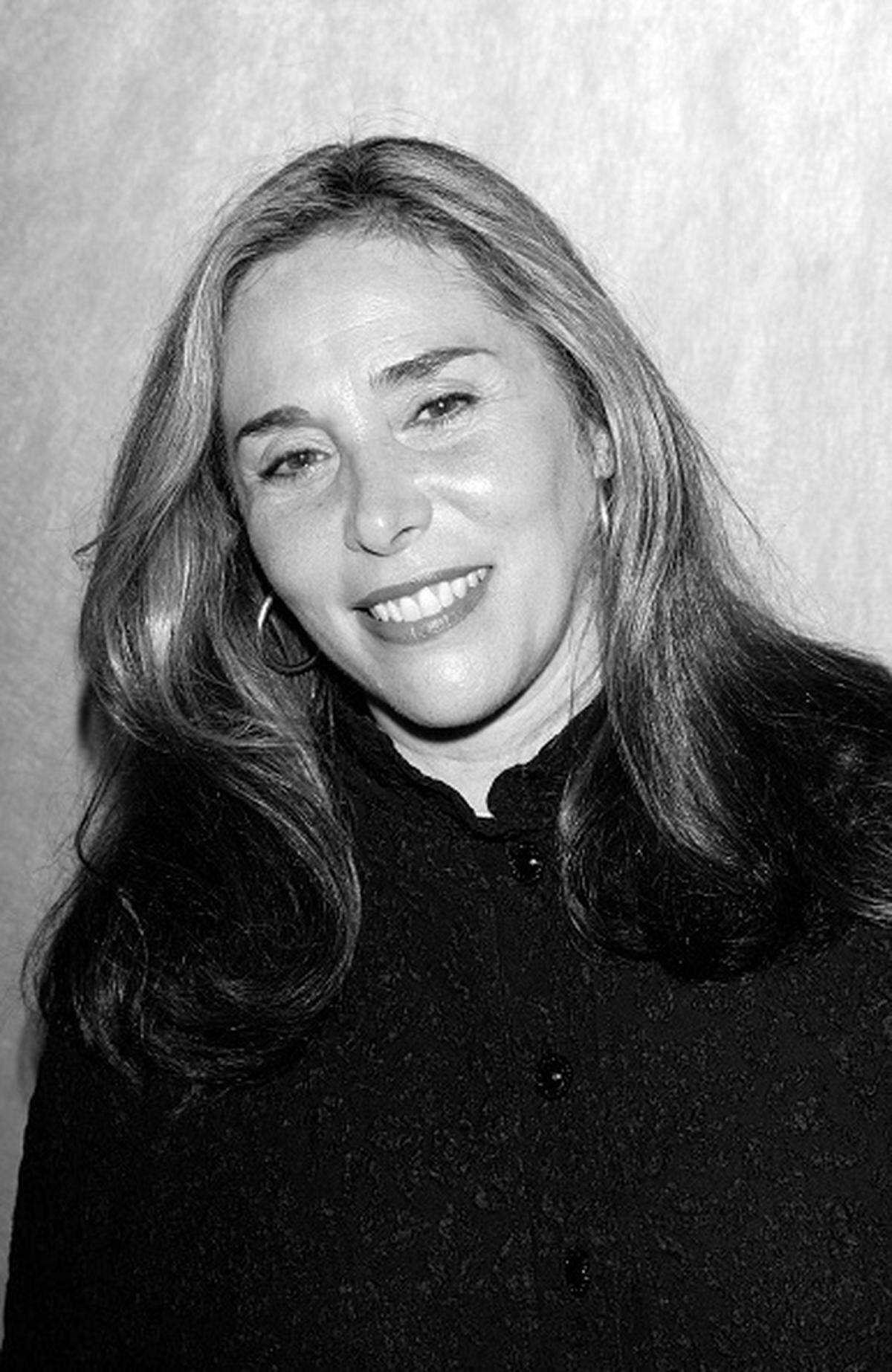
Noon, Saturday, Nov. 23, Room 2106, Building 2, First Floor
The Philadelphia-born movie director who came into her own living in New York City after attending NYU film school in 1973, talks about her four-decade movie career in her book with a title that’s a riff on her smash hit starring Madonna, “Desperately Seeking Susan.” She also has a familiarity with South Florida. “I absolutely know South Florida,” she says. “I made movies there. And my mom lived in Miami for 30 years and my brother lives in Boca Raton.
“’Making Mr. Right’ was shot in 1987 and we did a lot of filming in South Beach before it became the South Beach it is now. It was around the same time they had started ‘Miami Vice’ so it was that whole world.”
The second was filmed in West Palm Beach and Fort Lauderdale, 2005’s “Boynton Beach Club,” which was her mother Florence’s idea.
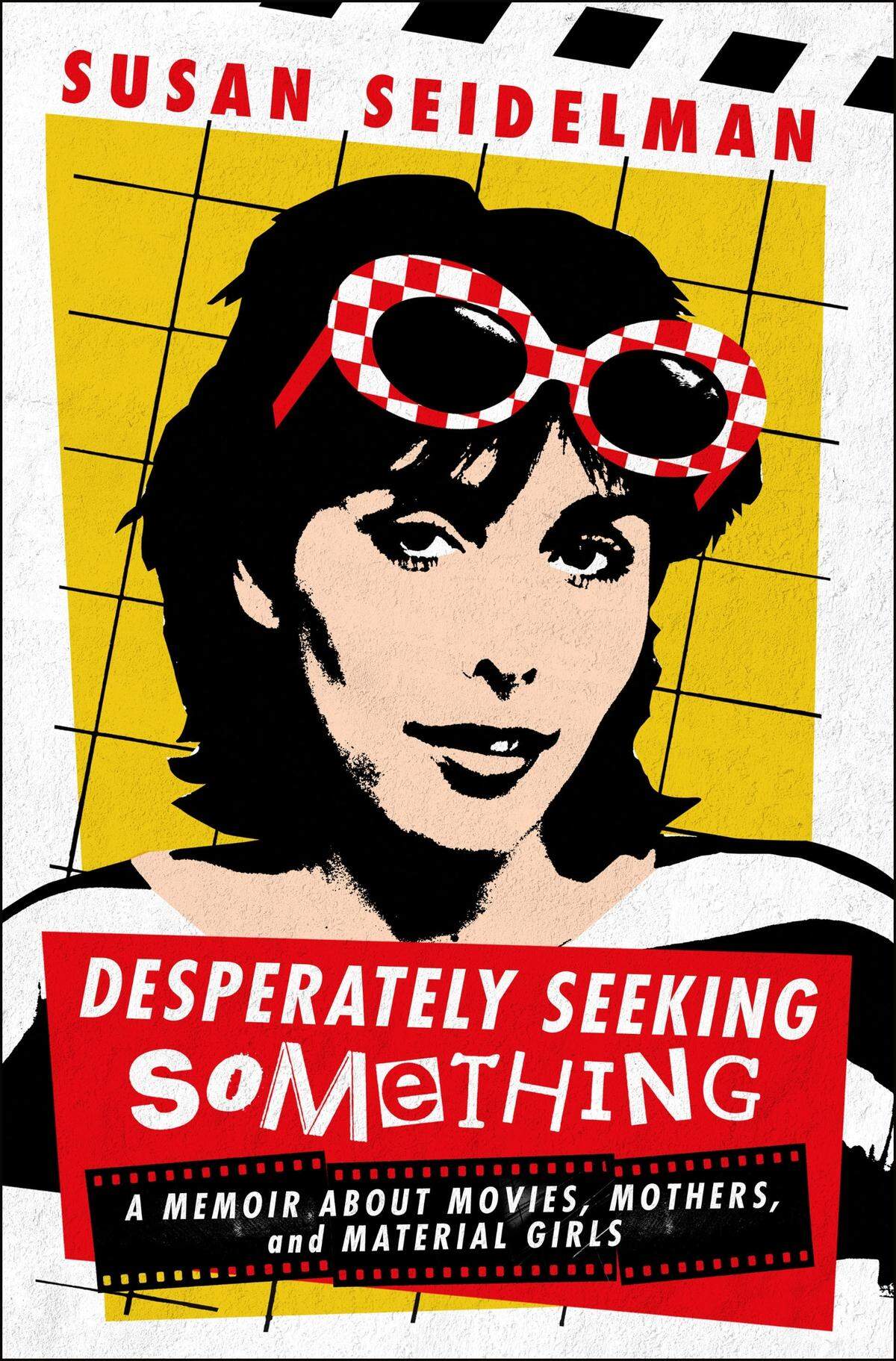
Seidelman says she never intended to become a filmmaker. “I knew I liked movies and I wanted to do something in the movie world. But it wasn’t until I started making short films that I thought maybe I could be good at it. Back then, in the mid-’80s, there weren’t a lot of American women film directors.” And then came the low-budget studio movie she made after a punk drama she helmed called “Smithereens.” And she cast a woman named Madonna in her next film. “No one could have predicted the timing of Madonna’s soar to fame coinciding so perfectly with the film. But it was the right time to tell that story with those characters.”
She says she found the right time to write her memoir, which she began while in lockdown during the pandemic. “I felt I needed to wait until I was a certain age to get a perspective on things. My book isn’t just about the movies I’ve made. It’s about the journey of being that girl from somewhere else who goes to the big city and and it’s kind of a social history of how New York changed from when I arrive in the mid-70s up to today.”
This is her first time appearing at the Miami Book Fair.
Leonard Pitts, “54 Miles”
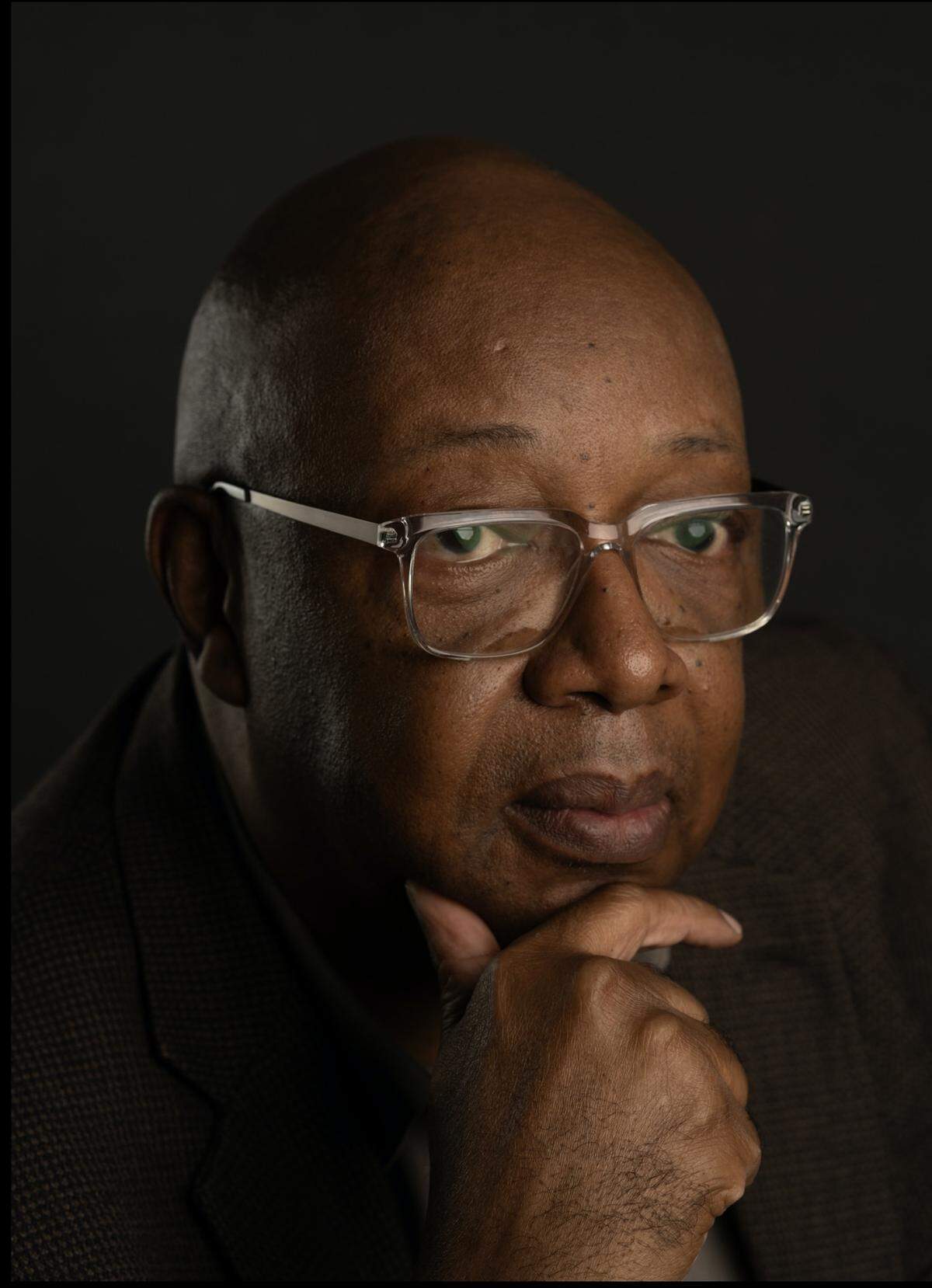
2 p.m., Saturday, Nov. 23, Room 2016, Building 2, First Floor
National newspaper opinion columnist Leonard Pitts, whose writing appeared in the Miami Herald until he retired to devote his career full time to books in 2022, will discuss his book “54 Miles,” the follow up to 2019’s “The Last Thing You Surrender.” Again, he creates it in the style of historical fiction. “I feel that [the genre] brings the history to life in a way that it doesn’t always do in a history book. Historical fiction gives you a sense not just of what happened, which is important, but how it felt to be there in that moment.”
For “54 Miles,” he says there plot elements from the last book that he wanted to deal with.
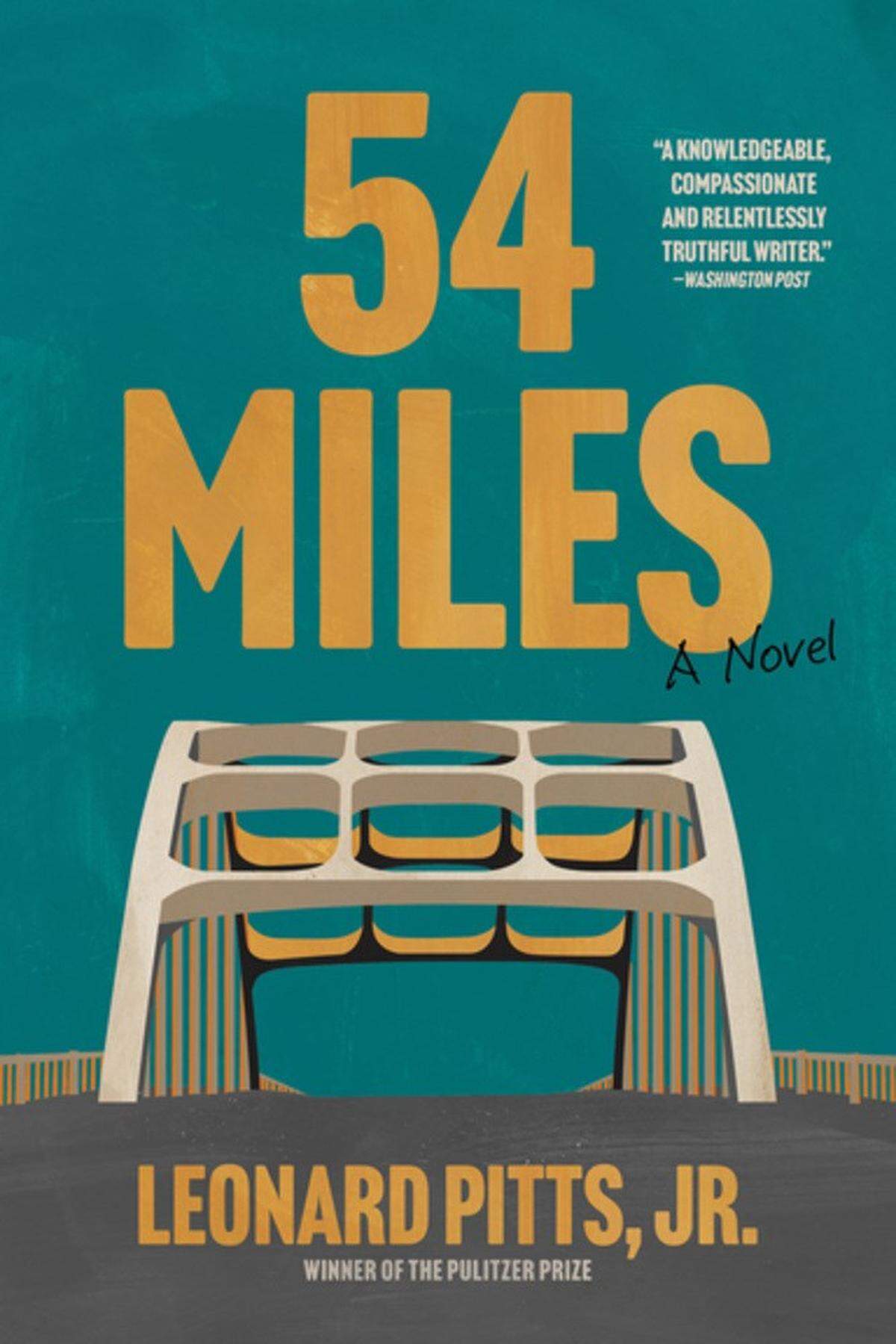
“What happened on Bloody Sunday on the bridge is limited at this point to a 15 second news clip that they show on March 7 every year. It doesn’t touch on that sense of chaos that was unleashed on that bridge. I wanted people to feel that. I wanted them to be there.”
He says there’s an unwritten coda to the novel – and that he’s been asked for a sequel to deal with the coda. “I probably won’t. We know at the end of the novel they are going to pass the civil rights bill and that’s a triumph. But you and I know that in 2013, the Supreme Court is going to gut that type of civil rights bill.”
He confides: “You know, that’s the problem with writing African American historical fiction. You may want to leave it at a happy ending or at least at a place of hope, but if the reader has any understanding or knowledge of history, then they know that what happens after you take down the lights and close the curtain.”
Paul S. George and Henry Green, “Jewish Miami Beach”
11 a.m., Sunday, Nov. 24, Room 8102, Building 8, First Floor.
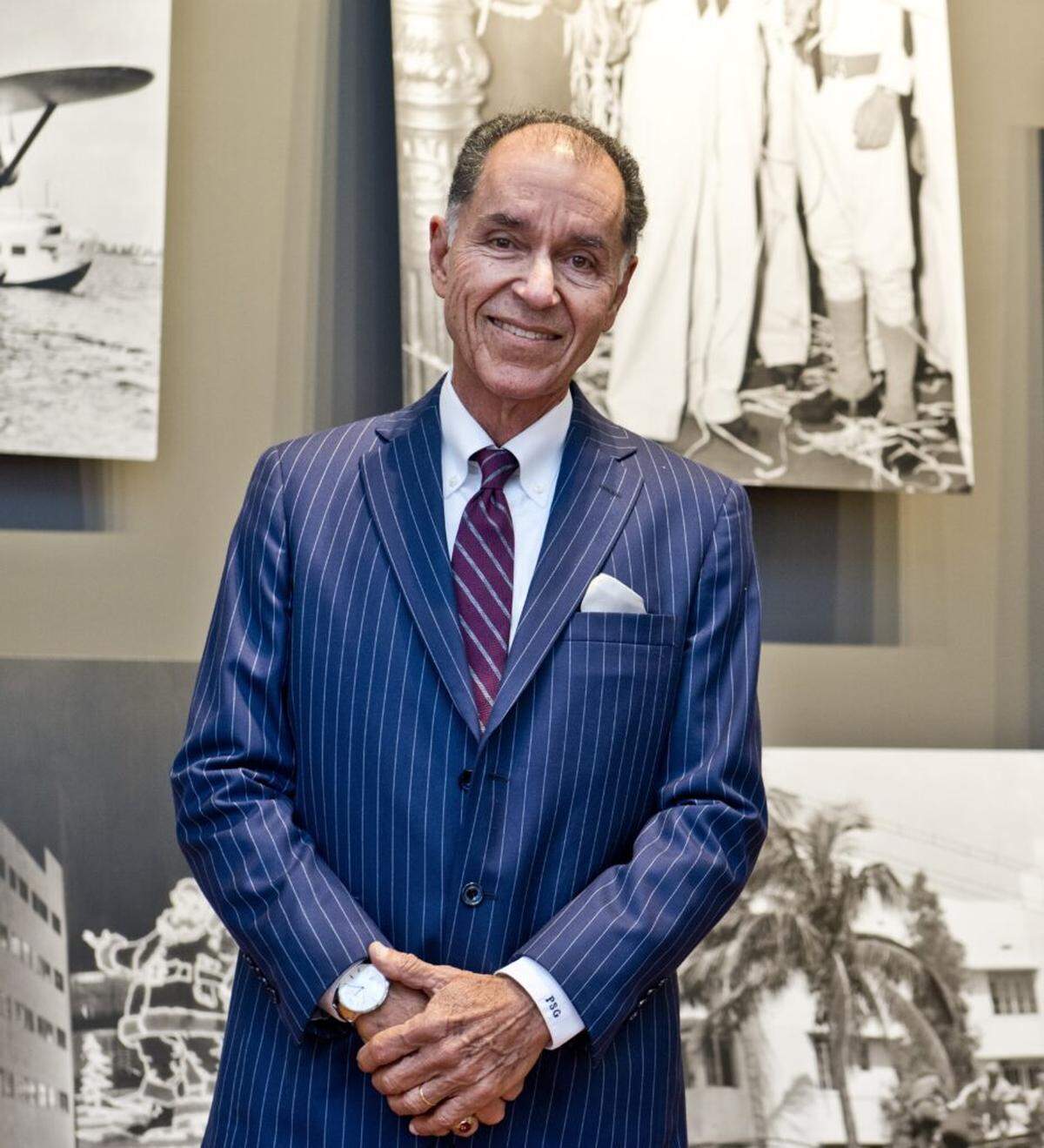
Paul George, the resident historian at the HistoryMiami Museum, and Henry Green, the former director of Jewish Studies at University of Miami, team up to look into the Jewish community and its mark on Miami Beach. Their paths crossed with first a Jewish American project, which became a traveling exhibit “Mosaic: Jewish Life in Florida,” for the FIU Jewish Museum of Florida, and continued to cross through the years. The pair now lends their knowledge to one of the “Images of America” books about the role Jews played in what became the vibrant community of South Beach.
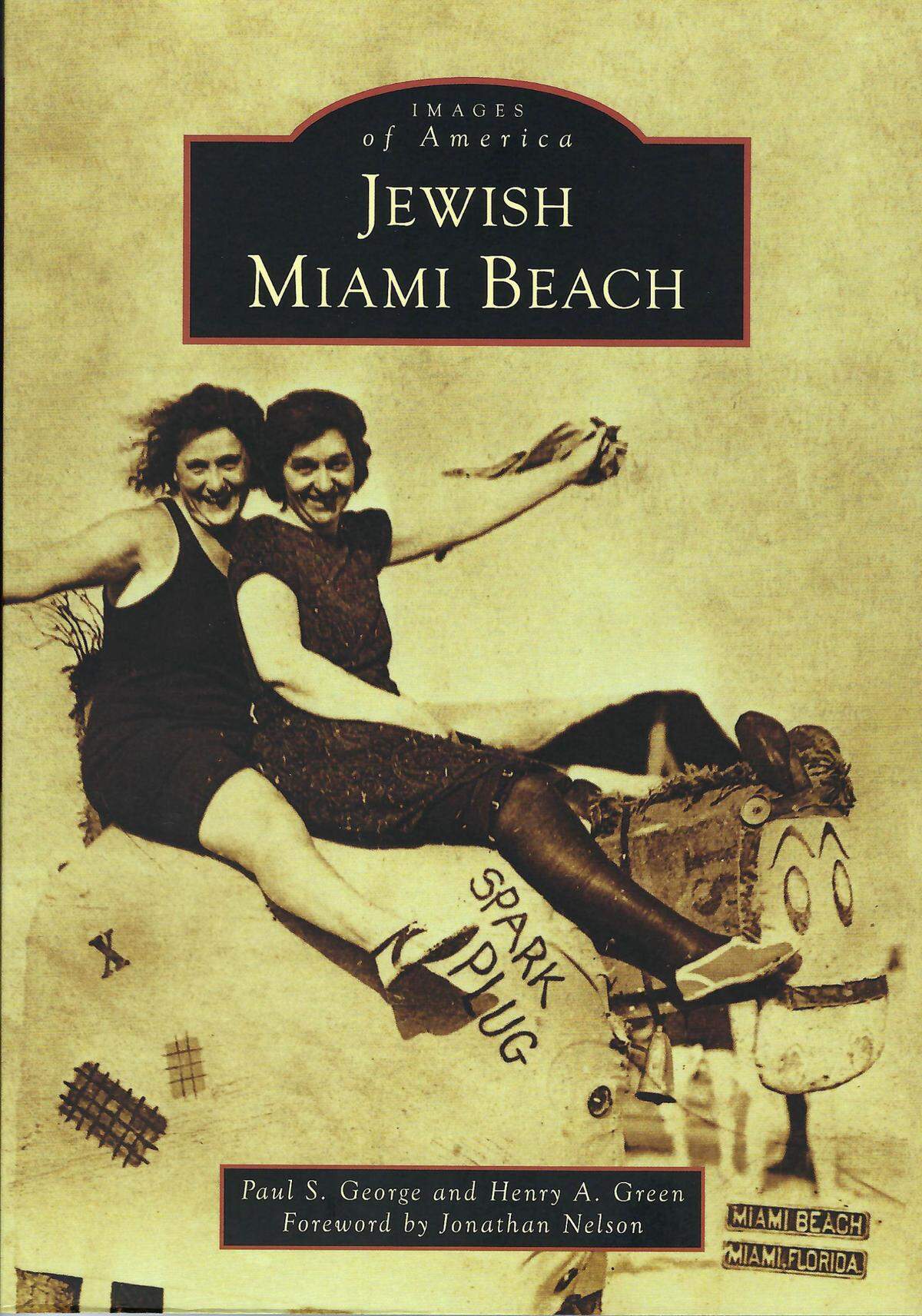
“Twenty five years later we were in a Coconut Grove library and we meet up and say, ‘Hey why don’t we do something together. And one year later, here’s the book,” says Green. “So between Paul, who knew the ground in terms of the history of Miami Beach, and me being able to add that Jewish history layer to it . . . We only really take it to the year of about 2000 and we really look at what happened in the 20th century . . . The achievements, the people who design buildings, the financial, the economic, the hospitality, and medical contributions,” says Green.
George says the book chronicles it all. “It’s shows a fascinating kind of growth. There was a draw to Miami Beach for the Jews – the climate, proximity to water, the idea of life and longevity and an environment like that. And they really set the foundation for their descendants to succeed in big ways.”
He says despite being Catholic, he’s “done so many Jewish histories.” George says he finds that the Jewish population began dwindling as people moved to Broward and Palm Beach counties. “They were seen as places of opportunity with the same weather and less congested. And now the Jewish imprint there has been phenomenal culturally, politically, judicially, and in many other ways.”
Edda Fields-Black, “Combee: Harriet Tubman, The Combahee River Raid, and Black Freedom During the Civil War”
3 p.m., Sunday, Nov. 24, Room 2016, Building 2, First Floor.
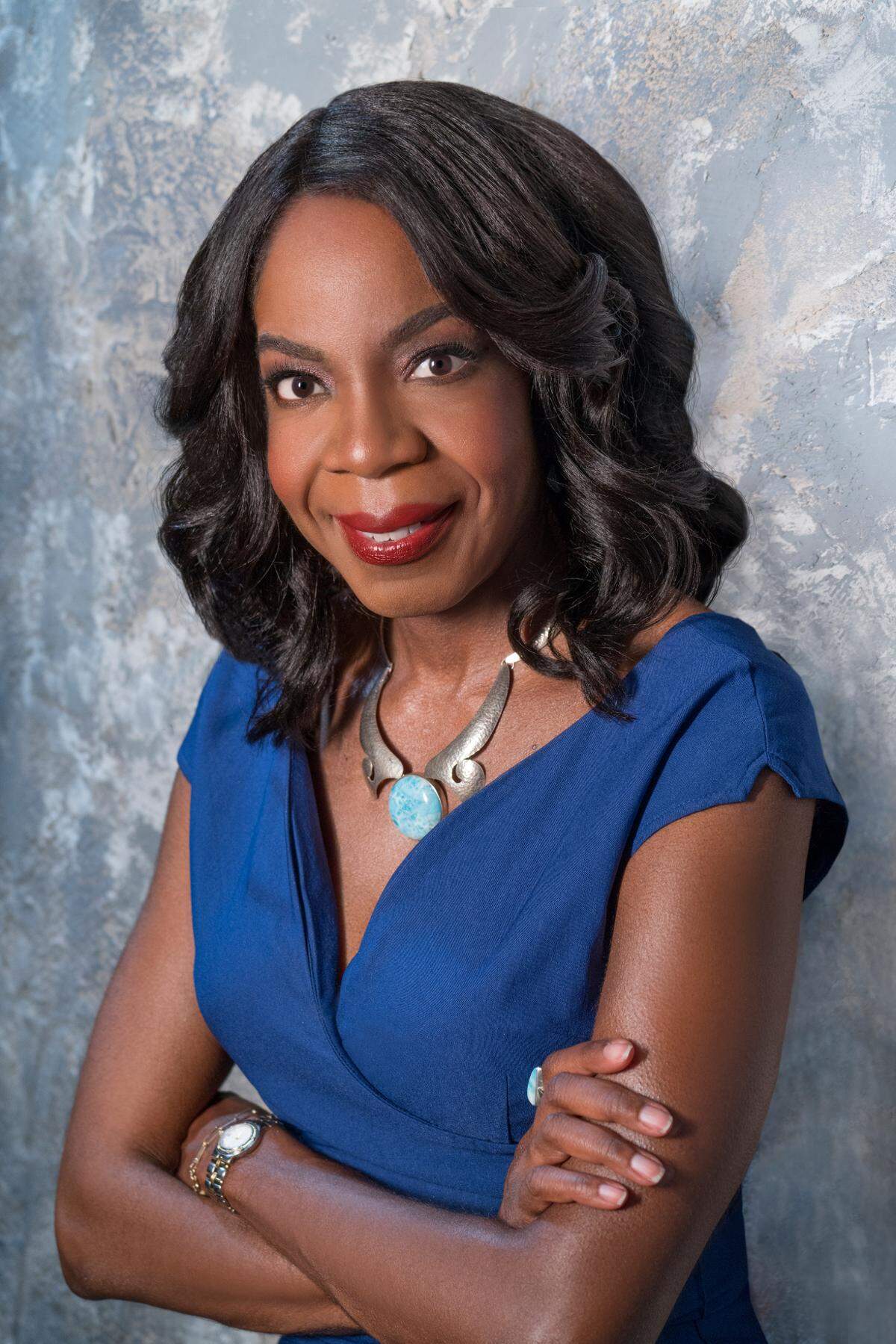
The daughter of Dr. Dorothy Jenkins Fields, the founder of Miami’s Black Archives, is an African-American historian and associate professor of history at Carnegie Mellon University. In her book, she digs into her own history as the descendant of one of the participants of the Combahee River Raid during the Civil War, and she takes a deeper look into the Gullah Geechee Cultural Heritage Corridor.
Fields-Black says so many accounts of Harriet Tubman omit her participation in the Combahee River Raid, which is a crucial chapter about the freedom fighter. “That raid brings together a lot of my passions and a lot of my obsessions.” She says it was her mother, in fact, that began the research about her father’s family members that were freed in the Combahee River Raid. She found unexamined documents —“some that Civil War historians said they have not seen before.” She used bills of sale, wills, marriage settlements and estate papers from planter’s families to put together the story of what she says is one of Tubman’s most extraordinary accomplishments.
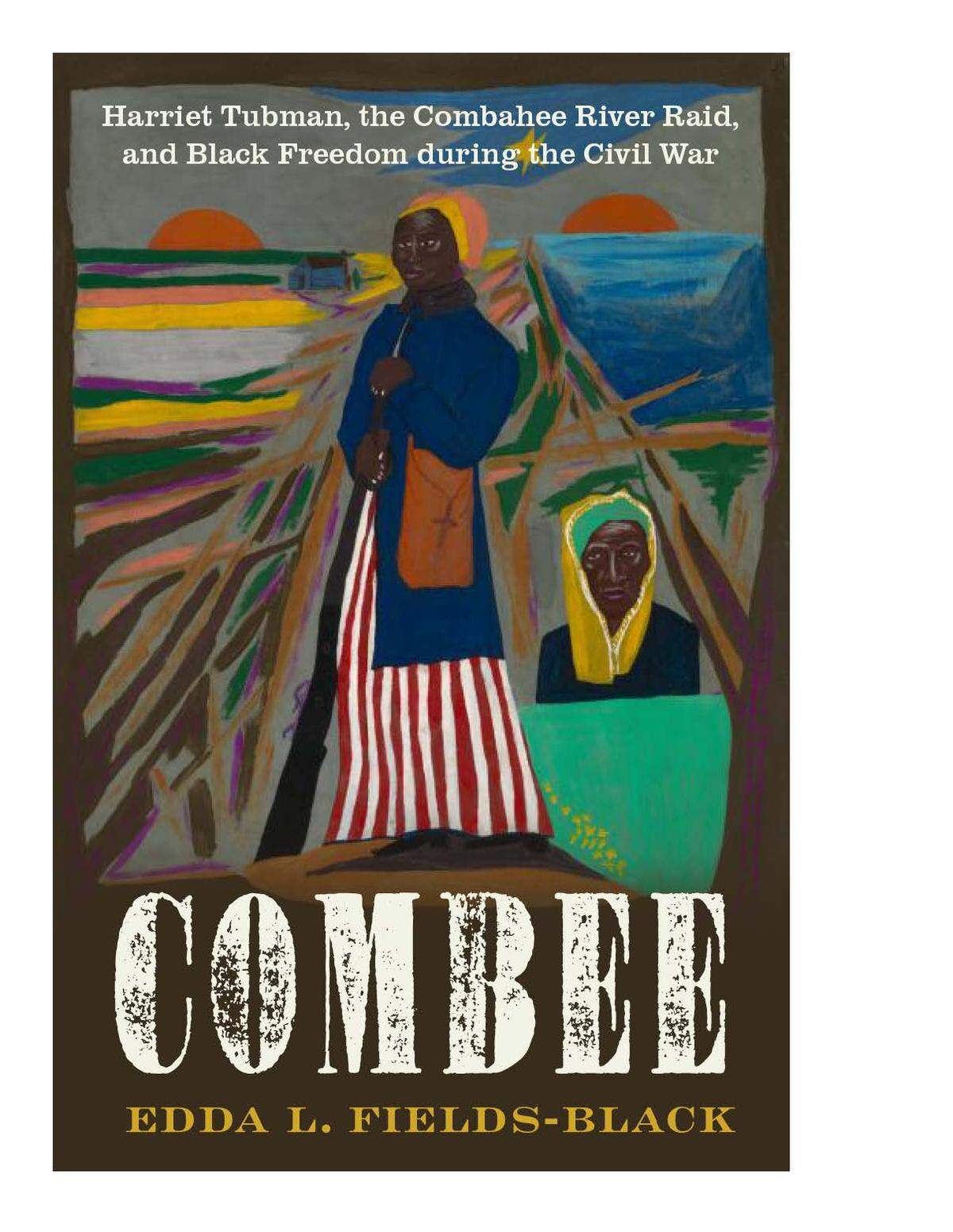
“Historians have not used these pension files in this way and it gives us a more intimate picture of enslaved people’s lives and enslaved communities. I’m telling these stories in their own words,” says Fields-Black, adding that the book also has an undercurrent about the making of the Gullah Geechee.
“It was definitely a passion project – a pretty large passion project,” she says.
If you go:
WHAT: Miami Book Fair
WHERE: Miami Dade College’s (MDC) Wolfson Campus, 300 NE Second Ave., Miami.
WHEN: Sunday, Nov. 17 to Thursday, Nov. 24. Various times for author events; Street Fair 10 a.m. to 7 p.m. Nov. 22-24.
INFORMATION: Visit miamibookfair.com, download the guide here https://www.miamibookfair.com/downloadable-guide or follow MBF at @miamibookfair #miamibookfair2024
This story was originally published November 17, 2024 at 4:30 AM.