
5 Things We Love About Little Haiti
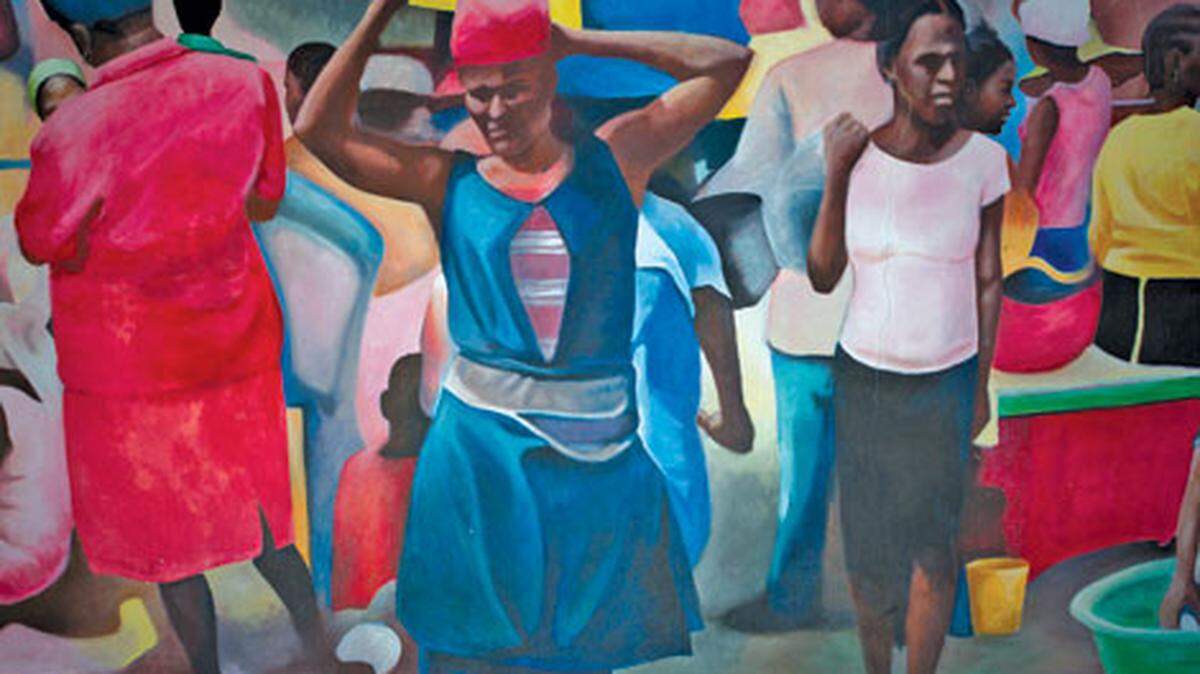
Once known as Lemon City, Little Haiti has transformed over the past three decades to be the cultural hub for all things Haitian and has since also become a destination for more than just the Haitian diaspora.
Whether it’s for the diversity of events that take place in the neighborhood or for the food, Little Haiti is welcoming to all cultures but remains true and authentic to the people and Haitian culture that have made it home over the past few decades.
In honor of Haitian Heritage Month and the people who have kept the spirit of Little Haiti alive over the past few decades, here are the top five things we love about Little Haiti. We hope this never changes even as Miami becomes a global city. Because home is where the heart is!
1. The tastes of Little Haiti
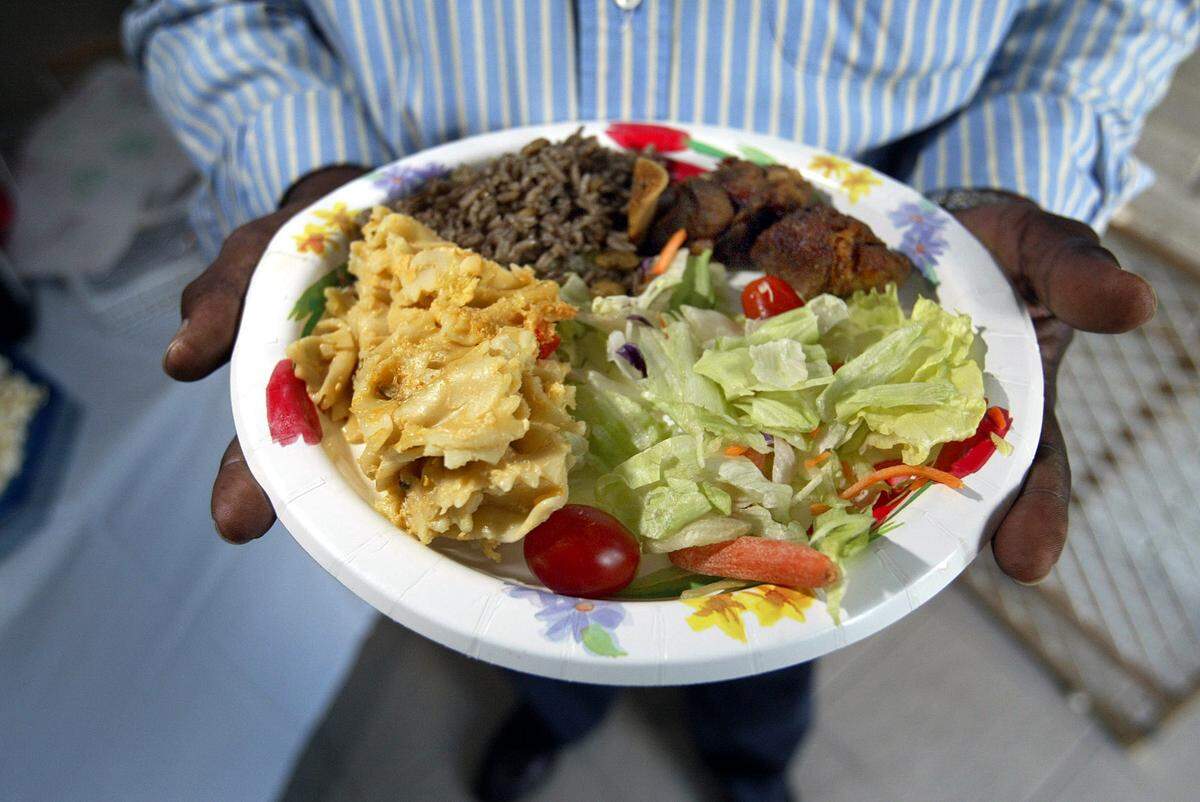
No big chains here. It’s all mom and pop restaurants serving authentic Haitian food. Just as you enter the boundaries of Little Haiti, the smell of pikliz (spicy cole slaw mix), diri avec djon djon (mushroom rice), griot (fried pork), and soup joumou (pumpkin soup) arouses all of your senses. And you can’t forget the kremas (Haitian eggnog). No Haitian party is complete without kremas.
Little Haiti has authentic Haitian food to feed your soul, from the king of Haitian seafood Chef Creole (200 NW 54th St.), Chez Le Bebe (114 NE 54th St.), Leela’s Restaurant (5650 NE Second Ave.) which has been in the neighborhood for more than 30 years, and New Piman Bouk Haitian Restaurant (5932 NE Second Ave.). And when you’re craving fresh hot Haitian patties, New Florida Bakery (46 NE 62nd St.) has it on lock.
Little Haiti is also home to Boia De (5205 NE Second Ave.), a tiny but popular restaurant in the Bravo Supermarket Plaza that changes its menu frequently.
2. Little Haiti Cultural Complex and Caribbean Marketplace
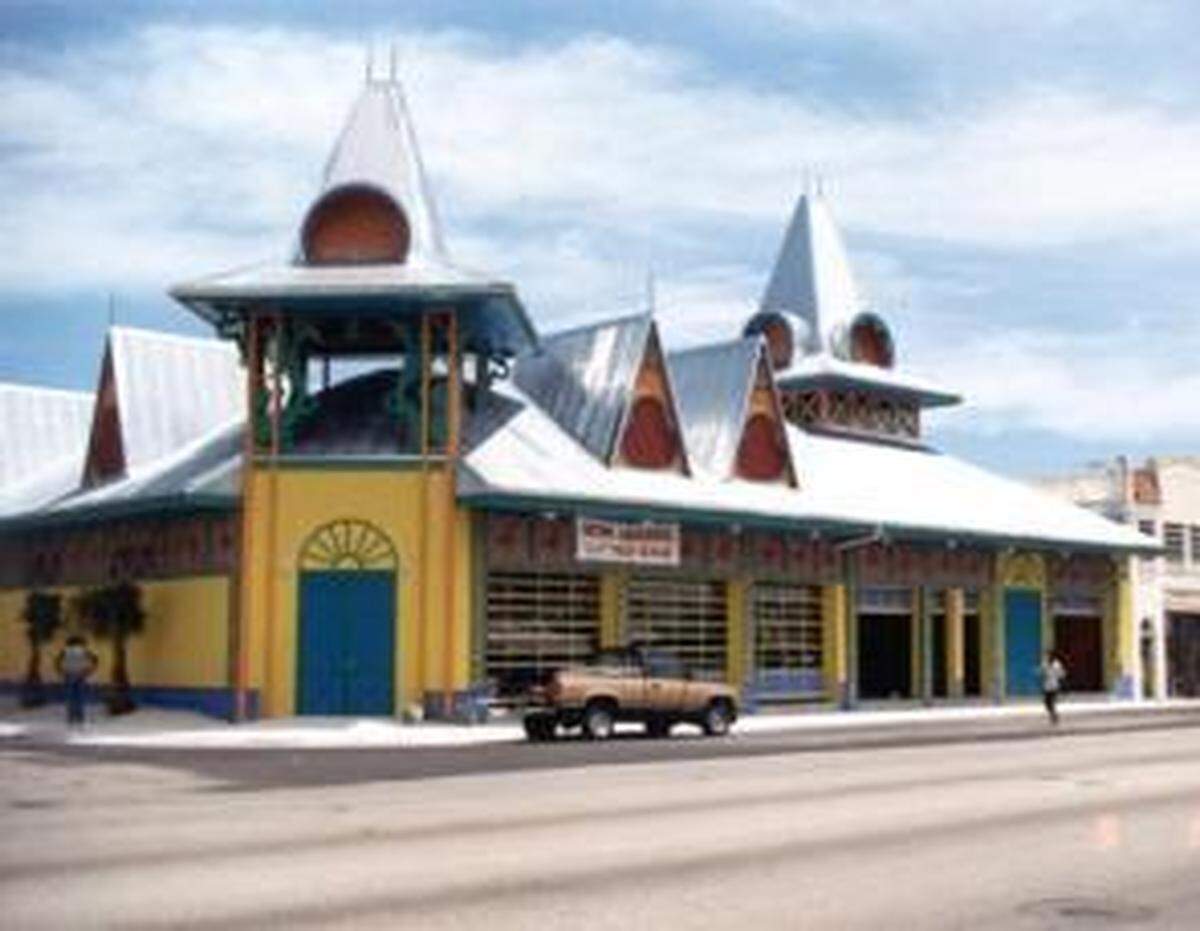
If the event involves culture, music, and community, then chances are it’s being held at the Little Haiti Cultural Complex, which has become the mecca for community events in Miami since its opening in 2009. It’s an event space, theater, art gallery and community hub that hosts bands, dance groups and the Little Haiti Book Festival, among other cultural touchstones. What we love most about the complex is that it was created for the people and has remained true to its core mission.
Around the corner is the Caribbean Marketplace, which channels the flair and design of the Iron Market in Port-au-Prince. The Marketplace has been around for years and has been redeveloped to host vendors and artisans selling handicrafts, jewelry, and art, and as a venue for community events.
The complex is located at 212 NE 59th Terr.
3. The art
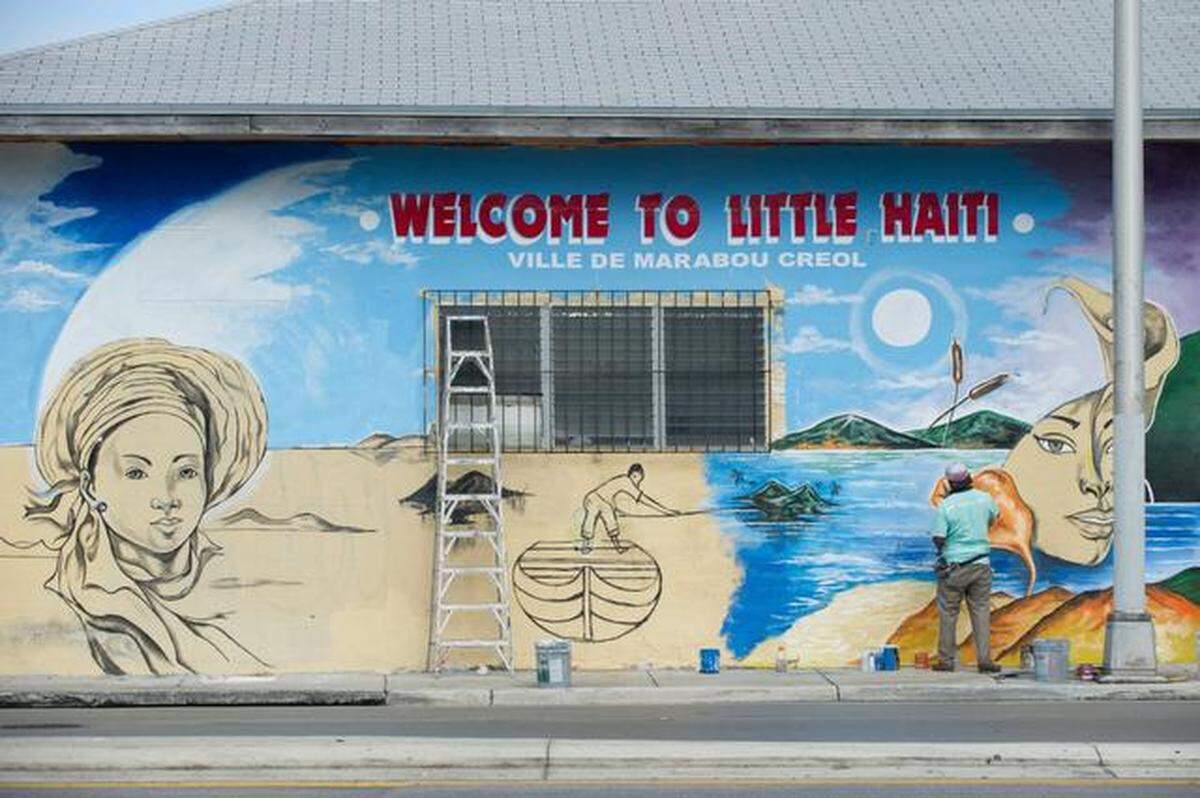
Art has always had a place in Little Haiti. Just stroll along 54th to 62nd streets for lively street art and murals on the walls of shops and restaurants (like Piman Bouk’s restaurant) of which many are painted by Haitian artist Serge Toussaint.
With the explosive growth of Art Basel, Little Haiti has also now become a Miami Art Week destination with the newly created Art Beat Miami, an art, food and music festival celebrating the pulse and flavor of Haitian and Caribbean art. Other Haitian artists like Edouard Duval-Carrié often exhibit work at the art gallery at the Little Haiti Cultural Complex.
4. Libreri Mapou Bookstore
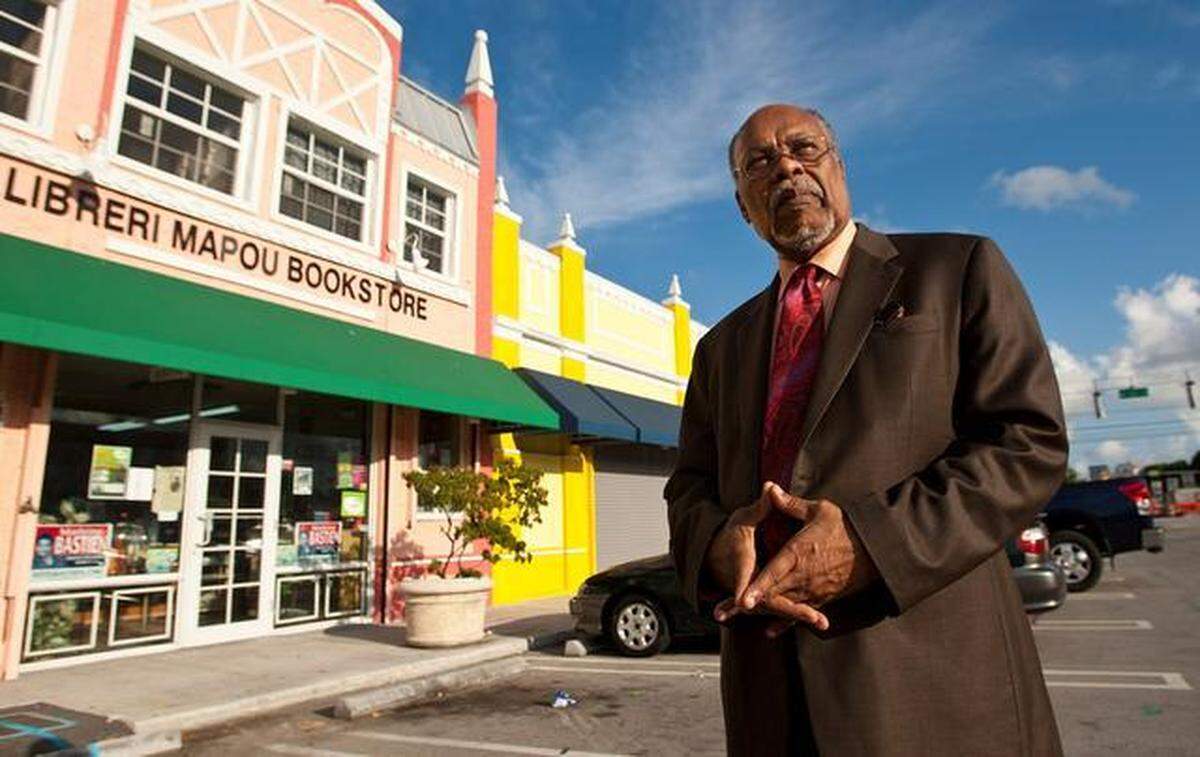
A community staple since the 1986, Libreri Mapou has been the go-to spot for hard-to-find Creole and French literature. Owned by Jan Mapou, the bookstore was created as a community hub and cultural space for the growing Haitian community. Today, this gem houses more than 3,000 literary works, and at any given time you’ll find thought provoking political discourse, readings and panel discussions, drumming and performances by Haitian dance company Sosyete Koukouy (Society of Fireflies), and a gathering of Haitian intellectuals. And if you want to learn how to say more than just ‘sak pase, nap boule,’ Libreri Mapou can hook you up with some helpful Creole and French language books.
Libreri Mapou is located at 5921 NE Second Ave.
5. General Toussaint L’Ouverture statue
You can’t celebrate Haitian culture without paying homage to the fearless Haitian leader who defended Haitian liberty, overthrew the French colonists, and led the Haitian Revolution to become the first free Black nation. The seven-foot-tall bronze statue commissioned by the City of Miami stands at a corner lot park at NE Second Avenue and 62nd Street. The statue has now also become the site of the annual candlelight vigil to commemorate the hundreds of thousands of lives lost during the devastating Haiti earthquake on Jan. 12, 2010.
L’union Fait la Force!
This story was originally published May 24, 2016 at 1:05 AM.