
Weight loss drug use has skyrocketed. Has it changed the way Miami dines out?
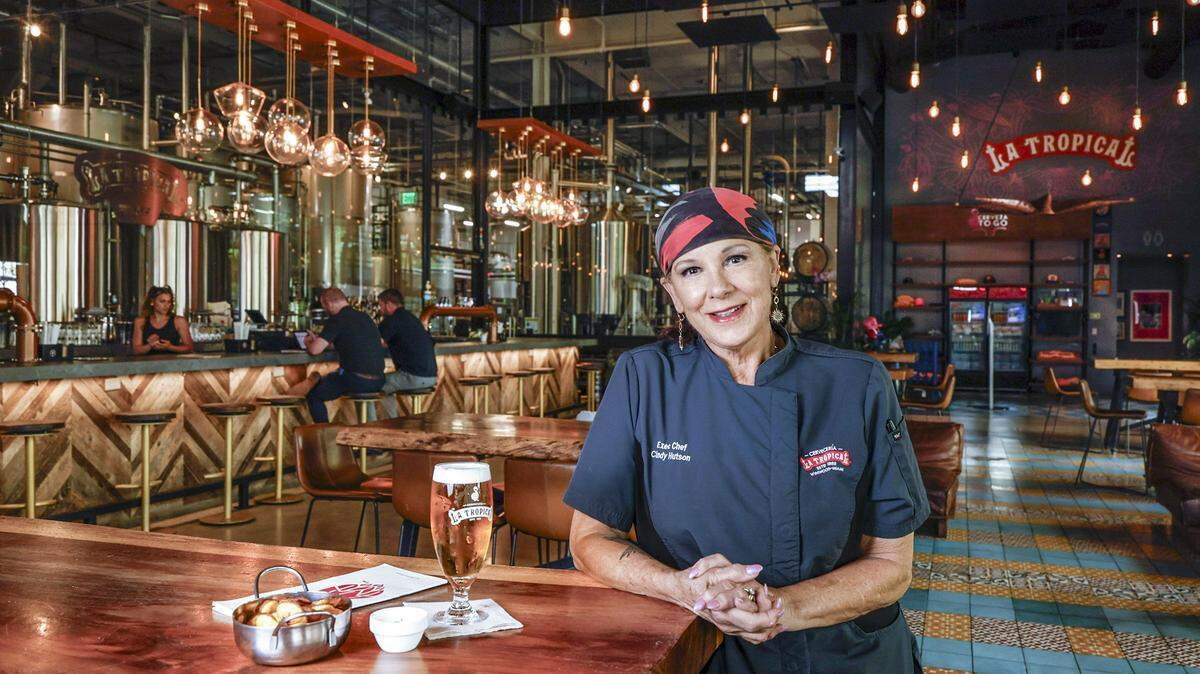
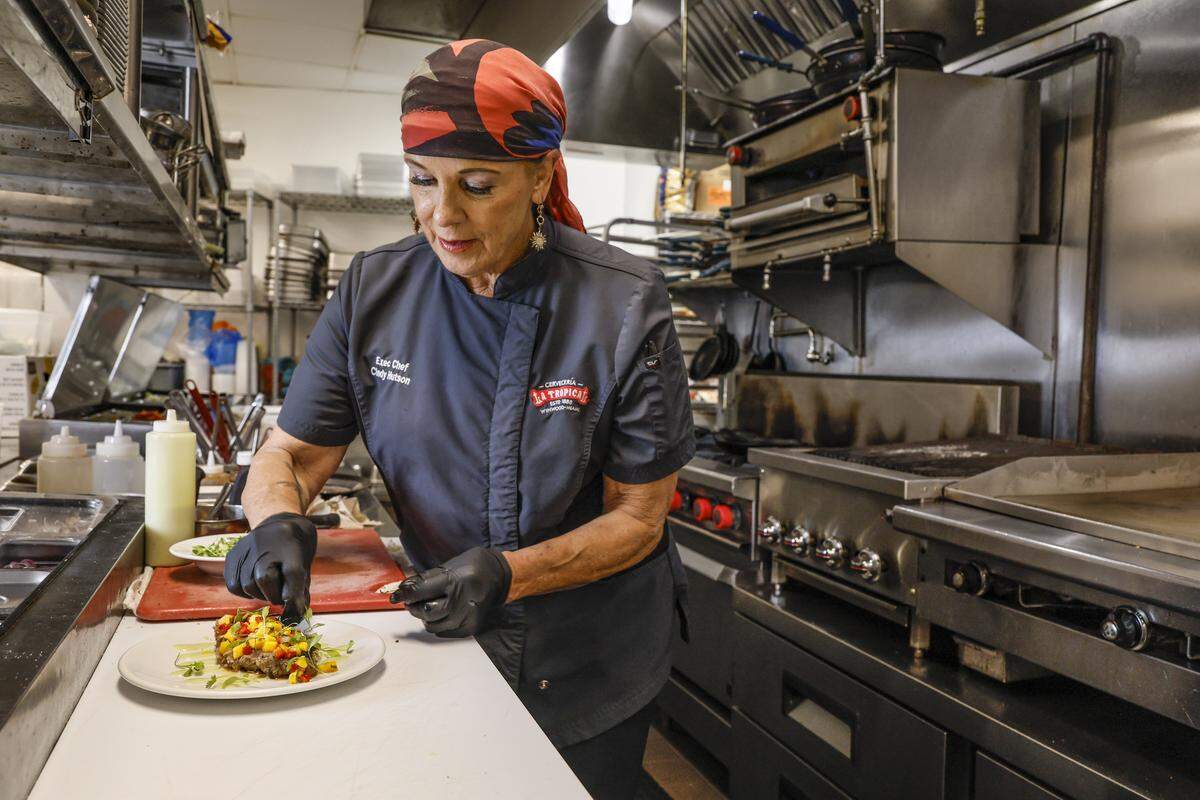
When she was approached to create the menu for Cerveceria La Tropical a few years back, chef Cindy Hutson knew what CEO Manny Portuondo wanted to serve: Cuban food that would effortlessly complement the tap room offerings. The Wynwood brewery was reviving Cuba’s oldest beer, and salty fried cuisine seemed like the perfect pairing.
Owner of the formidable Coral Gables restaurant Ortanique, which closed in 2020 after 21 years, Hutson and her husband and partner Delius Shirley forged ahead with fried offerings like croquetas, empanadas and fritas.
But sometime in the last year, Hutson noticed a marked change in orders. Customers were eating a lot less.
“They’ll split things,” Hutson says. “They might get apps or split an entree. We had large-plate entrees on the menu, and people weren’t ordering them as much. They ask for something lighter, a salad or a piece of fish or chicken.”
At least part of the reason for the shift, she’s sure, is the prevalence of GLP-1 weight loss drugs — Ozempic or Wegovy or Mounjaro or Zepbound — which have gained rapidly in popularity over the past year. Hutson herself was prescribed Mounjaro, and though she’s no longer taking it she recalls clearly the feeling of staring at a packed plate and feeling queasy.
“I didn’t want to finish my food,” she says. “My whole mindset about eating and going out to eat changed.”
Restaurants take notice
There’s no data available that measures how GLP-1s are affecting Miami diners’ behavior. But the popularity of the medications, which mimic a hormone that helps regulate blood sugar and appetite, has grown significantly in a relatively short period of time.
At the end of 2025, leading health policy organization KFF.org reported that about one in eight adults in the U.S. are currently taking a GLP-1 drug. That’s about 12 percent of adults. Statista, a global data platform, reported earlier this year that the U.S. is leading the boom in weight loss injections, accounting for more than 60 percent of sales of Ozempic and Wegovy.
And national chain restaurants are paying attention to the trend, marketing new menu items to sell to customers with smaller appetites. Olive Garden is slowly rolling out a “lighter portion” menu in 2026, while part of the menu at Chipotle includes a “GLP-1 Support Meals” section that includes options with more protein and fewer calories. Shake Shack has introduced the “Good Fit Menu” with “GLP-1–friendly choices.”
On an earnings call in February, McDonald’s CEO Chris Kempczinski was asked about the effects of GLP-1 medication and replied, “We’re certainly spending a lot of time and paying close attention to it,” according to USA TODAY.
Even Smoothie King is jumping on the bandwagon, with choices “to support your GLP-1 routine.”
‘More prevalent than ever’
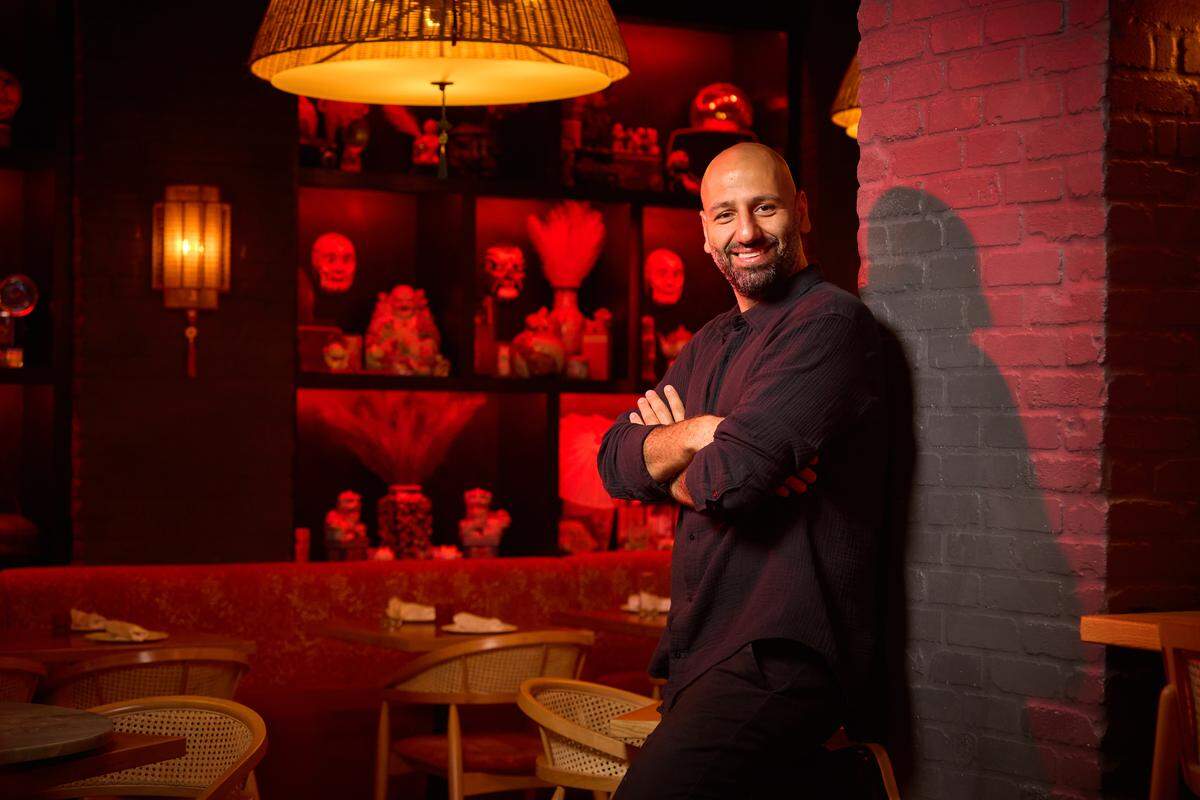
Some Miami chefs and restaurant owners say they’ve noticed the shift, too. Mohamed Alkassar, who recently opened Cho Funky Asian Bistro on Miami Beach and partners with chef Niven Patel on Ghee Indian Kitchen in Kendall and Wynwood, said guest behavior has changed.
“I see the GLP-1s as more prevalent than ever in our society,” Alksassar says. “And I see guests looking for smaller portions and a lower volume in individual orders. I do partially attribute the smaller orders we’re seeing in restaurants to this.”
Mario Palazon, owner of FreshCo Fish in Kendall and Doral, which is known for its generous portions as well as its fresh seafood, starting noticing a change last year.
“I would see food left on the plates,” he says. “So I started talking to customers. They would quietly tell me, ‘We’re doing the shots, we’re taking the injections.’ There was a stigma a year ago — people didn’t want to say they were doing them. Now they just flat-out tell you they’re taking the shots because they want to lose weight.”
Palazon’s wife Maya, who had double bypass heart surgery in 2025, went on Ozempic for health reasons related to diabetes, and Palazon too was prescribed a GLP-1 for severe sleep apnea. He’s no longer taking it, but the results were eye-opening.
“It was a good test for me to find out what my customers are going through,” he said. “Not only does this medication make you lose your hunger, you lose all interest in food. I wasn’t hungry. I didn’t even want chocolate or chocolate chip cookies! I think it’s really hurting the industry big-time.“
‘A perfect storm’
GLP-1 medications aren’t the only factor in customers ordering less. Over the past several years, trends have shifted from huge platters of food to more manageable and shareable plates.
Dr. Andrew Moreo, associate professor and director of research at FIU’s Chaplin School of Hospitality & Tourism Management, says that diners are more savvy about what they’re putting into their mouths — and more interested in making healthier choices even if losing weight isn’t their primary consideration.
“In general, customers are more educated about food,” he explains. “They have higher expectations about flavor profiles. They’re taking more interest in understanding food. People are coming around to the idea that food is medicine. You can use it to help make yourself healthy or unhealthy.”
Chef Vicky Colas, an associate professor who teaches culinary management and dietetics at FIU’s Chaplin School of Hospitality & Tourism Management, agrees that things have changed in the industry, and it’s not solely because of the weight loss drugs.
“Better understanding of nutrition, people eating out less and not drinking as much, together with the rise of the cost of food is creating a perfect storm in the restaurant industry,” she said.
But both agree that GLP-1s are having an effect on restaurants, and the industry should take notice.
Moreo, who is in the process of coming off Zepbound after two years, thinks that many restaurants will have to contend with new GLP-1 related demands from customers whose appetites have waned.
“I don’t think GLP-1s are going away,” Moreo says.
Colas, who has been prescribed Mounjaro and has changed her own cooking accordingly, believes that many restaurant owners will need to make adjustments to their menus.
“Smaller portions are a good idea,” she says. “I think chefs and restaurants have to dig deep and think about their methods of cooking to see if they can write a health conscious menu with flavor.”
A win with ‘La Flaca’
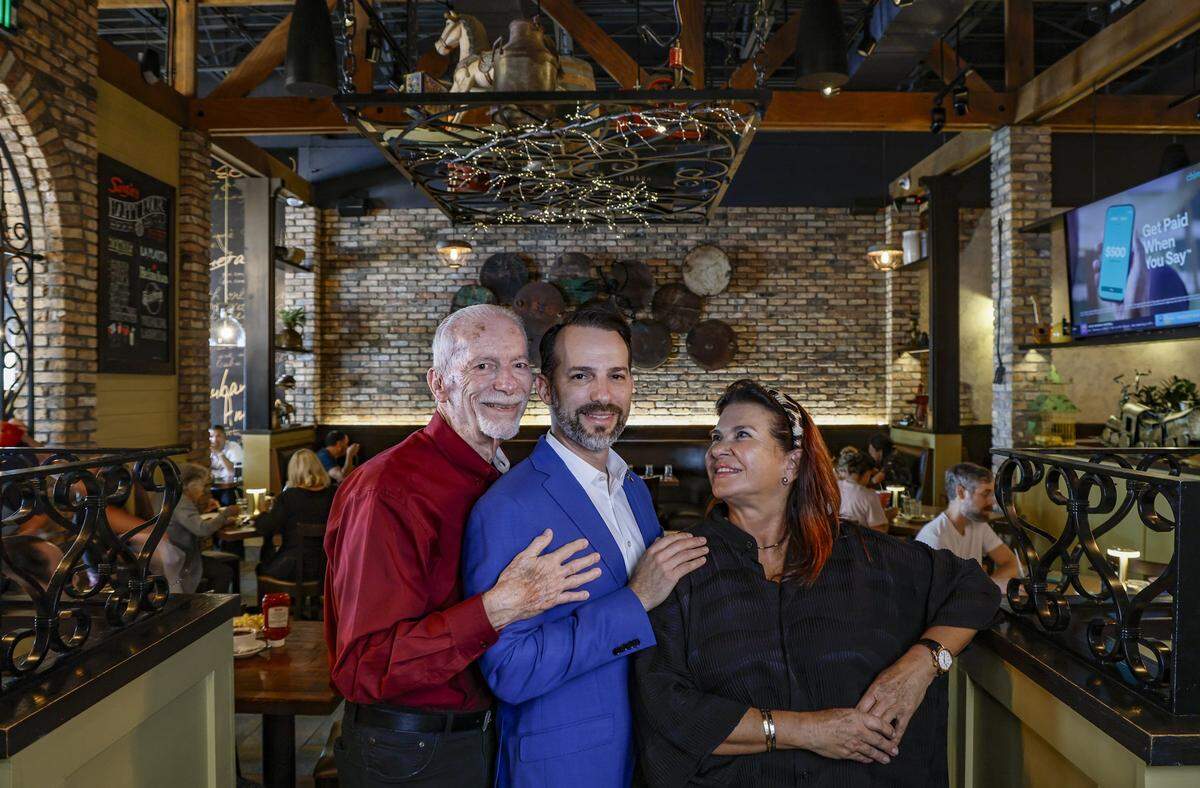
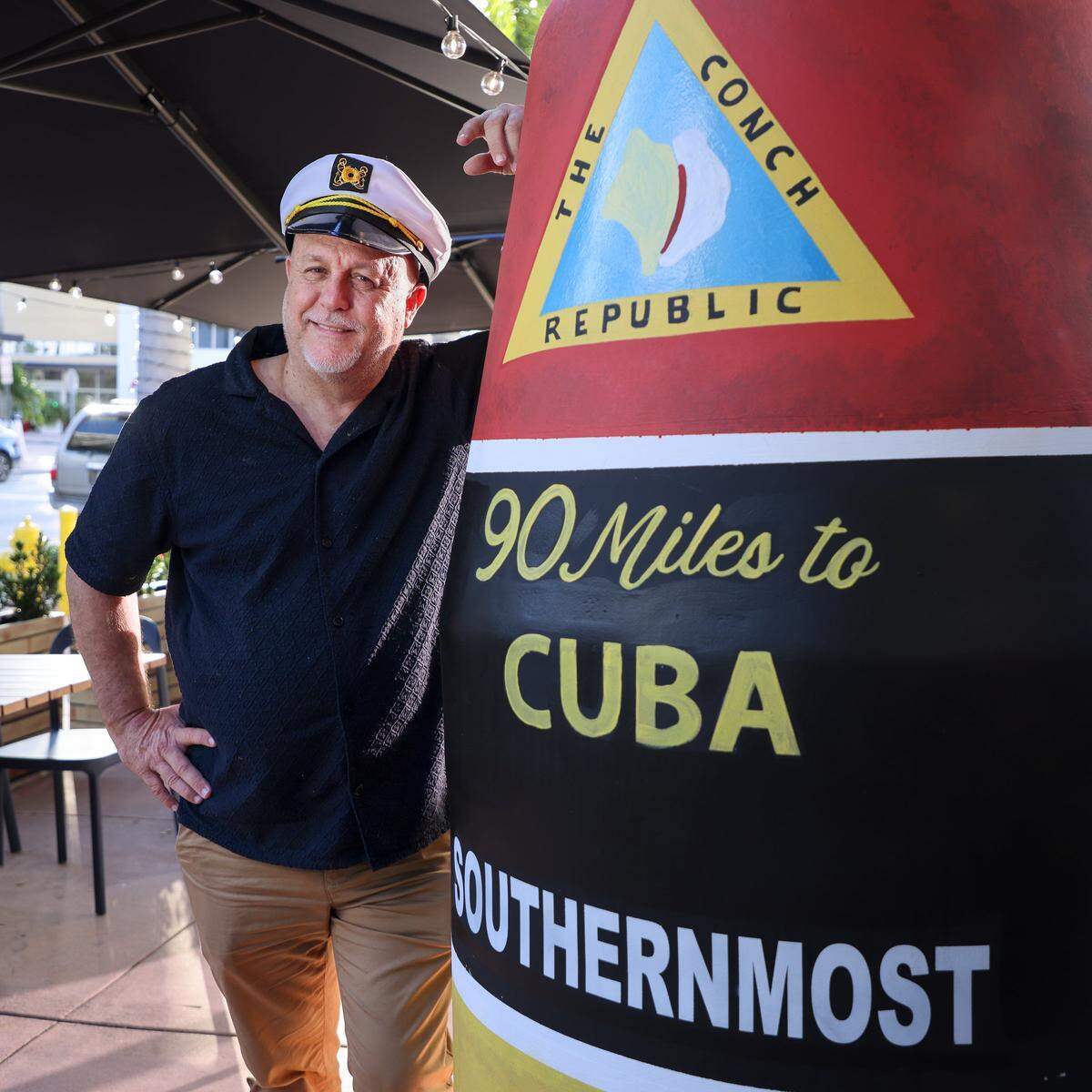
Carlos Gazitua, CEO of Sergio’s, a popular, local Cuban restaurant chain that celebrated its 50th anniversary in Miami last fall, has been ahead of the curve of this trend. Long before the average diner knew what a GLP-1 was, he created a special “La Flaca” menu to cater to fans of crossfit and customers leaning hard into the paleo or keto diets.
“We didn’t predict they were going to have these drugs,” he says. “We focused on what people in the community wanted to eat. Miami is a place focused on lifestyle, so if you want to stay relevant you need to understand the lifestyle of your community.”
There was pushback, at first, with older diners skeptical of cauliflower rice, turkey picadillo and a disturbing rise in the number of vegetables appearing on the menu.
“People would say, ‘This is not Cuban food,’ or tell us we were ruining Cuban food,” he recalls.
Of course, you could still order traditional Cuban dishes — turkey picadillo be damned — and eventually, customers came around. And now, with greater use of GLP-1s, which comes with a side of interest in tracking macros and intense focus on protein, the La Flaca menu is more popular than ever.
“What has been nice about it and still is is that we created an opportunity for conversation,” he says. “You could bring your grandmother, who would not order from La Flaca menu, but her 40-year-old daughter would. It really sparked conversations at the table.”
Making changes
There’s no telling how long the love affair with GLP-1 medications will last, no knowing if long-term side effects could arise or if a new weight loss method will appear that’s more affordable. Not all insurance covers it, and the high cost is one of the marks against the drugs, according to the Mayo Clinic, which also cites gastrointestinal problems, loss of muscle mass and bone density as potential negative side effects.
But based on what they’re seeing, some restaurant owners and chefs are addressing the issue.
At FreshCo, Palazon is experimenting with charbroiled options, creating more appetizers and serving some former big plates as appetizers. Hutson has just unveiled a new menu at Cerveceria La Tropical that focuses more on shareable and smaller portions. Make way, croquetas: The salmon, jerk seared tuna and lychee ceviche are already popular. Expect judicious use of mangos once the summer truly gets underway.
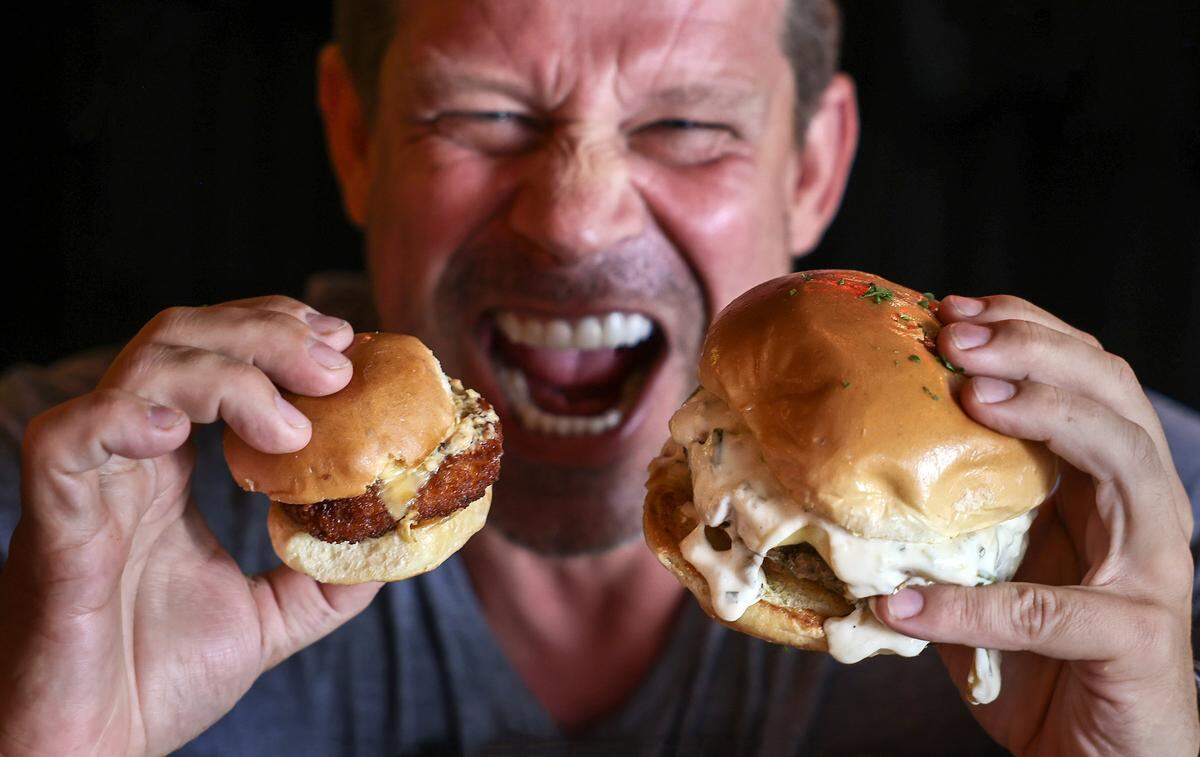
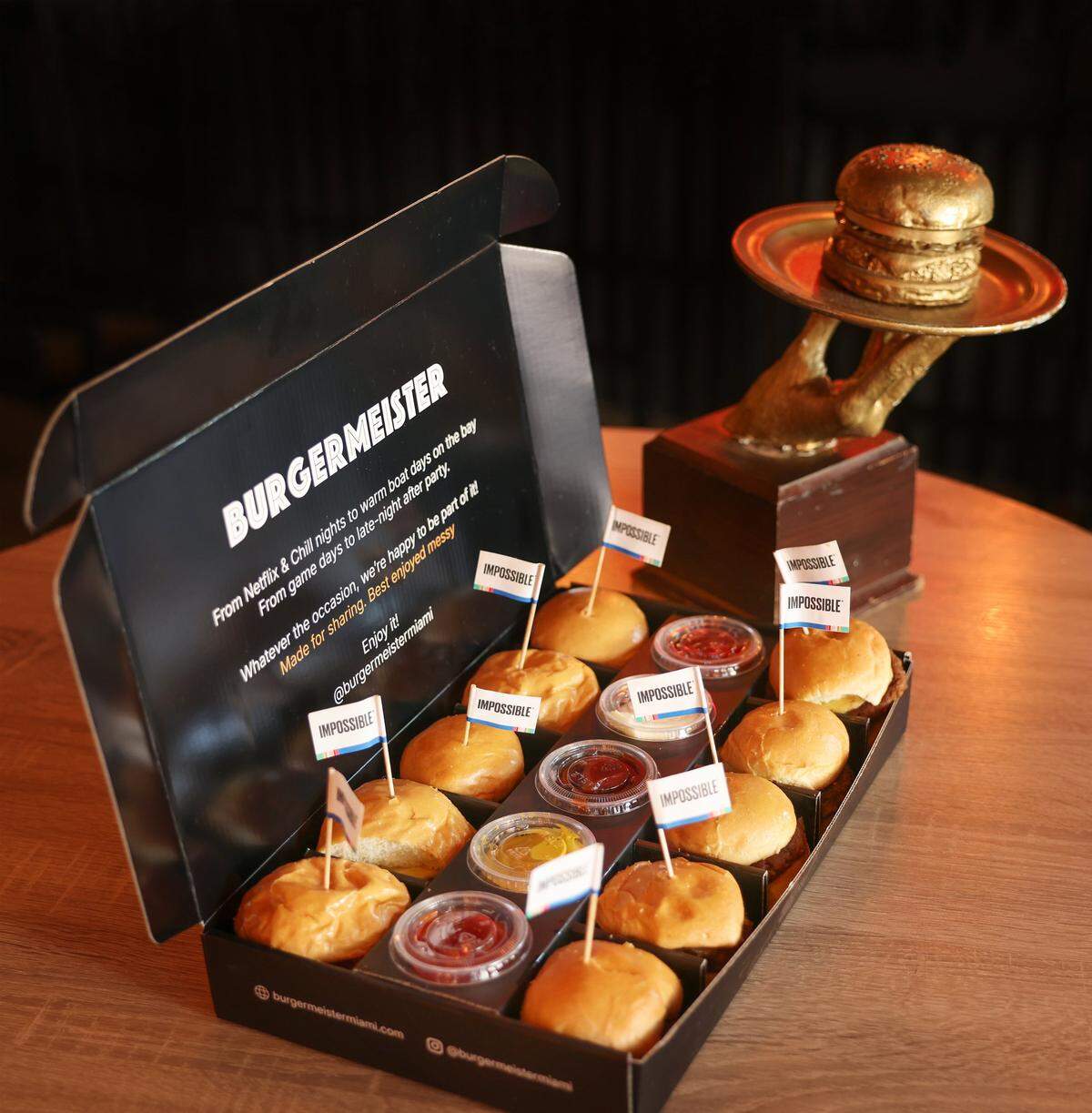
Even burger joints are paying attention. Alex Ringleb, owner of Burgermeister Miami restaurants in Brickell and Miami Beach, is experimenting with making smaller burgers. His restaurants were known for big burgers — not smashburgers but thick, juicy patties. At the end of last year, he introduced a new delivery option, a box of 10 sliders, burgers or mini chicken sandwiches, to test out the market.
“We kept getting more feedback asking ‘How can we get your stuff on a smaller scale?’ ” he says. “We wanted to test the waters. I’m cautious. I never want to be too focused on trends.”
But the sliders have been well received, he says, popular enough that he’s considering integrating some sort of slider onto the regular menu.
“I think people who want a burger will still get a burger,” he says. “But the sliders have turned out very well for us. I was surprised. But we’re always listening to our guests. If they want something GLP-1 friendly I’m open to listen and improvise and evolve the brand.”
Gazitua of Sergio’s has a simple plan: Just keep talking to his customers.
“We try to plan ahead and see where things are going, but it’s easier said than done,” he admits. “You don’t want to chase trends, but you do want to chase something your community really wants.”
This story was originally published May 14, 2026 at 4:30 AM.