
Can this neighborhood restaurant from Little Haiti make its mark on Miami Beach?
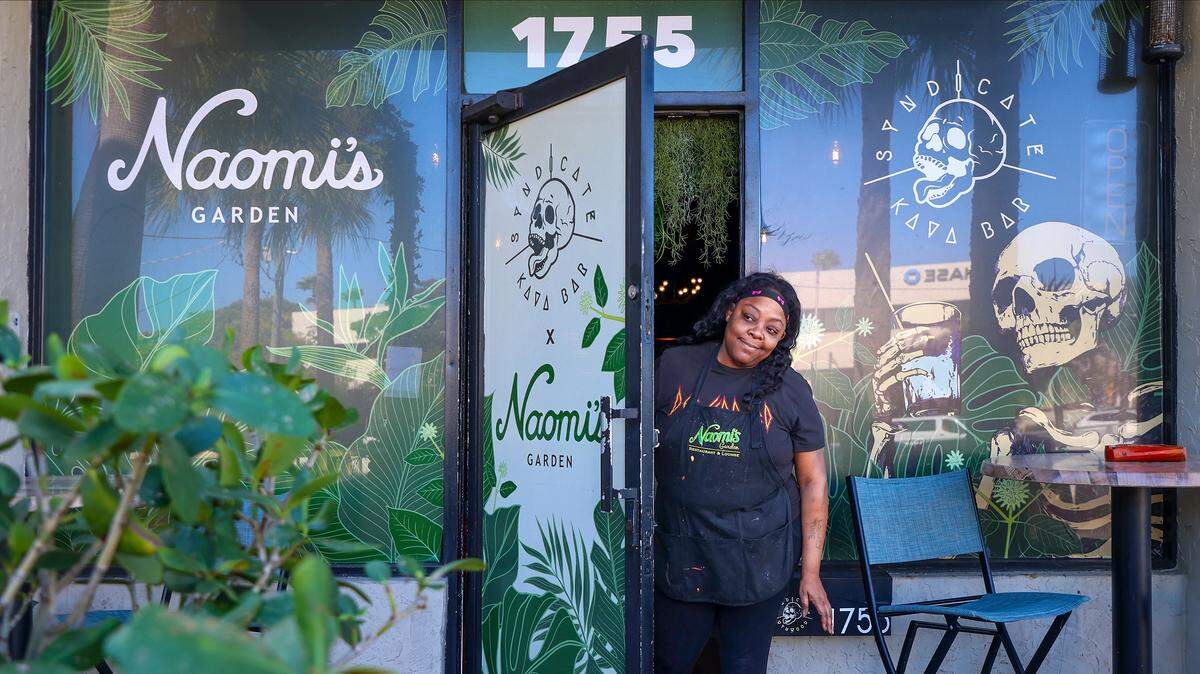
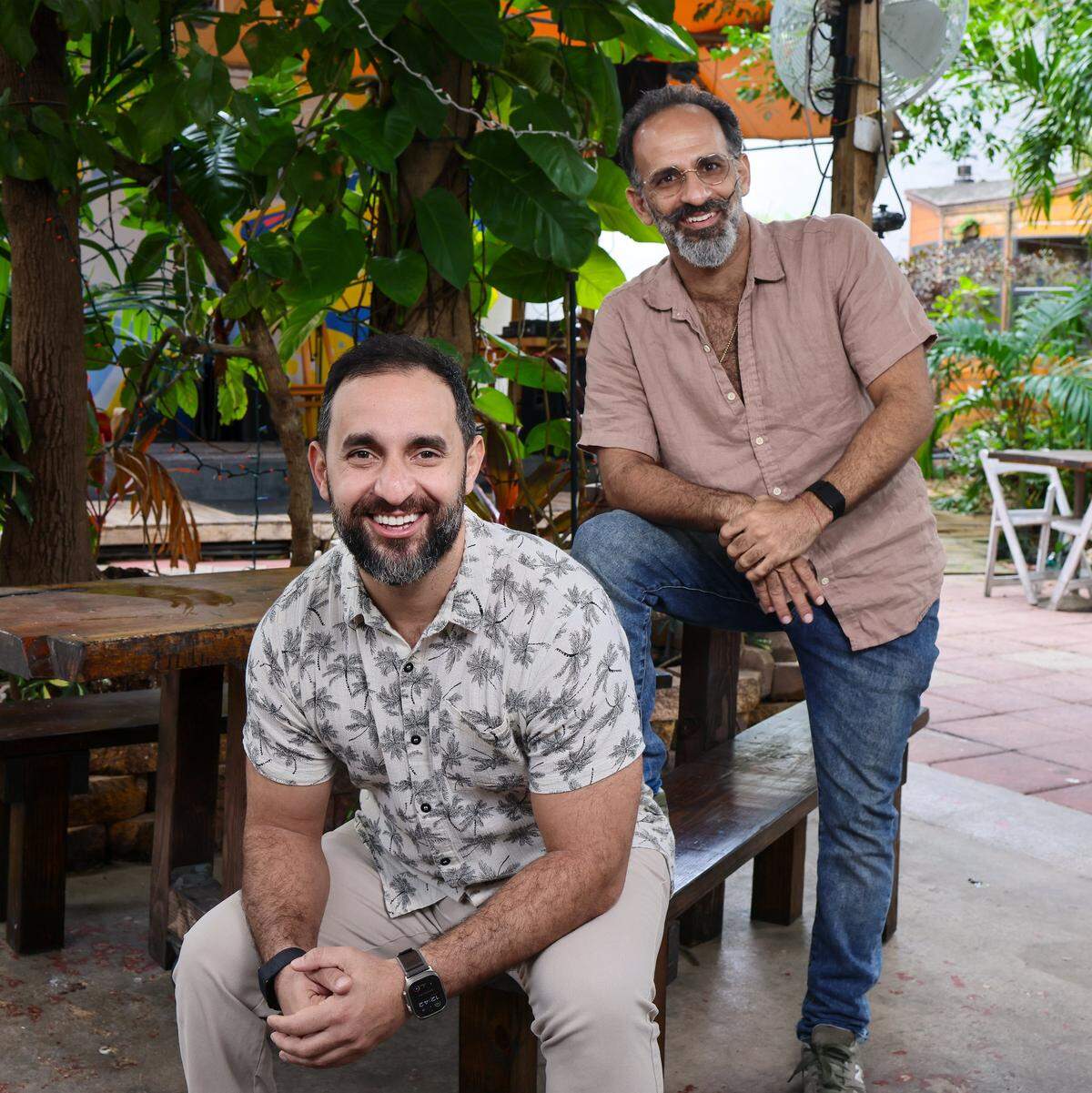
For years, brothers Noam and Omaar Yemini wondered how to bring their Little Haiti restaurant Naomi’s Garden to a wider audience.
Started by their Israeli immigrant parents Yaron and Shula Yemini in the 1980s as a commissary kitchen that sold vegan food to restaurants and shops all over Miami-Dade, Naomi’s Garden has evolved into a community favorite. With a takeout window and a sprawling open-air patio currently patrolled by the world’s noisiest rooster, the modest spot just west of I-95 has become known as a place for warm comfort food without pretension.
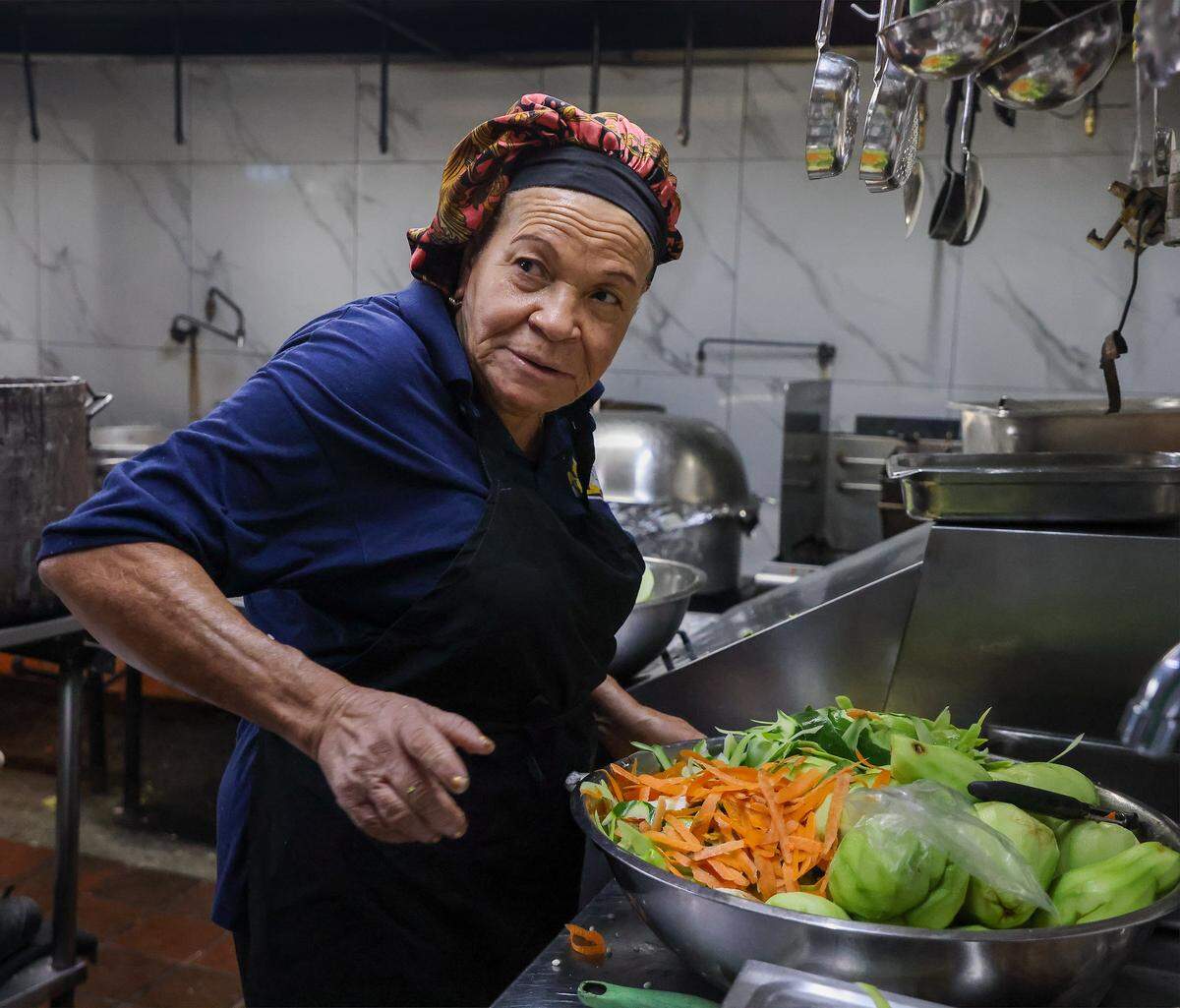
Both brothers were actually born on the property, where their parents lived in the early days in tents and an old RV. They have watched it shift from a thriving wholesale business into a modest neighborhood restaurant serving authentic Haitian food made by an all-Haitian staff.
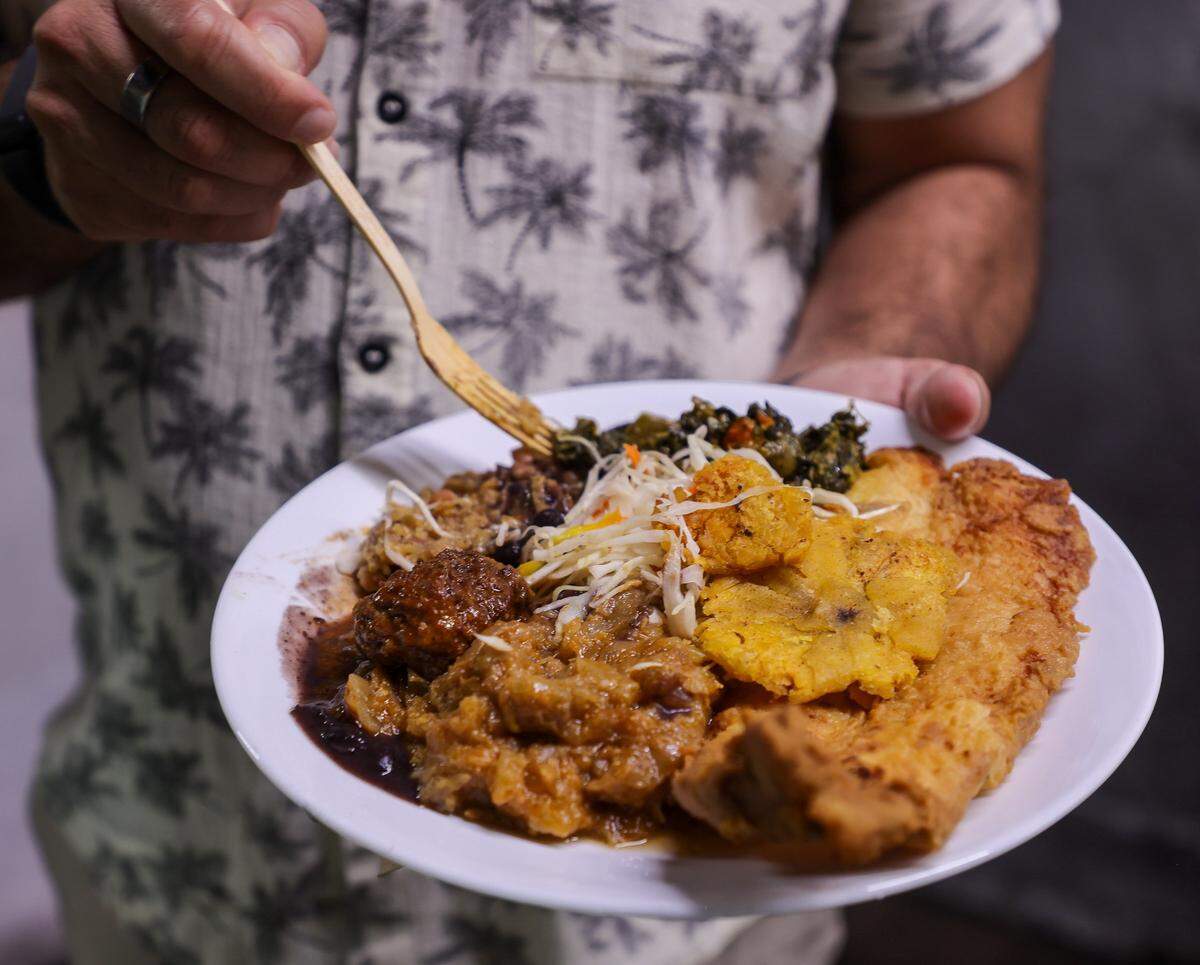
Curried goat. Fried snapper. Rice and beans. Jerk chicken. (The latter is of course not Haitian but Caribbean, but any successful restaurant pays attention to what its customers desire, and in Little Haiti, they weren’t asking for seitan.)
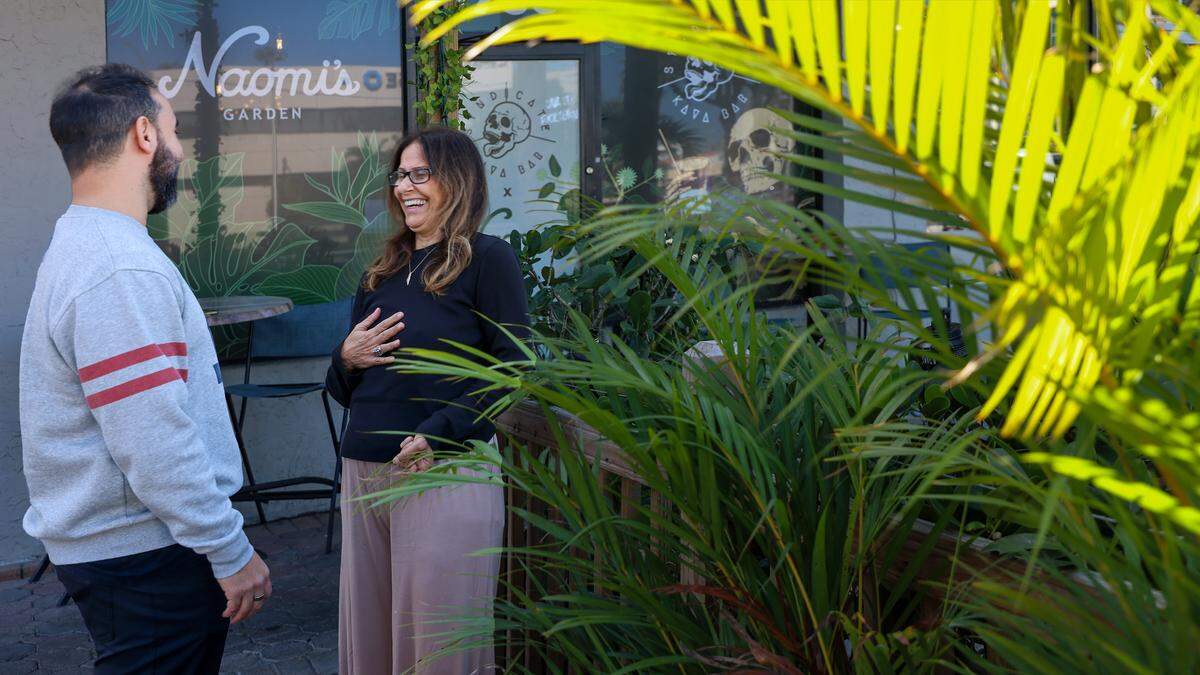
Now, finally, the Yemini brothers have a chance to share Haitian cuisine more widely: They opened a second Naomi’s Garden, named for the brothers’ late grandmother, in the Sunset Harbour neighborhood of Miami Beach.
“It’s a very different market,” Noam Yemini acknowledges. “But it’s the beginning of something.”
Little Haiti vs. Miami Beach
The differences between Little Haiti and Miami Beach are vast, starting with potential clientele. At the original restaurant, the mostly Haitian and Caribbean customers know Haitian cuisine. Even the tourists who show up tend to be versed in pikliz and plantains, Noam Yemini says. The restaurant, in a part of the neighborhood with little foot traffic, is a destination.
“We got a lot of exposure on certain YouTube channels and TikToks, and we’re right off the highway,” he says. “We’re not far from the airport, so a lot of people come here either first when they first arrive or on their way to wherever they’re going. You’ll see people here with all their suitcases. And some people come on the way in and on the way out, because they liked it so much, especially after eating in all the fancy places in Miami or Miami Beach. Here they’re not spending $120.”
But many of their customers travel to the Little Haiti spot from Pembroke Pines, which is home to a significant Haitian community, he adds.
The new Naomi’s Garden, which shares its space with Syndicate Kava Bar, doesn’t have that built-in community on Miami Beach, which has lacked a strong Haitian culinary presence since Tap Tap closed in 2019. The Yeminis hope to tap into that vacancy.
New on the menu
By necessity, the new Naomi’s Garden is significantly smaller than the original space, with a small outdoor dining area unlike the sprawling patio in Little Haiti. No roosters, either.
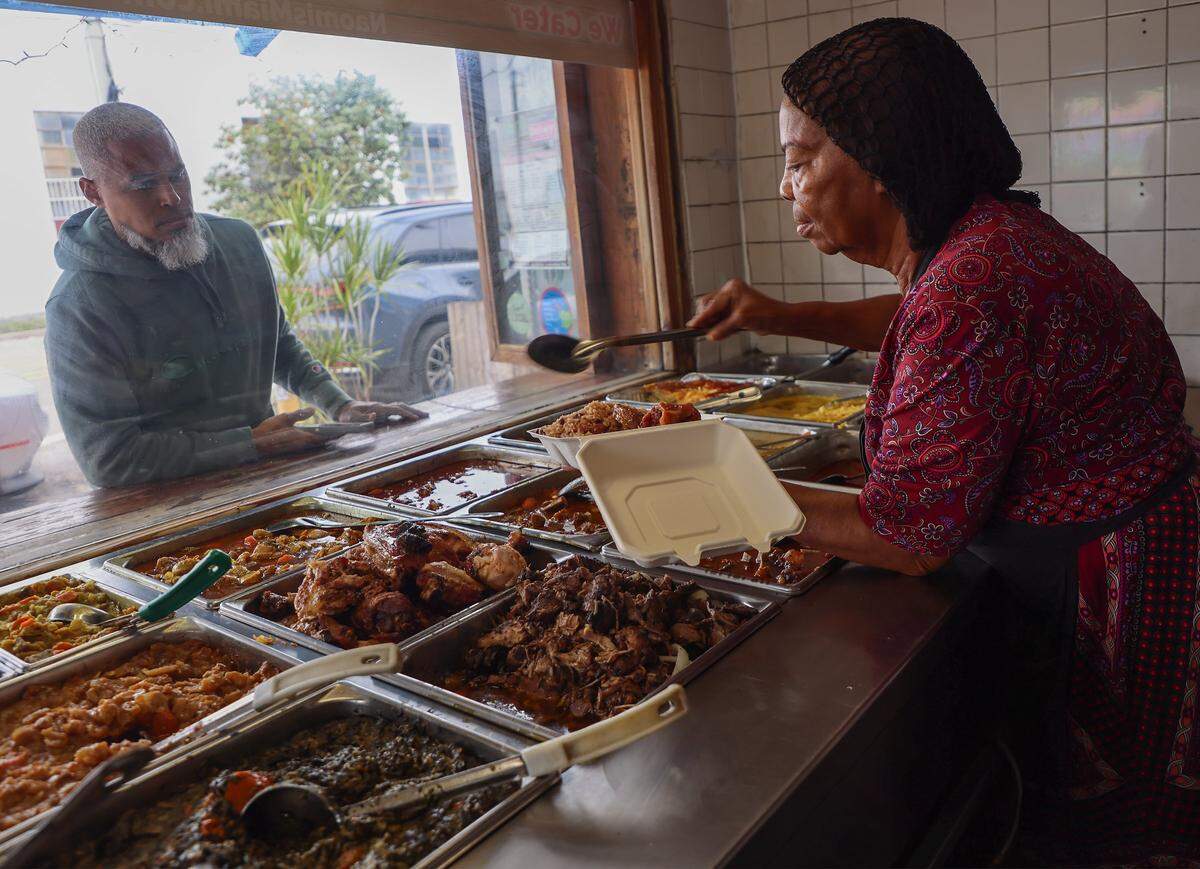
There are other differences as well. In Little Haiti, you come to the window and can see what’s on offer. You order at the window and take your food to go or walk around the corner to enter the patio. In Miami Beach, you order at a kiosk and the food is brought out to you. You can eat on site, but the dining area is much smaller.
The menu is similar at the restaurants — goat, fish, oxtail, baked chicken, turkey tassot, stews, legume (mashed vegetables) — and vegan dishes like jerk jackfruit. At the Miami Beach restaurant, though, customers also can order tacos and wraps.
Omaar Yemini said the addition was meant to ease the uninitiated into the delights of Haitian cuisine.
“We wanted to make it feel very easy for them to order,” he said. “So we do have a few options for tacos and wraps and like. But, for instance, if you get a jerk chicken taco, you have some legume on there, too. We’ve taken the authentic food and then presented it in formats that can be easier for some new guests to accept.”
A good deal
Pitching your restaurant to the masses these days usually involves social media, particularly Instagram and TikTok, where carefully constructed and perfectly illuminated images sell the product. Haitian food, by contrast, is more about hearty flavor, comfort and nostalgia than artful design.
Which is why the Yemenis hope to lure their customers via taste, approachability — and their wallets.
“I don’t want to ever be a restaurant that is not approachable to the common person,” Noam Yemeni says. “I don’t go to restaurants like that myself. I don’t believe in them. I think of restaurants as a place for people to actually get food, while some people think of restaurants mostly as part of their entertainment budget.”
In other words, you come to Naomi’s Garden on the Beach for the food, not to be seen.
“We want to feel like the person who’s coming to eat with us to feels valued. We’re really not trying to rip people off. We want to be approachable. You can come get an amazing plate of food for $15. That isn’t always Instagrammable, but the price is kind of unheard of on the Beach.”
‘We want to be ready’
As they rev up the operation on South Beach, the brothers are also hoping to make changes to the original Little Haiti location. Being west of I-95 means they have not benefited extensively from development yet in the way restaurants and shops on the east side have. Nearby Little River is booming with restaurants, from Michelin starred spots like Boia De and Ogawa, popular spots like La Natural and Sunny’s Steakhouse as well as the brand-new Fooq’s, an upscale version of the old downtown favorite.
Still, the Yeminis see the demographics shifting in their part of the neighborhood.
“It’s very different being on the other side of the highway,” Noam Yemini says. “Do we feel any of it? Yes, because the property values of everything are increasing dramatically. People are moving into these areas, and even around 12th Avenue there are a lot more younger people that are moving in.”
As those demographic changes continue, he says, the challenge is to “maintain our relevance.” The first step? Sprucing up the outdoor area, installing more awnings and creating night-time programming (live music, for example).
“Very soon we’re going to have to figure out what to do here,” he says. “The makeup of our customers 10 years ago was 90 percent Haitian. But soon it’s going to be 60 percent Haitian. So the demographics, even on this side of Little Haiti, are changing, just more slowly, and we want to be ready.”
Naomi’s Garden
Miami: 650 NW 71st St., Miami
Miami Beach: 1755 Alton Rd., Miami Beach
More information: naomismiami.com
This story was originally published January 29, 2026 at 4:30 AM.