‘Prices are just too high’: Miami diners sound off on why they’re not dining out
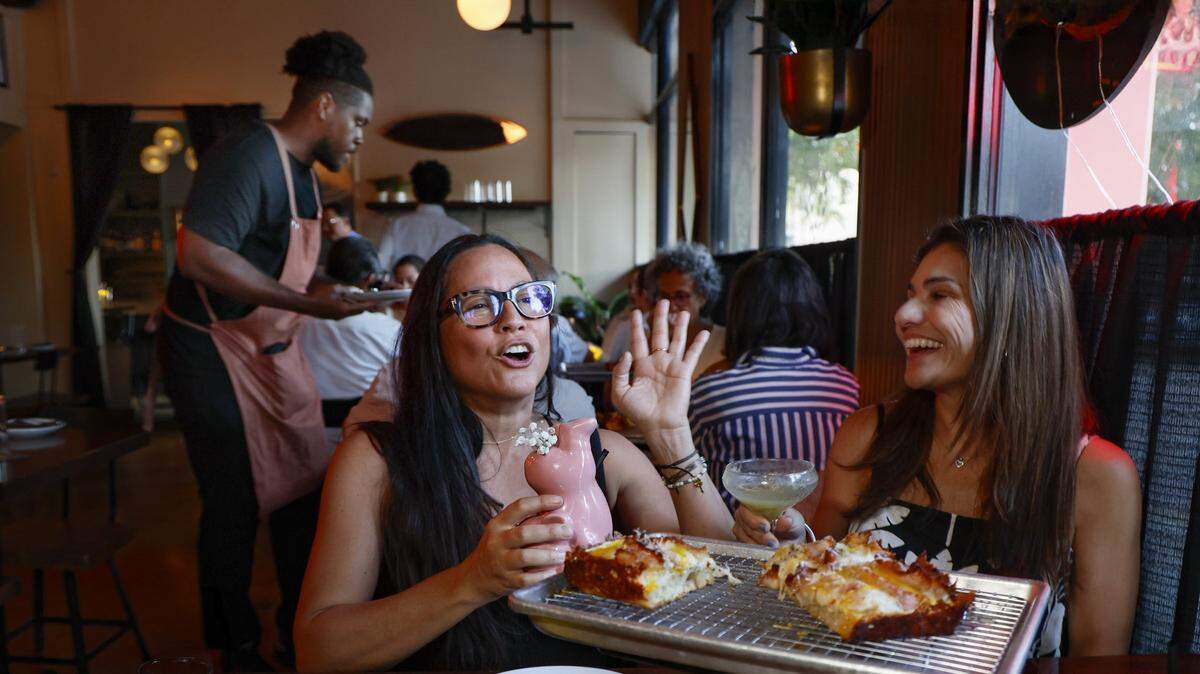
Ask just about any chef or restaurant owner around Miami, and they’ll tell you that the summer of 2025 is one of the toughest they’ve seen in terms of luring diners.
Not all of them, of course. There are restaurants that are still drawing crowds, like the hot-spot-of-the-moment Sunny’s Steakhouse in Little River or the new Daniel’s steakhouse in the former home of Fiola in Coral Gables. But overall, those in the industry say there’s been a downturn in business.
So why aren’t locals — and let’s face it, in August, it’s locals we’re talking about — going out to eat? We asked Miami Herald readers to weigh in on whether they’re eating out less this summer, and to absolutely no one’s surprise, most of the responses were something along the lines of: We’re cutting back.
The main reasons cited by diners who responded to our query, which was in no way scientific, is the fact that prices are too high — and that too many new restaurants aren’t paying attention to the needs of local diners.
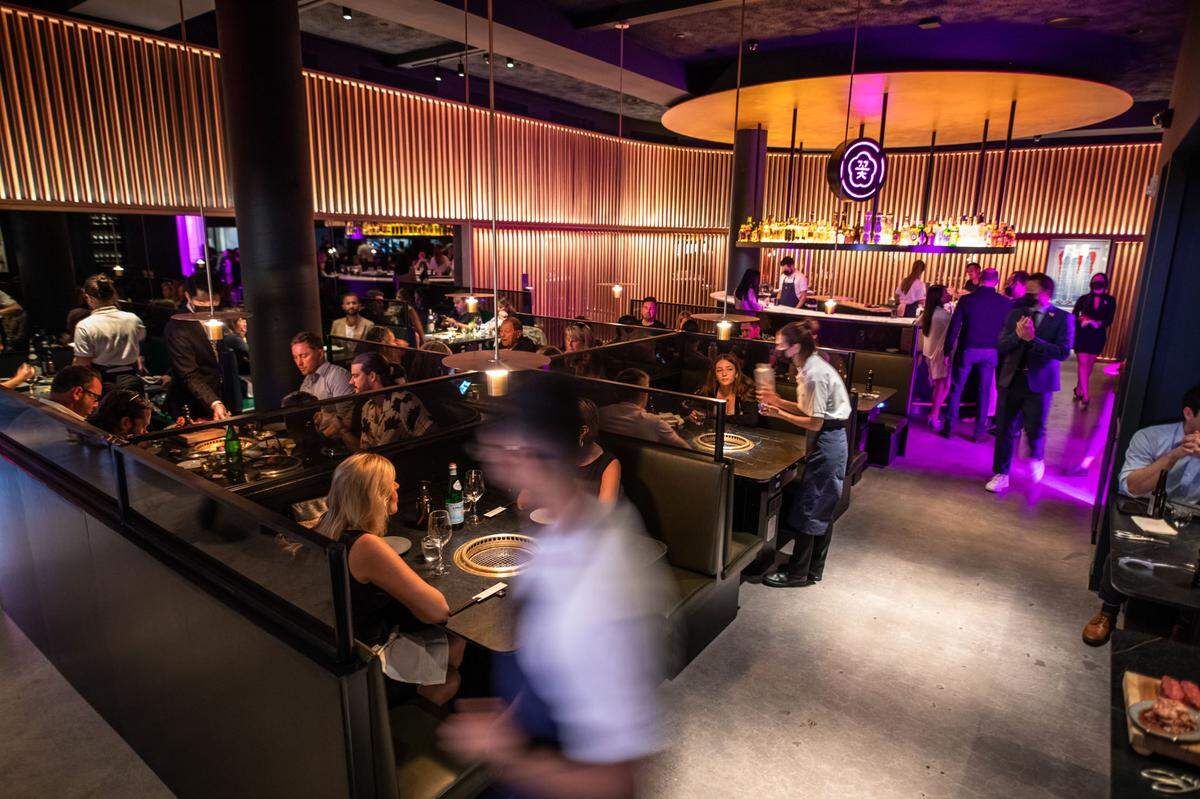
Kendall resident Patty Migenis said she and her boyfriend recently went to Wynwood’s Double Knot, an Asian restaurant from Philadelphia, and had what she thought was a terrific meal — for $300.
“The restaurants don’t cater to people who are local,” she says. “We don’t make that much money here in a regular suburban household. The average person can’t spend $300 on dinner every night. Not even every weekend. The prices are just too high.”
Roberto Vizcon of West Hialeah agrees.
“Two people can’t spend less than $150 dollars on dinner, at a not-so-fancy restaurant,” he writes. “With limited income after retirement, it’s just impossible to dine out. . . . I’m sure [the restaurants] will bounce back when the rich and famous hit the area for fall and winter for all the festivals and art shows. Miami is not an affordable city for the natives any more.”
Eddie Garcia put it even more succinctly: “This luxury dining trend needs to go away fast!”
The cost of living in Miami
Vizcon isn’t the only person feeling the sting of higher prices. Katie Chafin, who operates Go Bananas nursery in the Redland with her husband, says they are cutting out dining out altogether. She has an anniversary coming up, and when her husband asked what restaurant she wanted to go to for a celebration, she said she’d rather eat at home — even if she had to do the cooking.
“The price of everything has gone up,” she said. “Food prices are outrageous. I was walking through the produce section of the store, and everything starts at $4.99. So it’s $5 for everything you put in your basket. And if my prices have gone up, the restaurants’ prices have gone up, too.”
The food prices restaurants pay have ballooned over the last half decade, 30 percent since 2020, according to data from the U.S. Department of Agriculture. And that trickles down to diners.
Other expenses in Miami — housing and transportation, for example — have shot up, too.
Over the same period, the rental cost of a one-bedroom apartment in Miami-Dade has grown by almost 48 percent, market estimates from the Department of Housing and Urban Development show. Six in 10 metro Miami residents now spend at least 30 percent of their income on housing, while three in 10 spend at least half, making Miamians the most cost-burdened urbanites in the country.
And prices have risen faster for those intent on buying. The median sale price of a condo in Miami-Dade grew by 68 percent over the last five years to $440,000, while median single-family home prices exploded by almost 80 percent, reaching $675,000, according to data from the Miami Association of Realtors.
Add to the bill a 25 percent spike in grocery prices and a 66 percent jump in transportation costs, according to USDA and Bureau of Labor Statistics data, and you can understand why half of locals now live paycheck to paycheck, with little left over for non-necessities.
Those pressures also hit restaurants. Beyond soaring food prices, Florida’s minimum wage has grown from $8.56 to $13 an hour, pushing up labor costs. And the square foot price for retail establishments climbed almost 54 percent between 2020 and 2024, according to the Miami Association of Realtors.
In short, everyone is hurting. And many diners are responding accordingly.
“My husband and I are definitely dining out less and cooking more,” writes Tracey Umansky of Coral Gables. “When we do eat out, we choose a medium-priced restaurant whereas last year we would not have thought twice about going to an upscale restaurant for dinner. Or we go for lunch or we entertain at home. We feel that the economy is sliding as we see warning signs and definitely are experiencing a slow down in our own businesses. Therefore we want to be judicious in our spending.”
“The economy has only gotten worse,” writes Peter Ramis of Kendall. “As prices are up, my income is down, and it looks like it is only going to get worse, so we’re cutting back on everything. When my wife and I do go out to eat, we order one plate and share. I feel terrible for the service staff as they work on tips, but also tipping has gotten out of control. Even for takeout via a drive thru at Starbucks, they expect tips.”
Traffic, parking and tipping
Ramis’ comments about tipping were echoed by other respondents, too, with more than a few irate over the mandatory 20 or 25 percent service charges added to checks. Hidden charges, particularly from restaurants on Miami Beach, are received with particular venom.
“Restaurants adding 20-25 percent to our bills and then notifying us that it’s not considered the staff tip is a huge fail for businesses,” writes David Marchisotto. “I want everyone to have health care and time off, but when you start charging us so we cover it instead of the business owner, you’ve lost me. I’ll eat somewhere else or eat at home.”
Others complained about Miami’s soul-crushing traffic, especially when they’re driving to Miami Beach, which requires passing through some of the worst ongoing construction in the county. The cost and lack of parking can be a problem, too.
“Between the heat and traffic, we don’t want to drive far especially on a weekday so we are sticking mostly to nearby dining,” writes Michael Matluck.
Liliana Agron of Pinecrest writes that the noise level is also a factor in her decision to abandon fine dining.
“My husband and I used to enjoy dining out and were willing to spend a lot of money for the experience. Now, it seems as though there is no more fine dining. You spend fine-dining prices on trendy but mediocre food served in an unpleasant room that is so noisy that it is impossible to carry on a conversation with your dining companions. And restaurants are made noisy on purpose — tiled walls and floors, metal ceilings, no tablecloths — they actually go out of their way to make the ambience as intolerable as possible. I can’t believe that anyone enjoys this.”
Holly Bedotto agrees: “Restaurants are too loud,” she writes. “They cannot decide if they are a club or a restaurant.”
Darren Page has perhaps the most unique reason for avoiding restaurants: “We are eating out less due to how much salt chefs are using these days,” he writes. “Everywhere we go, so much salt is being placed on food it’s like a salt bomb.”
Still dining out
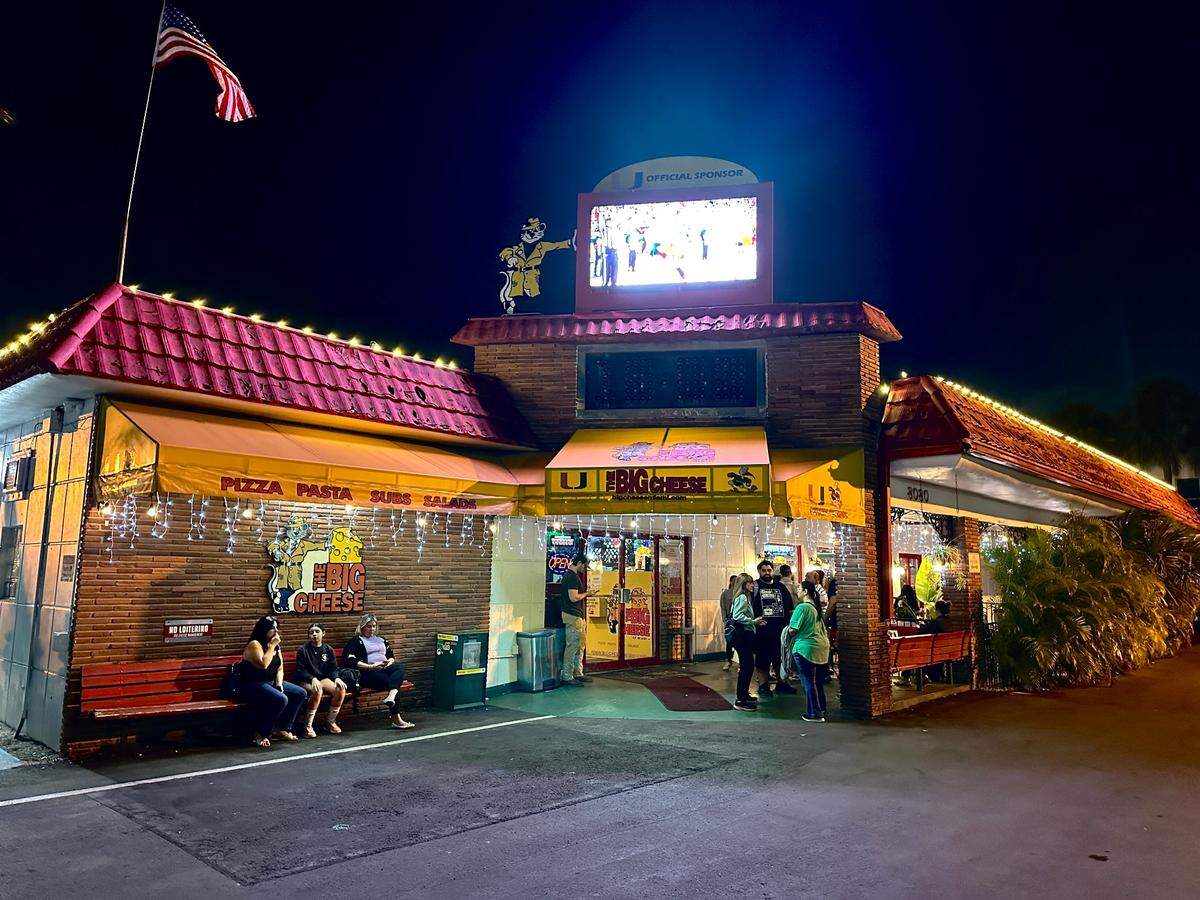
Despite complaints, some respondents can’t be deterred from sampling Miami’s cuisine. They still go out to eat; they’re just being careful about where they go.
Jodi Del Campo and Cherise Stevens both write that they’re actually dining out more for the next month in order to take advantage of the annual Miami Spice promotion, which offers fixed price lunch and brunch deals for $35 and dinner deals for $45 or $60. Others, like Rafael Cervantes, write that they’re taking advantage of happy hour pricing at restaurants around town, when the prices of food and drinks are lower. Nobody, it seems, is a fan of the $20 cocktail.
Manuel Perez, who lives in downtown Miami, said that he and his wife approach dining out strategically. There are parts of town they avoid — “we rarely go to the Beach, it’s too expensive” — and they’re dining out less overall. But they’re exploring more affordable options.
“One thing we’re starting to do is look for food trucks,” he says. “There are a lot of creative food trucks around. It’s fun, and you get to try street food.” They also hit more affordable favorites like Mimmo in North Miami and Atchana’s in Coconut Grove.
University of Miami graduate student John Pisano, who’s renting an apartment in Little Havana, said that he and his friends, all of whom live on stipends, try to stick to a rule when going out: Spend money on food or drinks, but not both.
“We are young so we do like to spend money at clubs and bars, and I love that about Miami culture,” he says. “We have these communal grills at our apartment, and we’ll buy two or three ribeyes and split them at the start of the night, then go out for drinks afterward. If we’re going out for dinner, we have drinks at home first. If we’re going out to eat, there’s no going out after that.”
Vance Timmon and his wife Sandy of Coconut Grove still dine out because they love Miami’s cultural diversity (Timmon is in particular a fan of Peruvian restaurants). He says they have the resources to go out to dinner, but even they have experienced a sharp sticker shock at Los Felix, a Michelin-starred restaurant in the Grove, paying around $450 for dinner for two, two cocktails and a glass of wine.
Still, they will continue to explore Miami’s restaurant scene.
“I think the scene has changed for the better,” he says. “This is a worldwide phenomenon of creativity in the kitchens in the last five years. We’re lucky to be living in a time where chefs are so creative.”
This story was originally published August 25, 2025 at 4:30 AM.