
Welcome to Termite Town: Miami is the top city for those destructive bugs
They are small but dangerous. They can eat a whole house, or at least that is how voracious we imagine the tiny creatures that run rampant in Florida are. Miami is paradise for termites, but they don’t come seeking the sun like tourists, rather they are after the humidity. And here we have humidity.
For the third year in a row, Miami tops the list of America’s cities with the most termites, according to Orkin’s report released this week. It is followed by Los Angeles and Tampa, which have held second and third place for the last three years. The fourth had belonged to New York, but was taken by Washington, D.C.
Beyond that strange feeling that, as in a science fiction novel, termites are watching us, the important thing about the report is that the more termites there are, the more it affects the pockets of residents in the cities they prefer.
Property damage caused by termites amounts to $5 billion annually nationwide. Spring and summer are the preferred seasons for these pests to develop, so if you are going to make any decisions to avoid or exterminate them, this is the time.
Extermination is expensive in Miami
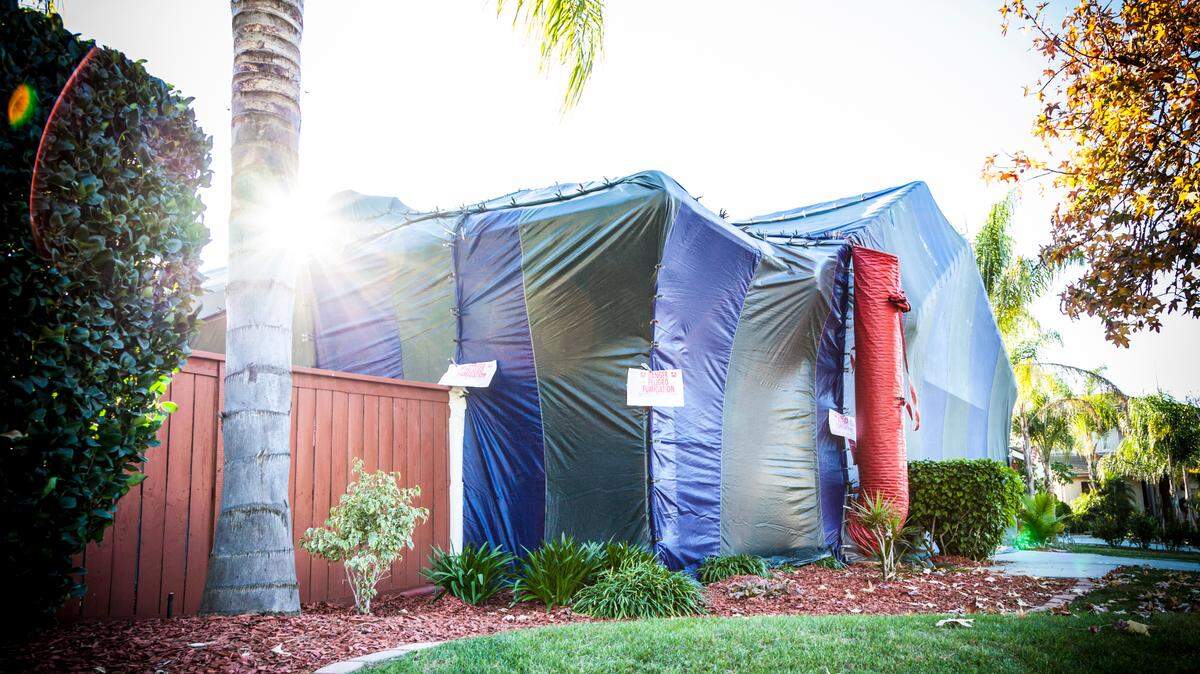
In Miami, “tenting,” which is the most effective method of eradicating termites, costs about $1,800 for a house over 1,700 square feet. And while this is good news for pest control companies like Orkin, which has been in business for 120 years, it is not so good for families dealing with a tight budget in the Miami-Dade real estate market, where median prices of a single-family home are over $450,000.
Orkin bases the report on clients who first contracted its services to exterminate termites from Feb. 1, 2020, to Jan. 31, 2021. These clients are usually those who are preparing to buy a house, since most banks require that a home be termite free before approving a mortgage loan.
Also, a termite inspection can cost anywhere from $50 to $280, according to the Home Advisor website, and must be done by a certified inspector.
To these costs, add the regular treatments so that termites do not take up residence in the house, which cost more than $100 a year. It is important to remember that most homeowner’s insurance in Florida does not cover termite damage.
The logistical expenses that a family must incur when they tent is also substantial. You need to rent a hotel room for at least two nights because you cannot enter the house. You also have to set aside a place to leave pets. That means paying for accommodations for cats or dogs or the extra cost at the hotel the family goes to, which must also be one that accepts animals.
The Orkin Report on Termites
What seems more curious about the Orkin report is that people, who spent more time in their homes last year because of the pandemic, observed that they had more termites in their homes than before. That may not speak highly of the interest they showed in remote work, but it does speak of the ability of some Floridians to discover the “devil in the details.”
The intense 2020 Atlantic hurricane season, in which 12 storms made landfall in the United States, also facilitated an increased presence of termites.
Another piece of information derived from the Orkin experts’ comment is that termites lodge where they find food and moisture, that is, wood and water.
With fewer and fewer trees in urban areas, termites are establishing themselves in the suburbs, and in the case of South Florida, which is a glorified suburb, they are expected to feel at home.
“Termites are abundant when looking for moisture and food, and with fewer dead trees to invade in urban areas, they will move to residential areas in search of food and moisture,” said Glen Ramsey, an entomologist who works for Orkin.
Signs of termites and how to avoid them
Orkin experts shared some damage that may indicate the presence of termites in surrounding buildings, houses and structures.
▪ Bubbles or cracks in paint
▪ Wood that sounds hollow when tapped
▪ Traces of mud on the inside or outside of walls or wooden beams
▪ Remains of termite wings
▪ Termite droppings in or near the home
They also offered tips to avoid the presence of this expensive pest:
▪ Monitor leaks. Seal them and ensure they drain properly.
▪ Pay attention to the areas of the foundation and the roof of the house.
▪ Remove rotten trees and wood so that termites do not have places to feed.
This story was originally published March 25, 2021 at 10:53 AM.
