
How Miami’s Wish Book campaign changed the life of this family and many others
The people of South Florida have proven that when neighbors are in need, the community shows up.
Thanks to the generosity of Miami Herald and el Nuevo readers, Wish Book donations for 2025 reached $276,949, surpassing the $273,564 raised in 2024.
This season, 82 wishes have been fulfilled, while 75 more are pending for a total of 157 families helped. These include requests for furniture, medical equipment and services, computer tablets, phones and housing assistance. The most common request this year was for food, and those families received gift cards to grocery stores to help keep their pantries full.
“Every year, the Miami Herald and el Nuevo Herald Wish Book program relies heavily on our readers to help their neighbors in need during the holiday season, and once again, they rose to the occasion,” said Roberta Di Pietro, coordinator of Wish Book, a program run by The Herald Charities, a non-profit. “The community response underscored a strong commitment to supporting our less fortunate neighbors.”
Since December 1982, when the Miami Herald published its first Wish Book story, more than 80,000 Miami Herald and el Nuevo Herald readers have contributed more than $13.6 million to help more than 7,400 Wish Book nominees over the decades.
This year, 22 stories of families in need were featured in the Herald and el Nuevo.
READ MORE: This Miami Herald charity has raised millions. Here’s how you can help this year
A life-changing gift
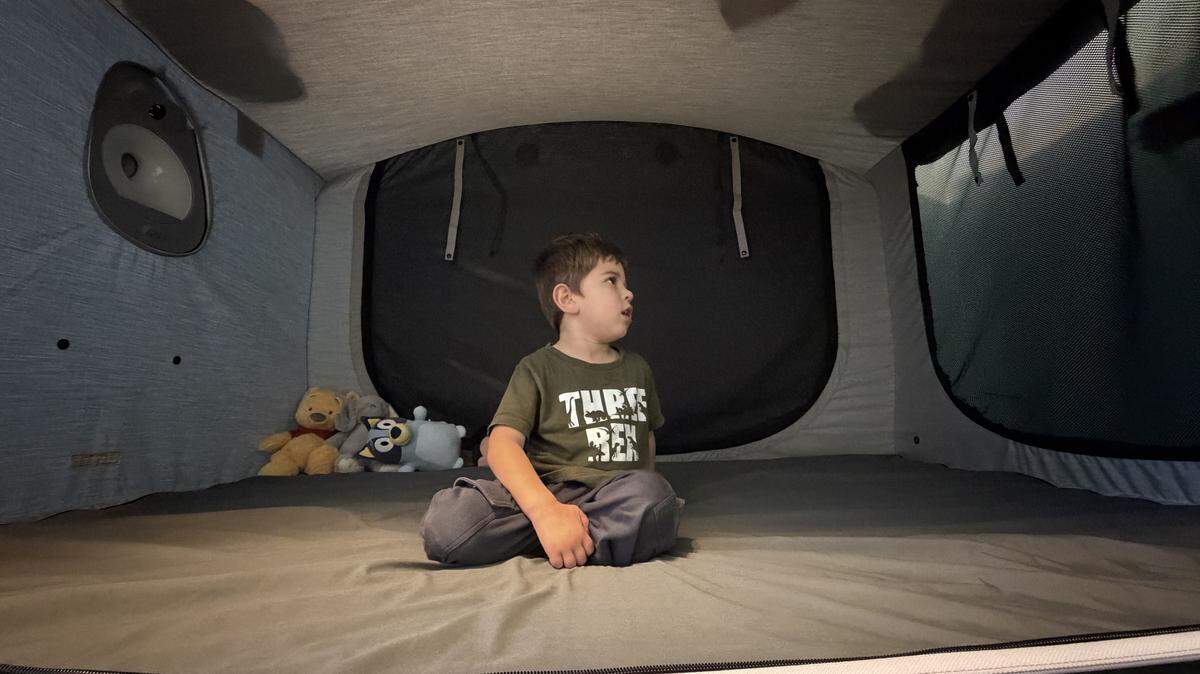
One of the most touching gifts this season was delivered to 3-year-old Mason Rodriguez, who lives with a chromosomal abnormality and seizure disorder, DiPietro said.
Mason had outgrown his crib, and his parents had been forced to modify it for safety — adding pool noodles to the frame and installing a specialized safety net. What Mason truly needed was a specialized “cubby bed,” designed to provide a safe, enclosed environment with monitoring features.
READ MORE: ‘An emotional rollercoaster’: Little Mason’s seizures are taking a toll
Through the Wish Book program, that wish came true.
The bed — which resembles a soft, enclosed tent — includes netting, a built-in camera system, and enough space for Mason to grow. It also allows his parents to safely climb inside with him during nighttime seizures to comfort him and help him fall back asleep.
“We were completely surprised and extremely grateful,” said Mason’s mother, Elizabeth Rodriguez. “This is going to make a huge difference — not only in his life, but for us as a family.”
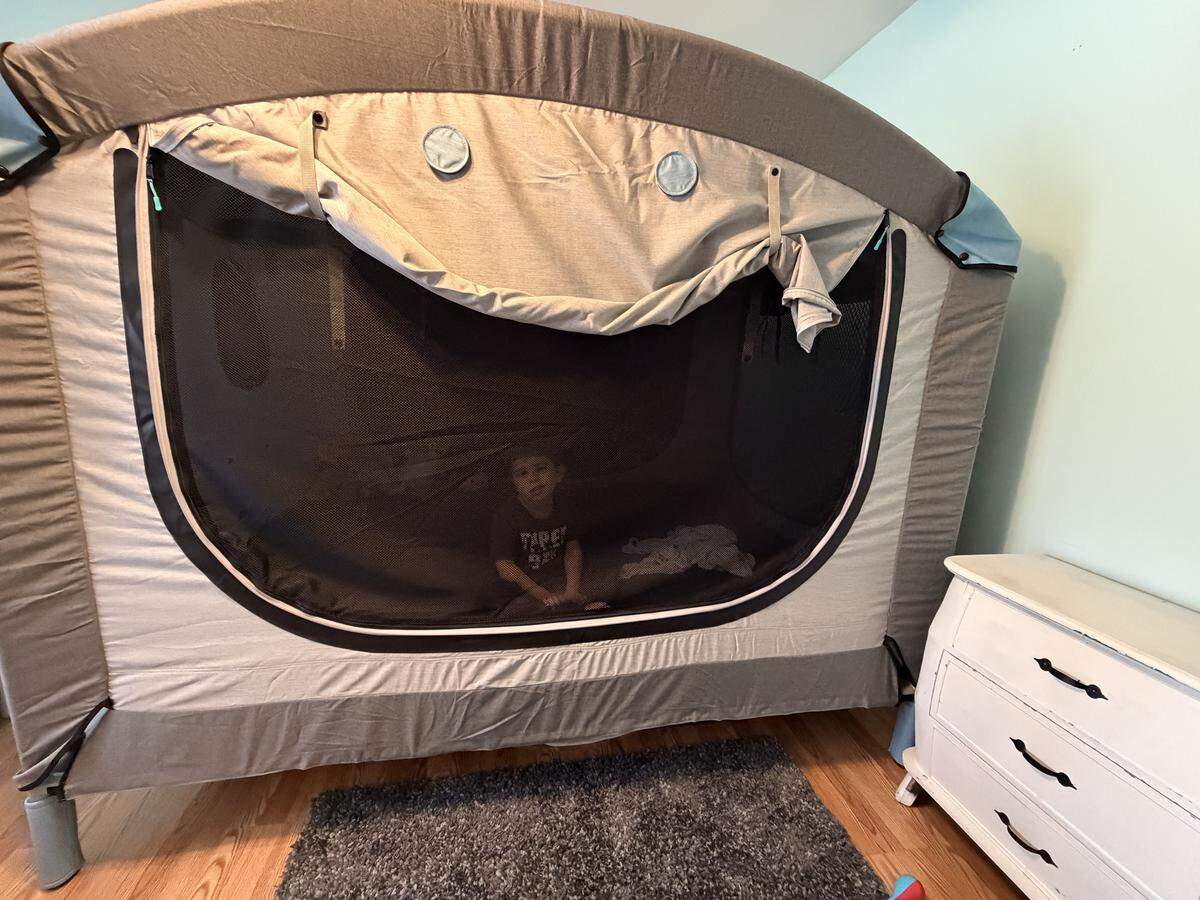
Before the new bed, nighttime seizures could mean hours of wakefulness for the family.
“He would have an episode and it would take us hours to calm him down because there was no way for us to lay with him in a safe environment,” Rodriguez said. “Now we can go in with him safely. We can monitor him. We can sleep. He can sleep. It makes us feel safe knowing he’s protected.”
Mason tried out his new bed for the first time last week.
“He crawled around and played in there for a little bit before he fell asleep,” she said. “He climbs in and climbs out — it’s exciting for him.”
While many wishes have already been granted, the work is not yet finished.
“This year, we were able to grant wishes for 157 families at some level,” Di Pietro said. “However, there are still some challenging requests left to fulfill, including furniture, medical equipment and services, tablets, phones, and housing support. We remain committed to completing these wishes to the highest level possible in the weeks to come.”
How to help
You can still donate to Wish Book for the 2025 season.
To donate, use the coupon found in the newspaper or pay securely online through www.MiamiHerald.com/wishbook
For more information, call 305-376-2906 or email Wishbook@MiamiHerald.com
Read all Wish Book stories on www.MiamiHerald.com/wishbook