
She couldn’t find a school in Bolivia for her autistic daughter, so they moved to Miami
Nothing is easy for Michaela Aguilar. Just tying her shoes becomes frustrating. When crossing the street, she can’t process the need to wait for passing cars. The simplest routines like brushing her hair or getting dressed are major hurdles.
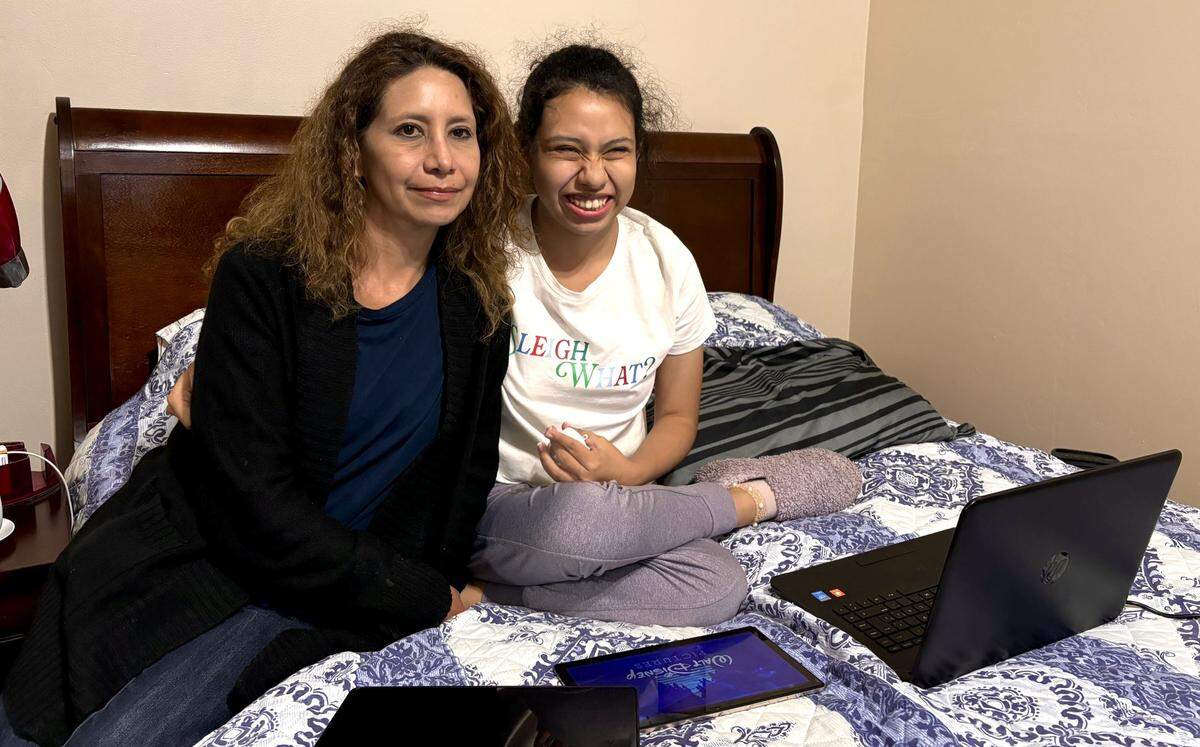
Nonverbal and living with autism, 19-year-old Michaela relies on her mother, Nataly Perez.
“Every day, we work through challenges that many people don’t even notice,” Perez said in Spanish. “But Michaela teaches me patience and strength in ways I never imagined.”
This has been Michaela’s reality since she was diagnosed with severe autism at age 2 in La Paz, Bolivia. Perez has worked tirelessly to improve her daughter’s life. However, nothing has seemed to work.
This past September, Perez and Michaela traveled from Bolivia to Miami, where they live in a small bedroom in Kendall and search daily for needed resources they couldn’t find at home.
“Some days feel unbearable,” said Perez. “I watch my daughter struggle knowing that I can’t fix it. I live in a constant state of exhaustion and worry.”
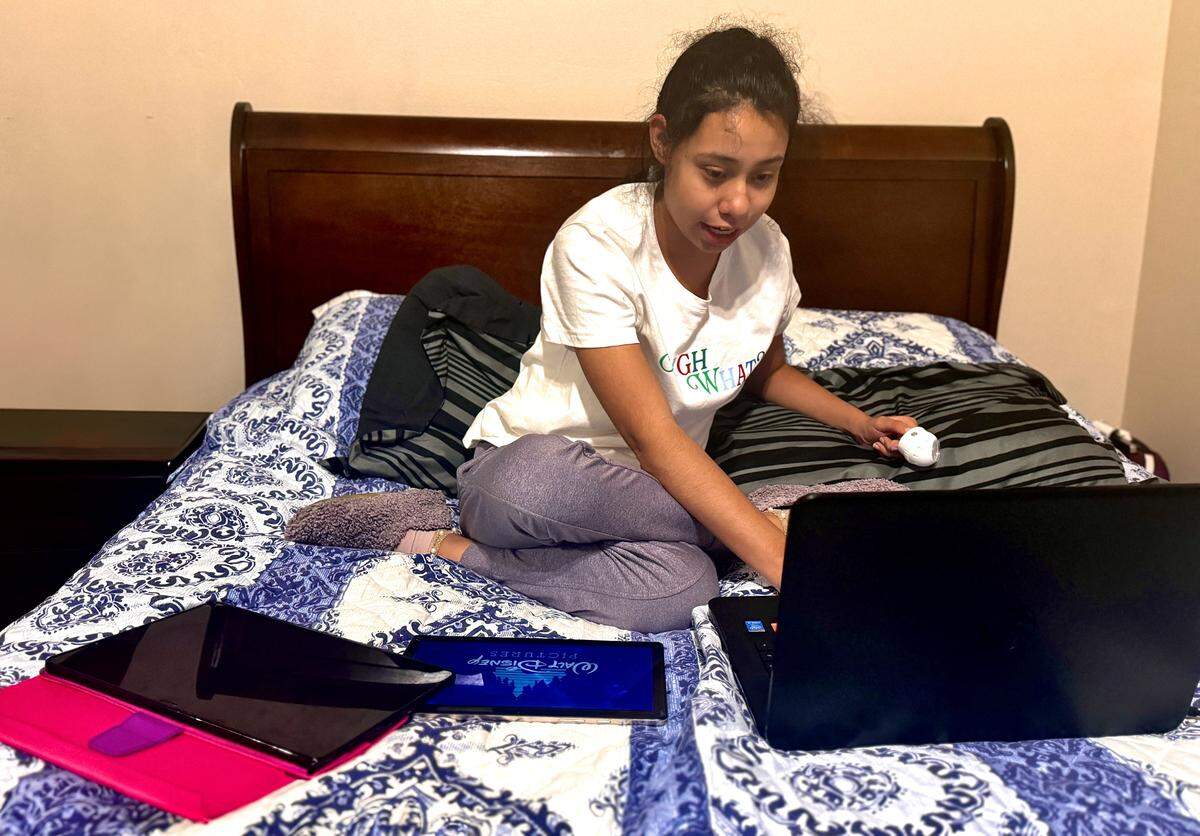
Gemma Carrillo of Miami-Dade Schools Police Department nominated Michaela for Wish Book, hoping for education and assistance in making her life just a little easier.
“I realized from speaking with Nataly that unless we got a bigger power to support them,” Carrillo said, “we wouldn’t be able to help Michaela.”
Michaela was born in La Paz on February 26, 2005. Two years later, her aunt noticed signs of developmental delays. Michaela would often struggle with making eye contact and constructing words.
“When I first became aware about autism, I felt like I couldn’t wrap my head around it,” her mother said.
In 2007, Michaela was diagnosed with level 2 autism at El Hospital Arcoiris in Bolivia. The diagnosis brought clarity but also marked the start of a challenging journey.
“I knew that from that point on that our lives would be different,” said Perez. “My love has never changed for her, I just had to learn to care for her in ways I hadn’t been taught.”
Soon after Michaela’s autism diagnosis was confirmed, her father deserted them, Perez recalls. He couldn’t cope with the reality of her condition.
“When he left, it felt like betrayal layered on top of heartbreak,” said Perez. “I had to grieve for the family that he abandoned.”
In 2012, Michaela began elementary school in La Paz. The school offered limited support, but it helped her take small steps toward independence.
“While the environment was stimulating, I wanted her to stay engaged and keep her mind active,” said Perez.
In Bolivia, there were no specialized schools, therapists, or programs for children with autism. “Despite their best efforts, teachers lacked the resources to support Michaela,” said Perez. “The lessons were too fast, and the environment too noisy, leaving Michaela overwhelmed.”
Though academics and specialists from across the United States recently began raising money for autism help in Bolivia, treatment and education are often unsophisticated and hard to find, according to North Carolina Partners of the Americas.
So to give Michaela structure and security, Perez developed a consistent routine for her. She would get up from bed, brush her teeth, and put on her clothes with her mother’s help. Just washing her hands could take up to 30 minutes.
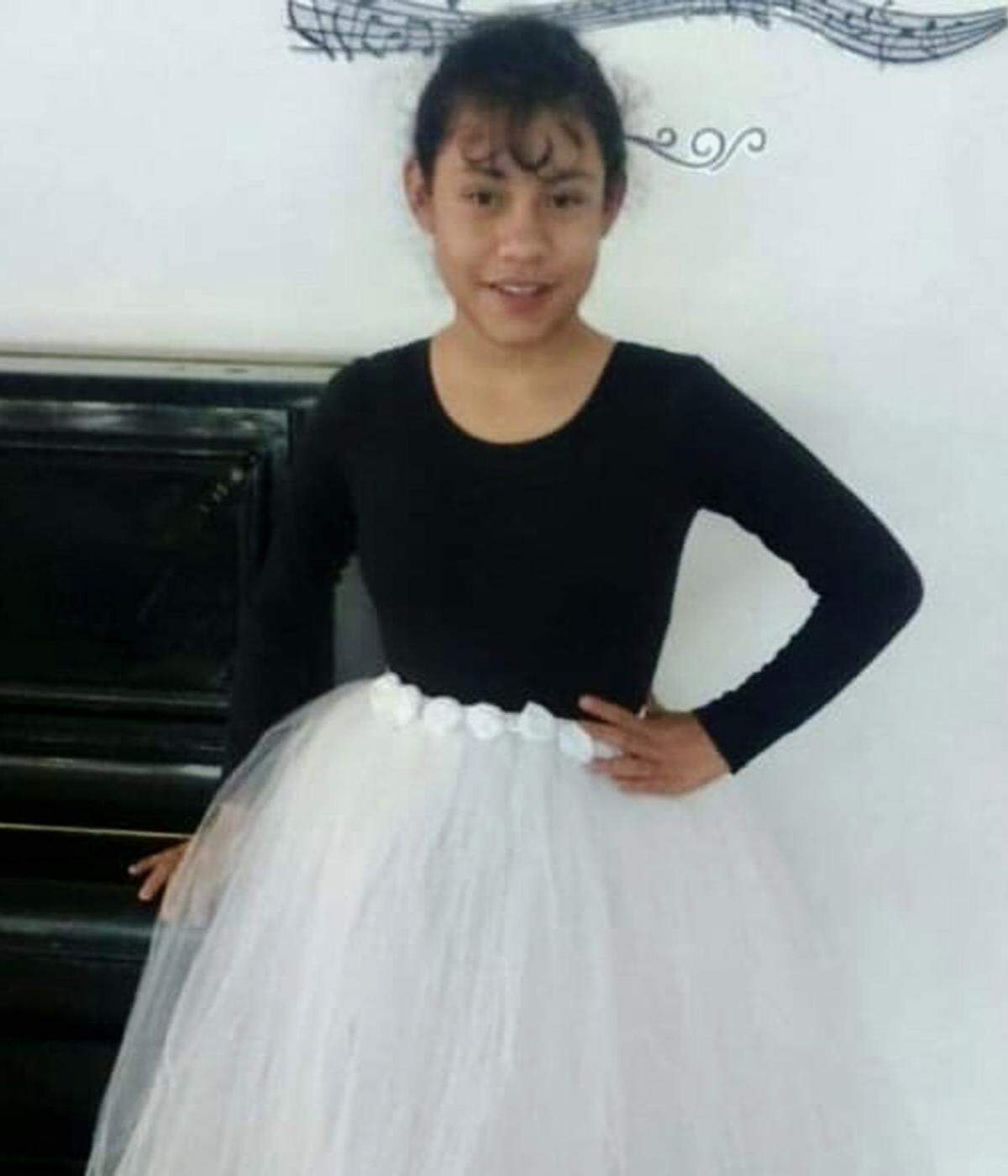
Despite her challenges, Michaela finds happiness in certain activities like listening to music or using technology.
“One day, I noticed her pretending to type on an imaginary keyboard,” Perez said. “It was a small but poignant moment that reflected her ability to find joy on her own.”
Michaela did make some progress in school, but the pandemic put that on hold. She was then 15, and the quarantine made it impossible for her school to continue providing the support and resources she needed.
“It was difficult to see that school become a place of struggle rather than growth,” said Perez.
So she made the life-altering decision this past September to leave Bolivia and move to Miami with Michaela. She left behind her immediate family including her mother and siblings. She had no relatives in Miami.
“With hope and fear mixed in my mind, I knew that this leap of faith was the only way to give Michaela a chance to have a future,” said Perez.
Two months after arrival, Perez still feels hopeless and worried about finding the proper care for Michaela.
She has a simple yet essential wish for Michaela: money to attend a school for children with autism. She has visited several and seen resources that she never imagined in La Paz.
“Specialized schools charge a large amount of money,” said Perez. “As a single mom and not being able to work, my chances of helping my daughter are small.”
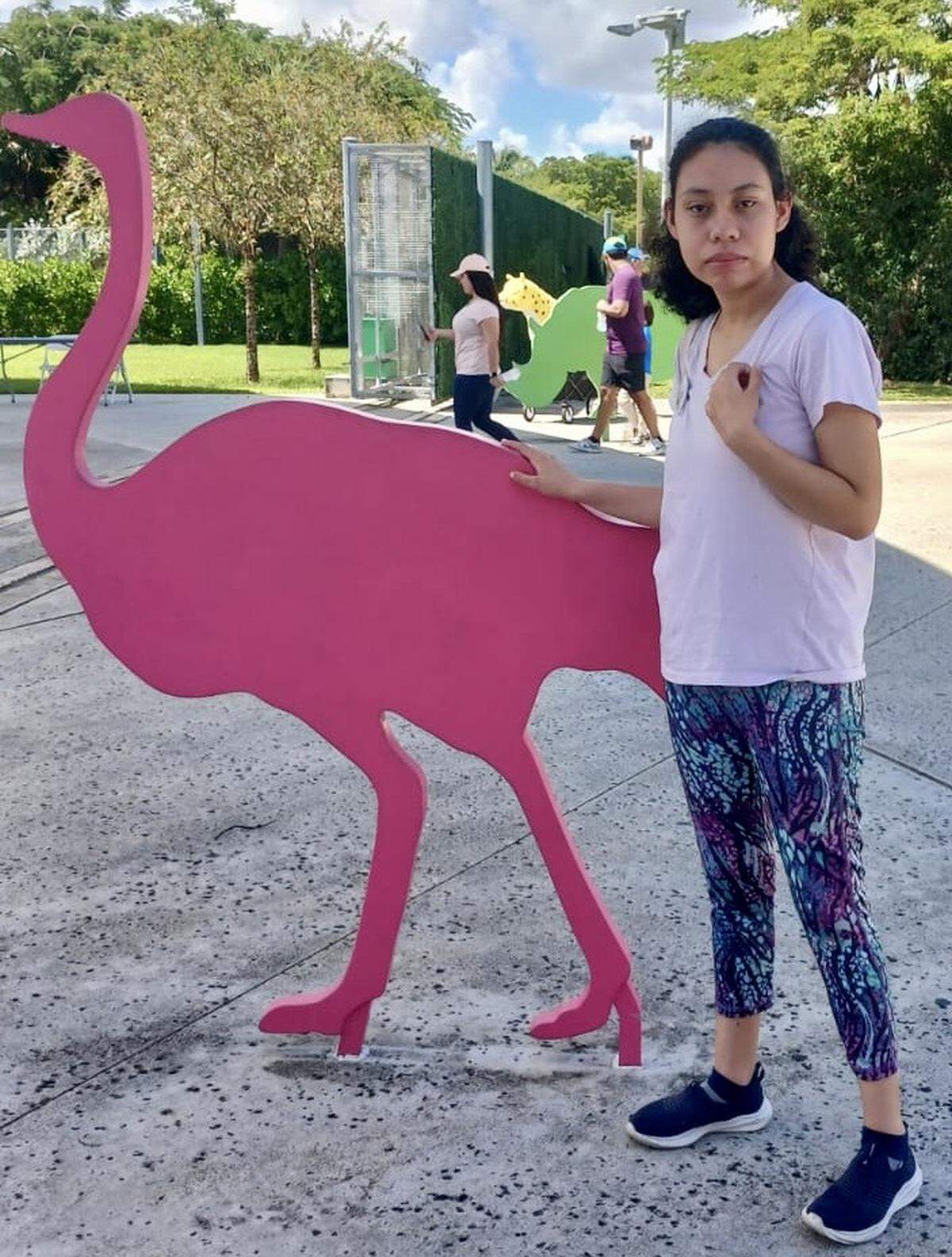
Carrillo heard about Michaela’s story and decided to seek help.
“With the Miami Herald’s Wish Book, we can get the help she needs and the support to allow Michaela to live her life to the fullest,” said Carrillo.
Perez is hoping that through a good program, her daughter can receive the proper education every child should have.
“I know she has a fresh mind and is willing to learn,” said Perez.
It’s been an uncertain and difficult journey, but Perez’s love for her daughter is a true testament to the sacrifices she is willing to go through.
“Taking care of Michaela has been overwhelming, but rewarding,” her mother said. “I just want Michaela to get the help she deserves so she can have a better quality of life.”

HOW TO HELP
To help this Wish Book nominee and more than 100 others who are in need this year:
▪ To donate, use the coupon found in the newspaper or pay securely online through www.MiamiHerald.com/wishbook
▪ For more information, call 305-376-2906 or email Wishbook@MiamiHerald.com
▪ The most requested items are often laptops and tablets for school, furniture, and accessible vans
▪ Read all Wish Book stories on www.MiamiHerald.com/wishbook
This story was originally published December 18, 2024 at 5:00 AM.