
‘They are a power team’: This mother-daughter duo is dealing with a scary diagnosis
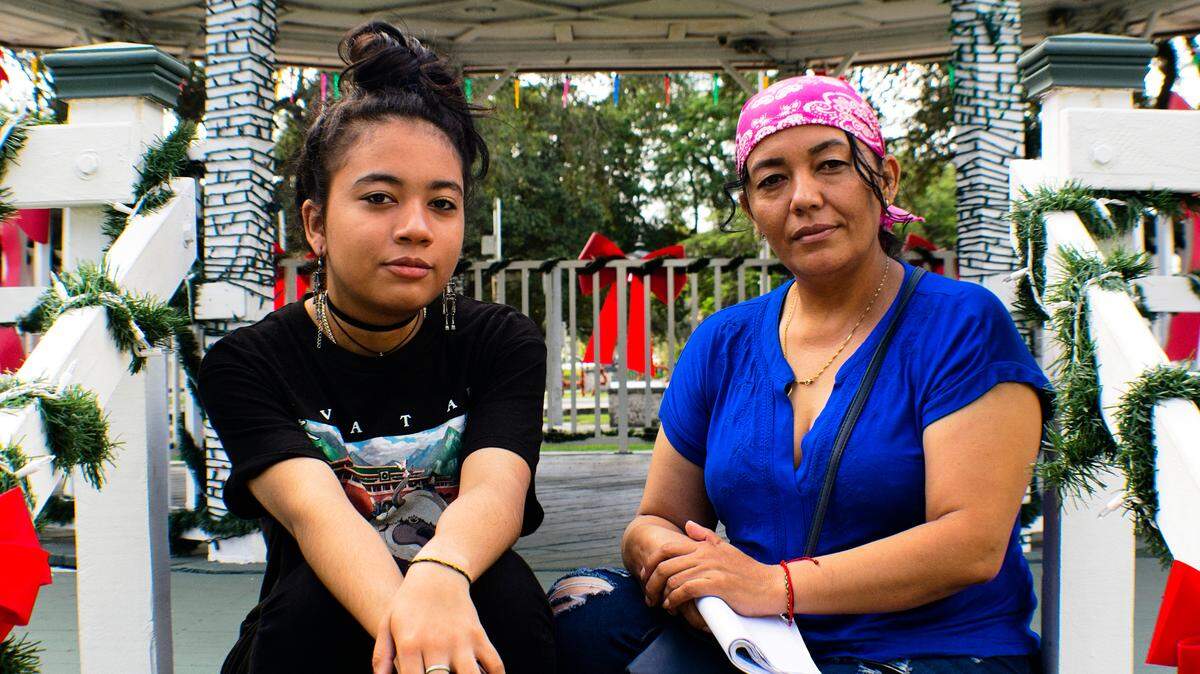
While getting ready for school one morning two years ago, 13-year-old Jullianne Cruz-Palma suddenly felt excruciating pain. She collapsed and banged her head on a ceramic soap holder mounted on the bathroom wall.
Her mother, Wendy Cruz-Palma, heard the commotion and immediately rushed to her side. Jullianne was on the floor, unresponsive. With no car and no one to turn to, she picked up her daughter and rushed to a bus that could take them to the nearest hospital.
“I did not want to bother anyone with a car, I did not think they would help. I thought I was losing her,” Cruz-Palma recalled. ”I felt like I was dying.”
Cruz-Palma soon learned her daughter had epilepsy.
Back in 2019, the mother-daughter duo had left Honduras, a country terrorized by homicides and kidnappings, and settled in Miami Springs. They hoped it would be safer and that they could find a better way of life.
Since Jullianne’s birth, it had always been just the two of them. After the diagnosis, finding the right course of treatment was difficult. Fortunately, immigration officials put Cruz-Palma in contact with Epilepsy Alliance Florida, a group that specializes in helping people with the brain disorder.
Jullianne, now 15, has made progress while working with Karen Velez, a case manager for the organization. While Jullianne remains weakened by the disease, Velez describes the girl and her mother as a resilient pair.
“No matter what challenges they are faced with, they always come out stronger and more united,” Velez said. “This little family has gone through a lot of difficult experiences. … They are a power team.”
Cruz-Palma says Jullianne had always been healthy, which made the epilepsy diagnosis even more of a shock. Starting life in a new country was already a struggle, but the added weight of caring for a child with a disability made her financial woes almost insurmountable.
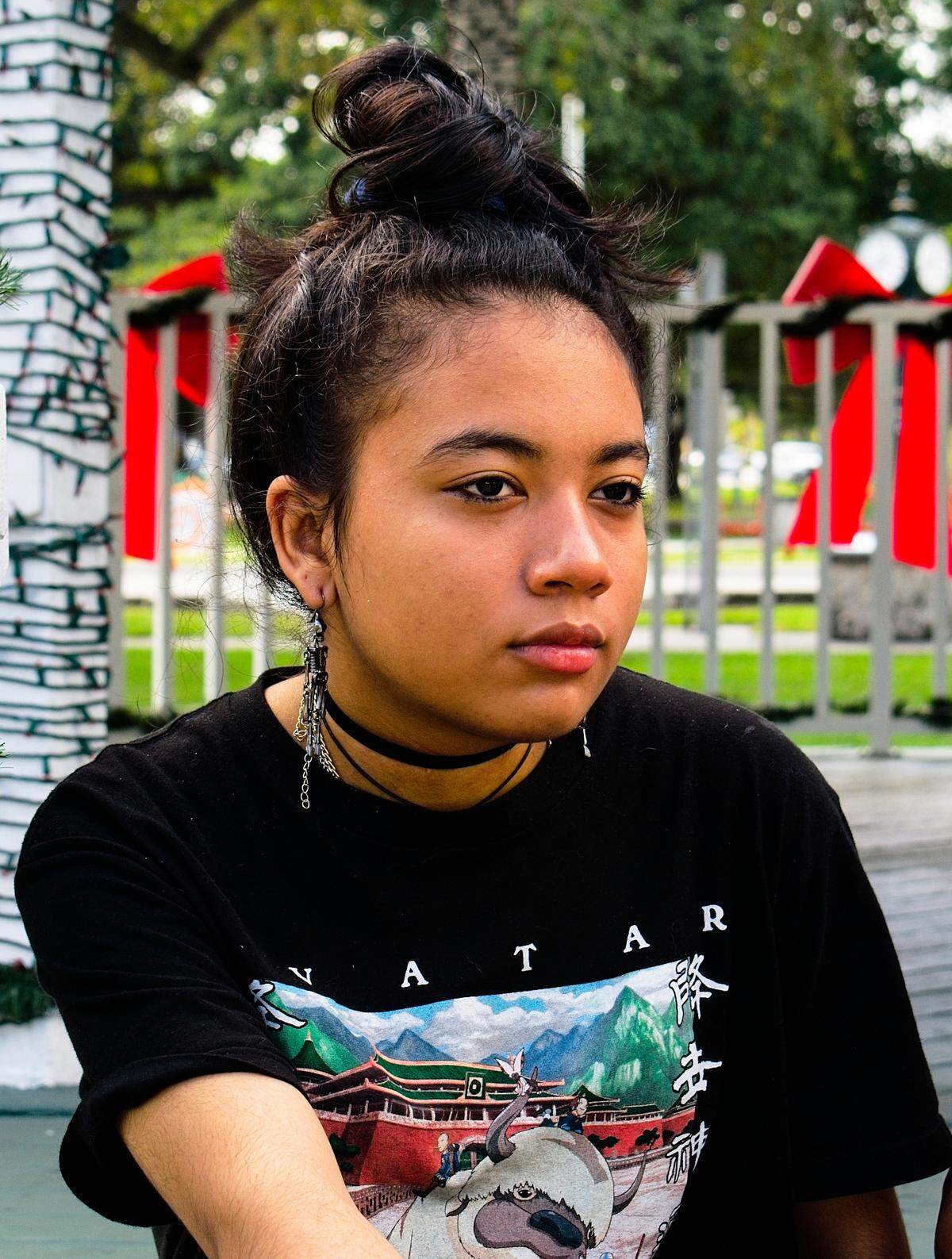
Even though she had proper paperwork for employment, Cruz-Palma faced countless struggles in the workforce, particularly during the pandemic. She took a variety of temporary jobs, from restaurants to construction.
Cruz-Palma managed to qualify for Medicaid, which pays for most of Jullianne’s epilepsy medication and treatment. Yet the condition remains debilitating. Seizures can be triggered by lights, anxiety and stress. Her condition is so severe that in order to work online, she must set the computer brightness at the lowest setting possible.
Her mother recounted incidents of discrimination that Jullianne has faced in school: When she started high school, her physical education teacher failed her because her family couldn’t afford to buy the mandatory gym uniforms. In other classes, teachers expected her to finish her work in the little time she had between seizures and hospital appointments. When that proved impossible, Cruz-Palma said, they piled on more work. All the stress and lack of support made her fall so far behind in her studies that she was at risk of being held back.
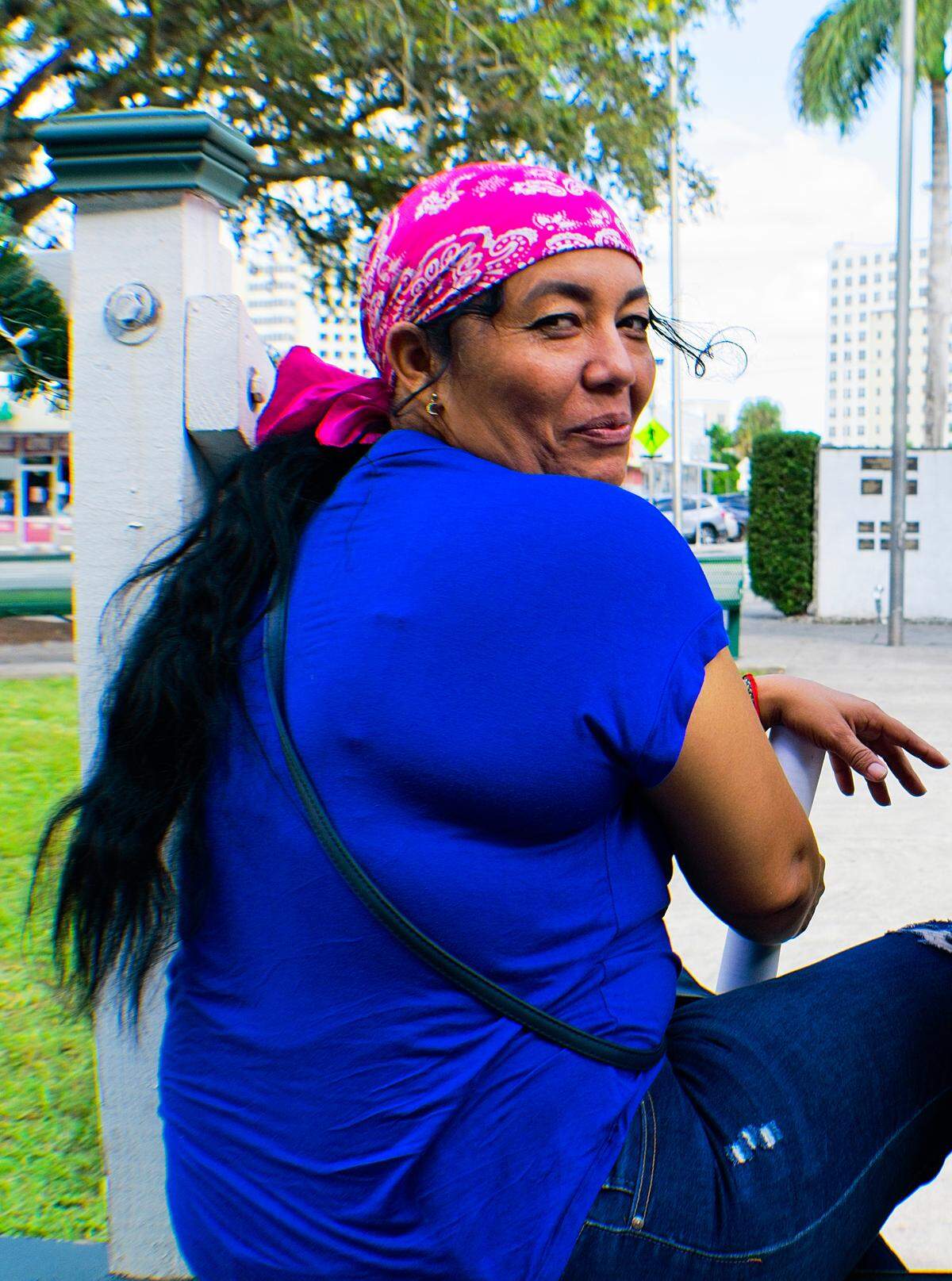
But then with help from Epilepsy Alliance Florida, Jullianne persevered. After undergoing extensive neurological treatment for three weeks, her mother said, she completed all her school work within two days. Jullianne began taking medication daily, and her school put her on a federal 504 plan, which legally identifies her as disabled and details accommodations the school will provide, such as reduced work and extended time.
But difficulties remain. When Wendy can find work, she rarely makes enough money to pay their increasing expenses. She has to find someone to take care of her daughter while she’s working.
“It is very important to keep moving forward through the pain but also learning to live and overcome it,” said Wendy. “The pain I have faced will always be in my mind but I know I’ll survive.”
Recently, Wendy and Jullianna received an eviction notice that gives them 30 days to move out of their house. They have no relatives in the United States so are unsure what the future holds for them.
Cruz-Palma and Jullianne have one request from Wish Book: gift cards for purchasing groceries and clothing. When the pair arrived in Florida in 2019, they qualified for food stamps to buy groceries. But roughly four months ago their application was denied, and finding money for meals became their biggest concern.
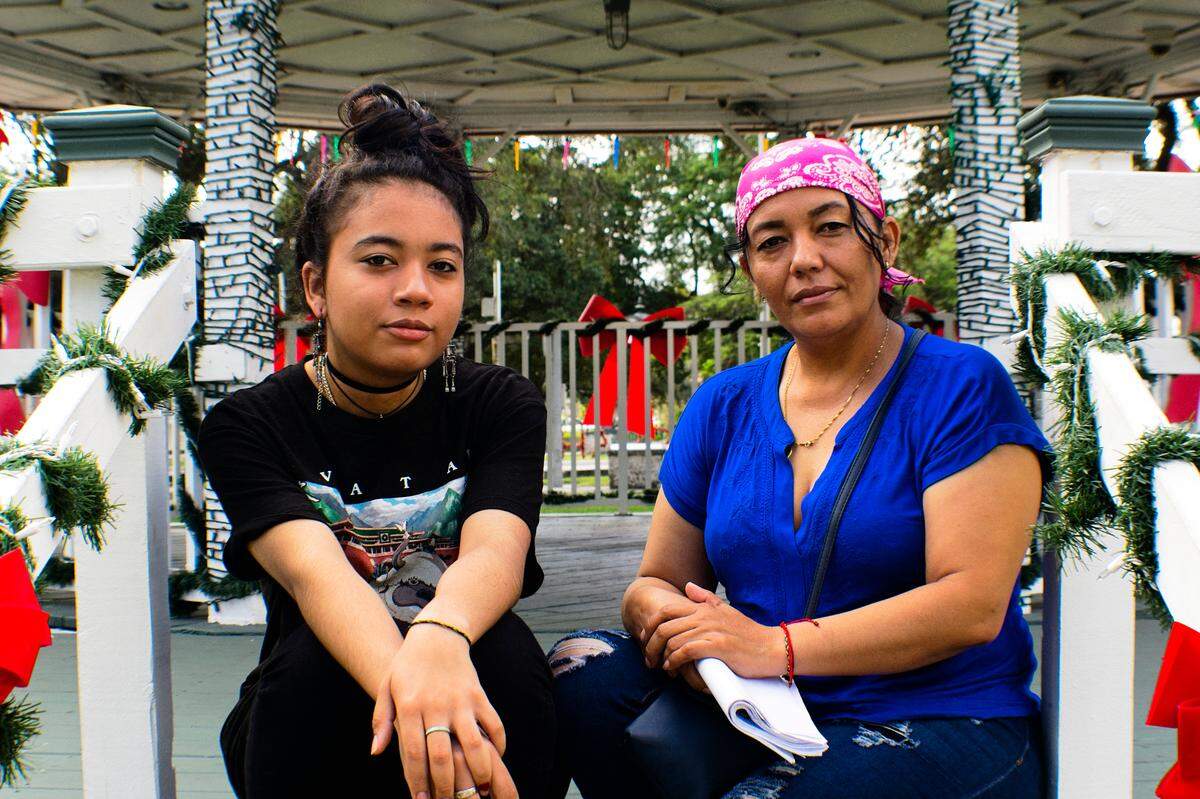
Having clothes that fit and can last may seem like a small thing, but it would be a great relief for this family.
Wendy is looking for a job or someone who needs painting or repair work at home,
“We are God’s warriors, and together we will never fall,” Cruz-Palma exclaimed. “My daughter is dedicated and smart, and we will march forward, continuing to prepare for any obstacle life throws at us.”
How to help
To help this Wish Book nominee and the more than 100 other nominees who are in need this year:
▪ To donate, use the coupon found in the newspaper or pay securely online through www.MiamiHerald.com/wishbook
▪ For more information, call 305-376-2906 or emailWishbook@MiamiHerald.com
▪ The most requested items are often laptops and tablets for school, furniture, and accessible vans
▪ Read all Wish Book stories on www.MiamiHerald.com/wishbook
This story was written for Florida International University’s South Florida Media Network.
This story was originally published December 20, 2022 at 6:00 AM.