
Blood disorder won’t stop this young man. But he needs help getting school supplies
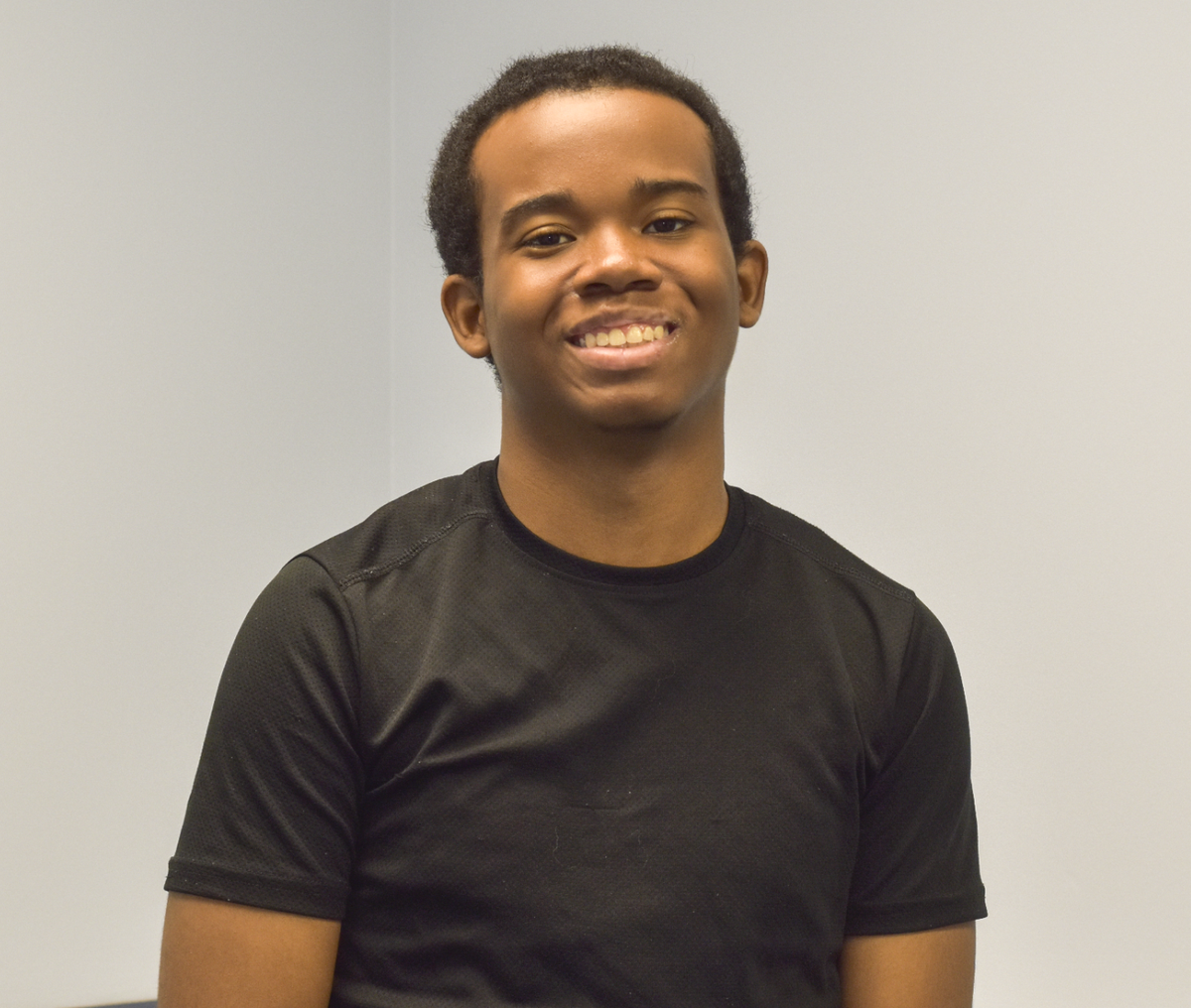
Growing up with sickle cell disease, a genetic blood disorder that can cause infection, pain and stroke, Rasaan McCall realized early on that he had to set clear goals and cultivate the discipline needed to achieve them. The 20-year-old student learned he needed to take control of his own healthcare from a young age — a challenging task for anyone living with a condition that can be severely debilitating.
But McCall always stays positive and says that focusing on little things that bring him joy is the secret to happiness. He has his health to worry about, he says, but that, too, can be fun.
“I love to eat vegetables, fruits, and I make sure I have balanced meals. I think a lot about what I’m eating. And I drink lots of water, that’s really important,” said McCall, who is taking classes at Broward College and working at Publix part time. A big smile never leaves his face while he talks.
McCall is one of the people selected to receive assistance through the Wish Book, a Miami Herald and el Nuevo Herald program that’s making its 40th annual appeal to the South Florida community to help the needy.
The youngest of six siblings in a low-income family, McCall was the only one who was born with the disease. Sickle cell can be a number of inherited red blood cell disorders that affect the cells that move through blood vessels to carry oxygen to the body. Healthy red blood cells are round and travel easily through tiny blood vessels.
But in people like McCall who have sickle cell disease, the red blood cells become hard, sticky and shaped like a sickle. They die early, which causes a chronic shortage of red blood cells, so not enough oxygen reaches the body. That can lead to a number of issues, including heart failure and deficiencies in brain function.
The worst symptoms are caused by sickle cells getting stuck in blood vessels and clogging the flow. That can cause pain and other serious problems such as infection, stroke and acute chest syndrome, which includes pneumonia.
Sickle cell can be especially tough on children. McCall said he remembers how he always had to be extra cautious when playing with others. He also often missed out on activities because he had to go to the hospital. But the frequent crises never got in the way of his friendships, he said.
“It was harder when i was a kid, but now I feel more confident; I really like going out with my friends, playing basketball. I have learned to take care of myself, so I can lead a normal life,” he said.
McCall moved from New York to Fort Lauderdale, where his grandmother lives, when he was 6. He started his treatment at the Children’s Diagnostic and Treatment Center in Fort Lauderdale then, but moved back to New York two years later. He returned in 2015 to live with his grandmother, a supporter who helps him keep up with doctors’ appointments, tests and other demands imposed by his diagnosis.
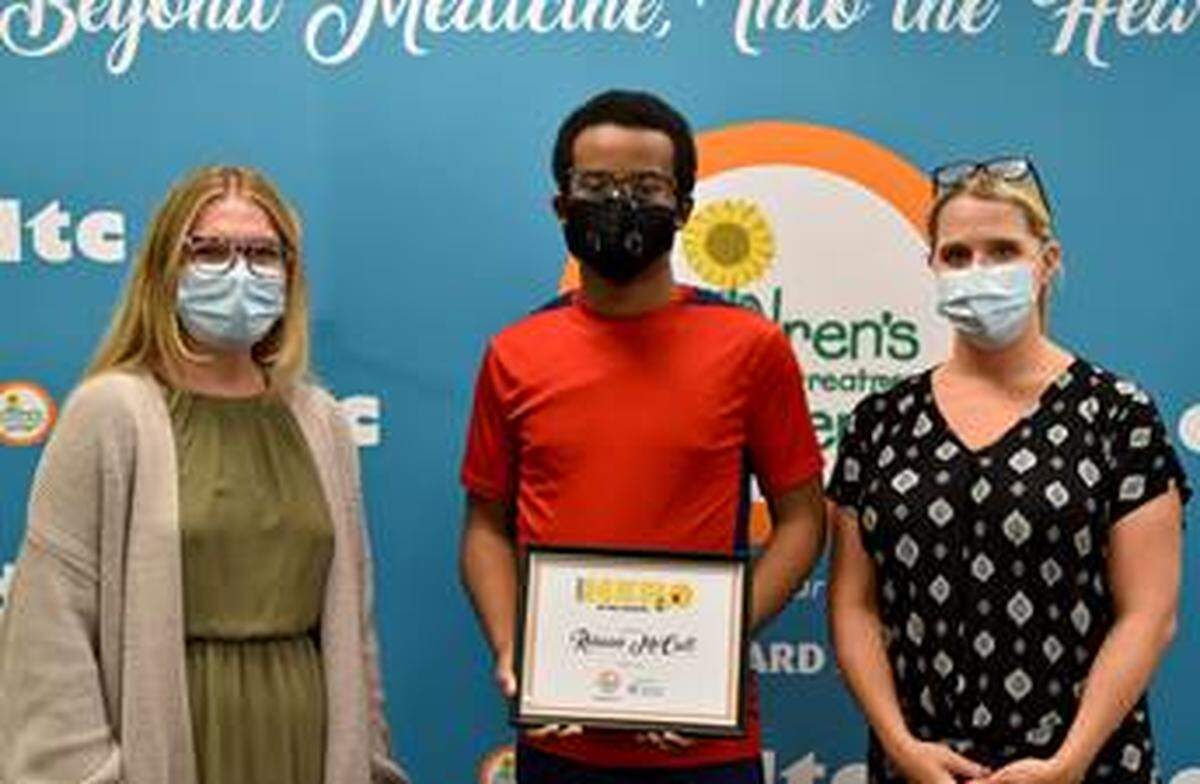
Shelby Casper, McCall’s care coordinator, said part of his success comes from accepting the support of his health team.
“Rasaan is such a bright and enthusiastic young man. It’s such an honor to not only work with him, but learn from him as well. He is always so positive and never complains despite the challenges he faces,” Casper said.
McCall is taking his positive attitude and big smile to class at Broward College, where he is working on an associate’s degree with plans to major in environmental science or biology with a specialization in veterinary medicine.
“I love animals and I also love the environment. I want to study and maybe work as a vet tech or a zoologist,” he said.
McCall’s holiday wish is to be able to buy supplies for school and new clothes. He would also like to treat his grandmother to a nice dinner at a restaurant. Gift cards for groceries or gas would also go a long way in helping McCall’s family.
How to help
Wish Book is trying to help hundreds of families in need this year. To donate, pay securely at MiamiHerald.com/wishbook. For information, call 305-376-2906 or email wishbook@miamiherald.com. (The most requested items are often laptops and tablets for school, furniture, and accessible vans.) Read more at MiamiHerald.com/wishbook.
This story was originally published December 11, 2021 at 6:00 AM.
.jpg)