Before Spending Thousands On A New Mattress, Try This List of Simple Sleep Fixes Under $50
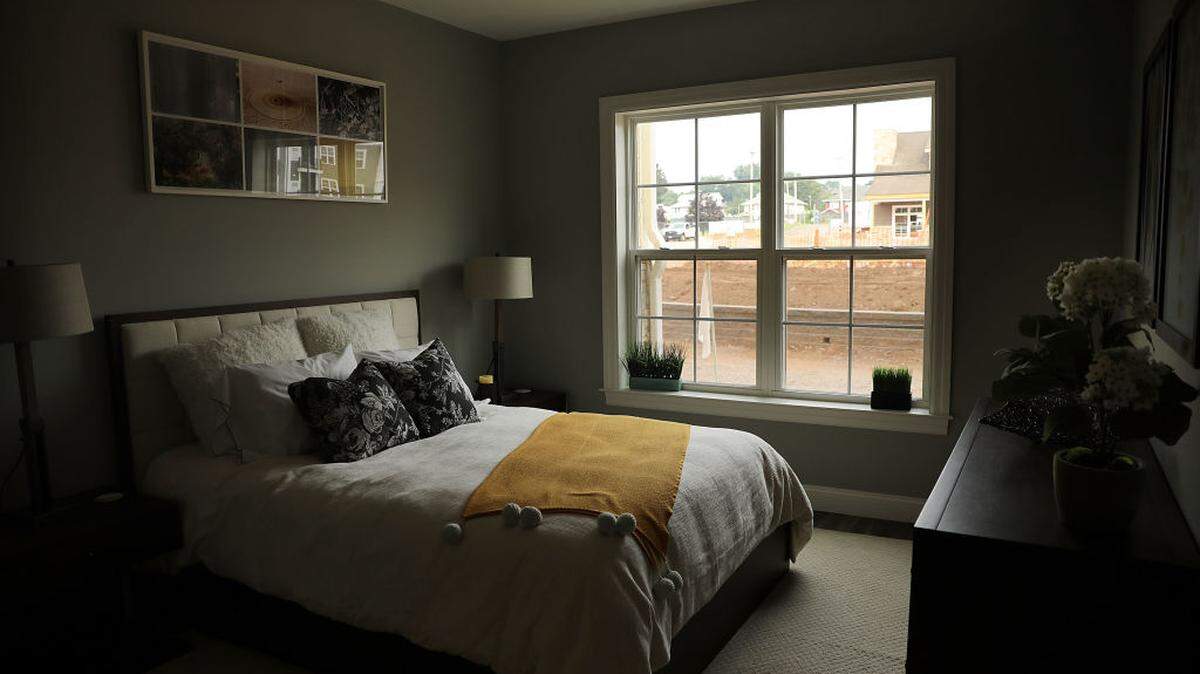
If you’ve been blaming your mattress for restless nights, learning how to sleep better may not require a $1,500 upgrade. Research points to several sleep fixes under $50 — from bed socks to weighted blankets to blackout curtains — that can meaningfully shift how fast you fall asleep, how long you stay asleep and how rested you feel in the morning.
Can you actually sleep better without a new mattress?
Yes, and the research makes a solid case for trying inexpensive fixes first. Three variables consistently show up in sleep quality studies: body temperature, light exposure and physiological arousal. All three can be addressed for under $50, and adjusting your thermostat to the 60-67°F range that sleep medicine physicians recommend costs nothing at all.
Does wearing socks to bed help?
It can, and the mechanism is more interesting than you’d expect. Warming your feet triggers distal vasodilation, drawing blood to the surface so your core temperature drops. That temperature drop is one of the body’s primary cues that it’s time to sleep.
A 2018 controlled study in the Journal of Physiological Anthropology found participants wearing bed socks in a cool room fell asleep 7.5 minutes faster, slept 32 minutes longer and woke far less often.
The sample was just six young men, so results may vary, but the underlying biology is well-established. A landmark 1999 study in Nature identified foot vasodilation as the single strongest physiological predictor of sleep onset speed. Loose cotton or merino socks work best.
Are weighted blankets worth buying for better sleep?
They’re worth trying, especially if anxiety or restlessness is part of the problem. A November 2024 pilot trial in BMC Psychiatry randomized 102 adults with clinical insomnia to a weighted blanket or a normal blanket for one month.
The weighted blanket group showed significantly better sleep quality scores along with reductions in daytime sleepiness, stress and anxiety, and more than 93% of participants completed the full study.
It’s a pilot trial in a clinical insomnia population, so it hasn’t been replicated at scale for general sleepers. Still, budget weighted blankets run $30 to $45, which makes it a low-stakes experiment.
Do blackout curtains and sleep masks make a difference?
More than most people realize. A 2024 analysis of 47,765 women in the NIH Sister Study, published in Sleep, linked indoor light at night to trouble falling asleep, trouble staying asleep and non-restorative sleep. A separate randomized study from Northwestern, published in PNAS, found that even a single night of sleeping in moderate light raised heart rate and insulin resistance the next morning.
The practical note: standard blackout curtains leak light around the edges, and as little as 5 to 10 lux can suppress melatonin in sensitive sleepers. A $10 to $20 contoured sleep mask eliminates that gap entirely. Curtains run $20 to $35 if you want both.
Does magnesium actually improve sleep?
Oral magnesium does, with solid evidence behind it. A randomized double-blind crossover trial in Medical Research Archives found oral magnesium produced significant improvements in sleep duration, deep sleep and sleep efficiency compared with placebo. Magnesium glycinate capsules run $10 to $20.
None of these fixes is a cure for chronic insomnia or sleep apnea. If you’ve tried several changes and you’re still exhausted, that’s a signal to talk to a doctor. But for most people with uneven sleep, the under-$50 toolbox is a smart place to start before committing to a four-figure mattress purchase.
This article was created by content specialists using various tools, including AI.
This story was originally published May 12, 2026 at 12:58 PM with the headline "Before Spending Thousands On A New Mattress, Try This List of Simple Sleep Fixes Under $50."