Kylie Kelce Found Her “Soul OB” : The Trend Is Shaping How Women Choose Doctors
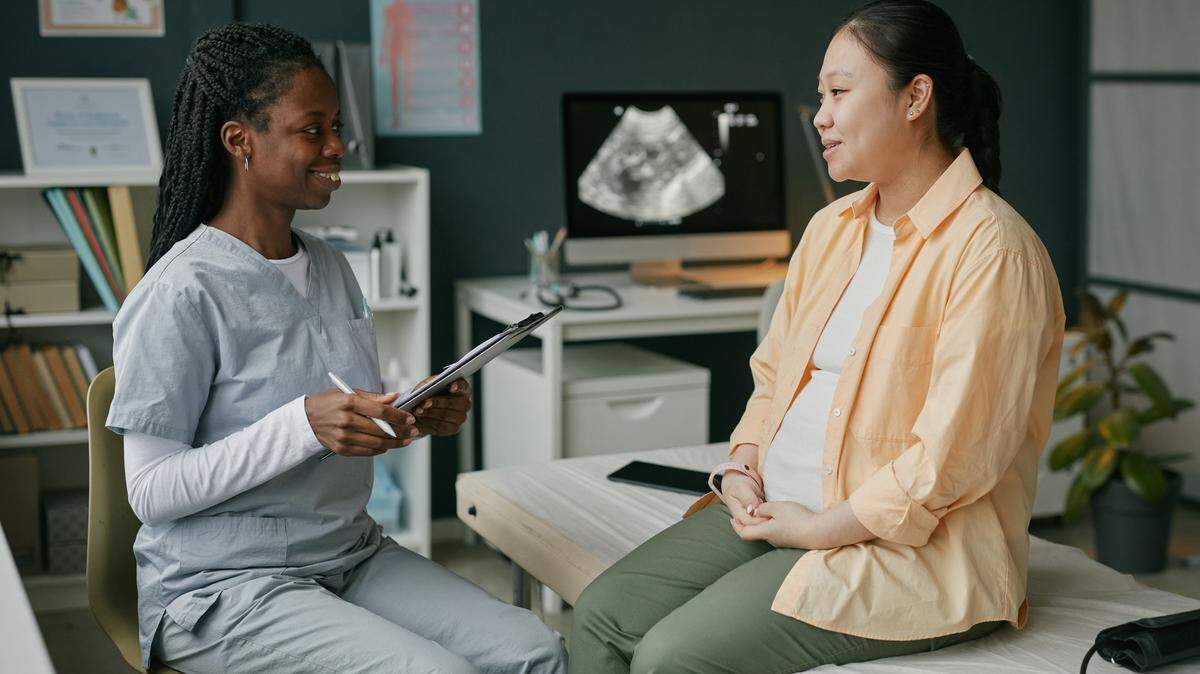
Kylie Kelce recently posted an Instagram reel about finding your “soul OB” — the OB-GYN who actually feels like a match. The phrase is playful, but the frustration behind it is anything but. Kelce has been openly candid about her pregnancy experiences, her relationship with her own OB (famously bringing her to the Super Bowl at 38 weeks pregnant) and her miscarriage on her podcast. Her framing taps into something real: most women are not shopping for a provider. They are settling for whoever is available.
New research is now giving language to what millions of women already feel.
The Trust Deficit Is Worse Than You Think
The 2026 State of the Vagina Report from O Positiv Health, a survey of over 3,000 women, paints a stark picture of the patient-provider relationship:
- 68% of women do not trust their OB-GYN
- 2 in 3 say they do not have a good relationship with their provider
- 68% skip their annual OB-GYN visits entirely
- Only 35% describe their OB-GYN as “on their side”
- 60% consider their provider out of date
A 2025 study published in JAMA Network Open added sharper detail: women with gynecological disorders see an average of 5.7 providers before getting an accurate diagnosis, and 39% reported being made to feel “crazy” by a provider. Women’s pain is consistently more likely to be undertreated than men’s, a gap that widens further for women of color.
Those numbers help explain why, per Mira Fertility’s 2026 Women’s Health Trends Report, trust in traditional healthcare is slipping, especially among younger women. Gen Z is twice as likely to take health guidance from non-medical voices. Reddit’s r/WomensHealth has grown into a community where nearly 80% of women say it feels like a safer space than a doctor’s office. The appetite for a provider who listens, takes concerns seriously and does not make appointments feel rushed is not a niche ask. It is the baseline the system is failing to deliver.
What Finding Your “Soul OB” Actually Looks Like
The phrase sounds lighthearted, but the search has real, practical steps behind it.
Start with a consultation visit before committing. Most practices allow a meet-and-greet appointment, and that first conversation can tell you a lot. Bring questions that test compatibility: What is your philosophy on pain management during procedures? How do you handle concerns you cannot immediately explain? How do you approach patients who want to discuss options rather than just receive a recommendation?
Red flags worth walking away from include dismissing symptoms without investigation, attributing everything to stress or anxiety, discouraging second opinions and making patients feel rushed.
ACOG’s Find an OB-GYN tool is a solid starting point for vetting board-certified providers. But peer recommendations in community spaces, local Facebook groups and Reddit threads are where women are actually finding referrals in 2026. Midwives and certified nurse-midwives are also an underutilized option for low-risk patients who want more time and more relational care. And if something feels off, switching is not dramatic. It is a right.
How to Make That First Appointment Count
Once you find a provider worth trying, preparation changes the dynamic. Bring a written symptom log with timing, frequency and severity. Bring family history relevant to reproductive health like PCOS, endometriosis, fibroids, or hormone-related cancers. Write your questions down before you go; research shows patients forget up to 80% of what they planned to ask once they are in the room. If it helps, bring a trusted person — having someone present can make it easier to advocate for yourself when time is short and the power balance is uneven.
That written list matters more than it sounds. It signals you have done your homework and keeps the conversation on track even in a rushed appointment.
The Access Question No One Should Ignore
The “soul OB” concept resonates, but it carries an honest caveat. The U.S. has the highest maternal mortality rate among peer nations and a growing shortage of OB-GYNs, particularly in rural areas. For women in some regions, the barrier is not finding the right provider. It is finding any provider at all. That context does not diminish the conversation — if anything, it sharpens why it matters.
This is not about being picky. It is about refusing to accept a system where 2 in 3 women say they do not have a good relationship with the person managing some of the most consequential health decisions of their lives. Kelce gave that frustration a name. The data confirms it has been there all along.
This article was created by content specialists using various tools, including AI.