Why Your Body Keeps Waking You Up at 3 AM and What Actually Helps
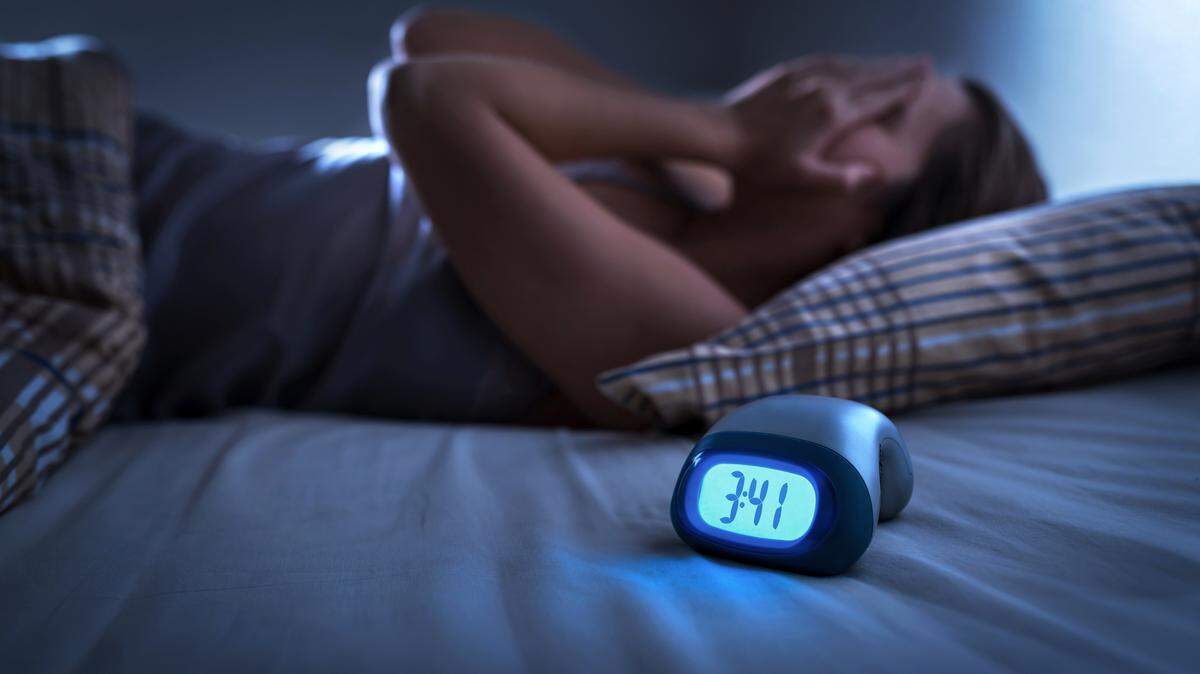
The house is quiet. Your alarm is hours away. And yet here you are, wide awake at 3 AM, brain already cycling through tomorrow’s problems. It is not a personal failing. It is biology.
35.5% of Americans wake up in the middle of the night three or more nights per week. Research tracking 1,247 adults found 68% consistently woke between 2:30 and 4:00 AM, with 3 AM as the median wake time.
What’s Happening in Your Body
Cortisol, your body’s primary stress hormone, begins to rise between 2 and 3 AM as part of your circadian rhythm, quietly preparing your body to wake. In a well-regulated system, that rise is gradual. You sleep through it and wake naturally a few hours later.
Under chronic stress, the rise comes earlier and sharper. Work deadlines, financial pressure, the mental load of a full life: when your baseline stress is already elevated, the cortisol ramp-up can overshoot. Instead of a gentle slope, it is a spike. That spike wakes you up hours too early.
Timing makes it worse. By 3 to 4 AM, most people have already shifted from deep sleep into lighter REM stages, making them far easier to rouse. The deepest, most protective sleep is behind you. A cortisol spike meeting a brain already in light sleep is a reliable recipe for a long, frustrating night.
Alcohol’s Role
If you unwind with a glass of wine around 10 PM, the timing works against you. A nightcap consumed around 10 PM reaches elimination around 2 to 3 AM, triggering rebound arousal right when your sleep is already at its most fragile. Alcohol may help you fall asleep faster, but as your body metabolizes it in the second half of the night, it fragments sleep at the exact window where the cortisol surge and lighter REM stages already overlap.
What to Do Tonight
- Write a to-do list before bed. Research suggests it helps the brain offload unfinished tasks so they do not surface at 3 AM instead.
- If you wake up, leave your phone alone. Blue light suppresses melatonin and makes falling back asleep significantly harder.
- Have a small protein-rich snack 30 to 60 minutes before bed. When blood glucose drops overnight, the body releases cortisol and adrenaline to correct it, which can jolt you awake. Greek yogurt or a handful of nuts can help keep levels stable.
- Blackout curtains and a white noise machine reduce the environmental disruptions that land hardest during lighter early-morning sleep stages.
- Consistent sleep and wake times, plus morning light exposure, support cortisol and melatonin regulation over time.
When to See a Doctor
If wake-ups persist nightly for two to three weeks despite habit changes, or if you notice loud snoring, gasping or excessive daytime sleepiness, a sleep study may be worth discussing with your doctor to rule out sleep apnea or other underlying causes.
The 3 AM wake-up is your stress response doing its job too aggressively. Most of the fixes — a to-do list, a bedtime snack, skipping the nightcap — do not require a prescription. They just require knowing what you are actually dealing with.
This article was created by content specialists using various tools, including AI.