If You’re Paying More for “Natural” Food, Here’s What That Label Truly Means
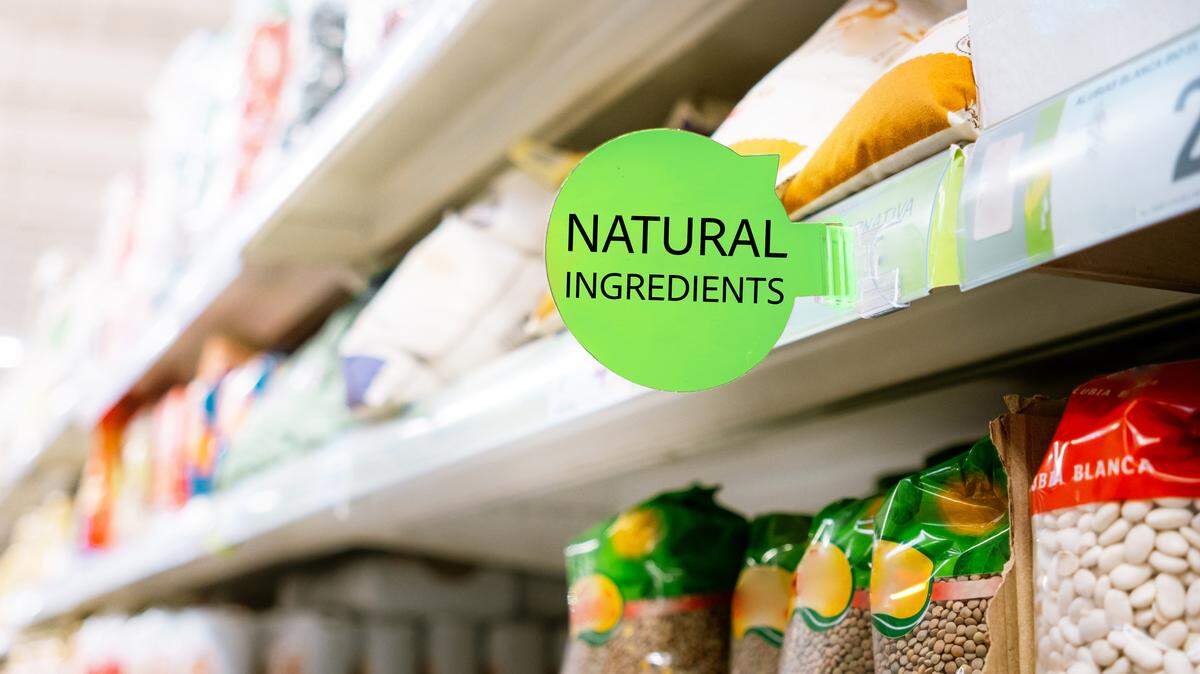
You’ve stood in the grocery aisle, two products side by side, and reached for the one that says “natural” on the front. Maybe it was a box of crackers for your kid’s lunchbox, a carton of eggs, or a bottle of vitamins. It cost a few dollars more, but it felt like the right call because “natural” sounds like it should mean better, cleaner, safer.
You’re not foolish for thinking that. It’s exactly what those labels are designed to make you feel.
But here’s what every parent stretching a grocery budget deserves to know: many of the words driving your purchasing decisions carry little verified meaning. And the gap between what food marketing language suggests and what it actually guarantees has a name. It’s called greenwashing.
What greenwashing actually is
Greenwashing refers to marketing that makes a product or company appear more environmentally responsible or ethical than it can reasonably substantiate. According to the United Nations, greenwashing includes misleading claims that exaggerate or fabricate environmental benefits, slowing real progress and confusing consumers.
In simpler terms: it’s when a brand uses feel-good language or imagery to suggest their product is healthier, more ethical, or better for the planet without the evidence to back it up.
For parents, greenwashing shows up most often on the products you’re already buying at a premium. The “clean” snack bars. The “eco-friendly” baby wipes. The “responsibly made” supplements. These phrases sound meaningful. But in many cases, they are not tied to any standard, any inspection, or any verification.
The “natural” label
If there’s one word that trips up health-minded shoppers more than any other, it’s “natural.”
Here’s the critical fact: the FDA has no formal regulatory definition tying “natural” to environmental benefit. According to the Food and Drug Administration, the term generally refers only to the absence of added artificial ingredients. That’s it.
“Natural” does not mean organic. It does not mean climate-friendly. It does not mean low-impact. It does not mean the product was produced without pesticides, grown on a small farm, or processed with your child’s health specifically in mind.
And yet, consumers often interpret “natural” as healthier or more ethical, even though it carries no sustainability standard.
Think about what that means for your family’s budget. If you’ve been paying $2 or $3 more per item for products labeled “natural,” believing you’re getting something measurably better, you may be paying a premium for a word that isn’t required to mean much of anything.
This doesn’t mean every product labeled “natural” is bad. It means that the word alone isn’t proof of anything specific. And when money is tight, that distinction matters.
Other potential red-flag words to watch for
The “natural” label is part of a broader pattern. According to the Federal Trade Commission’s Green Guides — the FTC’s framework for evaluating environmental marketing claims — broad, unqualified claims like “eco-friendly” or “green” are difficult to substantiate and can mislead consumers.
Here are the red-flag terms the source material identifies:
- Eco-friendly
- Sustainable
- Clean
- Planet-safe
- Responsibly made
These phrases often signal values rather than verifiable environmental outcomes. Under FTC guidance, broad claims without qualification are especially likely to mislead.
The Green Guides also make clear that claims must reflect how reasonable consumers interpret them, not just how brands intend them. So if a parent reads “clean” and assumes that means free of harmful chemicals, but the manufacturer only meant the product doesn’t contain a single specific additive, the marketing may still be misleading under FTC standards.
One useful question the source material raises: can the claim be rewritten as a measurable sentence? If “eco-friendly” can’t be translated into something like “made with 50% recycled materials” or “produced using 30% less water,” it may be more a marketing story than substance.
It’s worth noting that the FTC sought public comment on updating the Green Guides in 2022, but as of 2026, no finalized update has been issued. The existing Guides remain the primary reference point for evaluating these claims.
The Vital Farms case: a cautionary tale
If you’ve ever purchased a carton of Vital Farms eggs, or any other premium egg brand for that matter, this example will hit close to home.
In early 2026, premium egg brand Vital Farms became the focus of a viral consumer backlash accusing the company of greenwashing. The story was covered across multiple outlets, including Parade, Yahoo Health, and Men’s Journal.
Here’s what happened: Critics argued that Vital Farms’ marketing around “pasture-raised” and ethical production created assumptions about nutrition and animal feed that were not explicitly guaranteed. Online discussion centered on third-party lab results showing relatively high linoleic acid levels in egg yolks, which critics associated with corn- and soy-based feed.
While Vital Farms publicly defended its practices and transparency, the controversy highlighted how consumer expectations around “ethical” and “pasture-raised” claims often exceed what labeling standards actually promise.
This is the heart of the greenwashing problem for families: even legally compliant claims can be perceived as misleading when marketing language fills in gaps that standards do not define. “Ethical” branding can blur into environmental or nutritional assumptions without explicit evidence.
If you committed to paying the higher prices for those eggs because you believed “pasture-raised” guaranteed something specific about what the hens ate or about the nutritional profile of the eggs, the Vital Farms debate is a reminder to look past the branding and ask what the label actually certifies.
Labels that actually mean something
Not all labels are vague. Some carry real standards, real inspections, and real accountability. Knowing the difference can help you decide where your grocery dollars make the most impact.
USDA Organic
Products labeled “organic” must meet federal standards. According to the US Department of Agriculture, at least 95 percent of ingredients must be organically produced for items labeled “organic.” This label is backed by USDA rules and regulations, not just a company’s marketing department.
Non-GMO Project Verified
The Non-GMO Project Verified label indicates compliance with a defined standard involving testing, traceability, and segregation. Unlike a vague claim on a package, this seal reflects a structured verification process.
Supplement quality verification
If you buy vitamins or supplements for your family, two verification programs are worth knowing about:
These programs verify label accuracy and manufacturing quality — not sustainability. That’s an important distinction. They won’t tell you if a supplement is “clean” or “natural” in some broader sense, but they will tell you that what’s on the label matches what’s in the bottle.
The 10-second greenwashing test
The next time you’re standing in the aisle comparing two products (one with lots of green imagery and feel-good language, the other more straightforward) run through this quick checklist from the source material:
- Is the claim specific or vague?
- Does it include numbers or boundaries?
- Is the benefit about the product or the brand story?
- Can the claim be verified independently?
- Does “natural” do most of the work?
- Are recycling or composting claims qualified?
- Is there a real certification behind the seal?
- Would the claim still make sense without the green imagery?
You don’t need to answer all eight every time. But even asking two or three of these questions before dropping an item in your cart can save you from paying extra for packaging language that doesn’t deliver. When in doubt, doing a quick scan of the ingredients list is always helpful too, for food products especially.
Certification seals that look official but aren’t clear
The FTC’s Green Guides caution against seals or certifications that imply broad environmental benefits without clear explanation. If consumers cannot easily understand what a seal certifies, it may be misleading.
A useful test from the source material: can you find the certifier’s standards and a public database listing certified products? If a seal on your child’s snack bar doesn’t lead you to a transparent organization with published criteria and a searchable list of approved products, treat it with skepticism.
What this means for your grocery budget
None of this means you should stop caring about what your family eats. Wanting to buy well for your kids is completely reasonable, and the instinct to choose products that seem healthier or more responsibly made is a good one.
But when household budgets are tight, every dollar spent on a misleading label is a dollar that could have gone toward a product that actually delivers what it promises. The gap between marketing language and regulated meaning is real, and it costs families money.
The most empowering thing you can do is know which labels carry enforceable standards and which ones are just words on a package. Armed with that knowledge and a quick mental checklist, you can make smarter choices in the store without spending more than you need to.
Your family deserves real transparency, not green-tinted marketing. And now you know how to tell the difference.
Production of this article included the use of AI. It was reviewed and edited by a team of content specialists.