
The pelvic floor: Why is everyone suddenly talking about this hidden muscle?
AI-generated summary reviewed by our newsroom.
- 2025 social interest in pelvic floor surged: TikTok, Google, Reddit metrics.
- Pelvic floor supports bladder, bowel and reproductive organs; dysfunction causes symptoms.
- Experts recommend pelvic floor physical therapy, breathing and targeted exercise.
Every year, it seems like our social media feeds become inundated with a new vitamin, workout trend, or underutilized body part that needs our attention. If that’s the case, then 2025 is the year of the pelvic floor. The topic currently has over 200,000 TikTok posts and hundreds of millions of views. Google searches have surged nearly 260% over the past month, and the “r/PelvicFloor” subreddit garners about 68,000 visitors weekly.
Whether you’re deep in pelvic floor TikTok or have never heard of it, read on to learn more about this essential muscle group and how it may be affecting you in ways you don’t know.
What is the pelvic floor?
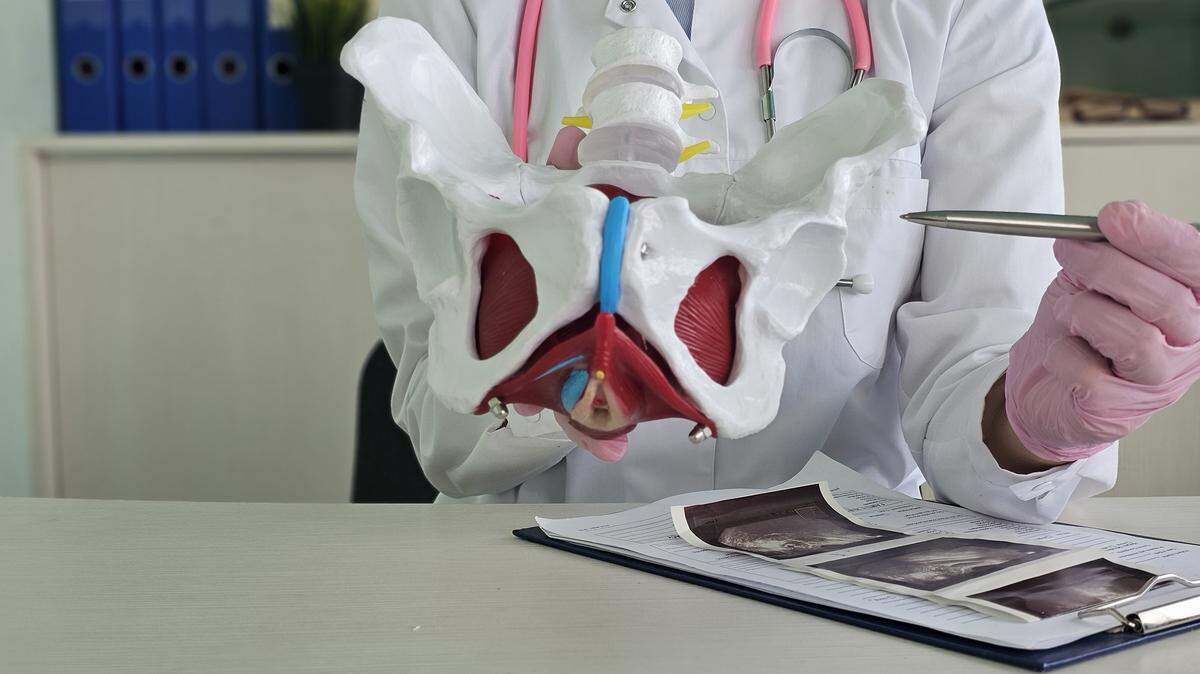
The pelvic floor is a group of muscles and connective tissue that support the internal organs in your pelvis, including the bladder, bowel and internal reproductive organs. “The [pelvic floor] muscles are shaped like a bowl. They’re attached to your tailbone, they’re attached to your pubic bone, and they hold up everything,” says Dr. Sarah Boyles, a urogynecologist and medical advisor to Uresta, a medical device company targeting urinary incontinence in women.
The pelvic floor muscles assist with essential bodily functions, such as urination, defecation and sexual intercourse. “They’re what keep you dry and functional,” Boyles said.
Both men and women have pelvic floors, but the muscles perform different functions based on gender. Most notably, the pelvic floor muscles play a key role supporting vaginal delivery in childbirth. These same muscles allow men to get an erection and ejaculate during sex.
What is pelvic floor dysfunction?
Pelvic floor dysfunction is an umbrella term used to refer to a host of issues related to the pelvic floor. Most commonly, these issues stem from muscle weakness, tightness, or another form of impairment. Pelvic floor dysfunction can be caused by a variety of factors, including pregnancy and childbirth, aging, obesity, connective tissue disorders, nerve damage, stress, anxiety, or physical trauma to the pelvic floor.
Symptoms of pelvic floor dysfunction in both men and women include frequent urination, constipation, urinary and fecal incontinence, painful urination, and low back pain.
Dr. Kristen Lettenberger, pelvic floor physiotherapist and founder of Bespoke Physical Therapy, notes that pelvic floor dysfunction symptoms that can appear in men include pain with erections and ejaculation. “A lot of times I feel like people forget that men also have pelvic floors,” she says. “There’s a misconception that it’s an only female issue, but there is a male component.”
How do you treat pelvic floor dysfunction?
Dr. Boyles considers pelvic floor physical therapy to be the gold standard in alleviating pain. “People that have pain usually, they need help in figuring out how to solve it, right? They need to go to physical therapy, and then they need to have the tools and know what exercises to do,” she says. While it is possible to do pelvic floor strengthening muscles on your own, such as kegels (pelvic floor contraction), Boyles warns that it can be difficult to gauge progress by yourself. “It usually helps people if there’s a little bit of coaching [and a] little bit of accountability, because continuing to do something for six weeks when you’re not really seeing a benefit, that doesn’t work for most of us.”
Some physical therapists, including Dr. Lettenberger, focus on the role that breathing plays in improving pelvic floor function. “I work on getting our breath to sort of work alongside our pelvic floor. So we use inhales to relax, exhale to contract,” she says. “So sometimes it is like breathing drills and just improving postural alignment, hip stabilization, glutes, adductors, transverse abdominis, all the [muscles] that get hot.”
Why is everyone suddenly talking about the pelvic floor these days?
While there isn’t one specific answer as to the newfound interest in the pelvic floor, Boyles hypothesizes that a longstanding stigma associated with pelvic floor issues, such as incontinence, is fading away. “People are feeling more comfortable asking questions,” she says. Even though pelvic floor issues affect both men and women, women have been leading the conversation online. “I think it’s really women demanding, you know, better care and more information about their bodies.”
Listening to the body’s most overlooked muscle
Pelvic floor health may be having its viral moment, but the conversation is long overdue. These muscles play a quiet yet critical role in how we move, function, and age — and when something feels off, it’s not something to brush aside or be embarrassed about. The growing visibility around pelvic floor care signals a larger shift toward body literacy and self-advocacy, especially for women who have often been told to normalize pain or leakage. Whether you’re curious about prevention or seeking relief, understanding your pelvic floor is more than a passing trend. It’s a reminder that knowing your body is one of the most powerful forms of wellness.
This story was originally published November 13, 2025 at 2:27 PM with the headline "The pelvic floor: Why is everyone suddenly talking about this hidden muscle?."