Dealing with doctor dread? How social media fuels health anxiety and practical tools to overcome it at any age
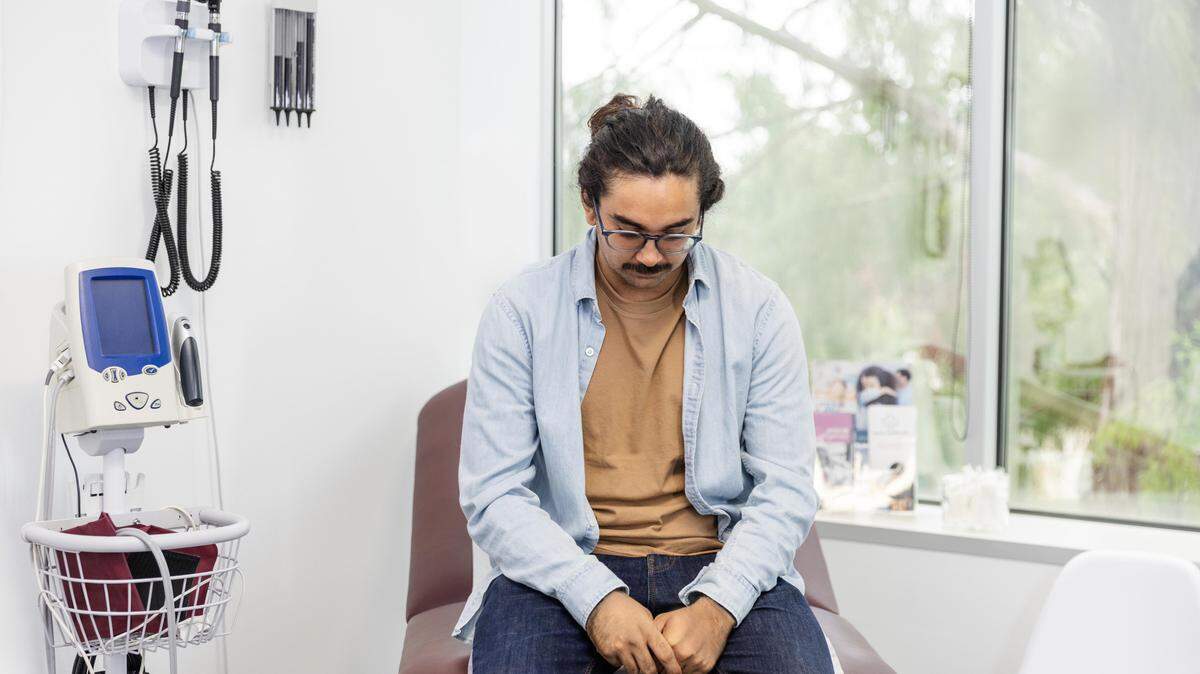
Let’s face it — going to the doctor can be nerve-wracking for anyone, no matter how old you are. It doesn’t matter if it’s as simple as a routine checkup, an unexpected illness or just the thought of sitting in that waiting room, many of us experience health-related anxiety at some point.
And that’s totally normal. But when that anxiety starts to take over, it can lead to missed appointments, unnecessary stress, and a lot of worries about what might be wrong. Luckily, there are ways to handle it, no matter your age.
How kids can develop health anxiety
Surprisingly, health anxiety can start when we’re kids. It’s easy to forget, but children are just as likely to experience doctor-related stress as adults. A lot of the time, it’s the result of past experiences — maybe a particularly scary visit or a tough procedure that stuck with them. Sometimes, kids just don’t know what to expect, and the unknown can be terrifying.
As parents, it’s super important to spot the signs early on. If your child is reluctant to go to the doctor, refuses to get a shot, or is constantly worried about health stuff, it might be a sign that they’re anxious. The good news? There are simple ways to help them feel more at ease.
Try talking to them about what will happen at the doctor’s office in a calm, positive way. Use fun distractions (like bringing a favorite toy or storybook) and reassure them that the doctor is there to help, not hurt. Overall, instill in them how strong and brave they are and that you are there to support them no matter what. Over time, these small steps can really help reduce that fear.
Growing up doesn’t always mean growing out of it
For teens and young adults, health anxiety can shift, but it’s still very real. In addition to the normal pressures of growing up, including school, friends, body image, etc., many teens start to worry about health issues, whether it’s centered around physical health or mental well-being. They might also feel awkward about doctor visits or fear that something’s wrong that they don’t know how to handle.
It’s a stage where a little encouragement can go a long way. As parents or caregivers, helping teens take ownership of their health care can be empowering. Remind them that it’s totally okay to be nervous but that getting checked out is always the best way to take care of themselves. And if they’re worried about something in particular, encourage them to ask questions and advocate for their own well-being.
The importance of finding the right provider
Having a provider you like and trust can go a long way in reducing health-related anxiety. Not all doctors are the right fit for everyone, and it’s OK to find someone who makes you feel comfortable and heard. If you feel that your current doctor isn’t the best match for you or your child, don’t feel bad about making the switch. A positive, trusting relationship with a healthcare provider can help ease those nerves and make health visits way less stressful.
How social media can fuel the fire
Here’s the kicker: Social media plays a huge role in today’s health anxiety, especially for younger people. Every day, we scroll past an incredible number of posts, memes and videos that make us question our health, bodies or our lifestyle choices. And while some of it’s helpful, a lot of what we see is sensationalized or downright misleading. From random health tips to “miracle cures,” it’s easy to fall into the trap of fearing the worst.
The problem with social media isn’t just misinformation, it’s also the mounting pressure to live up to unrealistic health or body standards. Young people (and even adults) can easily start comparing themselves to what they see online, leading to unnecessary stress about their own health.
As parents or adults, one of the best things you can do is guide the younger generation in how to use social media more responsibly. Encourage them to focus on reliable, science-based health advice and to be mindful of how certain content makes them feel. Sometimes, stepping back from the online noise is the healthiest thing they can do.
While social media has made incredible advances in helping people recognize warning signs for conditions, share stories and connect with others, it can also lead to a dangerous confirmation bias. It’s easy to convince yourself that you have every condition you see online, even if you don’t. To combat this, try limiting your social media exposure and focus on seeking advice from trusted health professionals. If you find that you’re spiraling into worry after scrolling, it might be a good idea to take a step back and focus on what really matters — your own well-being.
Tips to overcome health anxiety for everyone
No matter what age you are, there are some easy ways to handle health-related anxiety without letting it take over:
Talk About It: Sometimes, the best way to beat anxiety is to just talk about it. Whether it’s with your kids, a friend or even a therapist, sharing your worries out loud can make a big difference.
Relaxation Techniques: Before a doctor’s visit, try some simple relaxation techniques like deep breathing or mindfulness. They’re great for calming nerves and can help you stay centered.
Make Doctor Visits Routine: If you have kids, try to make doctor visits part of your routine. The more they experience them in a calm, everyday way, the less anxiety they’ll associate with the process.
Learn and Understand: Knowledge is always power. The more you or your kids know about the body and health in general, the less scary the doctor will seem. If there’s a medical procedure that’s worrying you, get informed so it doesn’t feel so intimidating.
Celebrate the Wins: After a doctor’s visit — no matter how small the victory — you should celebrate it, even if it’s just picking up your favorite sweet treat afterward. Positive reinforcement can help change the way you think about healthcare, making it feel less like a chore and more like something to be proud of.
Take a Break from Social Media: It’s easy to get caught up in the health myths and body comparisons online. If it’s making you anxious, try to take a breather. Go offline for a bit, or at least be more selective about the content with which you engage.
Health and doctor anxiety is something we all deal with, but it doesn’t have to control us. By recognizing the signs early, especially in kids, and teaching healthy coping strategies, we can create a more positive relationship with healthcare.
Social media might be adding to the stress, but with the right mindset, we can navigate the noise and focus on what really matters, which is taking care of ourselves and our loved ones. So next time you’re feeling nervous about that doctor’s visit, take a deep breath, remember that you’re not alone, and know that you’ve got the tools to handle it.
This story was originally published March 13, 2025 at 3:04 PM.