From sunrise alarm clocks to mouth taping, which sleep trends are actually worth it?
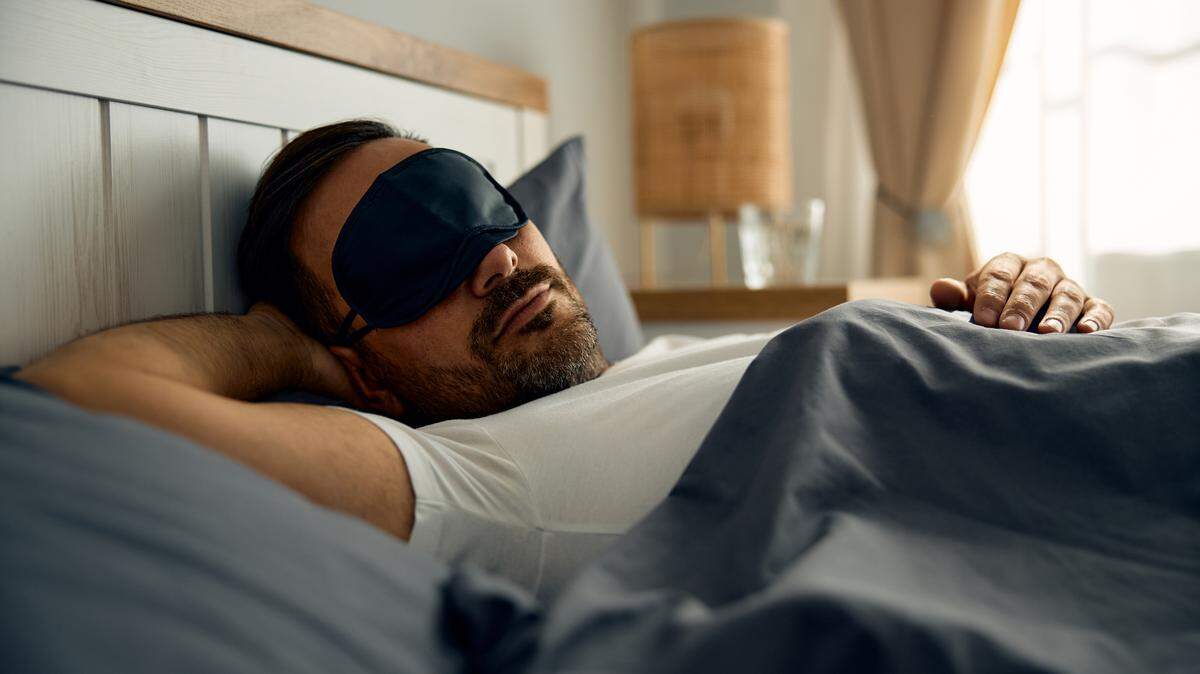
There’s nothing quite like waking up feeling fully rested. You’re bound to have a better day if you’re refreshed and energized versus tired and groggy. But for many, getting a good night’s sleep feels like a roll of the dice, despite trying all the latest sleep hacks and accessories promising deeper rest.
The truth is, creating the perfect sleep environment is a blend of science, personal comfort and a little trial and error. So, in celebration of National Sleep Awareness Month, we’ll break down which trends are truly worth the investment, and what simple changes you can make to turn your bedroom into a sanctuary for sleep.
The Foundation of Restful Sleep
Before getting into trending accessories, let’s start with the basics. Your sleep space should be cool, dark, quiet and comfortable — four simple factors that set the stage for high-quality rest. The ideal bedroom temperature falls between 60-67°F, as cooler environments promote melatonin production and help prevent night sweats.
Darkness is key for maintaining a natural sleep cycle, as even small amounts of artificial light can interfere with the body’s circadian rhythm. And while silence is golden, blocking out disruptive sounds with white noise or soft ambient sound can work wonders for those living in noisy environments.
Beyond temperature and lighting, comfort, of course, plays a significant role. A quality mattress or mattress topper and pillows that support your body’s natural alignment can make a world of difference. Firmer mattresses tend to be better for stomach and back sleepers, while more plush options are better for side sleepers — however, there are usually hybrid styles too if you rotate among multiple positions. Soft, breathable bedding can also help regulate body temperature, making sleep more restful. But once you’ve mastered these essentials, are the latest sleep trends worth adding to your routine?
Sleep Accessories: Hype vs. Help
Blackout Curtains and Eye Masks – Worth It
If there’s one investment worth making, it’s blocking out light completely. Blackout curtains can dramatically improve sleep quality by eliminating light pollution from streetlights, car headlights, or early-morning sunshine. For those who travel frequently or can’t install heavy curtains, a comfortable, well-fitted eye mask is a game changer. Sleeping in total darkness tends to help you fall and stay asleep longer.
White Noise Machines – Surprisingly Effective
Light sleepers and city dwellers, take note — white noise machines aren’t just for babies and can often be the key to uninterrupted sleep. These devices work by masking sudden noise disruptions, like a barking dog or a neighbor’s late-night TV binge. Some prefer natural sounds, like rain or ocean waves, while others find consistent white or pink noise to be the most effective. If you’re not ready to invest quite yet, free sleep apps or a simple fan work well, too.
Sunrise Alarm Clocks – A Gentle Wake-Up Call
As we all know, traditional alarm clocks can jolt you awake with harsh sounds, leading to grogginess and sleep inertia. Sunrise alarm clocks, on the other hand, mimic the gradual rise of the sun, gently increasing light to signal your body to wake up naturally. Studies suggest that waking up with light, rather than sound alone, can help regulate your circadian rhythm and improve mood and energy levels in the morning. If you struggle with dark winter mornings or groggy wake-ups, this could be a worthy addition to your routine.
Mouth Taping – A Controversial Trend
Mouth taping, which involves placing a small piece of medical tape over the lips to encourage nasal breathing, has recently been buzzing in wellness circles. Proponents argue it helps prevent snoring, dry mouth and even promotes better oxygenation during sleep. While some research suggests that nasal breathing can bolster sleep quality, taping your mouth shut isn’t universally recommended — especially for those with underlying respiratory issues. If you’re curious, start by consulting a doctor or trying nasal strips first to encourage healthier breathing patterns.
Weighted Blankets – Great for Some, Not for All
Originally designed for anxiety and sensory disorders, weighted blankets have found a mainstream audience. The gentle, even pressure they provide mimics deep touch therapy, which can help calm the nervous system and promote relaxation. While many people swear by them, others find them too warm or restrictive, especially in hotter climates. If you struggle with restlessness or anxiety at night, a cooling weighted blanket might be worth exploring.
Cooling Mattresses and Pillows – Worth It for Hot Sleepers
If you often wake up drenched in sweat, upgrading to cooling technology could be a game changer. Many mattresses, pillows and blankets now feature gel-infused foam or phase-change materials that help regulate body temperature throughout the night. While they won’t turn your bed into an air-conditioned oasis, they can make a difference for those prone to overheating.
Aromatherapy Diffusers – Nice, But Not a Miracle Cure
Essential oils like lavender, eucalyptus, chamomile and cedarwood are commonly associated with relaxation, and may aid sleep as an added bonus. However, while diffusing calming scents can be a pleasant wind-down ritual, it’s unlikely to be a standalone solution for chronic sleep issues. If you find it soothing, it’s worth incorporating, but don’t expect a magical transformation. If you don’t have a diffuser, trying a hot cup of herbal tea before bed might also have similar calming effects.
Smart Sleep Trackers – Helpful or Harmful?
From smartwatches to high-tech rings, sleep trackers promise to analyze your sleep cycles and provide insights into your rest patterns. While tracking your sleep can help identify issues like waking up frequently or not getting enough deep sleep, some people develop “orthosomnia,” a sleep disorder caused by anxiety over sleep data. If numbers tend to stress you out and you find yourself dreading opening up the reports in the morning, it’s best to focus on how you feel rather than what an app tells you.
The best sleep environment doesn’t require a full bedroom overhaul or a collection of high-tech gadgets. The most effective sleep improvements are often the simplest: Keep your room dark, cool and quiet, invest in a supportive mattress and pillows, and establish a relaxing bedtime routine.
If you want to experiment with sleep accessories, choose those that align best with your personal sleep struggles, whether it’s blocking out light, regulating temperature, or reducing noise. At the end of the day, sleep isn’t about perfection — it’s about creating a space where your body and mind can truly rest. With the right environment and habits, waking up refreshed doesn’t have to be a dream.
This story was originally published March 5, 2025 at 2:41 PM.