Midwest State Fairs: Everything You Need to Know About the Iconic Tradition
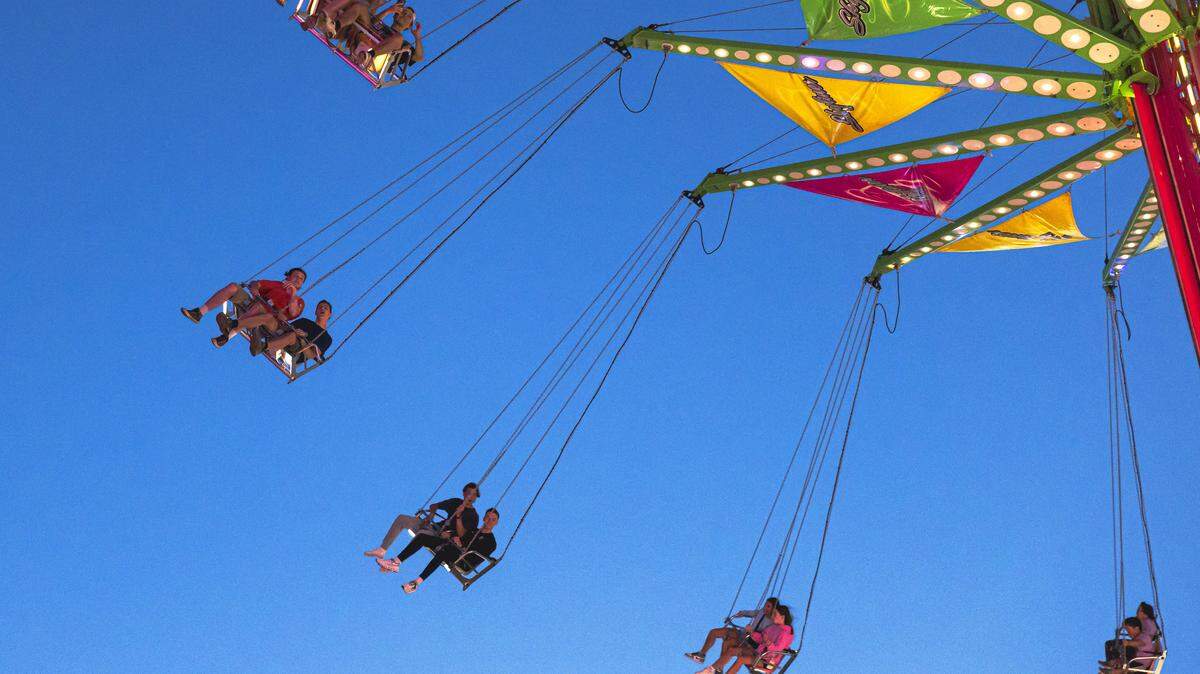
Late summer in the Midwest means one thing: state fair season. From deep-fried cheese curds in Minnesota to a 600-pound butter cow in Iowa, these gatherings draw millions of visitors each year and rank among the most beloved annual traditions in the region.
The modern American fair has roots stretching back more than two centuries, but the Midwest has made the format its own — turning agricultural exhibitions into massive entertainment events that define summers across the heartland.
The History Behind America’s State Fair Tradition
The American fair traces back to 1807, when Elkanah Watson, a banker and farmer in Pittsfield, Massachusetts, organized an exhibition to promote his sheep. The event eventually grew into the Berkshire Agricultural Society and established a new model for celebrating agricultural achievement. The first official U.S. state fair was held in Syracuse, New York in 1841, focused on promoting agriculture through competitive exhibitions of livestock and farm products.
A major turning point came with the 1893 Chicago World’s Columbian Exposition, which introduced the concept of the “midway” — a section dedicated to rides, games and food vendors. That innovation transformed fairs from purely agricultural showcases into the large-scale entertainment events they are today.
How the Midwest Became the Heart of State Fair Culture
Midwest states rapidly adopted the state fair model in the mid-19th century, with each state launching its own version within a few years of one another. These gatherings were often the largest events ever held in those states at the time, drawing farmers, families and communities together for competition, commerce and entertainment.
The timeline of early Midwest state fair launches:
- Michigan held its first state fair in 1849
- Ohio followed in 1850
- Wisconsin in 1851
- Indiana in 1852
- Illinois in 1853
- Iowa in 1854
- Minnesota in 1859
The Minnesota State Fair: The Great Minnesota Get-Together
The Minnesota State Fair, held in St. Paul from late August into early September, is known as “The Great Minnesota Get-Together” — and the nickname is earned. It is the largest state fair in the U.S. by average daily attendance, drawing roughly 200,000 attendees per day. Readers of USA Today named it the best state fair in the nation in both 2015 and 2025.
What sets it apart is the food. The Minnesota State Fair features more than 500 food options, including deep-fried cheese curds and pickle pizza. The sheer variety of offerings — many introduced as new items each year — has helped cement the fair’s status as a destination not just for Minnesotans but for food enthusiasts across the country.
The Iowa State Fair and Its Famous Butter Cow
The Iowa State Fair, held in Des Moines in mid-August, annually attracts more than a million people, making it one of the oldest and largest agricultural and industrial expositions in the country. Its cultural footprint extends well beyond Iowa: the fair was the inspiration for Phil Stong’s novel State Fair, which went on to inspire three motion pictures and the Rodgers and Hammerstein Broadway musical of the same name.
The fair’s most iconic attraction is the Butter Cow — a life-sized sculpture weighing about 600 pounds and standing 5.5 feet tall. The tradition started in 1911 and has been maintained by only five sculptors over more than 100 years, making it one of the most enduring and recognizable symbols of state fair culture in America.
Wisconsin State Fair and the Legendary Cream Puffs
The Wisconsin State Fair, held in West Allis in early August, has been climbing the ranks of America’s top fairs. Wisconsin moved up two spots to No. 3 in the 2025 Blue Ribbon Group Top 30 rankings, reflecting growing recognition of its food, exhibits and overall experience.
The fair’s signature draw is its original cream puffs, a tradition that fans line up for every year. Visitors also flock to Dairy Lane, a dairy exhibit that pays tribute to Wisconsin’s identity as America’s Dairyland and showcases the state’s agricultural heritage in a way that resonates with both lifelong residents and first-time visitors.
What to Expect When You Visit a Midwest State Fair
Whether you are heading to St. Paul, Des Moines or West Allis, Midwest state fairs share a common DNA: agricultural roots, midway entertainment and food traditions that span generations. Each fair has carved out its own identity — Minnesota with its 500-plus food vendors, Iowa with its Butter Cow, Wisconsin with its cream puffs — but all three offer the kind of late-summer experience that has defined the region for more than 150 years.
For visitors planning a trip, timing matters. Wisconsin kicks things off in early August, Iowa follows in mid-August, and Minnesota wraps up the season from late August into early September — making it possible, for the truly ambitious, to hit all three in a single summer.
This article was created by content specialists using various tools, including AI.