7 Pacific Northwest Landmarks That Are Worth Building Your Next Vacation Around
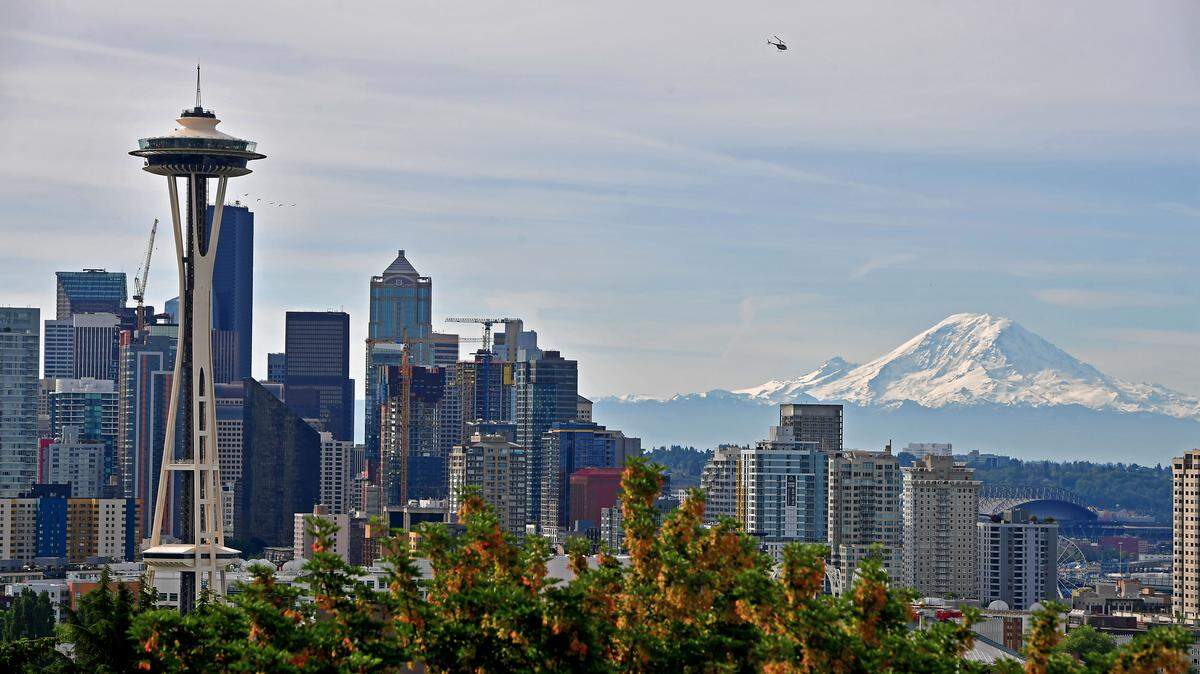
The Pacific Northwest delivers some of the most rewarding travel experiences in the country — if you know where to look. From glacier-capped volcanoes to quirky museums, this region rewards the traveler who plans with intention and arrives with curiosity.
Here are seven landmarks that belong on your radar, with the details you need to actually make the most of each stop.
The Volcanic Heavy Hitters
Start with the headliner: Mount Rainier National Park in Washington. This glacier-capped stratovolcano is the highest peak in the Cascades and the most glaciated peak in the contiguous U.S. Surrounded by wildflower meadows, it’s a destination for hiking, camping and backcountry skiing. If you’re optimizing for dramatic scenery with range, this is your anchor point.
Then there’s Mount St. Helens, also in Washington — an active volcano and the site of the famous 1980 eruption. That eruption removed the upper 1,300 feet of the summit by a huge debris avalanche, leaving a large horseshoe-shaped crater now partially filled by a lava dome and a glacier. You can hike various trails or go kayaking, canoeing or trout fishing on the Coldwater Lake. This is raw, reshaped landscape — the kind of place that recalibrates your sense of scale.
Crater Lake National Park in Oregon rounds out the volcanic trio. This is the deepest lake in the U.S., formed 7,700 years ago when a violent eruption triggered the collapse of a tall peak. It’s known for its incredibly stunning blue water. Camping, stargazing, fishing, hiking and bird watching are all on the table, but the real insider move is getting details and explanations from a Park Ranger by taking a boat or trolley tour.
Oregon’s Most-Visited Natural Wonder
Multnomah Falls is Oregon’s tallest waterfall at 620 feet and the most-visited natural recreation site in the Pacific Northwest, drawing more than 2 million annual visitors. If you want more than the photo op, try the out-and-back hike to the overlook atop the upper falls — 2.4 miles total with 800 feet of elevation gain. It’s an effort-to-reward ratio that’s hard to beat.
Seattle’s Two Essential Stops
The Space Needle remains the most recognizable symbol of Seattle, standing 605 feet above the city. Built for the 1962 World’s Fair, it offers 360 degree views of the city, Puget Sound and the surrounding mountains from the observation deck and rotating bar. A practical note: reserve tickets in advance, whether you’re going for general admission, a VIP package or a combo ticket with other attractions in the city.
Just across the city, Pike Place Market has been operating as a public farmers market since 1907. It’s home to the original Starbucks location and known for its fish-throwing vendors and delicious local food. Restaurants, retail shops and crafts markets fill out the experience. This is where Seattle’s food culture lives — skip the chains and eat here instead.
The Wildcard Worth the Detour
Finally, for the traveler who values quirky discovery, the Idaho Potato Museum in Blackfoot, Idaho, delivers exactly what it promises. Located in the old Oregon Short Line Railroad Depot, it features exhibits on the history and cultivation of potatoes. Stop by the café and gift shop for some potato treats. It’s offbeat, it’s specific, and it’s the kind of stop that makes a road trip memorable.
Whether you’re chasing summits, waterfalls or fish-throwing market vendors, the Pacific Northwest packs a surprising number of must-see landmarks into a single region. The key is arriving with a plan.
This article was created by content specialists using various tools, including AI.