The Tech-Free Flight Trend: Why Savvy Travelers Are Putting Away Their Devices
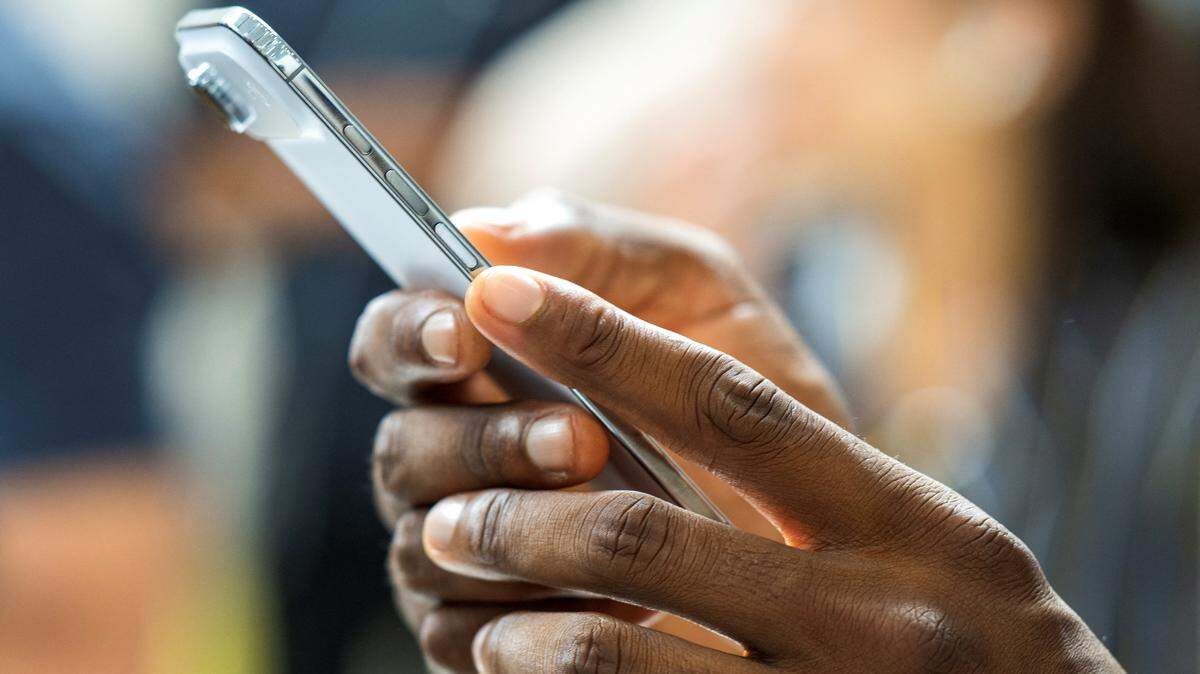
The next time you board a plane, look around. You’ll see rows of passengers immediately reaching for phones, tablets, and laptops before the wheels leave the ground. But a quiet counter-movement is gaining traction among travelers who’ve figured out something the rest of the cabin hasn’t: those hours in the air might be the most valuable screen-free time you’ll get all week.
The concept is straightforward. Instead of treating a flight as dead time to fill with streaming, scrolling, or catching up on email, you deliberately leave your devices stowed for the duration. No in-flight Wi-Fi purchase. No downloaded shows queued up. Just you, your thoughts, and whatever analog activity you choose to bring along.
What’s driving this shift
Flights create something that barely exists anymore in daily life: an environment where being unreachable is the default. Limited Wi-Fi, no expectation to respond instantly, and several hours of uninterrupted time make air travel a natural container for stepping away from screens. That combination is rare. Think about the last time you had two, four, or six consecutive hours with zero digital obligations and nowhere else to be. For most people, the answer is: on a plane.
The appeal goes beyond novelty. According to Integrative Psych, “Constant notifications, emails, and the pressure to be constantly available can elevate stress levels. Taking a break from screens can provide a much-needed respite, reducing anxiety and promoting relaxation.”
That quote captures something specific about why flights, in particular, work for this. The physical separation from connectivity removes the choice entirely. You’re not white-knuckling your way through a self-imposed phone fast at a coffee shop where you could easily grab your device. You’re in a metal tube at 35,000 feet where the path of least resistance is actually putting the phone away.
Why it matters for how you feel when you land
A break from screens allows the brain to rest and reset, which can make long flights feel calmer and less draining. That’s a practical difference you can feel the moment you step off the jet bridge.
The physical effects compound over the course of a flight. Stepping away from screens helps reduce eye strain, headaches, and sensory fatigue, especially on long or overnight flights. If you’ve ever arrived at a destination feeling like you ran a marathon despite sitting still for several hours, screen fatigue is a contributing factor worth examining.
Sleep quality shifts too. A tech-free approach can improve rest and sleep on planes. Without blue light exposure or mental stimulation from devices, it’s often easier to relax or drift off to sleep, even in a less-than-ideal environment. Anyone who’s tried to nap after 45 minutes of doom-scrolling knows the difference between a brain that’s wound up and one that’s been allowed to idle.
What to do with the time instead
This is where the trend gets interesting. Tech-free flights encourage slower, more intentional ways of passing time. Reading a physical book, doing puzzles, journaling, sketching, or simply thinking uninterrupted are activities that rarely get space in everyday life.
That last point is worth sitting with. When was the last time you had extended, uninterrupted thinking time? Not problem-solving for work. Not planning logistics. Just open-ended reflection with no input stream competing for your attention. For many people, the answer is genuinely difficult to recall.
The choice to go tech-free on a flight isn’t about forcing boredom. It’s about reclaiming attention. The distinction matters. Boredom implies a lack of options. Reclaiming attention means you’re choosing to direct your mental energy differently, toward activities and inner space that get crowded out by constant connectivity the other 360-something days of the year.
How to try it on your next flight
If you’re curious about testing this approach, here are some concrete ways to set yourself up:
- Pack a physical book or magazine rather than loading up your e-reader. The tactile experience is part of the shift.
- Bring a journal or notebook. Even if you’ve never journaled, the unstructured time on a plane can make the blank page feel less intimidating.
- Download nothing. Part of what makes this work is removing the temptation entirely. If your phone has four downloaded podcast episodes and two seasons of a show, the gravitational pull toward screens stays strong.
- Tell yourself it’s an experiment, not a commitment. Try it for one flight and see how it feels.
- If you need your phone for boarding passes or travel logistics, handle those tasks and then switch to airplane mode with the screen off.
The real payoff
Going tech-free on a flight isn’t about disconnecting from the world. It’s about reconnecting with yourself. By putting devices away, travel time becomes an opportunity to clear your mind ahead of your trip.
That reframe changes the entire experience of flying. Instead of arriving overstimulated and screen-fatigued, you land having had a genuine mental reset. The flight becomes part of the trip rather than dead time between points A and B.
The people already doing this aren’t anti-technology. They’ve simply noticed that the handful of hours spent in the air represent a unique window, one where the usual pressures of availability disappear and the conditions for genuine rest, creativity, and reflection are already built into the environment. All you have to do is stop fighting those conditions by reaching for a screen.
Your next flight could be the most restorative few hours you’ve had in months. The only thing you have to do is nothing digital.
Production of this article included the use of AI. It was reviewed and edited by a team of content specialists.