
A remarkable run for Miami’s airport has ended. Can 2026 start a new streak?
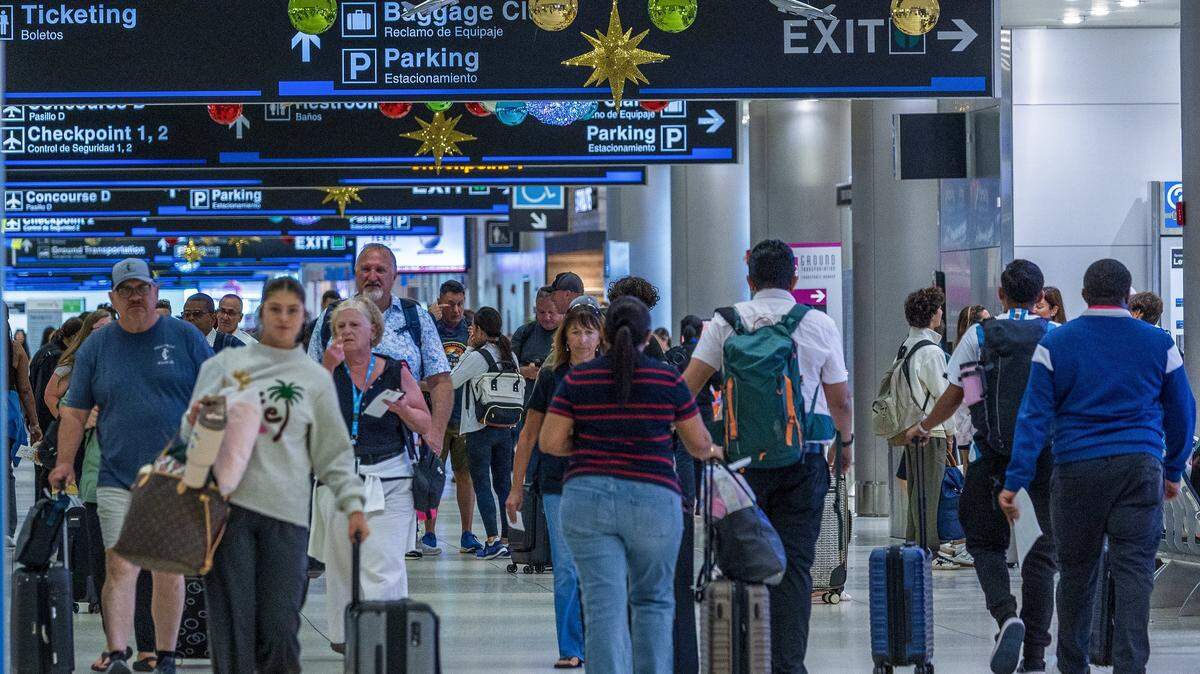
For each of the past three years, Miami International Airport has set records for the number of passengers coming through the terminals.
That streak has just ended.
The county-run airport saw about 55.3 million travelers in 2025, a 1% decline from 2024, according to figures it released to the Miami Herald on Thursday.
MIA, liked by some and hated by many, hasn’t experienced a decrease in travelers since 2017, excluding the pandemic year of 2020. It’s a remarkable run during which Miami transformed into a hub for tech and finance professionals and a sought-after host for global events.
For travelers, the decline gives MIA a moment to catch up with its own massive growth, which had resulted in growing pains. The airport is in the middle of major renovations.
The drop also suggests some softening in South Florida’s tourism economy, a huge source for the region of jobs and revenue. Hotels in Miami Beach had a difficult year and restaurants in Miami-Dade County had one of their toughest summers in years.
Both international and domestic travelers declined. About 24.8 million people from overseas came into or went out of MIA, a 1.2% drop from 2024. About 30.5 million from within the U.S. used the airport, a 1% fall.
The total percentage drop may seem small — accounting for just over 600,000 people. But that figure is the equivalent of canceling Art Basel for seven years.
The release of MIA’s figures comes after Fort Lauderdale-Hollywood International Airport published its 2025 full-year performance in late January that showed an 8.5% decline, to 32.2 million passengers, compared to 2024.
Why the slowdown at the Miami airport?
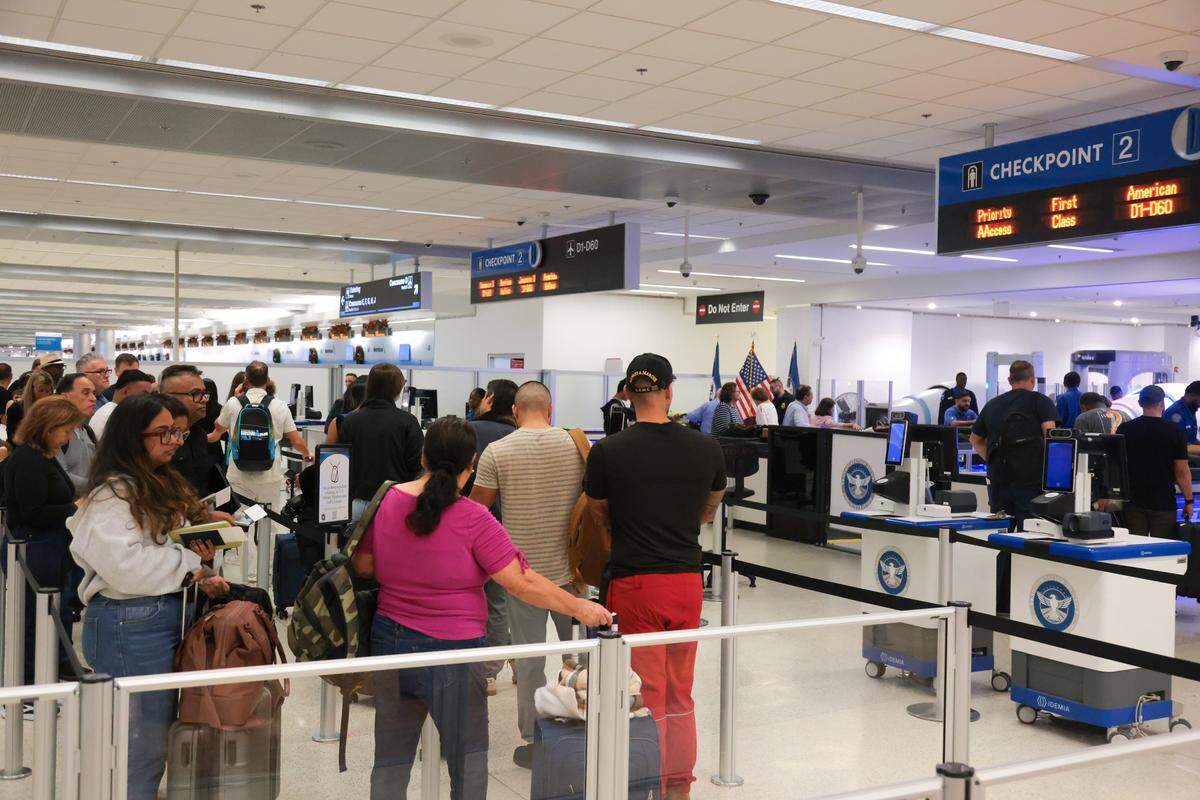
The airport is feeling the fallout of what Miami is facing: more competition as a tourist destination.
Ralph Cutié, director and CEO of Miami International Airport, also cited the 43-day government shutdown last year, which led to air traffic control and TSA employees having to work without pay. He also said visa issues with Canada affected air travel.
“If we can get our Canada passengers back and not have a federal shutdown, I think we’ll have a very good 2026,” Cutié said in an interview with the Miami Herald on Thursday.
South Florida has long been a favorite for Canadians, but the Trump administration’s immigration and tariffs policies’ put a chill on that last year.
The number of Canadians traveling at MIA last year decreased by 7% compared to 2024, and Canada fell out of the airport’s Top 10 international markets. Colombians also dropped by 5%.
Reasons for optimism at MIA

Yet the airport’s top three foreign markets stayed the same: Colombia in first place, Mexico in second and the Dominican Republic taking third.
Some countries came to MIA last year more than before, including Panama and Peru. And Argentines increased by 21%.
Seven of MIA’s top 10 international markets saw increases in passengers, an improvement from the first six months of 2025.
Cutié said he saw other hopeful signs.
The amount of cargo MIA handled in 2025 grew for the sixth straight year, increasing 13.6% to nearly 3.5 million tons.
MIA’s decline of 1.6% in domestic passengers between January and June 2025 was slightly better than the 2% drop in the overall U.S. domestic market, according to data from the Airports Council International, an organization of airport officials.
The group doesn’t yet have full-year 2025 data available, but writing about North America and the first half of last year, it said in a report that “the regional outlook remains uncertain, shaped by visa rules, travel restrictions, and trade policies.”
What 2026 brings to Miami and the airport
Still, the number of available airline seats at MIA increased in 2025. And this year has a bevy of events expected to draw tourists.
The World Cup will bring in an additional 800,000 passengers through the airport, Cutié estimated.
The airport boss wasn’t certain this year will exceed 2024 in passenger volume, but predicted “for sure” it will surpass 2025.
And already, traffic at MIA during the most recent winter holidays, from Dec. 19, 2025, to Jan. 5, 2026, was 1.2% higher than it was over the same period one year earlier.
Cutié said “that bodes well for the future.”
This story was originally published February 5, 2026 at 3:47 PM.