The Next Wave of Adventure Travel Is Being Led by People Over 50 — Here’s What’s Driving It
AI-generated summary reviewed by our newsroom.
- Adults over 50 drive a surge in active adventure travel, reshaping market demand.
- Solo women over 55 drove 77% of JourneyWoman bookings, seeking autonomy.
- Health, finances and lifestyle shifts push experience spending and year-round exploration.
The creation of this article included the use of AI and was edited by journalists. Read more on our AI policy here.
While social media feeds overflow with twenty-somethings documenting gap years and digital nomad lifestyles, a different demographic is quietly reshaping what adventure travel looks like.
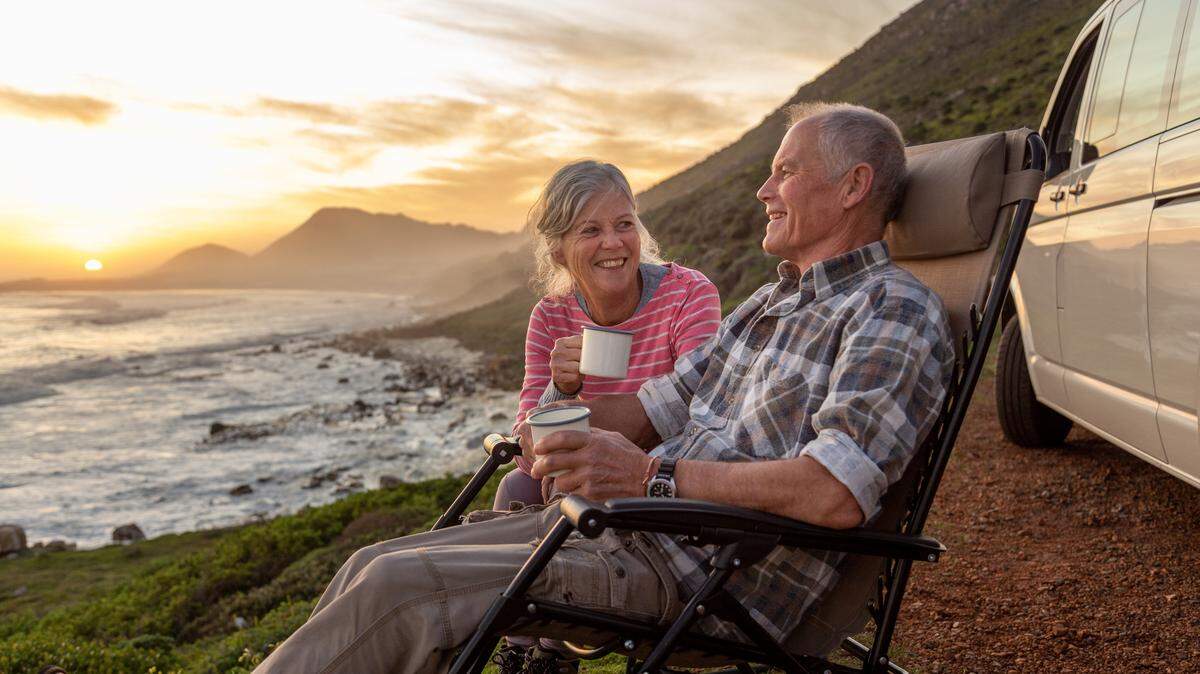
Adults over 50 are increasingly seeking out active, more challenging travel experiences that push beyond the traditional resort vacation. Adventure travel over 50 is all about living fully, being active, embracing exciting new experiences and trying something bold and adventurous.
The old playbook — retire, relax, maybe take a cruise — is being replaced by an appetite for exploration that’s active rather than passive. With more adults working longer careers, enjoying stronger health spans and greater financial independence, adventure has simply become part of the equation.
Women over 50 are driving the solo travel surge
One of the most empowering aspects of this trend involves women traveling independently. Research from Journey Woman shows that solo women travelers over 55 drove 77% of all bookings in 2022. Road Scholar, which serves about 90,000 travelers annually and focuses on people over 50, reports that while only 20-30% of its clients travel alone, that subset is overwhelmingly women at around 85%.
Those motivations point to a broader cultural shift. With children grown and careers winding down or wrapping up, many women find themselves asking a new question: “What do I want to explore next?”
Solo travel offers a type of autonomy that group or couple travel rarely matches. You set the pace, you choose the priorities and you follow your own curiosity. For anyone who’s spent decades coordinating schedules or supporting others’ needs, that freedom carries an undeniable appeal.
This rise also aligns with developmental research suggesting that many adults experience greater emotional stability and self-assurance as they move through midlife. That internal confidence often translates into a willingness to try activities or destinations that once felt out of reach.
Choosing your next destination
According to a survey of over 1,000 experienced female travelers over 50, Europe tops the list at 65%, followed by North America at 30% and the Asia Pacific region at 26%. But adventure travel doesn’t require international flights — some of the best options are much closer to home.
National parks offer some of the most accessible adventure experiences in the country. California has everything from towering redwood forests to desert rock formations to dramatic coastal trails. Washington state’s hiking routes continue drawing outdoor enthusiasts from across the country. The landscapes are varied enough that you can essentially design your own adventure without switching regions.
The shoulder season advantage
Timing matters as much as location. Shoulder season travel — those sweet spots between peak tourist months — offers the same scenery without the hassle of crowds or inflated prices.
Asheville, North Carolina draws visitors in fall for mountain hiking and stunning foliage, all without the summer rush. Tucson, Arizona becomes magical in spring when the desert blooms and the night skies offer some of the clearest stargazing in the country. Newport, Rhode Island’s iconic 3.5-mile Cliff Walk blends rugged coastal views with historic Gilded Age mansions, and it’s far more enjoyable when you’re not dodging tour groups.
Winter doesn’t have to mean staying home
Cold-weather travel can be just as rewarding if you’re prepared for it. Winter destinations offer their own kind of magic — quieter trails, dramatic snow-covered landscapes and fewer crowds in the off-season. Plus, driving to nearby winter spots gives you control over your schedule and turns the journey itself into part of the experience.
What this shift means for the future of travel
Curiosity doesn’t fade at 50, and neither does physical capability nor the desire for new challenges. If anything, they often get stronger. This demographic has the financial freedom and life experience to finally pursue the adventures they put off while raising families or building careers.
Several things are driving this. For one, more people are paying attention to how movement and activity support long-term health — mobility, strength, cardiovascular fitness. The old model of working until 65 and then stopping completely is fading. People are working longer, retiring in phases, or blending work with travel. Adventure isn’t something you earn after decades at a desk anymore, it’s woven into life as you live it.
There’s also a broader shift happening around what people actually want to spend money on. After decades of accumulating stuff, many adults are choosing experiences over things. They’re investing in memories, not more possessions just sitting in a closet.
Getting started is easier than you think
If any of this resonates with you, the good news is that starting is simpler than you might expect. You don’t need to book a trek through Patagonia or sign up for a multi-day expedition. A scenic 7-mile trail counts, a solo weekend exploring a new city counts. Or visiting a national park during shoulder season absolutely counts, too.
This type of travel is also very personal. What feels adventurous to you depends entirely on where you’re starting. Maybe it’s your first solo weekend trip, or you’re testing out a longer hike after years away from the trails. Maybe it’s finally booking that trip you’ve been thinking about for a decade.
The rise of adventure travel among adults over 50 isn’t about proving anything to anyone else. It’s about claiming curiosity, vitality and possibility at whatever age you happen to be!
This story was originally published December 18, 2025 at 4:45 PM.