U.S. launches tourist visa bond of up to $15,000: who is affected
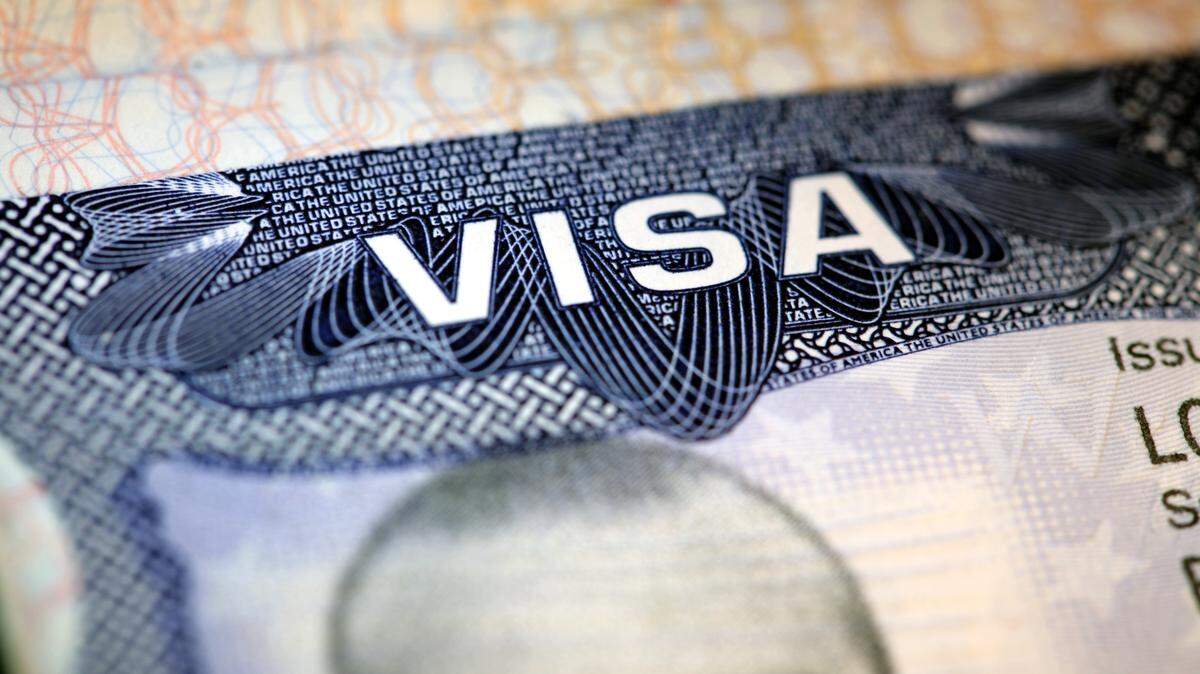
The United States government has launched a measure that may surprise many B-1/B-2 tourist visa applicants.
Starting this year, certain applicants will be required to deposit a bond of $5,000, $10,000, or even $15,000 as a condition to obtain their visa, according to a pilot program announced by the Department of State.
The new policy aims to curb visa overstays and applies to citizens of countries with high noncompliance rates, based on data from the Department of Homeland Security.
The decision has raised concerns because it sets a precedent: bonds could be extended to other nationalities in the future if deemed necessary, directly affecting those who travel to the United States for tourism or business.
How the bond program for B-1/B-2 visas will work
The Visa Bond Pilot Program establishes that selected travelers must pay a bond using Department of Homeland Security’s Immigration Bond Form I-352 and complete the payment on the official Pay.gov platform.
Amounts of $5,000, $10,000, or $15,000 will be determined by the consular officer at the visa interview.
The bond does not guarantee visa issuance. However, if the holder complies with all entry and exit requirements, the money will be automatically refunded. In cases of noncompliance — such as staying longer than allowed or not using designated ports of entry (such as Boston Logan, JFK, or Washington Dulles) — the bond could be forfeited.
Countries affected by the pilot visa bond program
According to the Department of State, the pilot program will initially apply to citizens of Gambia, Malawi and Zambia.
The pilot will run for 12 months, from Aug. 20, 2025, to Aug. 19, 2026, during which the United States will evaluate its effectiveness and decide whether to expand the measure to other nationalities.
The Department of State explained in the Federal Register that this pilot will test how bonds work in practice and assess whether they are a useful tool to ensure tourist visa holders depart the United States within the authorized time. The measure is also framed within the security and foreign policy priorities set out in Executive Order 14159.
Possible extension of the bond program to other travelers
Although it currently applies only three African countries, the Department of State emphasized that the initiative addresses concerns about high overstay rates — travelers remaining in the U.S. beyond the authorized period.
Immigration experts say this could open the door to similar measures in Latin American and Caribbean countries with high migratory flows and histories of tourist visa overstays.
Read more: Three Florida airports are among the best in the country. See the list
This story was originally published September 30, 2025 at 3:50 PM with the headline "U.S. launches tourist visa bond of up to $15,000: who is affected."