An Air Florida jet crashed into the Potomac in 1982. A look at the tragedy and airline
The deadly crash in the Potomac after an American Eagle jet collided with a military helicopter has stirred memories of a long-ago tragedy in Washington, D.C.
An Air Florida flight taking off en route to Fort Lauderdale crashed into a bridge and tumbled into the icy Potomac in January 1982.
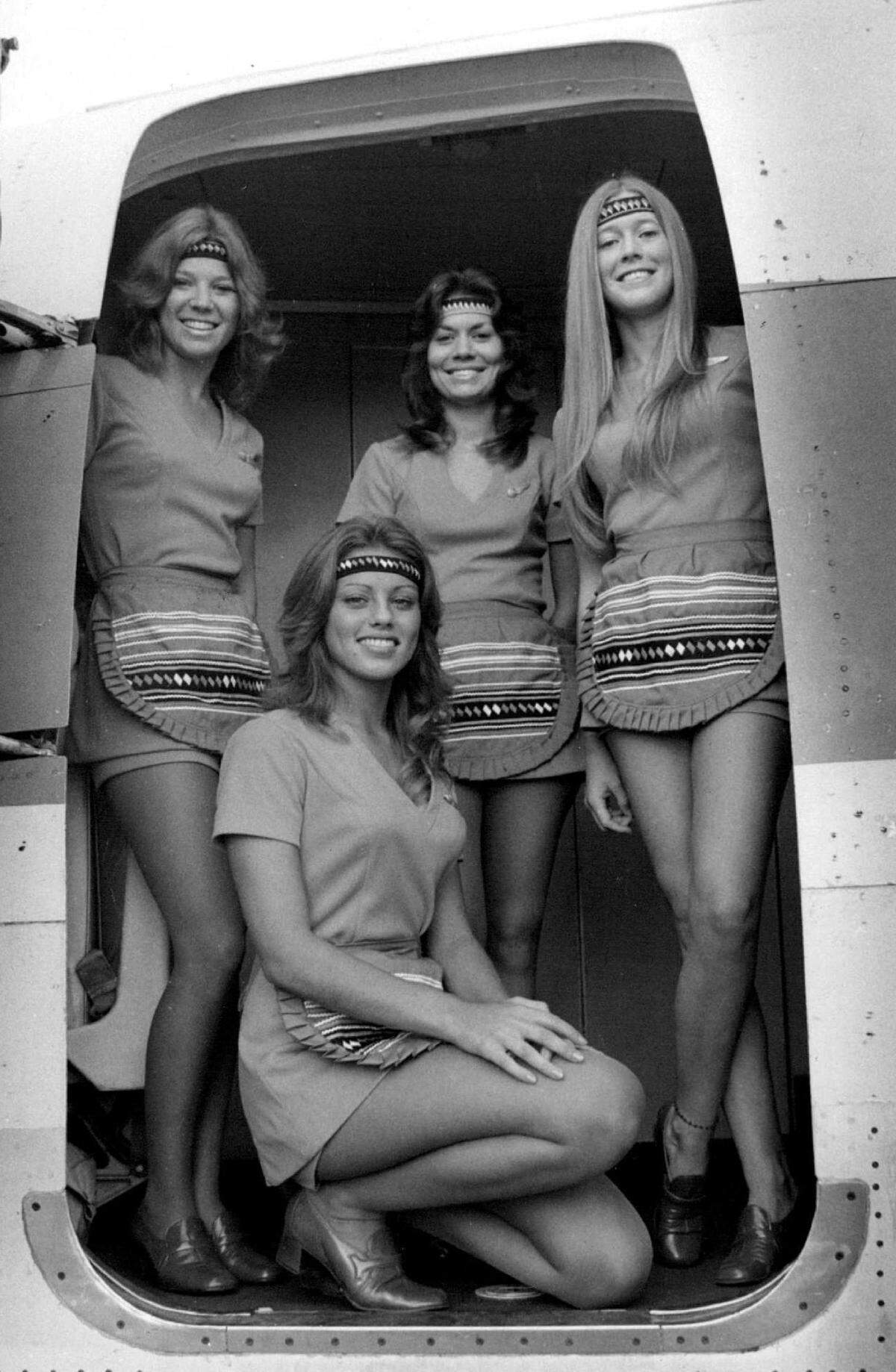
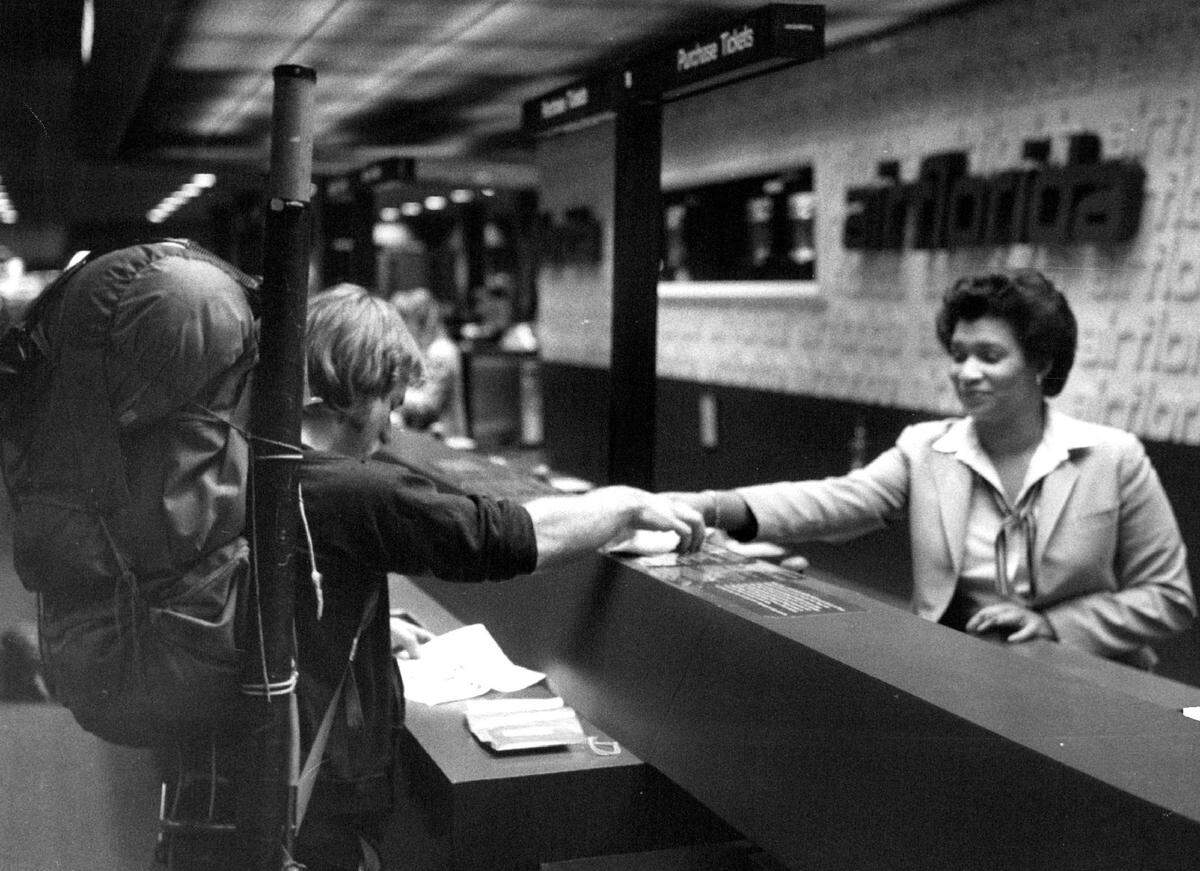
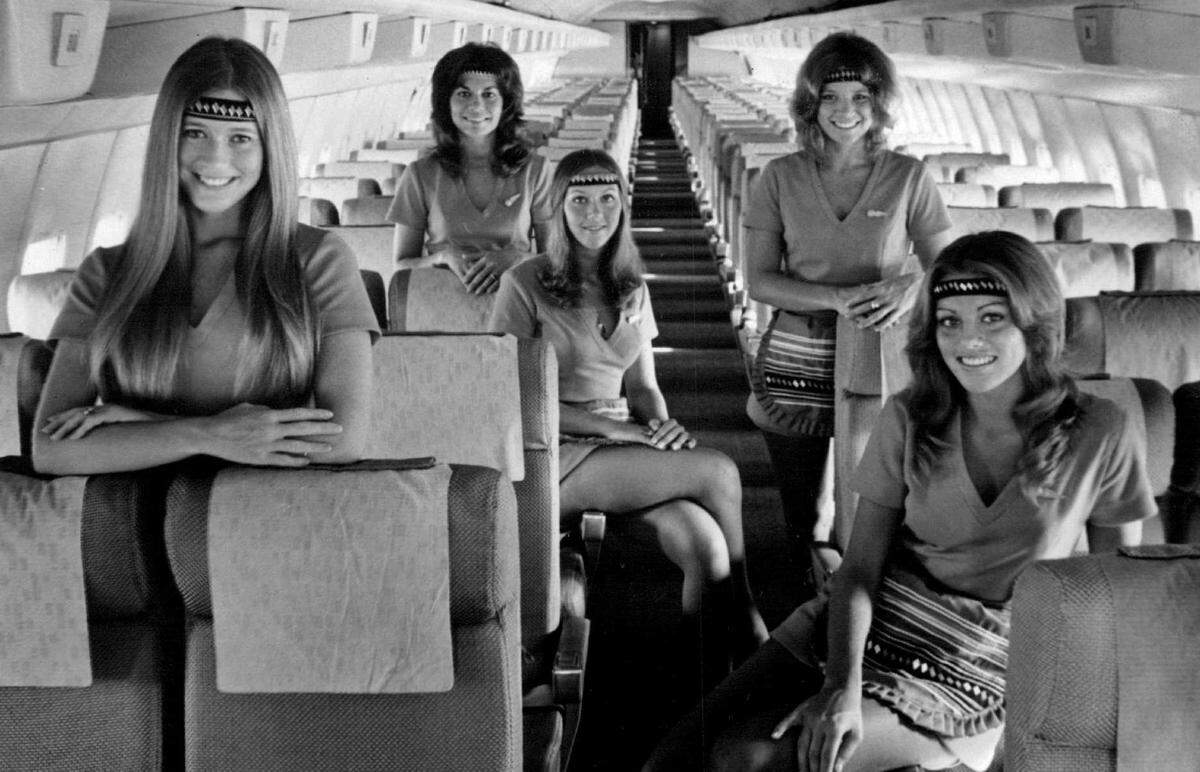
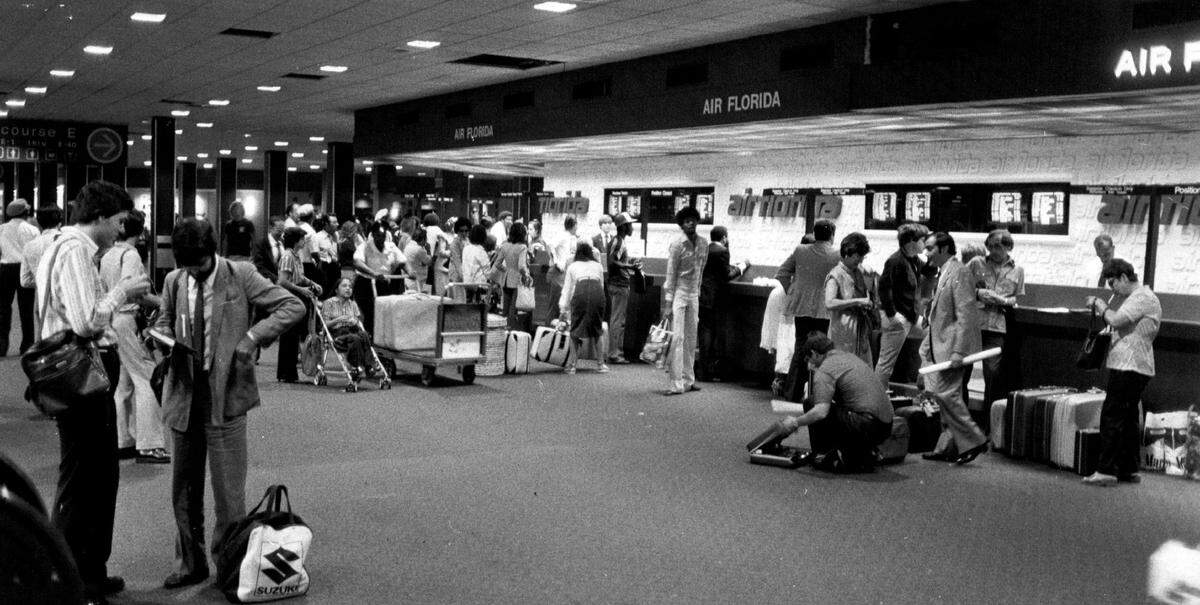
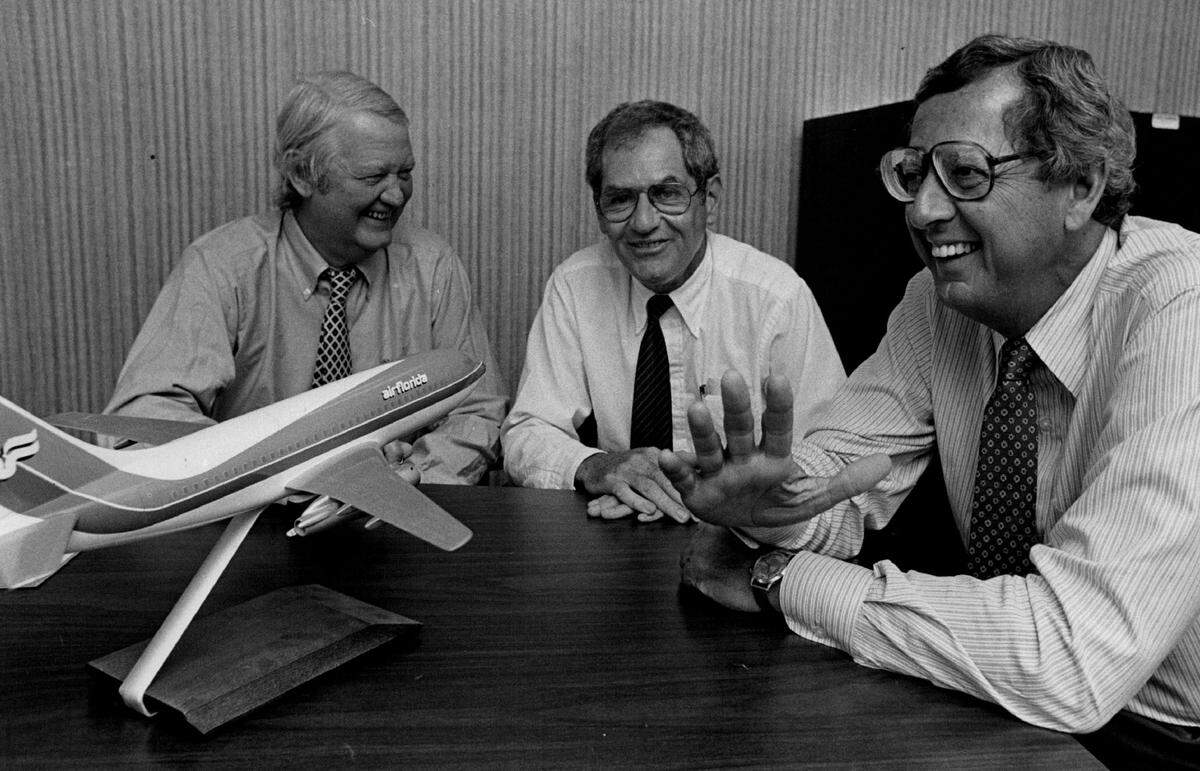
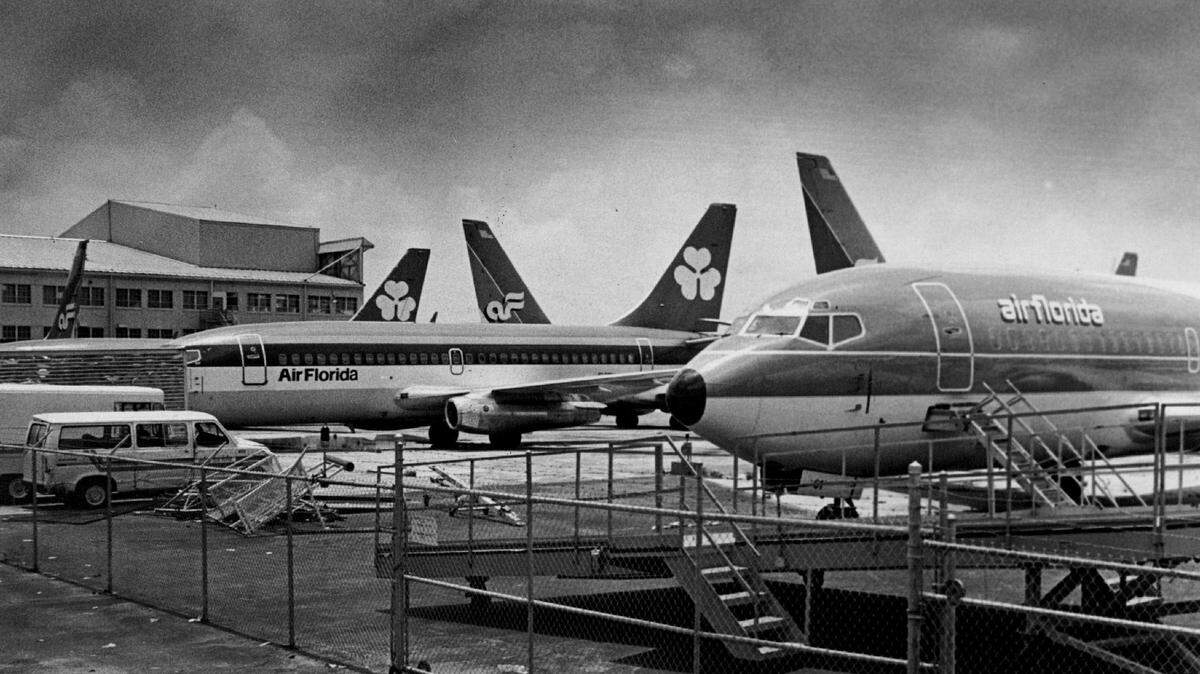
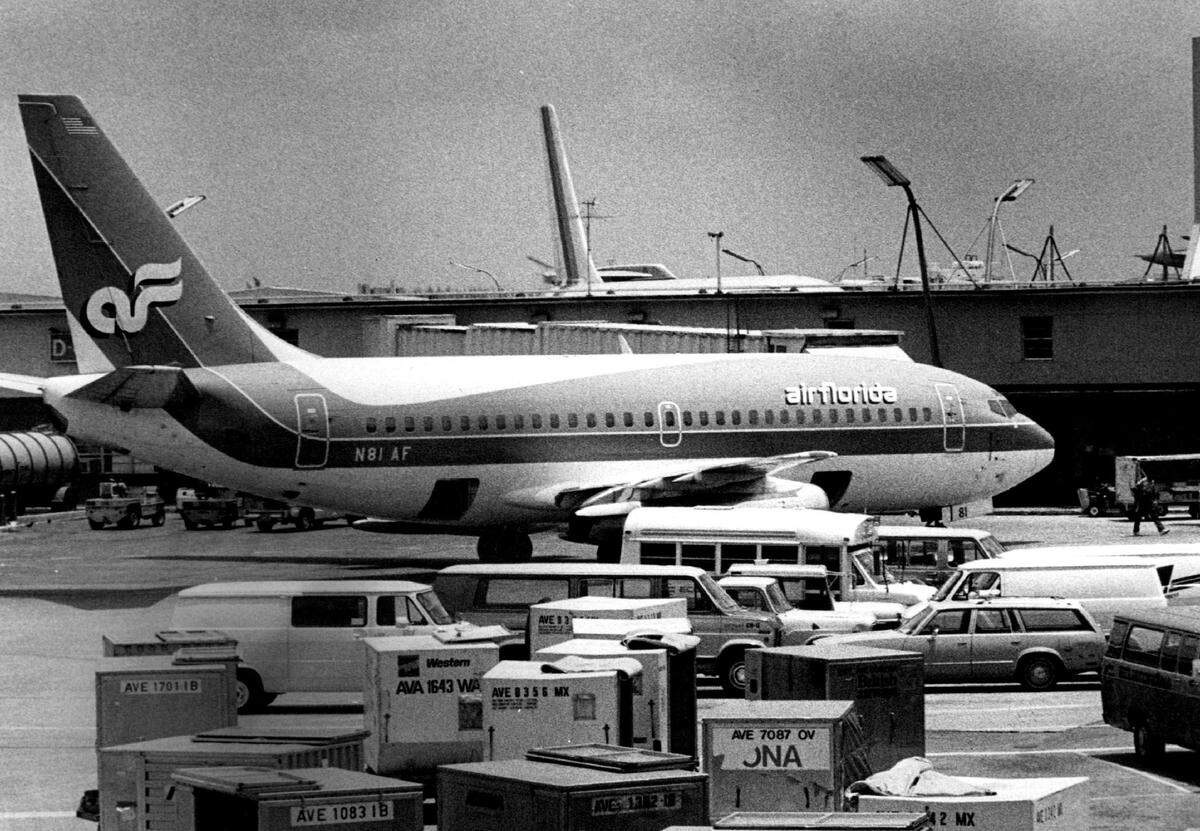
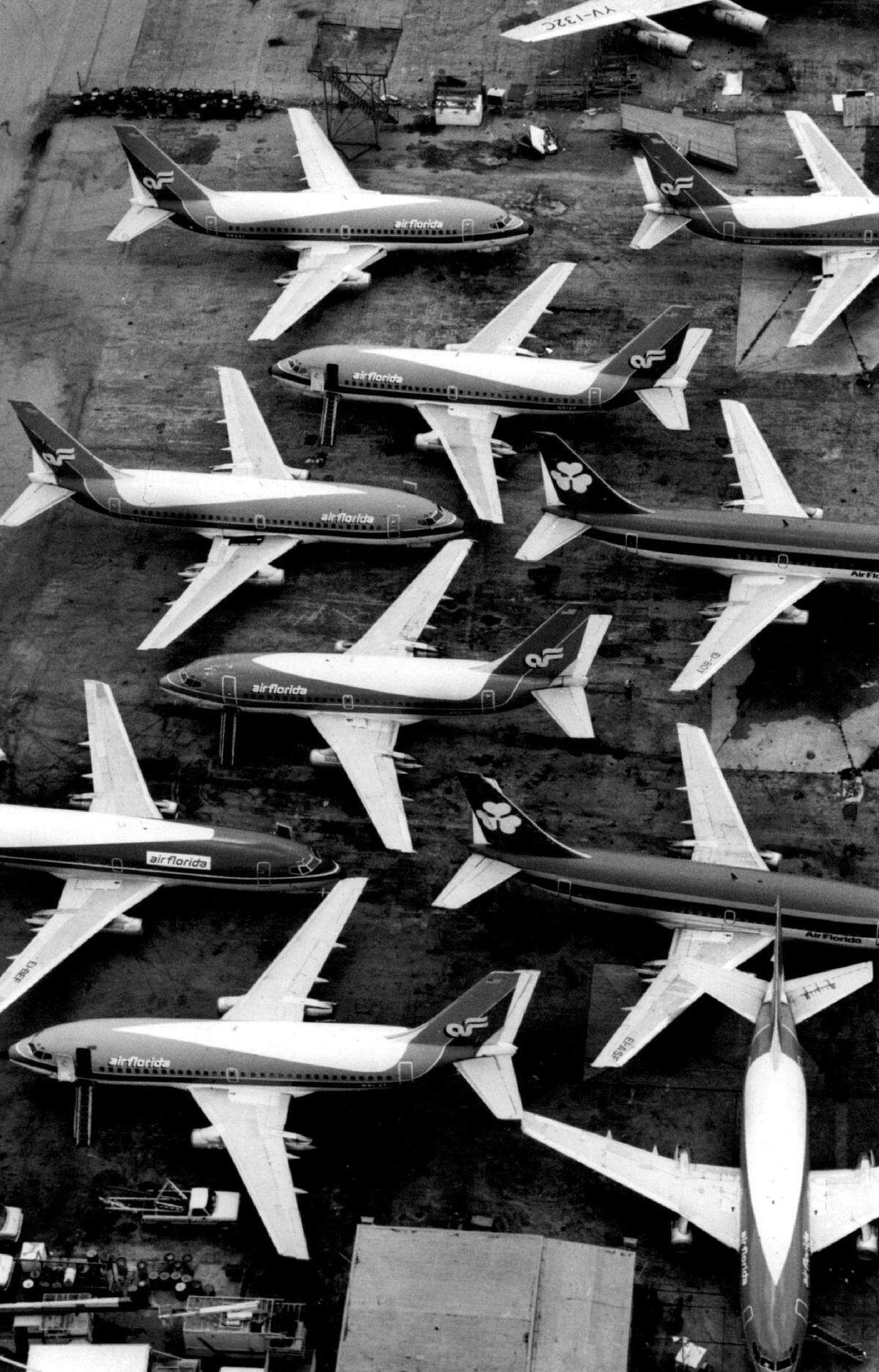
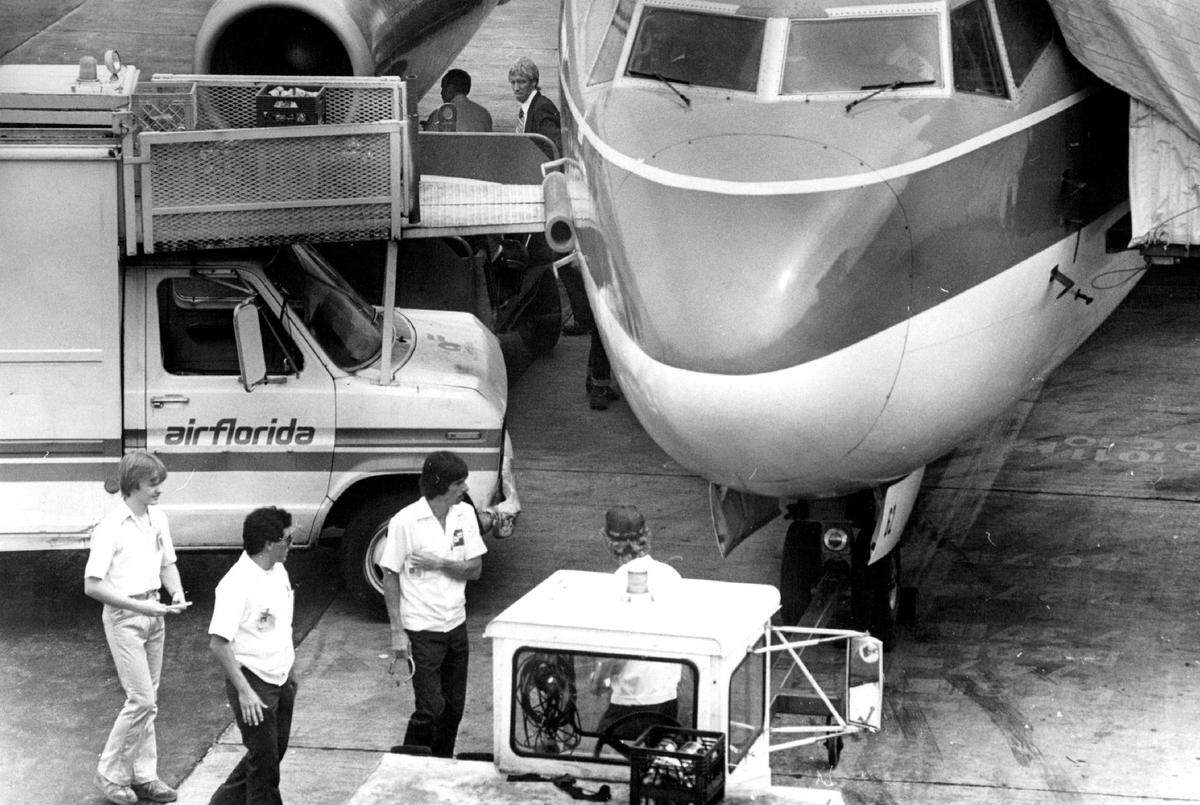
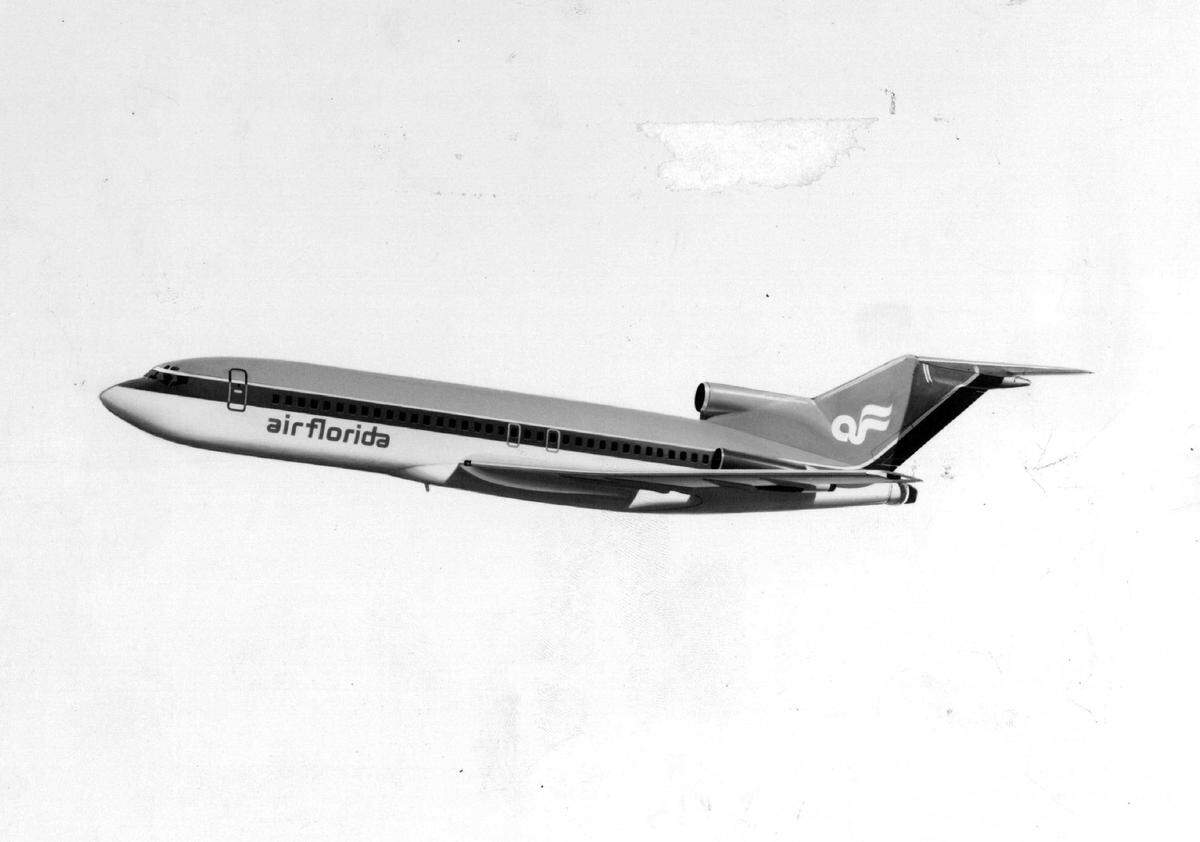
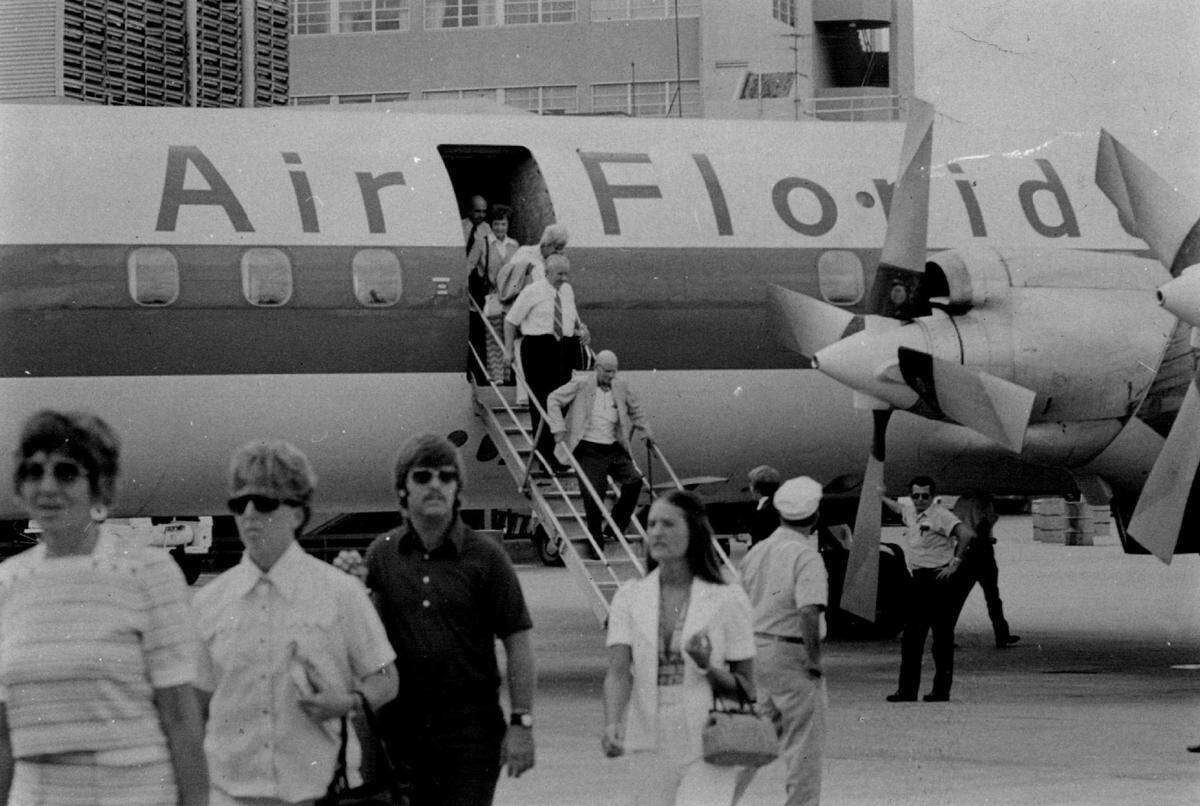
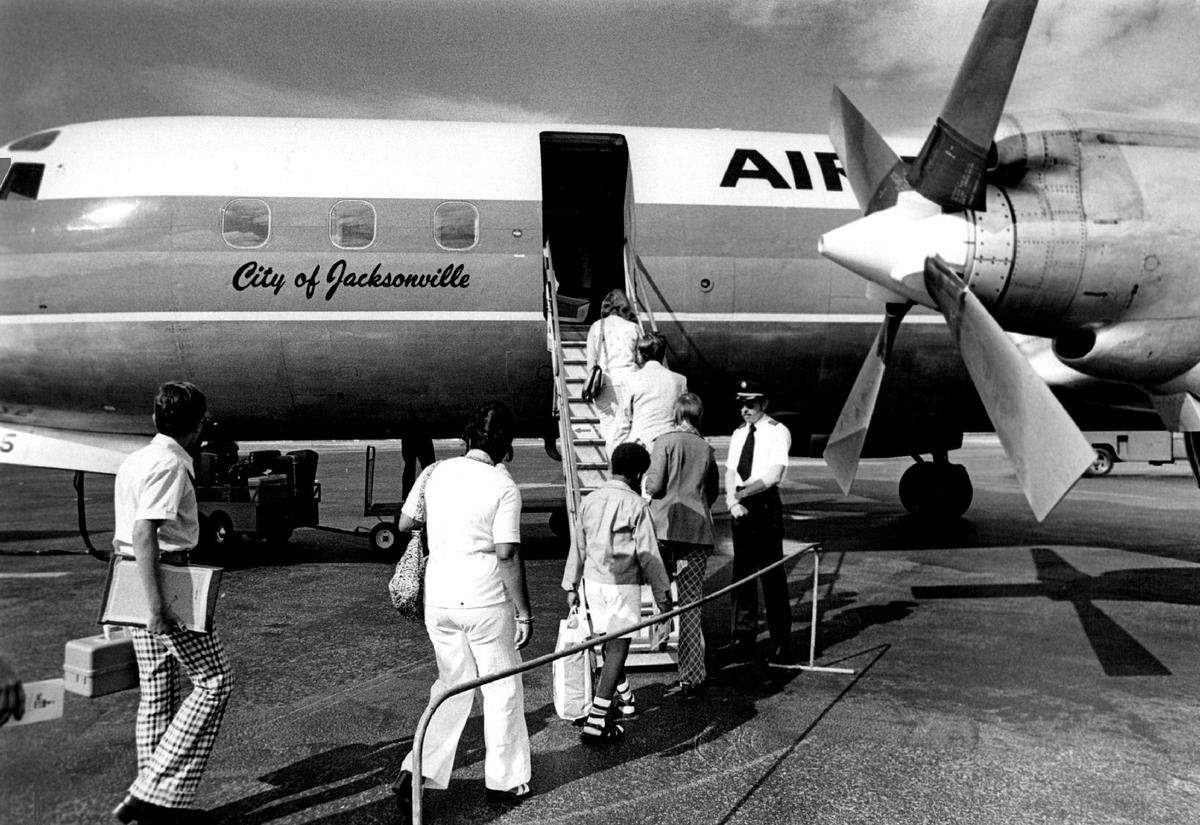
Air Florida started out as a commuter company, expanded to key cities in the state, and then evolved into a full-service carrier with flights to the Northeast and even Europe. The orange, blue and green planes, with the distinctive “AF” logo on the tail were all over the Miami airport from the early 1970s through the mid-1980s.
But like other Miami-based airlines, the carrier ran into financial problems, declared bankruptcy before being absorbed by another airline in 1984.
Air Florida’s problems started after the plane crash that killed more than 70 people.
MORE: What are the deadliest plane crashes in US history? What to know after DC crash
Let’s look back at Air Florida and the 1982 crash inquiry through the Miami Herald archives:
CRASH INQUIRY

First published Aug. 11, 1982 - Miami Herald Washington Bureau
An Air Florida jetliner plunged into the Potomac River last Jan. 13 because an inexperienced crew ignored safety procedures and failed to abort a perilous takeoff or take emergency action that might have saved the plane, a federal safety panel ruled Tuesday.
The National Transportation Safety Board, concluding an eight-month investigation, said pilot Larry Wheaton of Miami and co-pilot Roger Pettit never should have tried to leave Washington’s National Airport because snow and ice on the wings and in a critical engine probe had crippled their Boeing 737 before it even left the ground.
But once the plane was airborne, the board staff said, it could have been pulled out of a sudden stall if the crew had applied emergency power and lowered its nose. Instead, the twin- engine jet flew just three-quarters of a mile before it slammed, nose up, into the top of a commuter bridge and pancaked into the ice-covered Potomac, killing 74 of its 79 passengers and crew. Four motorists on the bridge also died.
“The bottom line is that plane should never have taken off,” said Board Chairman Jim Burnett, after the board voted to approve the conclusions of a 200-page staff report that will be released today.
The board’s findings were immediately challenged by an attorney for Air Florida. The airline faces millions of dollars in lawsuits from relatives of the dead passengers and motorists.
Insisting that the crew’s decision to take off was “prudent,” attorney Robert Silverberg blamed the crash on the design of the Boeing 737, which the board said has a “known inherent” tendency to pitch up its nose if there is ice on the front edge of the aircraft’s wings.
“We concluded that the probable cause of the accident was a severe and uncontrollable pitch-up immediately after liftoff of Flight 90, from which recovery was not possible,” Silverberg said.
But while the board acknowledged that the aircraft’s handling problems contributed to the crash, board members ultimately placed the blame on the shoulders of the two-member cockpit crew. Said board member Francis McAdams, who headed the investigation, “There was a lack of exerience, particularly in winter operations. All those other factors just compounded the crew’s problems.”
The board’s one-paragraph finding of “probable cause” cited “the flight crew’s failure to use engine anti-ice during ground operation and takeoff, their decision to take off with snow-ice on the airfoil surfaces of the aircraft and the captain’s failure to reject the takeoff during the early stage when his attention was called to anomalous engine instrument readings.”
But excerpts from the board’s report show that Wheaton and Pettit were in fact victims of a bizarre combination of circumstances which they either ignored or recognized too late. Among them:
▪ A 49-minute delay -- caused by planes that were backed up after the airport closed because of heavy snow -- between the last time their plane was de-iced and their takeoff clearance and an insufficient concentration of the de-icing fluid which was sprayed on the plane.
▪ The crew’s inexplicable failure to turn on the 737’s engine anti-icers, devices similar to a car’s defroster, that prevent ice from accumulating in the nose of the engine. As a result, a critical sensor, which tells the pilot how much thrust his engines are producing, froze.
▪ The use of reverse engine thrust to back up the aircraft, and Pettit’s attempts to use the exhaust from planes ahead of him to melt snow accumulating on the 737, adding to the amount of snow and water thrown up onto its wings.
▪ A flight controller’s order to hasten Flight 90’s takeoff roll because an Eastern flight was in its final landing approach behind it, giving co-pilot Pettit, who was in control of the plane, no chance to rev up his engines, a procedure that might have thawed his engine probes.
▪ Cockpit gauges that falsely indicated the twin engines were putting out full takeoff power, when in fact the output was 28 per cent below what it should have been. According to the board, the frozen probes indicated a higher-than-actual power reading because the anti-icer was off.
▪ Wheaton’s order to continue the takeoff even after Pettit began expressing concern that the plane was accelerating too slowly. Said McAdams, “The co-pilot was trying to do his job. The captain ignored him.”
▪ The immediate sound of the “stickshaker” -- a device that rattles the plane’s control gear when a stall is imminent -- as soon as the plane finished its long, slow takeoff roll. Although Wheaton and Pettit did their best to lower the nose to gain airspeed, they did not simultaneously advance their throttles to emergency power.
“If they’d done both -- lowered the nose and rammed the throttles to the firewall -- they could have flown out of it,” said William Laynor, the board’s deputy director for aviation transportation. “They had to do both -- and they had to do it quickly.”
AIR FLORIDA PLANES
MORE: What did Miami’s airport look like in the 1950s and ’60s. These photos will show you
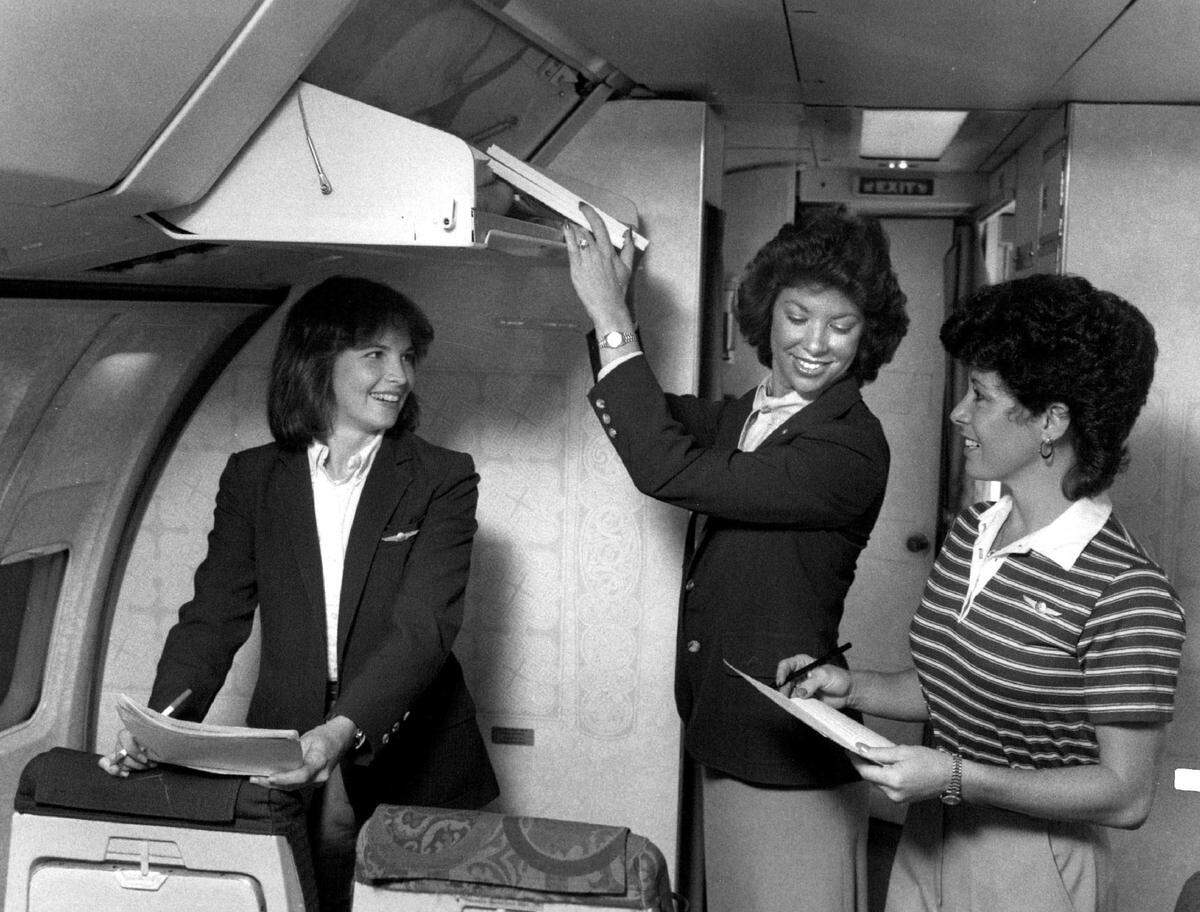
THE EMPLOYEES