There’s still time for a getaway. Vacation prices are coming down — a little
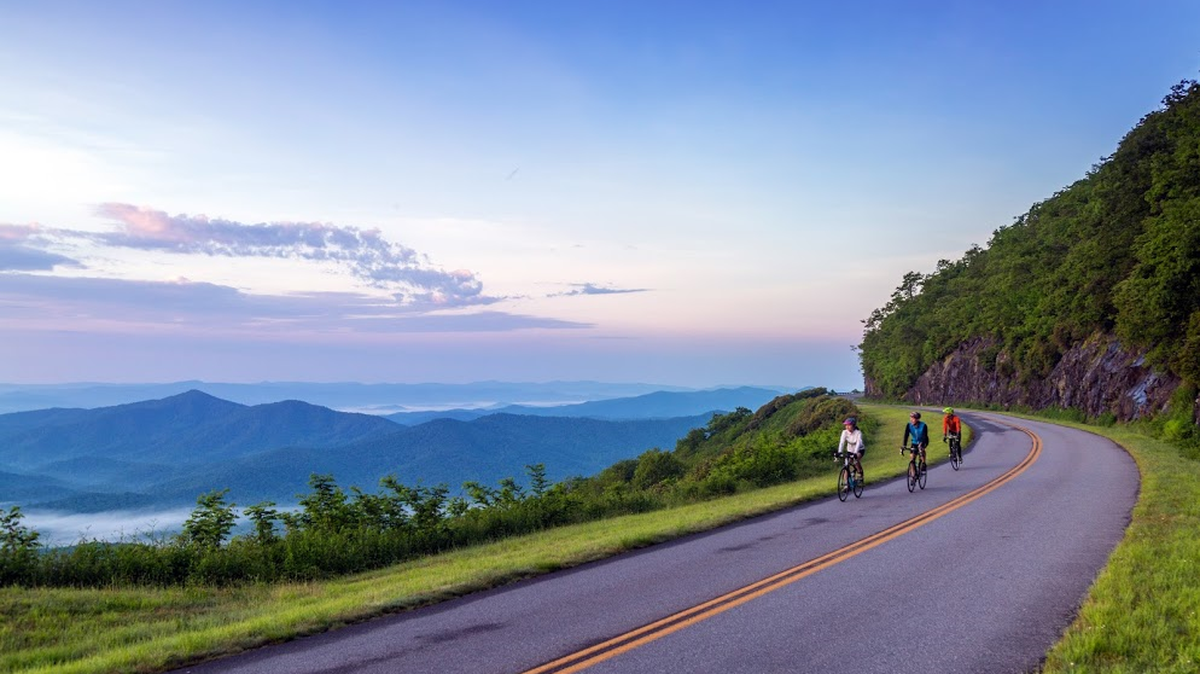
If soaring travel costs and COVID travel restrictions dashed your plans for a summer getaway, it may be time to rethink.
In the face of growing interest rates and a fluctuating stock market, travel suppliers have begun adjusting airfares and sweetening hotel packages. The U.S. has dropped COVID-19 testing requirements for travelers from abroad. And those oh-so-convenient cruises from South Florida remain a bargain — with the added benefit of an environment where all passengers are vaccinated.
Despite gas prices hovering near $4.90 per gallon nationally and $4.65 in Florida, roughly 2.3 million Floridians are expected to drive 50 miles or more during the upcoming holiday weekend, according to auto club AAA. Nationally, 42 million are expected to take a road trip, said AAA.
That meshes with a traveler sentiment survey tracked weekly by the Greater Miami Convention and Visitors Bureau, says Rolando Aedo, chief operating officer. While 40% of those surveyed say they are concerned about rising costs, 91% say they plan to travel in the coming months anyway.
When they do, they’ll find domestic airfares running about 19% higher than in 2019, with international fares at 22% higher, according to Hopper (media.hopper.com). But that’s still an improvement over the period between January and May, when they skyrocketed by 47%, said Robert Silk, senior editor for aviation at Travel Weekly, a trade publication.
Already, air sales are popping up, with a recent fare under $200 roundtrip from Miami to New York and $257 from Miami to Los Angeles, both on Jetblue. Southwest has also posted flash deals.
Bargain fare or not, flying hasn’t been smooth. In recent weeks, tens of thousands of travelers worldwide have faced flight changes and delays, cancellations and lost baggage as airlines have cut the number of flights. A shortage of air traffic controllers, pilots and other airline workers, potential strikes in London plus the usual summer storms have exacerbated the situation.
That hasn’t stopped travelers — at least yet. More than 3.5 million are expected to fly this weekend, according to AAA. With the number of travelers up 17% over the past 30 days, Miami International Airport is expecting a full parking garage.
And with COVID restrictions easing, travelers aren’t sticking with the U.S. “Europe is going crazy,” said Olga Ramudo, president and CEO of Miami travel agency Express Travel.
Misty Belles, spokesperson for luxury travel consortium Virtuoso, agreed. “There’s a lot of pent-up demand for Europe,” she said.
“We’re continuing to see trepidation around travel in general, with travelers asking whether flights are reliable and will they get a full experience. So they are going back to the tried-and-true.” Italy is on top of the list, followed by France, Canada, Greece and the United Kingdom.
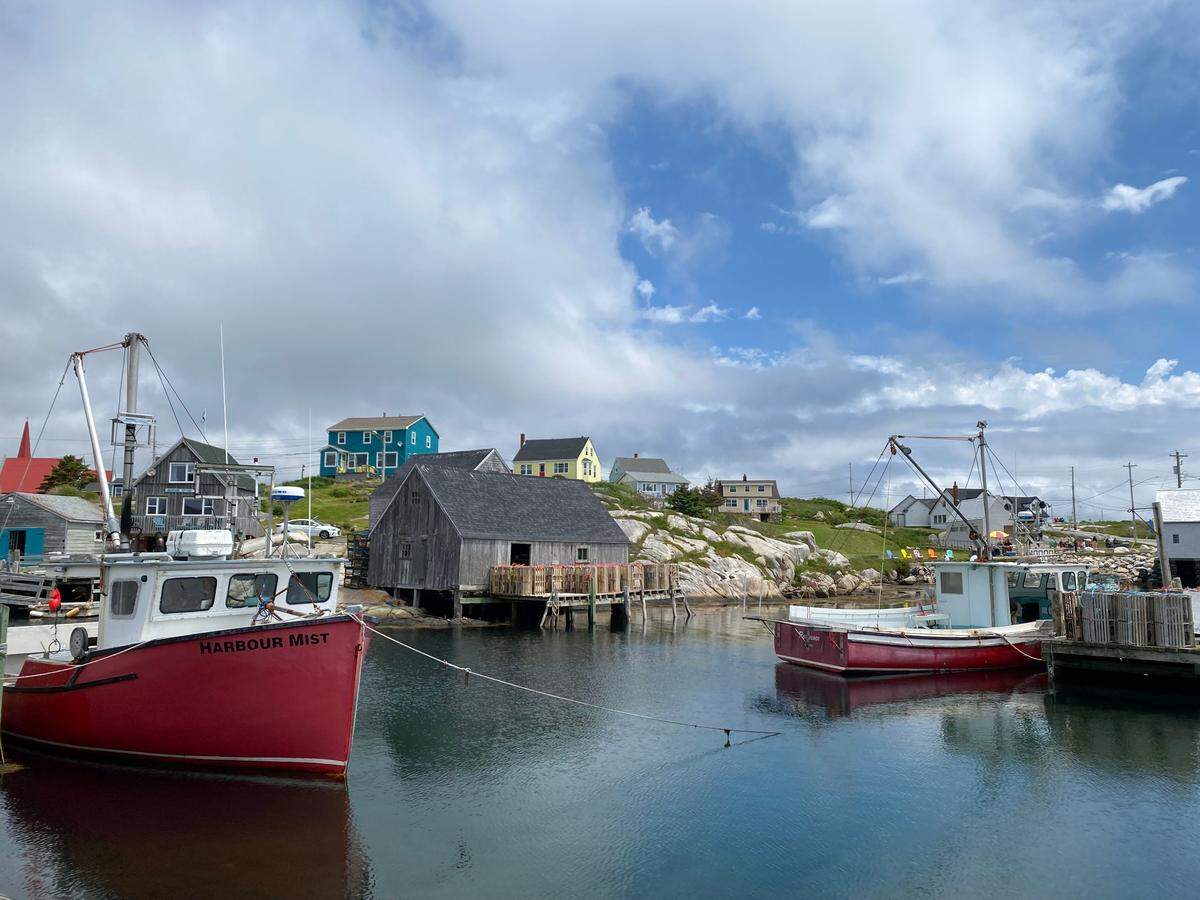
Interest in tours is also picking up, said Terry Dale, president and CEO of the U.S. Tour Operators Association. Though the war in Ukraine and ongoing travel restrictions slowed optimism earlier in the year, the recent removal of testing requirements brought a surge of calls. “I wouldn’t assume any availability left for 2022 will last for long,” he said.
While most popular destinations are already heavily booked, travelers can find space — and sometimes even values — in far-flung destinations, noted Ramudo. Those include Africa — Royal Air Maroc recently relaunched direct flights from Miami to Casablanca — and Asia, which are just beginning to reopen.
Travel advocate Christopher Elliott, who runs the website Elliott.org, said he also is seeing deals in Europe, where he currently is living, at vacation rentals outside major cities. And he expects to see more as summer wanes.
While last-minute bargains may pop up to entice inflation-stressed travelers this summer, deals will likely evaporate later this year, predict Belles and others. Advance booking will again become the rule.
“After the past few years, people are looking at those big dream trips, that once-in-a-lifetime experience, and saying ‘let’s move on that now,’ ” said Dale.
Still, as Elliott points out, between inflation, the stock market and labor shortages, nothing is certain. “This is an anything-could-happen kind of summer. ... People think COVID is over. It’s not.”
If you doubt, just look to China. The U.S. State Department recommends reconsidering visiting Hong Kong and mainland China, where lockdown rules change frequently and without warning.
Ramudo’s advice: Be prepared. Book all flights and accommodations in advance, and keep your PJs in your carry-on — in case your luggage doesn’t arrive. “You don’t want to get stranded.”
Here’s what you need to know about traveling this summer and fall:
TRAVELING BY CAR
With gas prices so high, ever-changing COVID policies and chaos in the skies, many travelers have opted for road trips close to home.
“Consumer spending behaviors are already changing,” said Stacey Mitchell, director of the Monroe County Tourist Development Council. “Consumers are still traveling and planning summer vacations, but they’re making adjustments to their vacation budgets.”
For some, that means forgoing flights in favor of perennial favorite Asheville, North Carolina, a couple of tanks away. For others, it means a beach holiday in the Sunshine State.
And while summer is typically the low season in Florida, you might still be surprised. Hotels and campsites nationwide are heavily booked. And in most places, prices are up. For instance, one Delray Beach hotel that offered a $99 Florida resident special in years past has bumped to $129. Rooms in the Keys available on websites like Hotels.com generally are priced $200 and higher — about 5% higher than last July, said Mitchell.

One close-to-home exception: Orlando. Even though AAA’s booking trends show Orlando as the No. 1 U.S. destination this holiday weekend, you can snag a room near the parks for around $100 per night — even over the July 4 weekend. Or you could wait until August, when a three-park, five night package at Universal’s Dockside Inn and Suites starts at around $400 for a family of four when booked by Aug. 3.
If you opt to buy park tickets on your own, note that Parkhopper tickets to Disney cost more this year; a one-park ticket at either Disney or Universal starts at $109. Multi-day tickets and Florida resident deals can bring the prices down. All parks have capacity controls, and Disney now requires park reservations; check availability at disneyworld.disney.go.com.
In popular destinations, the softening economy probably won’t bring lower rates, at least anytime soon, say experts. Instead, a number of hotels are “adding value” — such as adding a fourth night free to a three-night stay.
With hotels, as with flights, the best prices are usually mid-week. In major cities, the reverse is often true — especially if you opt for a convention hotel instead of that boutique gem.
IN THE AIR
Airfares likely will dip after the summer travel surge. Fare-tracking site farecompare.com predicts rates for domestic and Canadian fares will drop for flights after Aug. 24 and again in September. European fares drop after mid-August and again in September, says the website.
But before you click that “buy” button, check for fees. Many airlines now charge extra for carry-on bags, checked luggage and seat assignment; added together, they can nearly double the cost of that bargain fare. (Note that you’ll likely pay a premium for a direct flight.)
Even if they get a deal, travelers shouldn’t count on smooth flying.
“Airlines have cut back on inventory. There are air traffic control issues, staffing shortfalls, big pilot shortfalls,” Silk said. “A little disruption can resonate through the system” — bringing the massive delays caused by bad weather earlier this month.
If that happens, don’t wait for your airline to contact you, say experts. Call the customer service line, find an airport agent who isn’t busy or call your travel agent if you used one. The earlier you get on a rebooking list, the better. If the airline actually cancels your flight, it is obligated to reimburse you — but if you’re halfway through your trip, that might not help.
More wisdom: Get to the airport an hour earlier than usual — about two hours for a domestic flight and three for an overseas flight. Sign up for airline alerts regarding cancellations and itinerary changes. Miami lawyer Michelle Niemeyer has been notified of five itinerary changes for an upcoming trip to Minnesota, she said.
You can cut the hassles from the beginning of your trip by enrolling in the Trusted Traveler program or Global Entry ($100). Both provide TSA Pre service, which has dedicated security lanes at major airports that allow you to leave computers in your bag and keep your shoes on. Global Entry allows you to speed through passport checks with the aid of an electronic kiosk.
For either program, you will need to appear at an in-person appointment for acceptance; getting an appointment can take weeks. Membership lasts five years; applications for a two-year renewal can be made online up to a year before your membership expires. It’s worth remembering that even with membership, you can be randomly selected for full screening, though this happens relatively rarely.
If you’re flying domestically, be sure your state-issued driver’s license, green card or other accepted ID is up to date.
Reminder: Most of the post-9/11 rules still apply. In carry-on luggage, that means no aerosols, knives or sharp objects, guns or ammunition; liquids and gels must be limited to 3.4 ounces and fit into one quart-sized see-through plastic bag. Larger amounts of infant formula are allowed but must be pulled from your bag.
Larger sizes of liquids and gels are allowed in checked bags, but lighters can go in carry-on only. Guns must be declared and packed in hard-sided locked cases. Got questions? Check the Transportation Security Administration website, www.tsa.gov/travel.
CRUISING
Cruises are one of the few vacations where you’re assured that others on your trip are vaccinated. They also offer some of this summer’s best deals.
“We’re in a bit of the golden hour in terms of getting deals as cruise lines are working to get back to full capacity,” said Colleen McDaniel, editor at CruiseCritic.com.
Deals are even better than usual in the Caribbean — a bonus for South Floridians, since the ports are close at hand. But this year, unlike the past, bargains are also available for Alaska cruises this summer and fall, said McDaniel.
As of mid-June, the average cost of a five-night Caribbean cruise was $525 per person in July, $360 in August and $244 in September, based on double occupancy in an inside cabin, according to Cruise Critic.
A seven-night Alaska cruise was running $723 in July and $631 in August, also double occupancy in an inside cabin. Many are flash deals that last only a day or two.
Recent deals included $550 instant savings, 30% discounts and kids sail free (Royal Caribbean International), reduced deposits and 40% off rates (Carnival Cruise Lines), a seven-night September cruise in Alaska from $311 per person (via Alaskancruise.com), 35% off plus free bar and Wi-Fi (Norwegian Cruise Line), a $200 onboard credit plus kids sail free (MSC Cruises) and a 15-day European Viking river cruise including airfare for $2,999. Those deals are now gone, but more are likely to come.
Values go beyond the large ships. Even luxury lines are offering values, such as a recent $1,500 shipboard credit for select fall sailings for Silversea and advance booking discounts on Seabourn. Regent Cruises is also offering upgrades and a $1,000 shipboard credit for bookings made before July 1, while sister line Oceania Cruises is offering two-for-one cruise fares plus airfare for sailings booked by June 30.
But, warns McDaniel, don’t expect the deals to last. Once the holidays approach, she expects most will disappear.
A few insider tips:
▪ Check out newcomers and less-known lines.
Atlas Ocean Voyages, which launched during the pandemic, sails to bucket-list destinations on 196-passenger luxury ships. It just announced a limited-time fare of $7,999 per person for Antarctic sailings — a rare value. Bonus savings of up to $6,000 per select voyage are available for bookings made by June 30.
Virgin Voyages, which sails from Miami, also launched during the COVID crunch. Its adult-only ship prices sailings by the cabin. Its four-night cruise to Key West and Bimini is selling for just over $1,000 per cabin in August.
Celestyal Cruises is less known by U.S. cruisers because it sails exclusively in Europe. It is offering savings of up to 44% off on select Greek island sailings when booked by July 11. Example: Its seven-night,“Idyllic Aegean” itinerary, normally priced at $1,500 per person, is now $845.
▪ Single sailors are welcome. Many cruise lines now offer solo cabins at a discount over the usual “single supplement” price.
STAYCATIONS
More than half of Americans are planning a one-night micro-cation this summer, according to a new survey by Ipsos Public Affairs for travel insurance company Allianz Partners USA. If you’re one of them, you’re in the right place. Miami recently was named the top city in the U.S. for a summer vacation, according to Bounce, a website that locates luggage storage for travelers.
Miami-Fort Lauderdale hotel rooms cost slightly less per night in May of this year than last, according to the latest data from STR, a hotel tracking firm.
That’s to be expected, explained Aedo. Pent-up demand and limits on traveling abroad gave Miami an unprecedented edge last summer that was unsustainable. While foreign visitation is back on the uptick, hotel prices have stabilized, and locals may find more values this summer than last.
If you’re aiming for a slightly longer stay, those “extra value” deals come into play.
In Sunny Isles, the Acqualina Resort offers a fourth night free, plus spa credits. The historic Biltmore Hotel in Coral Gables offers a similar deal, plus upgrades for Florida residents that apply to shorter stays. In downtown Miami, the Intercontinental is offering a third night free plus daily breakfast.
Whether you’re heading to Miami Beach, Wynwood or downtown, you’ll find many hotels dropping their resort fees and adding perks like free breakfast and valet parking as part of the visitor bureau’s Miami Hotels Month, at miamiandbeaches.com. And despite the consensus that hotels aren’t offering many discounts, it’s worth checking sites like Hotels.com and Kayak.com for deals.
Broward’s Lauderdeals program can point you to Florida resident discounts (at the Diplomat in Hollywood) and a 20% discount on a family stay booked 14 days in advance at the Hillsboro Beach Resort. These and more deals are at visitlauderdale.com.
TRAVELING ABROAD
While many countries have eliminated vaccine and testing requirements, rules can change quickly. Be sure to check the websites in the countries you are considering visiting plus those of the U.S. State Department and the U.S. Centers for Disease Control and Prevention.
And be sure to check your travel documents. Stories abound of travelers who booked trips abroad, only to find that their passports or Global Entry are about to expire (or already have).
.jpg "IMG_7780 (2).jpg")
Processing time for new passports and renewals is running eight to 12 weeks, according to the U.S. State Department — but travelers sometimes are reporting even longer times. Expedited service, which takes five to seven weeks, costs an extra $60. If you’re traveling sooner or have a life-or-death scenario, you can call for an appointment at one of 26 passport offices, including the one in Miami, at 877-487-2778.
TRAVEL INSURANCE
Not everyone needs travel insurance. “If you’re taking a drive in your RV to visit family, you’ve got nothing to insure,” says Elliott.
But if you’re leaving the country on a bucket-list trip or paying a significant amount of money up front, you should seriously consider travel insurance, say Elliott and other experts.
Even though many airlines, cruise lines, tour companies and hotels have eased or eliminated rebooking fees, you may still face steep charges if the trip cost increases for your new travel date — if you are able to use the trip at all. Add in increasing travel delays, the risks of getting sick, the cost of hospitalization or medical evacuation, and you’ve got plenty of reason to insure that expensive trip. (FYI, Medicare won’t cover expenses if you get sick outside the U.S.)
Most insurance policies are now covering travelers who get sick with COVID, said Megan Moncrief, chief operating officer for SquareMouth.com, a travel insurance website that offers policies from a variety of companies. But travelers who want to forgo their trips because they’re afraid of contracting the virus in a surge aren’t covered unless they purchase Cancel-for-Any-Reason policies.
Many insurers still allow travelers who rebook trips for COVID-related reasons to move their policy to the new date, but that could soon change, she said.
Websites are a good place to start your research. But talk to a human before you actually purchase a policy to be sure you understand what is — and isn’t — covered. Be clear whether you’re buying primary coverage or secondary, which pays only after your primary carrier has paid its share. And pay special attention to details about any pre-existing medical conditions.
Note that insurance covers hurricane and storm threat only before the storm is named.